Category Archives: Research

Research – Cetylpyridinium chloride direct spray treatments reduce Salmonella on cantaloupe rough surfaces

Wiley Online Library Salmonella kswfoodworld

Abstract

Cetylpyridinium chloride (CPC) solutions (0, 0.5, or 1.0%) were applied to cantaloupe (“Athena” and “Hale’s Best Jumbo” cultivars) rind plugs, either before or after inoculation with a broth culture of Salmonella Michigan (109 CFU/mL) and held at 37°C for 1 or 24 hr. Rind plugs were diluted, shaken, and sonicated, and solutions were enumerated. Texture quality and color were evaluated over 14 days storage at 4°C after 0 and 1% CPC spray applications. A 0.5 or 1.0% (vol/vol) application of CPC after Salmonella reduced the pathogen levels between 2.34 log CFU/mL and 5.16 log CFU/mL in comparison to the control (p < .01). No differences were observed in the firmness and color of 1% CPC treated cantaloupes. Salmonella concentrations on cantaloupes, treated with 1.0% CPC, were lower after 1 hr storage as compared to 24 hr. And, Salmonella on “Athena” surfaces were more susceptible to CPC spray treatments than on “Hale’s Best Jumbo.”
Research – Biofilm‐forming ability of Alicyclobacillus spp. isolates from orange juice concentrate processing plant

Wiley Online

Abstract

The objective of this study was to evaluate the biofilm‐forming ability of Alicyclobacillus spp. isolates. Biofilm formation was evaluated under a stainless steel surface using orange juice as a culture medium at different temperatures (28 and 45  °C, 30 and 45  °C, and 45 and 60  °C) and contact times (24, 72, and 120 hr). The degree of hydrophobicity and the survival time of the different isolates on the abiotic surface were also investigated. Five Alicyclobacillus spp. isolates from the orange juice industry and a reference strain of Alicyclobacillus acidoterrestris 0244T were used. The biofilm formation of Alicyclobacillus was observed from 24 hr of contact in at least one temperature tested, as a function of the different incubation times and temperatures. Alicyclobacillus spp. presented variations in the degree of hydrophobicity. Surprisingly, two biofilm‐forming isolates (CCT 7230 and CCT 7346) were hydrophilic, with hydrophobicity index <20%, therefore, they are not necessarily related to cell hydrophobicity and adherence of Alicyclobacillus to the stainless steel surface. This study demonstrated that Alicycclobacillus spp. isolates from the industry can survive the processing conditions and form biofilms on contact surfaces.

Practical applications

Alicyclobacillus spp. may be present in the orange juice industry and form biofilms. In addition, it is known that the equipment is exposed to a wide temperature range for different periods of time and that poorly sanitized stainless steel equipment and surface can provide substrates for the formation of biofilms by Alicyclobacillus spp. Therefore, it is of the most importance to understand how these factors influence the adhesion and formation of Alicyclobacillus spp. in the processing of orange juice.

Research – Microorganisms can escape from a dead end by swimming

Science Daily 


Although microorganisms are too tiny to be seen by the naked eye, they are distributed all over the world and even inside the human body. It has been largely unknown how microorganisms can survive in intricate environments, such as in the ground and inside of the body, despite the importance of such information.


Takuji Ishikawa and Kenji Kikuchi from the Graduate School of Engineering at Tohoku University have discovered that microorganisms with hair like organelle called cilia, can avoid entrapment at a dead end, where cells would otherwise never return.

By using experiments and numerical simulations, Ishikawa and Kikuchi have shown that microorganisms can ingeniously escape from a dead end by swimming. The ability to escape from a dead end can be found in many kinds of microorganisms with cilia.

These results indicate that such a microorganism can find a way to survive even in intricate and challenging environments, where other creatures may become extinct, such as shallow water where a whale may become stuck. The results also pave the way to understanding the mechanism of the spread of infectious diseases.

This research was published online in Proceedings of the Royal Society B on 28 February 2018. It was financially supported by JSPS KAKENHI.

Research – MMWR Examines Trends of Foodborne Illness Outbreaks From 2006 to 2017

Food Poisoning Bulletin 


The CDC is examining trends of foodborne illness outbreaks for 2017 and describes changes in incidence since 2006 in its Morbidity and Mortality Weekly Report (MMWR) for March 23, 2018. Foodborne illness is a substantial health burden in the Untied States. In 2017, there were 24,484 infections, 5,677 hospitalizations, and 122 deaths attributed to food borne illness.

Despite ongoing food safety measures in the United States, foodborne illness continues to be a substantial health burden. The 10 U.S. sites of the Foodborne Diseases Active Surveillance Network (FoodNet)* monitor cases of laboratory-diagnosed infections caused by nine pathogens transmitted commonly through food. This report summarizes preliminary 2017 data and describes changes in incidence since 2006. In 2017, FoodNet reported 24,484 infections, 5,677 hospitalizations, and 122 deaths. Compared with 2014–2016, the 2017 incidence of infections with Campylobacter, Listeria, non-O157 Shiga toxin–producing Escherichia coli (STEC), Yersinia, Vibrio, and Cyclospora increased. The increased incidences of pathogens for which testing was previously limited might have resulted from the increased use and sensitivity of culture-independent diagnostic tests (CIDTs), which can improve incidence estimates (1). Compared with 2006–2008, the 2017 incidence of infections with Salmonella serotypes Typhimurium and Heidelberg decreased, and the incidence of serotypes Javiana, Infantis, and Thompson increased. New regulatory requirements that include enhanced testing of poultry products for Salmonella might have contributed to the decreases. The incidence of STEC O157 infections during 2017 also decreased compared with 2006–2008, which parallels reductions in isolations from ground beef.§ The declines in two Salmonella serotypes and STEC O157 infections provide supportive evidence that targeted control measures are effective. The marked increases in infections caused by some Salmonella serotypes provide an opportunity to investigate food and nonfood sources of infection and to design specific interventions.

Research – Staphylococcus aureus: A new mechanism involved in virulence and antibiotic resistance

Science Daily 


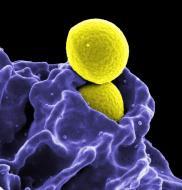
An Institut Pasteur-CNRS research team has characterized a Staphylococcus aureus gene involved in virulence, biofilm formation and resistance to certain antibiotics. These results open up new avenues for understanding the control of S. aureus virulence mechanisms. This work was recently published in the journal PLoS Pathogens.

Staphylococcus aureus is part of the natural skin flora, preferentially colonizing external mucosa in 30 to 50% of the population, healthy carriers who develop no symptoms. But it is also a major human pathogen, causing diseases ranging from skin lesions (boils, impetigo, etc.) to endocarditis, acute pneumonia, osteomyelitis or sepsis. It is the leading Gram-positive bacterium responsible for nosocomial infections (hospital acquired infections). The most dangerous strains are those that display resistance to multiple antibiotics. This is the case of MRSA[1], resistant to Meticillin, widespread in hospitals and posing a major public health concern.

Research – The inhibitory effect of traditional pomegranate molasses on S. typhimurium growth on parsley leaves and in mixed salad vegetables

Wiley Online kswfoodworld salmonella

Abstract

Pomegranate (PG) molasses is an essential condiment that is commonly used in Middle Eastern cuisine in local and international gastronomic markets. There is scarce information on the inhibitory effect of PG molasses on Salmonella growth mainly under in situ conditions and in a food matrix. PG molasses in different dilution ratios of 1:1 and 1:7, combined with sodium chloride (2%, v/v), vinegar (2.4%, v/v), and in a dressing mix was tested against Salmonella enterica serovar Typhimurium LT2 on parsley and salad vegetables. The results showed significant log reductions in Salmonella on parsley treated with PG solutions for 15, 30, and 60 min, reaching a level of 2.55 log cfu/g. The addition of sodium chloride (2%, v/v) and vinegar (2.4%, v/v) to PG molasses did not exert a synergistic or antagonistic effect on its antibacterial activity. Additionally, the application of PG molasses dressing on salads contaminated with low (3 log cfu/g) and high (6 log cfu/g) inoculum levels resulted in 2–3 log reduction independent of temperature (p < .05) compared with 0.5–1 log reduction for thorough washing alone which may damage the leaf surfaces. This study showed that PG molasses has a great efficacy against S. typhimurium and the potential to enhance the microbial safety of ready‐to‐eat salads and parsley leaves.

Practical applications

The implication of fresh‐cut vegetables in food poisoning are well documented, at the same time, the washing methods in restaurants or home settings are reportedly not effective enough to mitigate the risks of pathogens found in vegetables. This study shows that Pomegranate (PG) molasses has a greater efficacy than chlorine (200 ppm) against S. typhimurium and achieved comparable to greater log reduction values than organic acids. The storage temperature and food matrix did not alter the potency of PG. The present work showed that promoting the use of PG as a natural additive and condiment to ready‐to‐eat (RTE) vegetables offers a great potential to effectively reduce the risk of Salmonella contamination and to improve their microbial safety. Furthermore, this study provided preliminary data that serve as additional inputs in quantitative microbial risk assessment models for estimating the risk of Salmonella infection associated with consuming RTE salads served in Mediterranean cuisines.

Research – CDC says some FoodNet Salmonella infections rising

CIDRAP 


Though the incidence of foodborne illnesses has held steady over the past several years, a surveillance system geared toward tracking the diseases found that those involving Escherichia coli O157 and certain Salmonella subtypes have been falling over the past decade, which experts say parallels decreased contamination in poultry and ground beef.

Infections involving some Salmonella subtypes, however, are on the rise, with some of them from nonfood sources, such as contact with animals.

Of subtyped Salmonella isolates in 2017, the five most common were Enteritidis, Typhimurium, Newport, Javiana, and I 4,[5],12:i:-, a variant of Typhimurium. For 2017, the incidence of Heidelberg was 65% lower than from 2006 to 2008, with a similar decrease for Typhimurium over the same period.

Research – Norovirus – Applied math reveals the key to stopping Norovirus lies — literally — in our own hands

Science Daily 


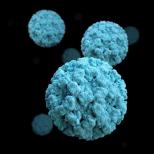
From stately cruise ships to Olympic host cities, recent headline-grabbing outbreaks prove that norovirus, an incapacitating stomach bug, can strike anywhere and anytime. A new study uses mathematical modelling and data from real-world cruise ship outbreaks to find the best way of stopping the disease’s spread. Their surprising results reveal that washing your hands is more effective than surface cleaning or even quarantine at breaking the chain of transmission.

USA – Multistate Outbreak of Salmonella Agbeni Infections Linked to Pet Turtles, 2017 (Final Update)

CDC Salm2

Outbreak Advisory

76
Cases

19
States

30
Hospitalizations

0
Deaths

  • CDC and multiple states investigated a multistate outbreak of human Salmonella infections linked to contact with pet turtles.
  • A total of 76 people infected with the outbreak strain of Salmonella Agbeni were reported from 19 states.
    • Illnesses started on dates ranging from March 1, 2017 to December 1, 2017.
    • Of 63 people with available information, 30 were hospitalized. No deaths were reported.
    • 24 (32%) ill people were children younger than 5.
  • Epidemiologic and laboratory findings linked this outbreak of human Salmonella Agbeni infections to contact with turtles or their environments, such as water from a turtle habitat.
    • In interviews, ill people answered questions about contact with animals during the week before becoming ill. Twenty-three (38%) of the 60 people interviewed reported contact with turtles or their environments, such as water from a turtle habitat, before getting sick.
    • Of the 23 ill people who had contact with turtles, 14 (61%) reported contact with small turtles that had a shell length of less than four inches. They reported purchasing the turtle from a street vendor or receiving the turtle as a gift.
    • In 2015, state and local health officials collected samples from turtles at a street vendor. Whole genome sequencing(https://www.cdc.gov/pulsenet/pathogens/wgs.html) showed that the Salmonella Agbeni isolated from ill people in this outbreak was closely related genetically to the Salmonella Agbeni isolates from the turtles at the street vendor. This close genetic relationship means that illnesses in this outbreak were likely linked to turtles.
  • Whole genome sequencing(https://www.cdc.gov/pulsenet/pathogens/wgs.html) did not identify predicted antibiotic resistance in 43 of 44 isolates from ill people
    • One isolate from an ill person had predicted resistance to nalidixic acid and ciprofloxacin. The resistance in this isolate is unlikely to affect treatment for most outbreak-associated cases.
  • Testing of four outbreak isolates using standard antibiotic susceptibility testing(https://www.cdc.gov/narms/resources/glossary.html) methods by CDC’s National Antimicrobial Resistance Monitoring System (NARMS)(https://www.cdc.gov/narms/resources/glossary.html) laboratory did not show any resistance.
  • Do not buy small turtles as pets or give them as gifts.
  • All turtles, regardless of size, can carry Salmonella bacteria even if they look healthy and clean. These outbreaks are a reminder to follow simple steps(https://www.cdc.gov/Features/salmonellafrogturtle/) to enjoy pet reptiles and keep your family healthy.
  • This outbreak investigation is over. Illnesses could continue because people may not know they could get a Salmonella infection from contact with pet turtles.

Research – Multistate Outbreak of Salmonella Virchow Infections Linked to a Powdered Meal Replacement Product — United States, 2015–2016

Oxford Academic

Abstract

Background

Nontyphoidal Salmonella is the leading cause of bacterial gastroenteritis in the United States. Meal replacement products containing raw and ‘superfood’ ingredients have gained increasing popularity among consumers in recent years. In January 2016, we investigated a multistate outbreak of infections with a novel strain of Salmonella Virchow.

Methods

Cases were defined using molecular subtyping procedures. Commonly reported exposures were compared with responses from healthy people interviewed in the 2006–2007 FoodNet Population Survey. Firm inspections and product traceback and testing were performed.

Results

Thirty-five cases from 24 states were identified; 6 hospitalizations and no deaths were reported. Thirty-one (94%) of 33 ill people interviewed reported consuming a powdered supplement in the week before illness; of these, 30 (97%) reported consuming Product A, a raw organic powdered shake product consumed as a meal replacement. Laboratory testing isolated the outbreak strain of Salmonella Virchow from: leftover Product A collected from ill people’s homes, organic moringa leaf powder (an ingredient in Product A), and finished product retained by the firm. Firm inspections at three facilities linked to Product A production did not reveal contamination at the facilities. Traceback identified that the contaminated moringa leaf powder was imported from South Africa.

Conclusions

This investigation identified a novel outbreak vehicle and highlighted the potential risk with similar products not intended to be cooked by consumers before consuming. The company issued a voluntary recall of all implicated products. As this product has a long shelf-life, the recall likely prevented additional illnesses.