Category Archives: Research

Research – Prevalence of Human Noroviruses in Commercial Food Establishment Bathrooms

Journal of Food Protection

Although transmission of human norovirus in food establishments is commonly attributed to consumption of contaminated food, transmission via contaminated environmental surfaces, such as those in bathrooms, may also play a role. Our aim was to determine the prevalence of human norovirus on bathroom surfaces in commercial food establishments in New Jersey, Ohio, and South Carolina under nonoutbreak conditions and to determine characteristics associated with the presence of human norovirus. Food establishments (751) were randomly selected from nine counties in each state. Four surfaces (underside of toilet seat, flush handle of toilet, inner door handle of stall or outer door, and sink faucet handle) were swabbed in male and female bathrooms using premoistened macrofoam swabs. A checklist was used to collect information about the characteristics, materials, and mechanisms of objects in bathrooms. In total, 61 (1.5%) of 4,163 swabs tested were presumptively positive for human norovirus, 9 of which were confirmed by sequencing. Some factors associated with the presence of human norovirus included being from South Carolina (odd ratio [OR], 2.4; 95% confidence interval [CI], 1.2 to 4.9; P < 0.05) or New Jersey (OR, 1.7; 95% CI, 0.9 to 3.3; 0.05 < P < 0.10), being a chain establishment (OR, 1.9; 95% CI, 1.1 to 3.3; P < 0.05), being a unisex bathroom (versus male: OR, 2.0; 95% CI, 0.9 to 4.1; 0.05 < P < 0.10; versus female: OR, 2.6; 95% CI, 1.2 to 5.7; P < 0.05), having a touchless outer door handle (OR, 3.3; 95% CI, 0.79 to 13.63; 0.05 < P < 0.10), and having an automatic flush toilet (OR, 2.5, 95% CI, 1.1 to 5.3; 0.05 < P < 0.10). Our findings confirm that the presence of human norovirus on bathroom surfaces in commercial food establishments under nonoutbreak conditions is a rare event. Therefore, routine environmental monitoring for human norovirus contamination during nonoutbreak periods is not an efficient method of monitoring norovirus infection risk.

Research – Legionella Conference 2018: Controlling This Deadly Bacteria Will Take a Village

Outbreak News Today legionellac

Controlling Legionnaires’ disease will require a universal, preventive-based approach by a bevy of stakeholders ranging from building owners to hospital administrators, from public health officials to policymakers, and from scientists to water system engineers.

In other words, it’s going to take a village to get a handle on the deadliest waterborne disease in the United States, participants heard recently at Legionella Conference 2018 in Baltimore, co-sponsored by NSF International and the National Science Foundation.

Incidence of Legionnaires’ disease – a severe lung illness caused by Legionella bacteria inhaled from water distribution and premise plumbing systems – has jumped more than 300 percent since 2000. Yet preventative efforts, conference speakers said, are being hampered by a lack of awareness and inconsistent planning, testing and management of building water systems. There are more than 5 million commercial buildings in the United States.

Bangledesh – 77% Pasteurised Milk Unsafe

The Daily Star

Around 77 percent of pasteurised milk samples assessed in a study were found to have high levels of bacteria, making direct consumption of such milk unsafe.

The level of bacteria found was beyond the standards set by Bangladesh Standards and Testing Institution, said the study.

“Raw or pasteurised milk available in the market are found to be contaminated with disease-causing organisms and should not be consumed without thorough boiling,” said Mohammad Aminul Islam, associate scientist and head of the Food Microbiology Laboratory at icddr,b.

Consuming such milk can cause various diseases like diarrhoea, dysentery and typhoid, he said.

“And, even if you drink the milk after boiling, nutrition value is heavily compromised,” said Aminul, principal investigator of the study conducted by icddr,b, with support from CARE Bangladesh.

The International Journal of Food Microbiology published the study on April 24.

To assess the microbiological quality of milk at different stages of the dairy value chain, scientists collected 438 raw milk samples from milk producers, collectors, chilling plants and restaurants in 18 upazilas of Bogra, Gaibandha, Nilphamari, Dinajpur, Joypurhat, Rangpur and Sirajganj.

Additionally, 95 samples were collected from commercially processed milk found on the shelves of retail stores in Dhaka and Bogra.

Scientists found that at the primary producers’ level, 72 percent milk samples were contaminated with coliform and 57 percent were contaminated with faecal coliform bacteria. And, 11 percent of samples had high levels of E. coli.

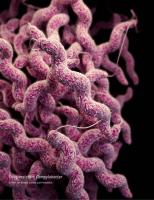
Research – Canada – Veal Liver as Food Vehicle for Human Campylobacter Infections

CDC  


A matched case–control study in Quebec, Canada, evaluated consumption of veal liver as a risk factor for campylobacteriosis. Campylobacter was identified in 28 of 97 veal livers collected concurrently from slaughterhouses and retailers. Veal liver was associated with human Campylobacter infection, particularly when consumed undercooked.

Recent investigations conducted in Quebec, Canada, after an increased number of sporadic campylobacteriosis illnesses suggested that consumption of veal liver may be a risk factor for campylobacteriosis. Many of the persons infected reported eating veal liver, and many of those had eaten it pink or undercooked. The association between campylobacteriosis and the consumption of meat products, including chicken liver and offal from different animal species, has been previously described (15). We designed an epidemiologic study to examine the relationship between veal liver consumption and campylobacteriosis.

Research – Good hygiene practices and microbiological contamination in commercial restaurants

Academic Journals

Food services and commercial restaurants have gained more space in people’s lives. Thus, people are more concerned about food security and sanitary hygiene. The present study evaluated practices of manipulation and contamination of environments and the preparation of surfaces in commercial restaurants in Vitória-ES, Brazil. Data on good practices were collected through a checklist proposal based on the RDC 216/2004; air samples were collected via the simple sedimentation technique, while surfaces (countertops and utensils) were sampled via the swab technique to analyze the presence of microbial indicators (n = 12). Regarding buildings, facilities and utensils block, 50% of the restaurants were classified as unsatisfactory. In food handlers and storage and transport of prepared food blocks, 58 and 100% of the restaurants, respectively, were classified as unsatisfactory. 83% of the restaurants being classified as unsatisfactory in documentation and registration block, with emphasis on the lack of or inadequacy of the Good Practice Manual. The hygienic and sanitary conditions were considered unsatisfactory in most restaurants evaluated, representing a low agreement with the legislation. Air contamination levels were above the recommendations, which indicates inadequate practices in some of the establishments. All establishments were unsatisfactory when mesophilic bacteria were analyzed on countertops surfaces. Values of the order of 105 of aerobic mesophiles for knifes were observed. These results, together with the high percentage of inadequations, indicate the need for immediate action for control and prevention as well as a greater supervision by the competent organizations. Actions to reduce the risks of contamination and to ensure greater consumer safety are crucial.

USA- Dairy Cows May Have Been Source of Unannounced Salmonella Newport Outbreak Linked to Ground Beef in 2016 – 2017

Food Poisoning Bulletin E.coli O157:H7

According to the Morbidity and Mortality Report of the week of April 20, 2018, the long outbreak of Salmonella Newport infections that were linked to ground beef in 2016 and 2017 may have come from dairy cows. In that outbreak, 106 people in 21 states were sickened; 42 people were hospitalized, and one death occurred. This outbreak was not announced to the public at the time.

Research – Hostile intruder: Toxoplasma holds host organelles captive

PLOS Pathogens Toxoplas

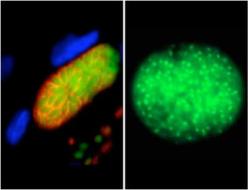
Toxoplasma gondii, a human pathogen of the Apicomplexa phylum, is an obligate intracellular parasite, i.e., a microbe that must reside within a foreign cell to survive and propagate. To achieve intracellular replication, Toxoplasma has mastered three strategies: seclusion, secretion, and scavenging. Upon invasion, the parasite secludes itself from the host cytoplasm by forming the parasitophorous vacuole (PV), a self-made niche that protects it from host cell assaults. Within its PV, Toxoplasma secretes many proteins that transform the PV into a replication-competent milieu, and it subverts many host cell pathways by exporting proteins into the host territory. The parasite relentlessly scavenges nutrients from the host mammalian cytosol and organelles until egress. Hereafter, we focus on the unique properties of the T. gondii PV in relation to the scavenging of host cell–derived nutrients by the parasite.

Research – Retail Deli Slicer Inspection Practices: An EHS-Net Study – Listeria monocytogenes

Journal of Food Protection Listeria kswfoodworld food safety food poisoning

The Centers for Disease Control and Prevention (CDC) estimates that 3,000 people die in the United States each year from foodborne illness, and Listeria monocytogenes causes the third highest number of deaths. Risk assessment data indicate that L. monocytogenes contamination of particularly delicatessen meats sliced at retail is a significant contributor to human listeriosis. Mechanical deli slicers are a major source of L. monocytogenes cross-contamination and growth. In an attempt to prevent pathogen cross-contamination and growth, the U.S. Food and Drug Administration (FDA) created guidance to promote good slicer cleaning and inspection practices. The CDC’s Environmental Health Specialists Network conducted a study to learn more about retail deli practices concerning these prevention strategies. The present article includes data from this study on the frequency with which retail delis met the FDA recommendation that slicers should be inspected each time they are properly cleaned (defined as disassembling, cleaning, and sanitizing the slicer every 4 h). Data from food worker interviews in 197 randomly selected delis indicate that only 26.9% of workers (n = 53) cleaned and inspected their slicers at this frequency. Chain delis and delis that serve more than 300 customers on their busiest day were more likely to have properly cleaned and inspected slicers. Data also were collected on the frequency with which delis met the FDA Food Code provision that slicers should be undamaged. Data from observations of 685 slicers in 298 delis indicate that only 37.9% of delis (n = 113) had slicers that were undamaged. Chain delis and delis that provide worker training were more likely to have slicers with no damage. To improve slicer practices, food safety programs and the retail food industry may wish to focus on worker training and to focus interventions on independent and smaller delis, given that these delis were less likely to properly inspect their slicers and to have undamaged slicers.

Research – Evaluation of enumeration and MPN prediction methods for Staphylococcus aureus

Wiley Online

Abstract

Staphylococcal food poisoning is among the most prevalent causes of foodborne intoxication. To monitor the safety and quality of food, rapid and reliable enumeration procedures for Staphylococcus aureus are essential. Here, we assess culture‐based methods for the isolation and enumeration of S. aureus, testing different pre‐enrichment broths, plated media, and the automated TEMPO instrument. We evaluated enumeration of S. aureus in seven different food commodities, including two naturally contaminated foods, at levels ranging between 100 and 1,500 cfu/g of inoculated target and nontarget organisms. Sixty‐four food samples were analyzed. Duplicate test portions of 25 g each were homogenized with 225 ml of Butterfield’s phosphate buffer (1:10). Five tube most probable number (MPN) predictions comparing two pre‐enrichment broths, tryptic soy broth containing 10% NaCl and 1% sodium pyruvate (PTSBS) and modified Giolitti and Cantoni (GC) were assessed alongside the TEMPO STA card and the direct plate count method. The direct plate count method using Baird Parker agar and BP with Rabbit Plasma Fibrinogen versus TEMPO STA demonstrated the highest proportion of agreement at 89.19%. The two different pre‐enrichment broths assessed, PTSBS versus GC exhibited the lowest proportion of agreement at 47.5%. The TEMPO STA yielded results in 24 hr versus the current 4‐day PTSBS MPN method for S. aureus, with an 84.62% agreement.

Practical applications

Overall food quality, recalls, and other regulatory decisions are often contingent upon enumeration results. A prompt turnaround time can assist in expediting the release of unadulterated foods, and the swift removal of adulterated foods out of the food supply chain. This is paramount to the microbiology and food safety community who must consider which methods will provide more accurate and timely assessments of food contamination.

Research – Incidence, species and antimicrobial resistance of naturally occurring Campylobacter isolates from quail carcasses sampled in a commercial processing facility

Wiley Online

Abstract

There is limited information about Campylobacter in commercially processed quail (Coturnix coturnix). The objective of this study was to determine the occurrence of Campylobacter on carcasses in a commercial quail processing plant. Carcasses were collected prior to chilling and/or the application of any antimicrobials, transported to the laboratory, and individually bagged. Following the standard protocol for recovering Campylobacter, three typical colonies were selected, confirmed as Campylobacter and tested for antimicrobial susceptibility. Nine replicates were conducted. Of the 85 carcasses obtained (n = 5 for first visit, n = 10 for 8 subsequent visits), 28 (32.9%) carcasses were found to be positive for Campylobacter. On four visits, no Campylobacter was found; on two visits, all samples were positive; and 1/5, 1/10, and 6/10 samples were positive for the remaining visits. Of the 28 isolates recovered, 18 (64%) were C. jejuni and 10 (36%) were C. coli. Tetracycline resistance was detected in all 28 isolates. Future work in the breeder flocks, hatchery, and grow‐out houses is planned to further understand Campylobacter ecology in quail production and processing which could also be useful to the broiler industry.

Practical applications

Very little published information exists for the presence of Campylobacter spp. on processed quail. Most of the studies involve cloacal swabs and ceca from samples obtained from hunters. This study involves sampling processed quail carcasses from a large commercial integrated company and also determined the species and antibiotic resistance profile of the Campylobacter isolates. There is considerable debate concerning the ecology of Campylobacter on poultry and perhaps our data can be used by the broiler industry to develop a better understanding of the ecology and to assist in the application of effective intervention strategies. Presently, there is slightly under 100,000 million commercially processed and domestically grown quails in the United States each year, most of which is marketed in Europe as a frozen product. So the presence of an important foodborne pathogen on this food is significant information.