
Category Archives: Research

Research – Multi-drug-resistant (MDR), colistin-resistant E. coli bacteria pervasive in Vietnam village

Outbreak News Today Ecoli Istock

A new study has found that the majority of residents in a rural village of Vietnam harbored multi-drug-resistant (MDR), colistin-resistant E. coli bacteria. Colistin is typically used as a last-resort treatment when there are no other therapy options available. The research is presented at ASM Microbe, the annual meeting of the American Society for Microbiology, held from June 7th to June 11th in Atlanta, GA.

“These results revealed the dissemination of MDR colistin-resistant E. coli, harboring the colistin-resistant mobile gene mcr among commensal bacteria of residents, in a rural community in Vietnam,” said Yoshimasa Yamamoto, Ph.D., Osaka University, Osaka, Japan, presenting author on the study.

The colistin-resistant bacteria were detected in 71.4% of the residents in Nguyen Xa village in Vietnam. All the colistin-resistant isolates were identified as E. coli.
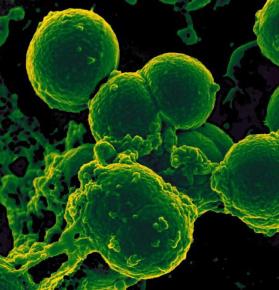
Research -Incidence of Listeria spp. in Ready-to-Eat Food Processing Plant Environments Regulated by the U.S. Food Safety and Inspection Service and the U.S. Food and Drug Administration

Journal of Food Protection

A multiyear survey of 31 ready-to-eat (RTE) food processing plants in the United States was conducted to determine the incidence of Listeria spp. in various RTE production environments. Samples were collected from 22 RTE plants regulated by the U.S. Department of Agriculture’s Food Safety and Inspection Service (FSIS) and from 9 RTE food plants regulated by the U.S. Department of Health and Human Services’ Food and Drug Administration (FDA). Only nonfood contact surfaces in the RTE manufacturing areas with exposed RTE product were sampled. Each sample was individually analyzed for the presence of Listeria spp. by using a PCR-based rapid assay. In total, 4,829 samples were collected from various locations, including freezers, equipment framework, floors, walls, wall-floor junctures, drains, floor mats, doors, and cleaning tools. Nine (29%) of the facilities had zero samples positive for Listeria spp. in the production environment, whereas 22 (71%) had one or more samples positive for Listeria spp. The total incidence of Listeria spp. in all RTE food plants was 4.5%. The positive rate in plants regulated by the FSIS ranged from 0 to 9.7%, whereas the positive rate in plants regulated by the FDA ranged from 1.2 to 36%.

Research – Scientists map genetic codes of 3,000 dangerous bacteria

Yahoo News 


By Kate Kelland

(Reuters) – Scientists seeking new ways to fight drug-resistant superbugs have mapped the genomes of more than 3,000 bacteria, including samples of a bug taken from Alexander Fleming’s nose and a dysentery-causing strain from a World War One soldier.

The DNA of deadly strains of plague, dysentery and cholera were also decoded in what the researchers said was an effort to better understand some of the world’s most dangerous diseases and develop new ways to fight them.

The samples from Fleming – the British scientist credited with discovering the first antibiotic, penicillin, in 1928 – were among more than 5,500 bugs at Britain’s National Collection of Type Cultures (NCTC) one of the world’s largest collections of clinically relevant bacteria.

The first bacteria to be deposited in the NCTC was a strain of dysentery-causing Shigella flexneri that was isolated in 1915 from a soldier in the trenches of World War One.

“Knowing very accurately what bacteria looked like before and during the introduction of antibiotics and vaccines, and comparing them to current strains, … shows us how they have responded to these treatments,” said Julian Parkhill of Britain’s Wellcome Sanger Institute who co-led the research.

“This in turn helps us develop new antibiotics and vaccines.”

Research – Antibiotic resistance increases with local temperature

Nature

Bacteria that cause infections in humans can develop or acquire resistance to antibiotics commonly used against them1,2. Antimicrobial resistance (in bacteria and other microbes) causes significant morbidity worldwide, and some estimates indicate the attributable mortality could reach up to 10 million by 20502,3,4. Antibiotic resistance in bacteria is believed to develop largely under the selective pressure of antibiotic use; however, other factors may contribute to population level increases in antibiotic resistance1,2. We explored the role of climate (temperature) and additional factors on the distribution of antibiotic resistance across the United States, and here we show that increasing local temperature as well as population density are associated with increasing antibiotic resistance (percent resistant) in common pathogens. We found that an increase in temperature of 10 °C across regions was associated with an increases in antibiotic resistance of 4.2%, 2.2%, and 2.7% for the common pathogens Escherichia coli, Klebsiella pneumoniae and Staphylococcus aureus. The associations between temperature and antibiotic resistance in this ecological study are consistent across most classes of antibiotics and pathogens and may be strengthening over time. These findings suggest that current forecasts of the burden of antibiotic resistance could be significant underestimates in the face of a growing population and climate change4.

Research – Microbiological survey of field‐grown and retail lettuce in Beijing

Wiley Online Eurofins Food Testing UK

Abstract

About 108 retail and 101 field‐grown lettuce samples from across Beijing were examined. These samples were analyzed for their aerobic plate counts, coliform counts, fecal flora counts, and presence of pathogenic bacteria. Samples included retail leaf (n = 56), retail head (n = 52), field‐grown leaf (n = 54), and field‐grown head lettuce (n = 47). The number of aerobic colonies of retail leaf lettuce was significantly higher than that of retail head lettuce throughout the year, with the exception of December. The means of retail leaf lettuce aerobic plate counts varied from 4.87 to 7.03 log10 cfu/g. For retail head lettuce, the mean count of aerobic microbiological populations varied from 4.33 to 6.33 log10 cfu/g. The aerobic microbiological populations of field‐grown lettuce were lower than those of retail lettuce in the same month. The mean count of field‐grown head lettuce was 5.53 log10 cfu/g. The mean count of retail head lettuce was 5.92 log10 cfu/g. The mean of the coliform counts ranged from <0.47 to 2.85 log10cfu/g. Leaf and retail lettuce had significantly higher coliform, fecal flora, and Escherichia coli counts than head and field‐grown lettuce. The detection rate of E. coli was directly proportional to that of fecal flora. No E. coli O157:H7 or Salmonella spp. were detected in these lettuce samples.

Practical applications

It is generally agreed that microbial contamination of lettuce will arise if there is improper operation in the process of its storage, transportation, and shelves sale. As lettuce is usually eaten raw, microbes can cause people to suffer from illnesses. Therefore, it is of critical importance to monitor the presence of microbes closely. In this study, the number of aerobic plate count in lettuce from different sources was examined. It was found that freshly picked lettuce had fewer microorganisms than retail lettuce had; lettuce harvested in low‐temperature seasons has fewer microorganisms than that in hot seasons. The suggestion is that cold chain transport is the best way for lettuce transportation, especially in summer and aseptic packaging is helpful to reduce contact pollution.

Reasearch – Viable-but-Nonculturable Listeria monocytogenes and Salmonella enterica Serovar Thompson Induced by Chlorine Stress Remain Infectious

mbioasm 

ABSTRACT

The microbiological safety of fresh produce is monitored almost exclusively by culture-based detection methods. However, bacterial food-borne pathogens are known to enter a viable-but-nonculturable (VBNC) state in response to environmental stresses such as chlorine, which is commonly used for fresh produce decontamination. Here, complete VBNC induction of green fluorescent protein-tagged Listeria monocytogenes and Salmonella enterica serovar Thompson was achieved by exposure to 12 and 3 ppm chlorine, respectively. The pathogens were subjected to chlorine washing following incubation on spinach leaves. Culture data revealed that total viable L. monocytogenes and Salmonella Thompson populations became VBNC by 50 and 100 ppm chlorine, respectively, while enumeration by direct viable counting found that chlorine caused a <1-log reduction in viability. The pathogenicity of chlorine-induced VBNC L. monocytogenes and Salmonella Thompson was assessed by using Caenorhabditis elegans. Ingestion of VBNC pathogens by C. elegans resulted in a significant life span reduction (P = 0.0064 and P < 0.0001), and no significant difference between the life span reductions caused by the VBNC and culturable L. monocytogenes treatments was observed. L. monocytogenes was visualized beyond the nematode intestinal lumen, indicating resuscitation and cell invasion. These data emphasize the risk that VBNC food-borne pathogens could pose to public health should they continue to go undetected.

IMPORTANCE Many bacteria are known to enter a viable-but-nonculturable (VBNC) state in response to environmental stresses. VBNC cells cannot be detected by standard laboratory culture techniques, presenting a problem for the food industry, which uses these techniques to detect pathogen contaminants. This study found that chlorine, a sanitizer commonly used for fresh produce, induces a VBNC state in the food-borne pathogens Listeria monocytogenes and Salmonella enterica. It was also found that chlorine is ineffective at killing total populations of the pathogens. A life span reduction was observed in Caenorhabditis elegans that ingested these VBNC pathogens, with VBNC L. monocytogenes as infectious as its culturable counterpart. These data show that VBNC food-borne pathogens can both be generated and avoid detection by industrial practices while potentially retaining the ability to cause disease.

Research – Thermal Inactivation of Shiga Toxin–Producing Escherichia coli in Ground Beef with Varying Fat Content

Journal of Food Protection

Decimal reduction time (D-value) was calculated for six non-O157 Shiga toxin–producing Escherichia coli (STEC) in a laboratory medium and ground beef. For the laboratory medium, an overnight culture of each strain of STEC was divided into 10-mL sample bags and heated in a water bath for a specific time on the basis of the temperatures. Survival curves were generated by plotting the surviving bacterial population against time, and a linear-log primary model was used to estimate the D-values from survival curves. The z-values (the temperature raised to reduce the D-value by one-tenth) were calculated by plotting the log D-values against temperature. Similarly, for ground beef, six fat contents, 5, 10, 15, 20, 25, and 30% of ground beef were formulated for this study. Inoculated meat was divided into 5-g pouches and submerged in a water bath set at specific temperatures (55, 60, 65, 68, and 71.1°C). The average D-value for these strains in a laboratory medium was 17.96 min at 55°C, which reduced significantly (P < 0.05) to 1.58 min at 60°C, and then further reduced (P < 0.05) to 0.46 min at 65°C. In ground beef, a negative correlation (P < 0.05) between fat content of ground beef and D-values was observed at 55°C. However, at temperatures greater than 60°C, there was no impact (P > 0.05) of fat content of ground beef on the thermal resistance of non-O157 STECs. Irrespective of the fat content of ground beef, the D-values ranged from 15.93 to 11.69, 1.15 to 1.12, and 0.14 to 0.09 min and 0.05 at 55, 60, 65, and 68°C, respectively. The data generated from this study can be helpful for the meat industry to develop predictive models for thermal inactivation of non-O157 STECs in ground beef with varying fat content.

Research – Reduction of Environmental Listeria Using Gaseous Ozone in a Cheese Processing Facility

Journal of Food Protection

ABSTRACT

A cheese processing facility seeking to reduce environmental Listeria colonization initiated a regime of ozonation across all production areas as an adjunct to its sanitation regimes. A total of 360 environmental samples from the facility were tested for Listeria over a 12-month period. A total of 15 areas before and 15 areas after ozonation were tested. Listeria isolations were significantly (P < 0.001) reduced from 15.0% in the preozonation samples to 1.67% in the postozonation samples in all areas. No deleterious effects of ozonation were noted on the wall paneling, seals, synthetic floors, or cheese processing equipment. The ozonation regime was readily incorporated by sanitation staff into the existing good manufacturing practice program. The application of ozone may result in a significant reduction in the prevalence of Listeria in food processing facilities.

Research – Response Surface Methodology for Salmonella Inactivation during Extrusion Processing of Oat Flour

Journal of Protection 


An increase in the number of foodborne outbreaks and recalls due to Salmonella in low-moisture foods has resulted in the need for the development and validation of process controls to ensure their microbiological safety. Furthermore, the Food Safety Modernization Act Preventive Controls for Human Food final rule requires food processors to validate their process controls to ensure food safety. The objective of this study was to develop a response surface model to predict Salmonella inactivation in oat flour, as affected by moisture, fat content, screw speed, and temperature. Oat flour was adjusted to different moisture (14 to 26% wet basis) and fat (5 to 15% [w/w]) contents and was then inoculated with a five-strain cocktail of Salmonella. Inoculated material was extruded through a single-screw extruder running at different screw speeds (75 to 225 rpm) and temperatures (65 to 85°C), without a die. Once steady-state conditions were attained, extruded samples were collected, cooled, and stored under refrigeration, and Salmonella survivors were enumerated. A split-plot central composite second-order response surface design was used, with the central point replicated six times. Temperature showed a significant (P < 0.0005) positive effect on microbial reduction. Moisture content showed significant linear (P = 0.0014) and quadratic (P = 0.0005) effects, whereas higher fat content showed a significant (P < 0.0001) protective effect on Salmonella destruction. The screw speed did not play a major role in inactivating Salmonella, but it had a significant (P = 0.0004) interactive effect with temperature. Results indicated that a >5.5-log reduction was achieved in oat flour extruded at a temperature above 85°C at all moisture and fat contents evaluated at a screw speed of 150 rpm. The developed response surface model can be used to identify the extrusion process conditions to achieve a desired reduction of Salmonella based on the moisture and fat contents of the product.

Research – Contamination by Meat Juice When Shopping for Packages of Raw Poultry

Journal of Food Protection Campylobacter kswfoodworld

Raw poultry products often are contaminated with Salmonella and Campylobacter, and these bacteria can be transmitted through meat juice on the packages. An observational study was conducted to assess consumer exposure to meat juice during shopping and to quantify the transmission of meat juice from poultry packages to hands and other surfaces. Ninety-six participants completed the shopping study; 402 swabs were collected and analyzed for the presence of meat juice by an immunoassay. Overall, meat juice was detected on 61% of poultry package surfaces, 34% of shoppers’ hands, 41% of grocery bags, 60% of kitchen surfaces, and 51% of food item surfaces. When meat juice was detected on the purchased poultry packages, the chance of the meat juice being on the shopper’s hands, grocery bags, food items, and kitchen surfaces was significantly higher (P < 0.005) compared with packages on which meat juice was not present. Shoppers who had poultry wrapped separately during checkout had a significantly lower (P < 0.05) chance of meat juice on the food items. However, using plastic bags and wrapping poultry separately did not significantly reduce the likelihood of meat juice on kitchen surfaces at home due to consumers’ practices of repackaging before storage. Results suggested that the transfer of meat juice through direct contact with the poultry packages is a major concern during shopping and should be prevented.