Category Archives: Pseudomonas

USA – Pseudomonas Aeruginosa Bacteria Found In Saje Splish Splash Gentle Baby Wash

FDA pseud

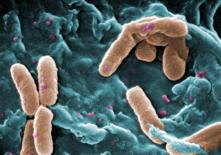
Saje Natural Wellness is warning customers not to use Splish Splash Gentle Baby Wash, 8.5 fl. oz. and 1.7 fl. oz. (found in the Wee and Well Gentle Baby Care Kit) as it may contain the bacteria Pseudomonas aeruginosa. Pseudomonas aeruginosais an opportunistic pathogen that causes infection and results in bacteria in the blood, particularly in individuals with compromised immune systems.

The product being recalled is:

Brand Name & Product Name Product SKU Package Size Lot Number Expiry Date
Saje Natural Wellness Splish Splash Gentle Baby Wash 700552
(USA/Int’l)
8.5 fl. oz. 814020 All expiry dates
Saje Natural Wellness Splish Splash Gentle Baby Wash (found in Wee and Well Gentle Baby Care Kit) 700561
(USA/Int’l)
1.7 fl. oz. 814020 All expiry dates

The product is distributed in the United States through Saje retail locations in California, New Jersey, and New York. The product is also distributed through online sales across the United States and internationally.

Based on routine sample testing, one lot (814020) of Splish Splash Gentle Baby Wash 8.5 fl. oz. was found to contain the bacteria Pseudomonas aeruginosa.

There have not been any reported adverse reactions for this product in the United States to date.
Research – Cryptosporidium, Pseudomonas and Legionella responsible for most outbreaks in swimming venues including hotel swimming pools

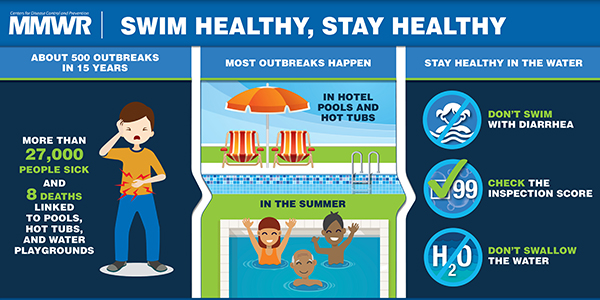
The figure is a visual abstract that details illnesses associated with recreational water and recommends how to stay healthy when swimming.

CDC-Outbreaks Associated with Treated Recreational Water — United States, 2000–2014

Outbreaks associated with exposure to treated recreational water can be caused by pathogens or chemicals in venues such as pools, hot tubs/spas, and interactive water play venues (i.e., water playgrounds). During 2000–2014, public health officials from 46 states and Puerto Rico reported 493 outbreaks associated with treated recreational water. These outbreaks resulted in at least 27,219 cases and eight deaths. Among the 363 outbreaks with a confirmed infectious etiology, 212 (58%) were caused by Cryptosporidium (which causes predominantly gastrointestinal illness), 57 (16%) by Legionella (which causes Legionnaires’ disease, a severe pneumonia, and Pontiac fever, a milder illness with flu-like symptoms), and 47 (13%) by Pseudomonas (which causes folliculitis [“hot tub rash”] and otitis externa [“swimmers’ ear”]). Investigations of the 363 outbreaks identified 24,453 cases; 21,766 (89%) were caused by Cryptosporidium, 920 (4%) by Pseudomonas, and 624 (3%) by Legionella. At least six of the eight reported deaths occurred in persons affected by outbreaks caused by Legionella. Hotels were the leading setting, associated with 157 (32%) of the 493 outbreaks. Overall, the outbreaks had a bimodal temporal distribution: 275 (56%) outbreaks started during June–August and 46 (9%) in March. Assessment of trends in the annual counts of outbreaks caused by Cryptosporidium, Legionella, or Pseudomonas indicate mixed progress in preventing transmission. Pathogens able to evade chlorine inactivation have become leading outbreak etiologies. The consequent outbreak and case counts and mortality underscore the utility of CDC’s Model Aquatic Health Code (https://www.cdc.gov/mahc) to prevent outbreaks associated with treated recreational water.

Hlavsa MC, Cikesh BL, Roberts VA, et al. Outbreaks Associated with Treated Recreational Water — United States, 2000–2014. MMWR Morb Mortal Wkly Rep 2018;67:547–551. DOI: http://dx.doi.org/10.15585/mmwr.mm6719a3

Research – Effect of Gum Arabic‐polyvinyl alcohol films containing seed cover extract of Zanthoxylum rhetsa on shelf life of refrigerated ground chicken meat

Wiley Online

Abstract

The aim of this study was to improve shelf life of ground chicken meat in chilled storage by employing active packaging incorporating seed cover extract (SCE) of Zanthoxylum rhetsa. The total phenolic and flavonoid content in SCE was estimated to be 194 and 44.5 mg/g, respectively, in terms of catechin equivalents. SCE scavenged free radicals, exhibited good reducing power, and high antioxidant activity coefficient. SCE was effective against Staphylococcus aureus, Bacillus cereus, Escherichia coli, and Pseudomonas fluorescens. The major phenolics compounds identified in SCE were catechin, vanillin, gallic acid, and ferulic acid. SCE was incorporated to get active films of Gum Arabic, polyvinyl alcohol, and sorbitol. Films had good mechanical and barrier properties. Ground chicken meat packed in normal films spoiled in less than 6 days whereas active packaging led to reduction in lipid peroxidation and improvement in shelf life up to 12 days at chilled condition.

Practical applications

Globally, tonnes of food get wasted annually at retail and consumer level due to lack of proper packaging and storage facilities. Meat is a highly perishable commodity and various strategies are used to preserve it for long time. Packaging and freezing are two important techniques used for this purpose. Freezing is energy intensive and conventional packaging using petroleum‐based polymers leads to burden on environment. Active packaging with the use of biodegradable polymers and natural preservatives is an emerging area of research in food industry. Zanthoxylum rhetsa is low cost spice and is rich in bioactive compounds. This can be used as the active component in biodegradable films that can extend the shelf life of the meat packed in it at chilled temperatures. Thus the burden on energy as well as petroleum resources can be minimized.

Research – Poultry Food Safety Control Interventions in the Domestic Kitchen

Wiley Online Library imagesCAYZ5I84

Research was undertaken to investigate cross-contamination of the domestic kitchen environment during poultry fillet preparation using a streptomycin-resistant strain of Pseudomonas fluorescens as a model organism. The potential role of a cook-in-the-bag technology to control this cross-contamination was also investigated. Poultry fillets were inoculated with P. fluorescens (6.06 log10 CFU/cm2). Six people were challenged to unpack, defrost, cut and cook without contaminating the preparation environment. After preparation, the chopping board, knife blade, dishcloth, refrigerator handle, oven handle, oven buttons, draining board, tap, microwave handle, microwave buttons, plate, tinfoil and press handle were tested for the presence of the P. fluorescens strain, before and after washing. The experiment was then repeated with a precut cook-in-the-bag product. In a separate experiment, the effect of freezing and frozen storage (−20C) on Campylobacter and the sensory attributes of chicken fillets were investigated. The cook-in-the-bag approach considerably reduced the incidence and levels of cross-contamination in the domestic kitchen. Freezing significantly (P < 0.05) reduced the Campylobacter counts on inoculated fillets after 7 days at −20C (1.73 log10 CFU/g). While there was no adverse effect on taste, fillets that had been frozen were significantly more “firm” and “less moist” as compared with fresh product.

HPA Scotland – Contaminated Water Tanks

HPAS

A recent Estates and Facilities Alert issued by Health Facilities Scotland (HFS) has noted that contamination of water supplies was found in two recent projects within NHS Scotland. Extensive testing traced the source to the cold water storage tanks which gave TVC (Total Viable Count) readings for Pseudomonas in excess of 500cfu/100ml (after 72-hour incubation). TVC readings fell to 0cfu/100ml immediately after disinfecting the tanks but had reverted to high levels at later re-testing.

RASFF Alerts – Bacillus spp – Bean Curd – Listeria monocytogenes – Tuna Mayonaise – E.coli – Horseradish – Clams – Pseudomonas – Mozzarella

RASFF -Bacillus spp. (3.8 x 10*5; 2.4 x 10*5; 1.8 x 10*5; 1.0 x 10*3; 1.2 x 10*5 CFU/g) in bean curd from China in the UK

RASFF-Listeria monocytogenes (< 10 CFU/g) in tuna mayonaise from Belgium in France

RASFF-Salmonella Braenderup (presence /25g) and high count of Escherichia coli (1000; 4000; 6000; 2800; 130 CFU/g) in horseradish tree shoot from Thailand in Norway

RASFF-too high count of Escherichia coli (330 MPN/100g) in live clams (Venus verrucosa) from Greece in Italy

RASFF -high count of Pseudomonas spp. (7.2 x 10E7 CFU/g) in mozzarella cheese from Germany in Italy

USA Research – Microbiology of RTE Foods In University Canteens – Control of Pathogens on Fresh Cut Fruit

Science Direct –

During a 10-year inspection survey (2001–2010), a microbiological study of ready-to-eat (RTE) foods and ready-to-bake frozen pastries from 15 canteens of the university campus was undertaken to determine their microbiological quality. The cumulative study revealed that the aerobic colony counts for the RTE product groups were as follows: from 106 to 108 CFU/g for 50% of sandwiches; under the detection limit (<10 CFU/g) for 88.6% of oven baked pastries; <105 CFU/g for 86.5% of desserts oven baked; from 103 to 109 CFU/g for desserts with dairy cream. The highest mean Enterobacteriaceae counts were recorded for desserts with dairy cream. The highest percentages of foodborne pathogens were: 20% Listeria monocytogenes and 12.5% Staphylococcus aureus in desserts with dairy cream; 17.5% Salmonella spp. and 8.5% presumptive Escherichia coli O157 in sandwiches; 14.6% Bacillus cereus in oven baked pastries. Aerobic colony counts were in the range 107–108 CFU/g for 48.8% of frozen pastries; whereas Enterobacteriaceae counts between 103 and 104 CFU/g were detected in 35.3%. Foodborne pathogens prevalences for frozen pastries were as follows: B. cereus, 31.8%; Salmonella spp., 28.6%; presumptive E. coli O157, 25%; S. aureus, 8.7%; L. monocytogenes, 8.7%. Improved sanitary conditions in the processing plants and precautionary measures are necessary for consumer protection.

Science Direct

The consumption of fresh-cut fruit has substantially risen over the last few years, leading to an increase in the number of outbreaks associated with fruit. Moreover, consumers are currently demanding wholesome, fresh-like, safe foods without added chemicals. As a response, the aim of this study was to determine if the naturally occurring microorganisms on fruit are “competitive with” or “antagonistic to” potentially encountered pathogens. Of the 97 and 107 isolates tested by co-inoculation with Escherichia coli O157:H7, Salmonella and Listeria innocua on fresh-cut apple and peach, respectively, and stored at 20 °C, seven showed a strong antagonistic capacity (more than 1-log unit reduction). One of the isolates, CPA-7, achieved the best reduction values (from 2.8 to 5.9-log units) and was the only isolate able to inhibit E. coli O157:H7 at refrigeration temperatures on both fruits. Therefore, CPA-7 was selected for further assays. Dose-response assays showed that CPA-7 should be present in at least the same amount as the pathogen to adequately reduce the numbers of the pathogen. From the results obtained in in vitro assays, competition seemed to be CPA-7’s mode of action against E. coli O157:H7. The CPA-7 strain was identified as Pseudomonas graminis. Thus, the results support the potential use of CPA-7 as a bioprotective agent against foodborne pathogens in minimally processed fruit.

UK – Research – Guidance – Pseudomonas aeruginosa in Water Systems

Health Protection Scotland

Guidance on management of Pseudomonas aeruginosa in water systems

On 12 March, the UK Department of Health published an addendum to the Health Technical Memorandum 04-01 Water sources and potential Pseudomonas aeruginosa contamination of taps and water systems – Advice for augmented care units.

The document is concerned with controlling and minimising the risk of morbidity and mortality due to P. aeruginosa associated with water outlets and provides guidance on:

  • forming a Water Safety Group and developing water safety plans
  • assessing the risk to patients when water systems become contaminated with P. aeruginosa or other opportunistic pathogens
  • remedial actions to take when a water system becomes contaminated with P. aeruginosa
  • protocols for sampling, testing and monitoring water for P. aeruginosa.

The guidance is directed towards healthcare organisations providing patient care in augmented care settings, and is specifically aimed at estates and facilities departments, and infection prevention and control teams. [Source: DH News Release, 12 March 2013. http://www.dh.gov.uk/health/2013/03/pseudomonas-addendum]

In Scotland, the same issues have been addressed in Health Protection Scotland’s Guidance for neonatal units (NNUs) (levels 1, 2 & 3) adult and paediatric intensive care units (ICUs) in Scotland to minimise the risk of Pseudomonas aeruginosa infection from water. This is due for imminent publication with an accompanying CEL letter. SHTM 04-01 Parts A&B have also been amended to reflect this latest guidance and will be published on the Health Facilities Scotland website along with the new Part G (following a consultation period) at the end of March.

Research – Bacterial Fighting?

mbiosphere

Bacteria and fungi: are they friends of foes? In the case of Pseudomonas aeruginosa and Candida albicans, they’re definitely foes. A study in mBio this week reveals that P. aeruginosa puts the kibosh on C. albicans’ growth by altering the fungus’ respiratory activity.


RASFF/European Alerts – Pseudomonas aeruginosa, Listeria monocytogenes

RASFF – Listeria monocytogenes (presence /25g) in gorgonzola and mascarpone cheese cake from Italy.

Switzerland – Food safety and public warning: Listeria in goat cheese “The Capriglânois”

Greece – The EFET, namely the Regional Directorate of Western Greece Within the framework of implementation of official control programs for food safety and quality control on bottled water and in cooperation with the State General Laboratory, found that there unsafe product – natural mineral water – which detected the bacterium Pseudomonas Aeruginosa