Category Archives: Microbiology

Keep food safe in the car

ACSA

High temperatures in summer can quickly damage fresh fruits and vegetables, but they can also accelerate the growth of microorganisms responsible for food poisoning, especially in meat and fish.

As a general rule, meat can NEVER be left out of the fridge for more than 2 hours, but in summer, when temperatures are very high, we must refrigerate as soon as possible. At temperatures of 30ºC, microorganisms multiply rapidly.

If the outside temperature is high, we must think that inside a parked car this temperature is even much higher, so here are some recommendations to keep buying food during the car trip:

  1. Plan your orders. If you have to do the shopping and other tasks, the order in doing these tasks is very important, especially in summer. Make sure shopping for perishable food is the last thing you do before heading straight home.
  2. Park in the shade. Staying out of direct sun can help maintain the vehicle’s temperature.
  3. Use bags with thermal insulation. You can purchase bags with thicker liners to keep food colder longer, but remember that they have a limited shelf life.
  4. Buy food in a planned way. Make perishable products (meat, fish…) the last items you buy so that they are out of the fridge or freezer for as little time as possible.
  5. Take special care with meat and fish. Meat and fish have microorganisms and an increase in temperatures will allow them to multiply.
  6. Prepare the bags considering the temperature at which the food must be kept. This means putting food that needs cold together and food that doesn’t need it in other bags. Put meat and fish separately from other foods to avoid cross contamination.
  7. Avoid the trunk. When you put the purchase in the car, try not to leave the most perishable foods in the trunk since it is the hottest place in the car. Instead, the best place is on the floor of the seats, out of the sun, and with air conditioning so they stay cooler if air circulates between them.
  8. Don’t forget the food you haven’t eaten from the restaurant. Treat them the same as fresh groceries. Follow the safety tips for taking uneaten food home from the restaurant . 
  9. And when you get home, put your groceries (and leftovers) in the fridge as soon as possible!

Ghana – Food Poisoning Hits Abutia Senior High School: 23 Students Rushed To Hospital After Eating Rice Meal

YEN

23 students of Abutia SHS were rushed to the hospital on Friday after eating a rice meal on campus suspected to have been contaminated All 23 students showed classic symptoms of food poisoning – abdominal pains, vomiting and diarrhoea – and said they started after eating fried rice from the school’s canteen The school has not responded to the matter but the public health unit of the hospital where the students were admitted has launched an investigation

USA – Breaking news: Listeria outbreak sickens 5, kills 3 in Washington

Food Safety News

A deadly outbreak of infections from Listeria is under investigation by state and local officials in Washington.

As of late today five patients had been identified. All five required hospitalization and three have died, according to the Tacoma-Pierece County Health Department.

All of the patients are or were in their 60s or 70s and all had weakened immune systems, according to the health department, which is working with Washington State Department of Health (DOH) and Thurston County Public Health and Social Services.

The Tacoma News is reporting that “genetic fingerprinting results (whole genome sequencing) indicate that these patients likely have the same source of infection. Patients became ill between February 27 and June 30, 2023.”

State and local public health officials have not yet discovered a source for the bacteria. They are interviewing patients and their representatives to develop a profile.

The state of Washington generally logs 10 to 25 cases of Listeria infection annually, according to the Tacoma health department.

Research – Modified Atmosphere Packaging (MAP) for Seaweed Conservation: Impact on Physicochemical Characteristics and Microbiological Activity

MDPI

Abstract

Conventional conservation techniques such as drying, salting or freezing do not allow for preserving the original characteristics of seaweeds. The present work aims to study the impact of minimal processing, in particular “Modified Atmosphere Packaging” (MAP), on the physicochemical characteristics and food safety of two seaweed species, “laver” (Porphyra umbilicalis) and “sea-lettuce” (Ulva lactuca), stored at 6 °C for 15 days. Different parameters were evaluated using analytical methods, namely the composition of headspace gases, color, texture, microorganisms, and volatile organic compounds (VOCs). The main findings of this study were that the MAP treatment was able to inhibit the respiration rate of minimally processed seaweeds, also preserving their color and texture. There was a remarkable reduction in the microbial load for P. umbilicalis treated under modified and vacuum atmospheres, and U. lactuca exhibited relatively steady values with no notable differences between the treatments and the control. Therefore, during the 15-day study period, both seaweeds met the requirements for food safety. GC–TOF-MS allowed to conclude that both MAP and vacuum treatments were more efficient in maintaining the odor characteristics of U. lactuca compared to P. umbilicalis with no significant differences throughout the storage days. Metabolic responses to diverse sources of abiotic stress seemed to account for most of the changes observed.

Research – The brink of a phage paradigm shift in the EU?

Poultry World

We might be on the brink of a phage paradigm shift in the European Union. This was the view of various experts during an online webinar on 11 July organised by PhageEU, a coalition of stakeholders representing phages in industry, the scientific community and civil society.

A feed additive based on phage technology could be authorised by the European Commission in the near future, they agreed, adding that this would be a template for the development of ground-breaking phage products in poultry and other food-producing animals.

The webinar was an opportunity to discuss technical challenges to designing bacteriophage products, the regulatory hurdles in Europe for this new product category as well as to analyse the recent political debate in the EU institutions and the future outlook.

Research – Microbial Inhibition by UV Radiation Combined with Nisin and Shelf-Life Extension of Tangerine Juice during Refrigerated Storage

MDPI

Abstract

This study evaluated the efficiency of UV radiation doses (4.68–149.76 J/cm2) and nisin (50–200 ppm) and their combination in comparison with thermal pasteurization on the microbial inhibition kinetics and physicochemical properties of tangerine juice. It was noted that UV-149.76 J/cm2 and nisin (NS) at 200 ppm in conjunction exhibited the highest log reduction in spoilage and pathogenic microbes including Escherichia coliLactiplantibacillus plantarum, and Saccharomyces cerevisiae, yeast and molds, and total plate count in tangerine juice. Additionally, the first-order kinetic model provides a better fit for spoilage and pathogenic strains compared with the zero-order model (higher coefficient of determination, R2), particularly for E. coli. UV and NS showed insignificant effects (p > 0.05) on pH, TSS, and TA values compared with pasteurization. However, there were notable differences observed in color analysis, total phenolic compound, total flavonoid content, vitamin C, carotenoid content, and antioxidant activity using DPPH and FRAP assays. The optimized UV + NS samples were subjected to refrigerated storage for 21 days. The results revealed that during the entire storage period, the pH values and the TSS values slightly decreased, and the TA values increased in the treated samples. The UV + NS treatment insignificantly impacted the color properties. The total phenolic, total flavonoid, and carotenoid contents, and vitamin C decreased over time for all sample treatments, whereas the antioxidant properties exhibited varying outcomes, compared with an untreated control and pasteurization. Therefore, UV radiation and nisin (UV-149.76 J/cm2 + NS-200 ppm) in combination could serve as a viable alternative to traditional heat pasteurization of fruit juice during cold storage.

Research – Irish survey highlights barbecue food safety risks

Food Safety News

Almost half of respondents to a survey in Northern Ireland have been served raw or undercooked meat at a barbecue.

The poll revealed 45 percent of barbecue-goers in summer were given items such as burgers, chicken and sausages but left them untouched because of the risk of food poisoning.

Safefood conducted the survey of 300 adults across Northern Ireland to shed light on barbecue cooking habits. The group safefood promotes food safety and nutrition in Northern Ireland and the Republic of Ireland.

Denmark – Record number of finds of diarrhea-causing parasite in humans – Cryptosporidium

SSI

water contamination

Around 800 Danes were diagnosed last year as being infected with a small single-celled intestinal parasite, Cryptosporidium, which can cause severe diarrhoea, abdominal pain, exhaustion and possibly nausea.

The many cases are a significant increase compared to previous years. The reason for the many new findings is probably primarily due to the introduction of more systematic analyzes of faecal samples at the clinical microbiology departments at the hospitals in Slagelse, Odense, Herlev and Aalborg.

“Cryptosporidium thus appears to be much more common in the population than we previously assumed. And this means that we have a diverse population of parasites whose sources and routes of infection are currently poorly understood. It is not a notifiable disease, but we follow the development through the samples that we receive,” says Rune Stensvold, senior researcher, Dept. Bacteria, parasites and fungi, Statens Serum Institut.

If you get sick from Crytosporidiosis it can last for a few weeks, but usually goes away on its own eventually, and is generally harmless.

In the past, sources of infection have been found among calves, but humans can also be infected via rodents. There are no vaccines against the parasite.

Catalonia – More information on botulism cases

ACSA

Information on botulism cases is expanded. There are 5 confirmed cases and 2 possible with the common link of consumption in the previous days of packaged potato tortilla.

The Palacios Alimentación Business Group has issued a statement in which it informs of the voluntary withdrawal, as a precaution, from the shelves of the points of sale of the fresh packaged potato tortilla produced in the Mudrian factory, and of the temporary stoppage of its manufacture.

Although up to now it has not been possible to establish evidence, neither in the products nor in the processes, that relates cause and effect, the Palacios group asks all those people who have purchased any of these products (Palacios, Chef Select, Auchan, Eroski, Unide, Consum, DIA, the potato tortilla with onion ESSENTIALS 600 g. from Ametller (see statement from Ametller Origin), Condis, El Corte Inglés, Carrefour, Alipende, IFA i Rikissimo Group) refrain from consuming it and proceed to return it at the point of sale.

The Spanish Agency for Food Safety and Nutrition (AESAN) has transferred this information to the autonomous communities and cities, through the Coordinated System for Rapid Information Exchange (SCIRI) in order to verify the withdrawal of affected products from marketing channels.

When additional information is available, it will be updated.

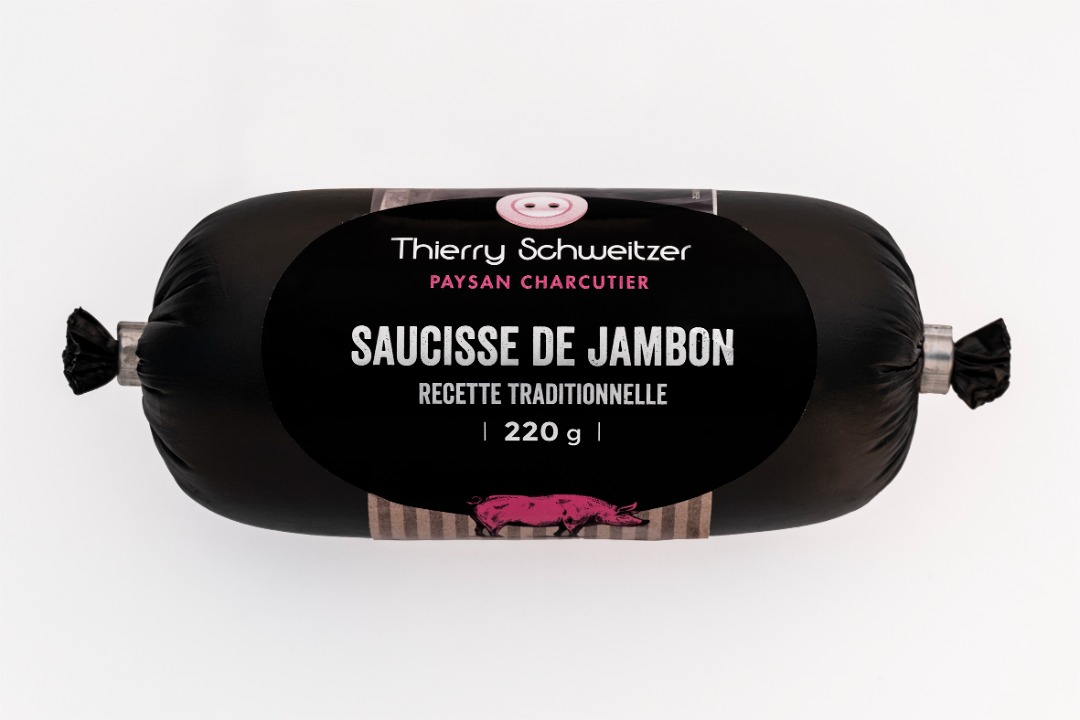
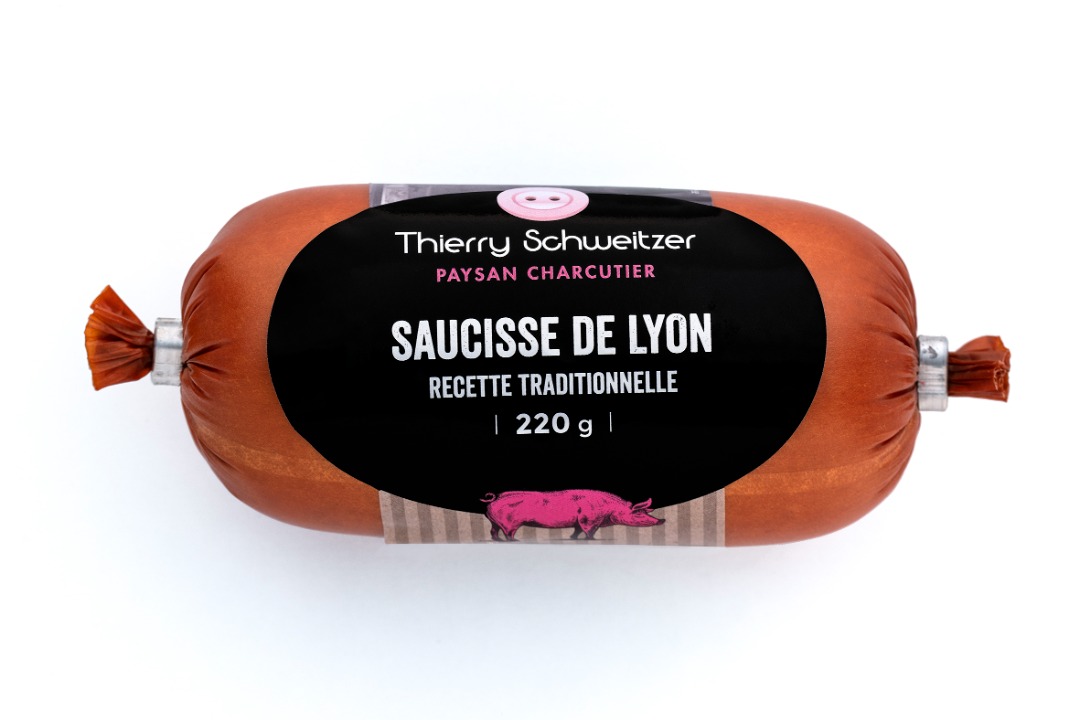
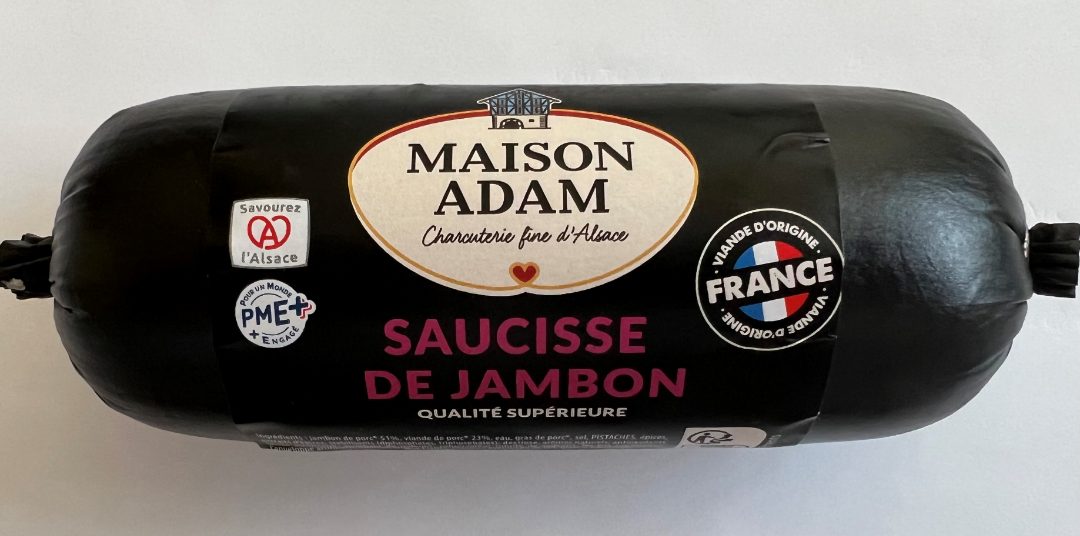
France – Various Sausage Products – Defective casing, leading to the development of mold on the casing and possible contamination of the sausage contained inside the casing.

Gov france

Ham Sausage 250g – Defective casing, leading to the development of mold on the casing and possible contamination of the sausage contained inside the casing

Gov france

Ham sausage – Due to a sealing problem with the artificial casing of one of our suppliers, we are recalling the products concerned.

Gov france

Lyon sausage 250g – Defective casing, leading to the development of mold on the casing and possible contamination of the sausage contained inside the casing

Gov france

Ham sausage – Defective casing, causing possible contamination of the sausage contained inside the casing

Gov france

Lyon sausage – Defective casing, causing possible contamination of the sausage contained inside the casing

Gov france

Superior ham sausage 250g – Defective casing, leading to the development of mold on the casing and possible contamination of the sausage contained inside the casing.