Category Archives: Microbiology

USA – Clostridium Botulinum Outbreak May Be Associated With Canned Soup

Food Poisoning Bulletin

A new Clostridium botulinum outbreak on the USDA’s Core Investigation Table may be associated with canned soup. That pathogen is a risk with low acid canned foods such as canned soup or home canned vegetables.

There is no more information on the table about this outbreak. We do not know the patient case counts, if traceback or sampling is being conducted, or if any facilities are being inspected.

USA – CDC – Food Safety Graphics for Social Media

CDC

Many graphics to use to promote food safety !

Food Safety Education Month logo banner

India – Toll in suspected food poisoning in Dahod rises to eight

India Express

The death toll in a suspected case of food poisoning in Dahod district’s Bhulwan village went up to eight on Wednesday, with one more person succumbing during treatment.

Seven of the 17 affected persons died until Tuesday after allegedly consuming a meal from the concluding ceremony of a nine-day religious event in Bhulwan village on Sunday. While four persons died late Monday, three succumbed Tuesday evening.

According to police, the villagers participated in sacrificing goats at the concluding ceremony of “Jatar” gathering, which is a nine-day religious event held every five years to pray for the well-being of the village.

USA – FSIS – Outbreak Investigations: Response to Botulism and E. coli

Food Poison Journal

FSIS reports that is is following both an E. coli and a Botulism outbreak.

UK – UK dealing with Norovirus and Salmonella outbreaks

Food Safety News

The FSA is investigating an outbreak of norovirus with local authorities and the UKHSA (formerly Public Health England) with a link to oysters from areas in Bournemouth, Christchurch, Poole, and Cornwall. Norovirus is not a notifiable disease in England.

In the other incident, nearly 900 cases of Salmonella have been reported since April 2014 linked to frozen mice used to feed animals including snakes and birds.

At least 139 Salmonella Enteritidis infections have been recorded this year with children particularly affected. Mitigation measures have included retailers providing point-of-sale safety warnings beginning in September but cases continue to be recorded.

USA – FDA Core Investigation Table Updates

FDA

USA – E. coli Illness Linked to Cake Batter: Harlee’s Story

CDC

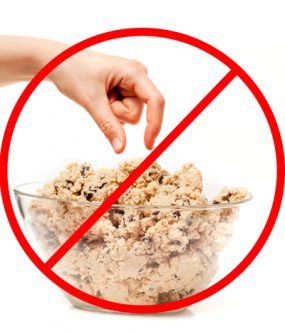
Close up of hands about to taste raw dough

Harlee is a happy, curious, and active 11-year-old who lives in Utah. She loves playing sports like basketball, soccer, and softball and hiking and camping with her dad on the weekends. Harlee also loves baking for her family with her mom, Errin.

One Saturday night in July 2021, Harlee told her mom that she wasn’t feeling well and was having sharp stomach pains. At first, Errin thought it might be strep throat, since it wasn’t unusual for Harlee to experience stomach pain with strep or a sore throat. As the weekend went on, Harlee’s symptoms worsened, and she couldn’t sleep from the pain. On Monday, Errin took her daughter to the doctor, where she was given antibiotics and sent home. However, it soon became clear to Errin that Harlee’s illness was much more serious when her symptoms got worse.

As a parent and a nurse, Errin was desperate to soothe her daughter’s severe pain, but over-the-counter pain medicines weren’t helping. Harlee’s family took her to a second doctor for more tests and eventually headed to the emergency room. Doctors diagnosed Harlee with an E. coli infection. Harlee’s infection was so serious that she was admitted to the hospital, where she stayed for three days. “It was really scary. When we finally took her to the hospital, she was crying, and wouldn’t stop crying. I just wanted someone to fix her,” said Errin.

While Harlee was in the hospital, Errin got a call from the local health department. They told her that Harlee’s E. coli infection was part of a multistate outbreak linked to cake mix that made 16 people sick in 12 states. “That’s when they started asking me about cake mix,” Errin recalled. “I would not have even thought about that.”

Harlee baked a cake the week before her symptoms started, but before putting the cake in the oven, she tasted some of the raw batter. “I knew you could get sick from raw eggs, but I would have never thought flour in cake mix,” said Errin.

Outbreaks from flour, a raw ingredient in cake mix, have happened before. In 2016 and 2019, CDC investigated E. coli outbreaks linked to flour that led to over 80 people getting sick and 20 people hospitalized. Raw ingredients, like flour and eggs, in cake batter and dough can contain harmful germs that can make you sick. E. coli infections can be serious, especially for children who are more likely to develop severe illness.

After she was released from the hospital, it took some time for Harlee to fully recover from her infection. “It was scary. She was just praying that she would make it through,” said Errin. Thankfully, Harlee made a full recovery and is back to enjoying sports and the outdoors with her family.

Harlee and Errin are telling their story to help other families avoid going through what they experienced. When you bake, don’t eat or taste raw dough or batter. It’s not worth the risk and can make you seriously sick. “It tastes good, but it’s not worth it!” Harlee said.

Hong Kong – Food Safety by Events and Seasons

CFS

It is warm and cosy for a family to gather around a hotpot and have a nice little chat while cooking their favourite food in a chilly winter. The recipe for healthy and yummy hotpot includes careful choice of ingredients and good food and personal hygiene.

When purchasing hotpot ingredients, you are advised to buy food from reliable suppliers, and fresh food is the food of choice. Make sure that the packaging of the prepackaged food is intact and check the expiry date on the food label.

After bringing the hotpot ingredients home, most of them should be stored in a refrigerator at 4℃ or below, while frozen food should be stored in a freezer at -18℃. Do not thaw frozen food at room temperature as bacteria may multiply rapidly. Better defrost in a refrigerator or under running tap water.

Food and personal hygiene must be observed during food preparation. After handling raw food, wash hands thoroughly before handling cooked food in order to prevent cross-contamination. All food ingredients must be washed thoroughly. When washing vegetables, pick off the outer leaves, then wash vegetables thoroughly under clean running water. When appropriate, scrub produces with hard surfaces with a clean produce brush to remove dirt and substances from the surface and the fissures. Poultry meat, pork and beef should be washed and cut into thin slices to facilitate thorough cooking. The shells of shellfish should be scrubbed and rinsed, and their internal organs removed.

Take caution if you are one of those who like to have eggs as hotpot ingredients. Not to consume eggs with cracked shells as they are prone to be contaminated by pathogens. Eggs stained with dirt must be washed thoroughly. Wash hands thoroughly after handling or coming into contact with eggs. Also, do not dip cooked food into raw eggs before consumption as pathogens may be present inside these eggs.

When cooking food in the hotpot, use two sets of chopsticks and utensils to handle raw and cooked food respectively. Whenever water or soup is added to the pot, wait until it is boiling hot before adding food. Most importantly, food must be thoroughly cooked. Seafood should be boiled for at least five minutes. Sliced poultry meat and pork should also be thoroughly cooked before consumption.

Finally, you should pay equal attention to healthy eating apart from safe eating. When enjoying hotpot, beware of the quantity of food and maintain a balanced diet. Eat more vegetables with high dietary fibre.

Hong Kong – Raw Oysters and Food Safety

CFS

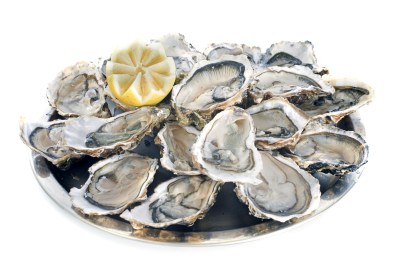
french oysters

It is getting cold and winter is the traditional season for savouring oysters. There are different ways to enjoy oysters, including deep fried, hot-pot and some members of the public may choose to eat raw oysters. If consumers choose to eat raw oysters, they should be aware of the associated risk. Due to their specific growing nature, oysters can be easily contaminated by pathogens (including bacteria and viruses) and chemical contaminants. Consumption of raw oysters contaminated with pathogens may cause food poisoning, affecting our health.

Consumers who choose to eat raw oysters are advised to take note of the following food safety tips:

  • Susceptible populations (the elderly, young children, pregnant women and people with weakened immune systems or liver diseases) should avoid taking raw oysters.
  • Eating raw oysters carries inherent food safety risk. To minimise the impact on health, raw oysters should only be consumed in or obtained from reliable licensed premises.
  • Consumers choose to eat raw oysters are reminded to apply the Five Keys to Food Safety to mitigate the risk.
  • For oysters intended for consumption after cooking, never eat them raw.

Hong Kong – Hotpot Safely at Restaurants

CFS

In winter time, hotpot is a popular choice when we dine out with friends. With a great variety of hotpot ingredients, consumers can choose whatever they like to eat. However, if hotpot ingredients are not handled properly or cooked thoroughly, we will ingest not only food but also viruses or bacteria that can cause food poisoning.

When enjoying hotpot at restaurants, we should apply 5 Keys to Food Safety (i.e. Choose, Clean, Separate, Cook and Safe Temperature) from selection of a restaurant to handling and cooking of food in order to ensure food safety.

First, we should choose a reliable restaurant. A reliable restaurant could not only offer a pleasant dining environment, but also provide safe food to customers. When choosing a restaurant, we should pay attention to the hygiene of its environment, the storage conditions of food, personal hygiene of the staff, etc. as these are the criteria for determining whether it is a good choice.

When enjoying hotpots at restaurants, we should keep hands and utensils clean. Before handling food ingredients and eating, wash hands thoroughly with warm water and soap for 20 seconds and dry them with paper towel. If there is a wound on your hand, wrap it properly and avoid direct contact with the food.

When cooking, we must handle raw and cooked food with extra care and separate them completely. Do not put too many dishes on the table to avoid food-to-food cross-contamination. Also, it is preferable to use separate sets of chopsticks and utensils with different appearances to handle raw and cooked food respectively.

Cooking thoroughly is the most important principle for enjoying hotpot safely. Whenever water or soup is added, take food out of the pot only after it is boiling hot. Seafood should be boiled for at least five minutes and ensure that all foods are cooked thoroughly before consumption. As raw eggs are on offer as hotpot ingredient or ready-to-eat food in many restaurants, customers must check the conditions of eggs. Eggs with cracked shells should be discarded immediately as they are prone to be contaminated by pathogens. Wash hands thoroughly after coming into contact with eggs. Do not consume cooked food that are mixed with raw eggs as pathogens may be present in raw eggs.

If you take leftovers home from a restaurant, cool them quickly and put them in the refrigerator within two hours. Also, leftovers should not be kept in the refrigerator for longer than three days or reheated more than once.