
KSWFoodWorld
Category Archives: Microbiology Risk
USA – Papa Murphy’s Cookie Dough Salmonella Outbreak
Posted in food bourne outbreak, Food Illness, Food Micro Blog, Food Microbiology, Food Microbiology Blog, Food Microbiology Research, Food Microbiology Testing, Foodborne Illness, foodborne outbreak, foodbourne outbreak, Illness, microbial contamination, Microbial growth, Microbiological Risk Assessment, Microbiology, Microbiology Investigations, Microbiology Risk, outbreak, Salmonella
USA – Salmonella Outbreaks Linked to Backyard Poultry
Public health officials are investigating multistate outbreaks of Salmonella linked to contact with backyard poultry. Any backyard poultry can carry Salmonella germs that can make you sick. Always take steps to stay healthy around your flock.
Fast Facts
- Illnesses: 104
- Hospitalizations: 19
- Deaths: 0
- States: 31
- Investigation status: Active
Backyard Poultry and Salmonella
Backyard poultry, like chickens and ducks, can carry Salmonella germs even if they look healthy and clean. These germs can easily spread to anything in the areas where the poultry live and roam.
You can get sick from touching your backyard poultry or anything in their environment and then touching your mouth or food and swallowing Salmonella germs.
What Backyard Flock Owners Should Do
- Wash your hands
- Always wash your hands with soap and water immediately after touching backyard poultry, their eggs, or anything in the area where they live and roam.
- Use hand sanitizer if soap and water are not readily available. Consider keeping hand sanitizer at your coop.
- Be safe around backyard flocks
- Don’t kiss or snuggle backyard poultry, and don’t eat or drink around them. This can spread Salmonella germs to your mouth and make you sick.
- Keep your backyard flock and supplies you use to care for them (like feed containers and shoes you wear in the coop) outside of the house. You should also clean the supplies outside the house.
- Supervise kids around flocks
- Always supervise children around backyard poultry and make sure they wash their hands properly afterward.
- Don’t let children younger than 5 years touch chicks, ducklings, or other backyard poultry. Young children are more likely to get sick from germs like Salmonella.
- Handle eggs safely
- Collect eggs often. Eggs that sit in the nest can become dirty or break.
- Throw away cracked eggs. Germs on the shell can more easily enter the egg through a cracked shell.
- Rub off dirt on eggs with fine sandpaper, a brush, or a cloth. Don’t wash eggs because colder water can pull germs into the egg.
- Refrigerate eggs to keep them fresh and slow the growth of germs.
- Cook eggs until both the yolk and white are firm, and cook egg dishes to an internal temperature of 160°F to kill all germs.
Call your healthcare provider right away if you have any of these severe symptoms:
- Diarrhea and a fever higher than 102°F
- Diarrhea for more than 3 days that is not improving
- Bloody diarrhea
- So much vomiting that you cannot keep liquids down
- Signs of dehydration, such as:
- Not peeing much
- Dry mouth and throat
- Feeling dizzy when standing up
Posted in Decontamination Microbial, Food Illness, Food Micro Blog, Food Microbiology, Food Microbiology Blog, Food Microbiology Testing, Foodborne Illness, foodborne outbreak, foodbourne outbreak, Illness, microbial contamination, Microbial growth, Microbiological Risk Assessment, Microbiology, Microbiology Investigations, Microbiology Risk, outbreak, Salmonella, Salmonella in Chicken
UK – 50 sick in Cryptosporidium outbreak linked to farm

Fifty cases of Cryptosporidium have been traced to a farm on an island off the south coast of England.
The UK Health Security Agency (UKHSA)’s South East branch has tried to contact people who visited Hazelgrove Farm from April to the start of May on the Isle of Wight.
People are thought to have become sick after coming into contact with animals. The farm halted animal petting activity in early May.
No ongoing risk
Dr. Anand Fernandes, the health protection consultant for UKHSA South East, said there is no ongoing risk to the public associated with the farm.
Posted in Contaminated water, Cryptosporidiosis, Cryptosporidium, food bourne outbreak, Food Illness, Food Micro Blog, Food Microbiology, Food Microbiology Blog, Food Microbiology Research, Food Microbiology Testing, Foodborne Illness, foodborne outbreak, foodbourne outbreak, Illness, microbial contamination, Microbial growth, Microbiological Risk Assessment, Microbiology Investigations, Microbiology Risk, outbreak, water microbiology, Water Safety
Research – Salmonella Outbreak Linked to Raw Cookie Dough
Fast Facts
- Illnesses: 18
- Hospitalizations: 2
- Deaths: 0
- States: 6
- Recall: No
- Investigation status: Active
Contaminated Food
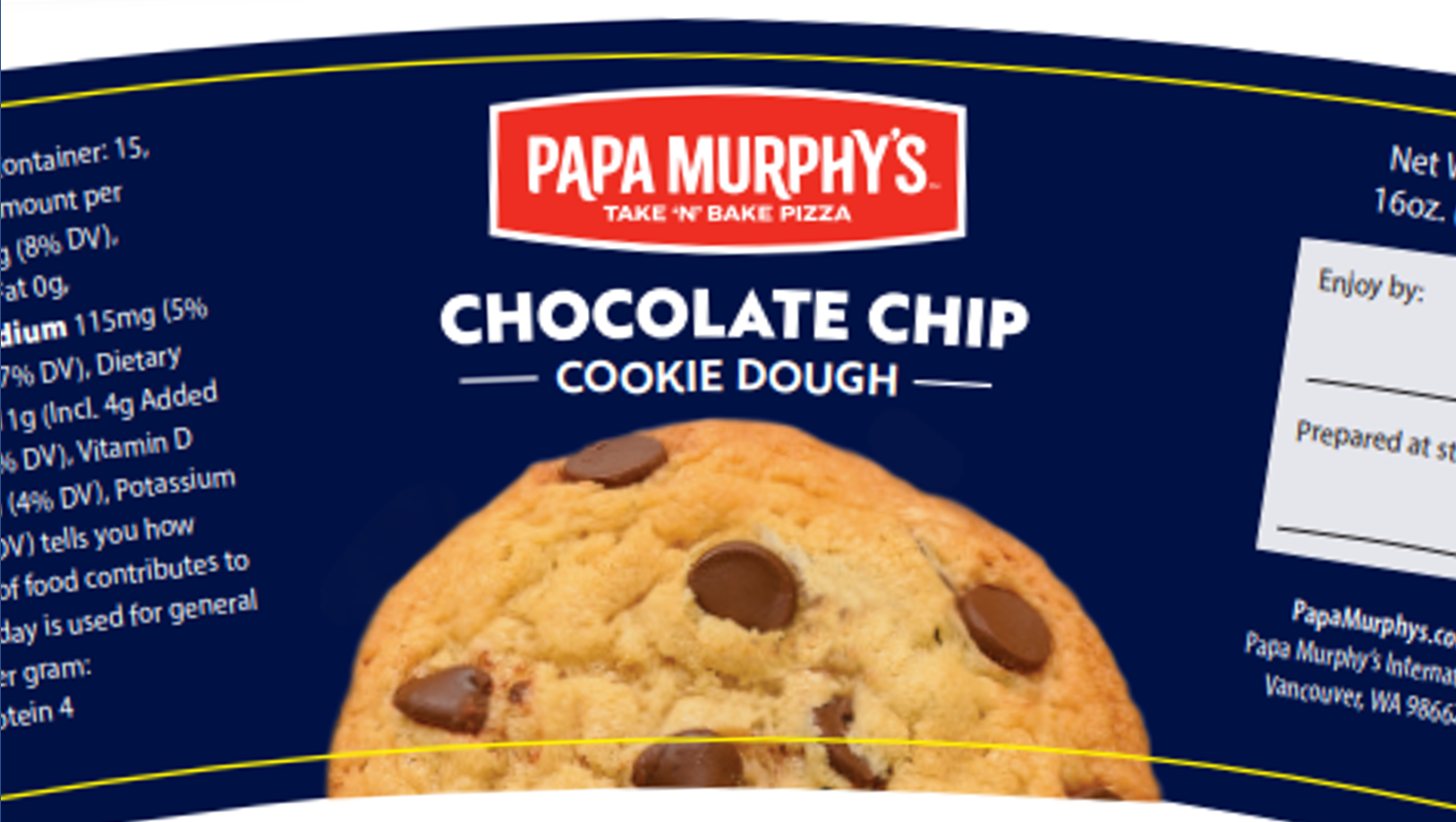
Papa Murphy’s raw cookie dough:
- Chocolate chip cookie dough
- S’mores bars dough
Nine sick people reported eating raw cookie dough from Papa Murphy’s Take ‘N’ Bake Pizza in the week before they got sick. Based on this information, Papa Murphy’s has temporarily stopped selling their raw chocolate chip cookie dough and raw S’mores bars dough.
At least two sick people did not eat at Papa Murphy’s. Investigators are working to identify the contaminated ingredient in the raw cookie dough.
What You Should Do
- Check your refrigerator and freezer for Papa Murphy’s chocolate chip cookie dough or S’mores bars dough.
- Throw the dough away, even if you didn’t get sick after eating some of it.
- Wash items and surfaces that may have touched the dough using hot soapy water or a dishwasher.
- Always follow cookie dough baking instructions in the recipe or on the package label.
- Papa Murphy’s chocolate chip cookie dough and S’mores bars dough are not meant to be eaten raw.
- Most raw cookie dough is made with unpasteurized eggs or raw flour and can have germs like Salmonella and E. coli.
- Some other companies make edible cookie dough that does not have to be baked. These products are made with heat-treated flour and pasteurized eggs or no eggs. Read the label carefully to make sure the dough is meant to be eaten without baking or cooking.
- Call a healthcare provider if you have any of these severe Salmonella symptoms:
- Diarrhea and a fever higher than 102°F
- Diarrhea for more than 3 days that is not improving
- Bloody diarrhea
- So much vomiting that you cannot keep liquids down
- Signs of dehydration, such as:
- Not peeing much
- Dry mouth and throat
- Feeling dizzy when standing up
Symptoms of Salmonella
- Most people infected with Salmonella experience diarrhea, fever, and stomach cramps.
- Symptoms usually start 6 hours to 6 days after swallowing the bacteria.
- Most people recover without treatment after 4 to 7 days.
- Some people—especially children younger than 5 years, adults 65 years and older, and people with weakened immune systems—may experience more severe illnesses that require medical treatment or hospitalization.
- For more information about Salmonella, see the Salmonella Questions and Answers page.
Posted in CDC, food bourne outbreak, Food Illness, Food Micro Blog, Food Microbiology, Food Microbiology Blog, Food Microbiology Research, Food Microbiology Testing, Foodborne Illness, foodborne outbreak, foodbourne outbreak, Illness, microbial contamination, Microbial growth, Microbiological Risk Assessment, Microbiology, Microbiology Investigations, Microbiology Risk, outbreak, Salmonella
Research – Potential of Essential Oils in the Control of Listeria monocytogenes
Abstract
Listeria monocytogenes is a foodborne pathogen, the causative agent of listeriosis. Infections typically occur through consumption of foods, such as meats, fisheries, milk, vegetables, and fruits. Today, chemical preservatives are used in foods; however, due to their effects on human health, attention is increasingly turning to natural decontamination practices. One option is the application of essential oils (EOs) with antibacterial features, since EOs are considered by many authorities as being safe. In this review, we aimed to summarize the results of recent research focusing on EOs with anti listerial activity. We review different methods via which the anti listerial effect and the antimicrobial mode of action of EOs or their compounds can be investigated. In the second part of the review, results of those studies from the last 10 years are summarized, in which EOs with anti listerial effects were applied in and on different food matrices. This section only included those studies in which EOs or their pure compounds were tested alone, without combining them with any additional physical or chemical procedure or additive. Tests were performed at different temperatures and, in certain cases, by applying different coating materials. Although certain coatings can enhance the anti listerial effect of an EO, the most effective way is to mix the EO into the food matrix. In conclusion, the application of EOs is justified in the food industry as food preservatives and could help to eliminate this zoonotic bacterium from the food chain.
India -Over 100 Wedding Guests Hospitalized Amid Suspected Food Poisoning
Dozens of people were admitted to hospital in India over the weekend after suspected food poisoning at a wedding function on May 17.
The exact numbers remain uncertain, but as many as 135 guests have been hospitalized, the Hindu reported, adding that many of them are children.
The wedding took place in Kalady, in the Malappuram district in Kerala. The following day, many of the guests began experiencing symptoms of diarrhea, vomiting and fever and many were admitted to hospital on May 19, health officials said. No one is said to be in a critical condition.
According to local reports, last Wednesday’s wedding wasn’t the only mass food poisoning incident last week. Roughly 60 guests at a wedding in a neighboring district, including a pregnant woman, were hospitalized on Sunday afternoon due to food poisoning, which the guests claim was caused by a fish curry.
Posted in Food Illness, Food Micro Blog, Food Microbiology, Food Microbiology Blog, Food Microbiology Research, Food Microbiology Testing, Food Poisoning, Foodborne Illness, Illness, microbial contamination, Microbial growth, Microbiological Risk Assessment, Microbiology, Microbiology Investigations, Microbiology Risk
India – Suspected food poisoning: Over 75 people seek treatment after feast at EKM wedding.
Udayamperoor: Over 75 people have fallen ill after consuming food at a wedding reception in Malekadu in Ernakulam food poisoning is suspected
Research “Forbidden Fish”: Did King Henry I Die of Lamprey Poisoning or Listeria monocytogenes?
Abstract
For centuries, the sudden and mysterious death of King Henry I has been attributed to a large meal of lampreys that accidentally poisoned the unfortunate monarch. In this article, we conclude that lampreys were likely not the cause of the king’s illness, nor is it likely that he was deliberately poisoned. Although a wide variety of abdominal pathologies could have been responsible, we suggest that a sporadic central nervous system (CNS) infection of Listeria monocytogenes appears to be the most likely cause of Henry’s death, correlating with both his symptoms and rapid decline.
Posted in Decontamination Microbial, food death, Food Illness, Food Micro Blog, Food Microbiology, Food Microbiology Blog, Food Microbiology Research, Food Microbiology Testing, Foodborne Illness, Foodborne Illness Death, Illness, Listeria, Listeria monocytogenes, microbial contamination, Microbial growth, Microbiological Risk Assessment, Microbiology, Microbiology Investigations, Microbiology Risk
Research – Scientists develop “rapid” Salmonella detector
A team of researchers have been working on a device that they claim can detect the presence of salmonella in food.
According to the team, the device is an “easy-to-use” colorimetric assay that is based on a novel nucleic acid probe, cleaved by an RNase enzyme specific to the salmonella species. The researchers have said that this specific enzymatic cleavage principle “made it possible to build a sensitive but simple and portable test system using colloidal gold”.
Aremenia – 16 children with food poisoning ate boiled eggs, yogurt soup, pea soup, pasta pilaf in Armenia kindergarten
At 10:30pm Thursday, the Ararat provincial center of the Food Safety Inspection Body (FSIB) of Armenia received a verbal report from the National Center for Disease Control and Prevention that six children, aged 3 to 4 years old, attending a nursery kindergarten in Artashat city were transferred to the Artashat hospital, with signs of food poisoning, FSIB noted in a statement.
One child was taken to Muratsan hospital in Yerevan.
But as of 10:30am Friday, the number of kids from the aforesaid kindergarten who were hospitalized had reached 16, and two of them are in the infectious disease ward.
The children are in satisfactory condition.
Initial diagnosis was unverified food poisoning and vomiting.
Samples were taken from the food on Thursday’s menu (boiled eggs, yogurt soup, pea soup, pasta pilaf) of this kindergarten. The samples have been submitted for lab tests, and the respective results will be announced later.
Posted in food bourne outbreak, Food Illness, Food Micro Blog, Food Microbiology, Food Microbiology Blog, Food Microbiology Research, Food Microbiology Testing, Foodborne Illness, foodborne outbreak, foodbourne outbreak, Illness, microbial contamination, Microbial growth, Microbiological Risk Assessment, Microbiology, Microbiology Investigations, Microbiology Risk, outbreak

 FoodWorld