Category Archives: Microbiology Risk

Research – Global commodity chains: The numerous stations to greater feed and food safety

BFR

How can the origin of foodborne disease outbreaks be identified and traced? How is information on the history of food and feed collected, processed and used for risk assessment? And which role does artificial intelligence play for food safety in global commodity chains? These are some of the questions that will be addressed during the international conference “Global commodity chains from a risk assessment perspective” from 27 to 29 May 2024. The German Federal Institute for Risk Assessment (BfR), which has been working on the topic of global commodity chains for a long time, is the organiser of this event and is offering a platform for (inter)national experts to learn from each other. “Analysing global commodity chains and their dynamics is of central importance for consumer health protection. Thanks to regular exchanges with national and international stakeholders, the BfR is gathering more and more knowledge about global commodity chains and their risks for feed and food safety”, says BfR president Professor Dr Dr Dr h.c. Andreas Hensel. The event will focus on innovative techniques and digital solutions for integrating data and knowledge about hazards, exposures and technologies in global commodity chains.

Programme and registration: https://www.bfr-akademie.de/english/gwk2024.html

Over the three days of the conference, international experts from the fields of feed and food chains, digitalisation and consumer health protection will come together to exchange views on current developments. The aim is to develop visions for improved risk assessment along the feed and food chain. The importance of the topic of commodity chains will be considered from different perspectives.

Nine different sessions will focus on topics such as traceability, fraud, food safety, early warning, technologies, analytical methods and classification systems along the global supply chain. Participants from all over the world will give presentations and share their knowledge.

The conference will be opened by guest perspectives of representatives of authorities from France (Agence nationale de sécurité sanitaire de l’alimentation, de l’environnement et du travail, ANSES) and South Korea (National Institute of Food and Drug Safety Evaluation, NIFDS). The exchange between the BfR and the two partner institutions takes place every two years on specific key topics of risk assessment, this year as part of the commodity chain conference.
Research – Microbial community structure of plant-based meat alternatives.

Nature

A reduction in animal-based diets has driven market demand for alternative meat products, currently raising a new generation of plant-based meat alternatives (PBMAs). It remains unclear whether these substitutes are a short-lived trend or become established in the long term. Over the last few years, the trend of increasing sales and diversifying product range has continued, but publication activities in this field are currently limited mainly to market research and food technology topics. As their popularity increases, questions emerge about the safety and nutritional risks of these novel products. Even though all the examined products must be heated before consumption, consumers lack experience with this type of product and thus further research into product safety, is desirable. To consider these issues, we examined 32 PBMAs from Austrian supermarkets. Based on 16S rRNA gene amplicon sequencing, the majority of the products were dominated by lactic acid bacteria (either Leuconostoc or Latilactobacillus), and generally had low alpha diversity. Pseudomonadota (like Pseudomonas and Shewanella) dominated the other part of the products. In addition to LABs, a high diversity of different Bacillus, but also some Enterobacteriaceae and potentially pathogenic species were isolated with the culturing approach. We assume that especially the dominance of heterofermentative LABs has high relevance for the product stability and quality with the potential to increase shelf life of the products. The number of isolated Enterobacteriaceae and potential pathogens were low, but they still demonstrated that these products are suitable for their presence.

Research – Microbiological Risks of Traditional Raw Cow’s Milk Cheese (Koryciński Cheeses)

MDPI

Abstract

Traditional and regional foods have been increasing in popularity among consumers in Poland for many years. The observed trend of searching for natural and authentic taste encourages many producers to craft products from raw milk, including Koryciński cheeses. The aim of this study was to assess the microbiological hazards resulting from the presence of pathogenic bacteria in Koryciński cheeses available in retail trade. The tests were carried out using accredited methods, including the detection of the presence of Salmonella spp., the enumeration of Listeria monocytogenes, the enumeration of coagulase-positive staphylococci, and the detection of staphylococcal enterotoxins in food when the number of coagulase-positive staphylococci in the sample exceeded the limit of 105 cfu/g. The research material consisted of 45 Koryciński cheeses. The tests conducted revealed that Salmonella spp. was not detected in any of the examined cheeses. However, coagulase-positive staphylococci were present in 68.9% of the samples. In as many as 15 tested cheeses, the level of S. aureus contamination was above 105 cfu/g; therefore, these samples were tested for the presence of staphylococcal enterotoxins. The presence of staphylococcal enterotoxins was found in one Koryciński cheese. In four cheeses, the number of L. monocytogenes exceeded the level of 102 cfu/g, the limit specified in Regulation 2073/2005 on microbiological criteria for foodstuffs. The obtained research results confirm the validity of monitoring the microbiological quality of Koryciński cheeses and the need to increase awareness of ensuring proper hygienic conditions of production, including the increased risk associated with unpasteurized milk products.

Research – Changes in the Quality and Microbial Communities of Precooked Seasoned Crayfish Tail Treated with Microwave and Biological Preservatives during Room Temperature Storage

MDPI

Abstract

The qualities of precooked foods can be significantly changed by the microorganisms produced during room temperature storage. This work assessed the effects of different antibacterial treatments (CK, without any treatment; microwave treatment, MS; microwave treatment and biological preservatives, MSBP) on the physicochemical properties and microbial communities of precooked crayfish tails during room temperature storage. Only the combination of microwave sterilization and biological preservatives significantly inhibited spoilage, as evidenced by the total viable count (4.15 log CFU/g) after 3 days of room temperature storage, which satisfied the transit time of most logistics companies in China. Changes in pH and TVB-N were also significantly inhibited in the MSBP group compared with those in the CK and MS groups. More than 30 new volatile compounds were produced in the CK groups during room temperature storage. However, in the MSBP groups, the volatile compounds were almost unchanged. The correlations between the microbial composition and volatile compounds suggested that specific bacterial species with metabolic activities related to amino acid, energy, cofactor, and vitamin metabolism, as well as xenobiotics biodegradation and metabolism, were responsible for the changes in volatile compounds. These bacteria included Psychrobacter, Arthrobacter, Facklamia, Leucobacter, Corynebacterium, Erysipelothrix, Devosia, Dietzia, and Acidovorax. Overall, our findings provide a foundation for the development of strategies to inhibit spoilage in precooked crayfish tails stored at room temperature.

Denmark Update – Outbreak of invasive Listeria infection sequence type 1607

SSI

The Statens Serum Institut is currently investigating a protracted disease outbreak with Listeria monocytogenes in collaboration with the Danish Veterinary and Food Administration and the Norwegian Food Institute DTU

A total of 17 people have been infected with the same type of listeria since the summer of 2019 (figure 1). The patients are 13 women and 4 men with a median age of 73 years, with one patient in their 20s and four in their 80s. The patients live throughout the country (table 1). All have been hospitalized. Two people have died within 30 days of detection of the infection.

The outbreaks are handled by the Central Outbreak Group, which consists of SSI, the Danish Veterinary and Food Administration and the DTU Food Institute. SSI stands for whole-genome sequencing of patients’ listeria isolates and interviews with patients or relatives with a view to identifying a possible source of infection. Since there are also people abroad who have become ill with listeria sequence type 1607, the international authorities are working on an international overview.

Research – Effect of food environment on the ability of microorganisms to form biofilms

Wiley Online

Abstract

The aim of this study is to understand the effect of the food product’s, even in trace amounts, in the biofilm formation potential of Escherichia coli and Staphylococcus aureus. Bacterial adhesion was tested using three different food media, in which bacterial cells were adapted before determining how this would affect their adhesion score and biofilm formation potential: sterilized milk, mineral water, and pasteurized commercial orange juice. After characterization of the bacteria and the adhesion support by the contact angle, the adhesion score obtained by the theoretical mathematical model XDLVO developed by van Oss was compared to that obtained by the experimental approach, in order to examine the role of non-specific (thermodynamic) and specific (biological) interactions in adhesion. Changes in the membrane composition of bacteria, as a function of acclimation conditions, were evaluated by infrared spectroscopy. Results reveal variability in the spectral region between 900 and 1200 cm−1 specific to capsular polysaccharides (CPS) or lipopolysaccharides (LPS), and also in the range between 2800 and 3000 cm−1 characteristic of membrane lipids and phospholipids. Biofilm formation by S. aureus and E. coli was affected by commercial UHT milk. This led to increased hydrophobicity and total adhesion energy within the environment of these strains. However, no correlation was observed between the adhesion scores obtained through experimental and theoretical approaches. This underscores the necessity of considering the specific characteristics of individual food products in understanding the phenomenon of biofilm formation. Understanding, the mechanism, the variations in bacterial surface characteristics, and the conditions that favor or disadvantage the formation of biofilms, may have important implications, in the development of preventive and curative strategies, to control of food-borne infections.

EU proposes change to Listeria in RTE food rules

Food Safety News

The European Commission has published long-awaited plans to update the rules around Listeria monocytogenes in ready-to-eat (RTE) foods.

The draft regulation removes a section about the absence of Listeria in 25-grams before food has left the immediate control of the food business operator who has produced it.

It now states that Listeria monocytogenes not detected in 25-grams should apply to all situations where foods are placed on the market during their shelf-life and for which the producing food business has not been able to demonstrate, to the satisfaction of the relevant authority, that the level of Listeria will not exceed the limit of 100 colony forming units per gram (CFU/g) throughout their shelf-life.

Comment period
To allow food businesses time to adapt their practices and procedures to the new requirement, the earliest the regulation will become applicable is January 2026. Comments on the proposals are open until May 8, 2024.

Taiwan – Rare toxin suspected in 14 severe cases of food poisoning – Bongkrek acid is a toxin produced by the bacterium Burkholderia gladioli

Radio Taiwan International

14 severe cases of suspected food poisoning have been reported so far, including two deaths and five people currently hospitalized in critical condition. In a Legislature interview on Thursday, Health Minister Hsueh Jui-yuan (薛瑞元) stated that, after discussions with experts, the incident was highly likely caused by Bongkrek acid contamination and testing is currently underway.

Bongkrek acid is a toxin produced by the bacterium Burkholderia gladioli pathovar cocovenenans occasionally found in fermented coconut or corn. When consumed, symptoms can include vomiting, diarrhea, urinary retention, abdominal pain, and excessive sweating as the toxin mainly targets the liver, brain, and kidneys.

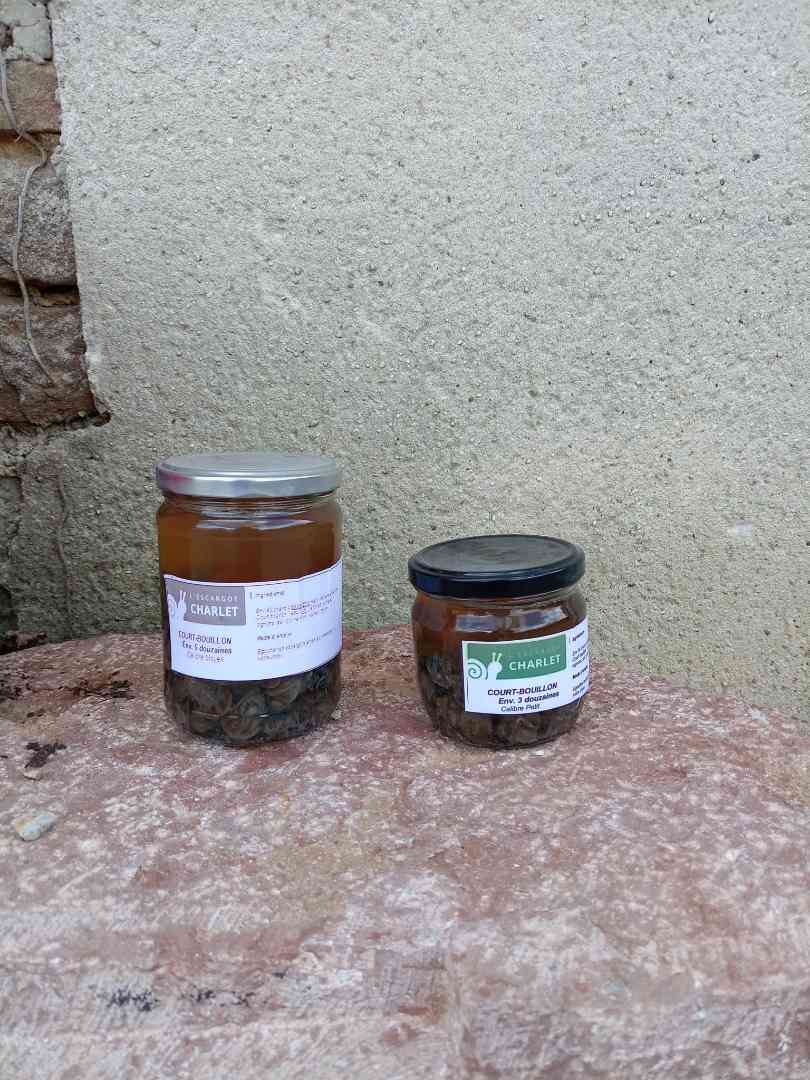
France – Court-bouillon snails – Possible Micro Issues – Manufacturing Defects

Gov France

Product category
Food
Product subcategory
Others
Product brand name
charlet snail
Model names or references
short broth verrine
Product identification
Batch Date
LOT 1529 Use-by date 11/30/2025
Packaging
verrine 580TO82 / verrine 370TO82
Start/end date of marketing
From 01/12/2023 to 15/12/2023
Storage temperature
Product to be stored at room temperature
Health mark
FR 25056058CE
Geographical sales area
Regions: Burgundy-Franche-Comté
Distributors
charlet snail

Finland – Meat products linked to the majority of Hepatitis E cases in Finland

Food Safety News

A hepatitis E-positive meat product appears to be behind most of the infections that occurred earlier this year in Finland.

The hepatitis E virus previously detected in sausages from a domestic manufacturer is similar to samples from most people affected by the outbreak at the start of 2024.

This was found during a strain comparison of viruses by the Finnish Food Authority (Ruokavirasto) and the National Institute of Health and Welfare (THL).

More than 120 people from different parts of Finland have fallen ill in the outbreak between January and March.