
Pork cheek terrine with Charcenne wine
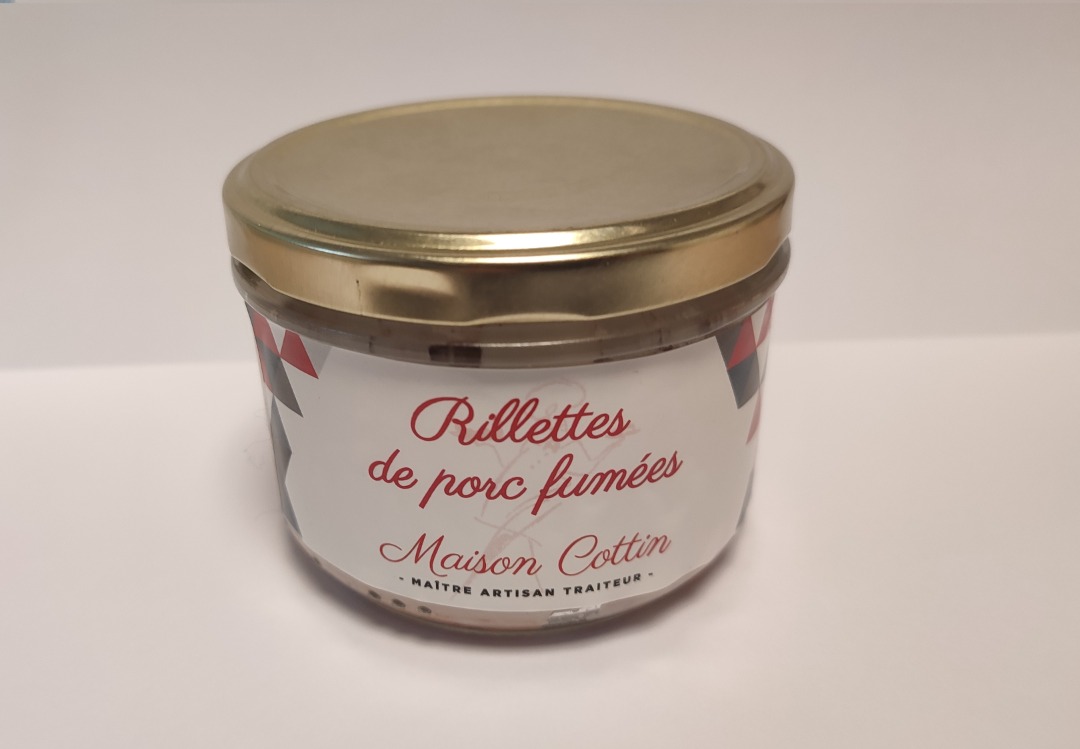
Smoked pork rillettes

Rabbit terrine with snails

Forest poultry terrine

Provençal-style veal terrine
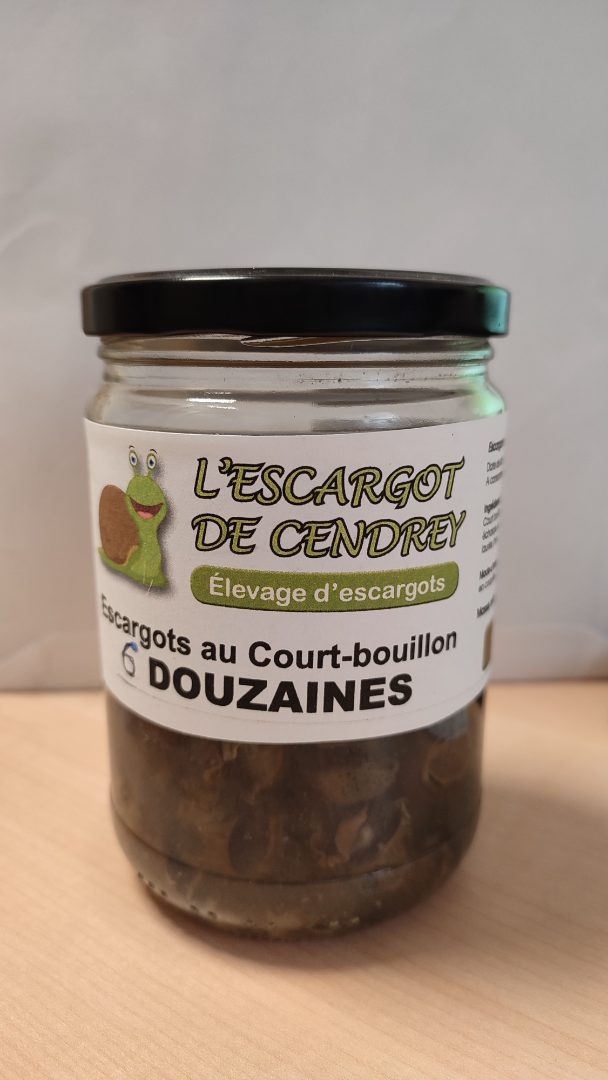
Snails in Court Bouillon

Pork cheek terrine with Charcenne wine
Smoked pork rillettes
Rabbit terrine with snails
Forest poultry terrine
Provençal-style veal terrine
Snails in Court Bouillon
A group led by researchers at Nagoya University and Meijo University in Japan has developed a disinfection technology that uses low-temperature plasma generated by electricity to cultivate environmentally friendly hydroponically grown crops. This innovative technology sterilizes the crops, promoting plant growth without the use of chemical fertilizers. Their findings appeared in Environmental Technology & Innovations.
In hydroponic agriculture, farmers cultivate plants by providing their roots with a nutrient solution.
However, the nutrient solution can become infected with pathogenic E. coli strains, contaminating the crop and leading to foodborne illnesses.
Posted in Decontamination Microbial, E.coli, Food Micro Blog, Food Microbiology, Food Microbiology Blog, Food Microbiology Research, Food Microbiology Testing, Food Technology, microbial contamination, Microbial growth, Microbiological Risk Assessment, Microbiology, Microbiology Investigations, Microbiology Risk, Research, Technology
Rabat – The National Office for Food Safety in Morocco (ONSSA) confirmed on Friday that Moroccan strawberries exported to Europe have been cleared of Hepatitis A virus contamination, following an extensive investigation.
The statement from the office comes after the Rapid Alert System for Food and Feed (RASFF) was triggered in Europe and raised concerns over the safety of Moroccan strawberries, alleging the presence of the Hepatitis A virus.
In the wake of the alert, ONSSA carried out extensive analysis. The results showed that strawberries tested negative for both Hepatitis A and Norovirus.
Posted in Food Micro Blog, Food Microbiology, Food Microbiology Blog, Food Microbiology Research, Food Microbiology Testing, Hepatitis A, microbial contamination, Microbiological Risk Assessment, Microbiology, Microbiology Investigations, Microbiology Risk, Norovirus, Norovirus Soft Fruits, Research
Posted in Food Micro Blog, Food Microbiology, Food Microbiology Blog, Food Microbiology Research, Food Microbiology Testing, Listeria, Listeria monocytogenes, Listeria Smoked Fish, listeriosis, microbial contamination, Microbial growth, Microbiological Risk Assessment, Microbiology, Microbiology Investigations, Microbiology Risk, Research
France reported a record high number of foodborne outbreaks in 2022, according to recently released data.
Notified outbreaks were at their highest since the start of surveillance in 1987 and continued the upward trend observed before the COVID-19 pandemic.
In 2022, 1,924 outbreaks were declared, affecting 16,763 people, of whom 643 went to hospital, and 17 died, said Santé publique France.
For 376 outbreaks, a pathogen could be confirmed in the food or in at least one sick person. A pathogen was suspected without microbiological confirmation for 1,260 outbreaks. For 288 outbreaks, no infectious agent was identified or suspected.
Posted in food bourne outbreak, Food Micro Blog, Food Microbiology, Food Microbiology Blog, Food Microbiology Research, Food Microbiology Testing, Food Pathogen, foodborne outbreak, foodbourne outbreak, microbial contamination, Microbial growth, Microbial Spoilage, Microbiological Risk Assessment, Microbiology, Microbiology Investigations, Microbiology Risk, outbreak, Pathogen, pathogenic
Brand : Gianni Negrini srl
Name : VITEL TONNE – slices of cooked adult bovine meat in tuna sauce
Reason for reporting : Recall due to microbiological risk
Publication date : 16 February 2024

Introduction: Shiga toxin-producing Escherichia coli (STEC) O157:H7 is one of the notorious foodborne pathogens causing high mortality through the consumption of contaminated food items. The food safety risk from STEC pathogens could escalate when a group of bacterial cells aggregates to form a biofilm. Bacterial biofilm can diminish the effects of various antimicrobial interventions and enhance the pathogenicity of the pathogens. Therefore, there is an urgent need to have effective control measurements. Bacteriophages can kill the target bacterial cells through lytic infection, and some enzymes produced during the infection have the capability to penetrate the biofilm for mitigation compared to traditional interventions. This study aimed to characterize a new Escherichia phage vB_EcoS-UDF157lw (or UDF157lw) and determine its antimicrobial efficacy against E. coli O157:H7.
Posted in Bacteriophage, Biofilm, Decontamination Microbial, E.coli, E.coli O157, E.coli O157:H7, Food Micro Blog, Food Microbiology, Food Microbiology Blog, Food Microbiology Research, Food Microbiology Testing, Food Pathogen, microbial contamination, Microbial growth, Microbiological Risk Assessment, Microbiology, Microbiology Investigations, Microbiology Risk, Pathogen, pathogenic, Phage, Research, STEC, STEC E.coli
Tomato juice can kill Salmonella Typhi and other bacteria that can harm people’s digestive and urinary tract health, according to research published this week in Microbiology Spectrum, a journal of the American Society for Microbiology. Salmonella Typhi is a deadly human-specific pathogen that causes typhoid fever.
“Our main goal in this study was to find out if tomato and tomato juice can kill enteric pathogens, including Salmonella Typhi, and if so, what qualities they have that make them work,” said principal study investigator Jeongmin Song, Ph.D., Associate Professor, Department of Microbiology & Immunology, Cornell University.
Posted in Decontamination Microbial, Food Micro Blog, Food Microbiology, Food Microbiology Blog, Food Microbiology Research, Food Microbiology Testing, microbial contamination, Microbial growth, Microbial Spoilage, Microbiological Risk Assessment, Microbiology, Microbiology Investigations, Microbiology Risk, Research, Salmonella
Posted in Acinetobacter, Decontamination Microbial, Faecal Streptpcocci, Food Micro Blog, Food Microbiology, Food Microbiology Blog, Food Microbiology Testing, microbial contamination, Microbial growth, Microbial Spoilage, Microbiological Risk Assessment, Microbiology, Microbiology Investigations, Microbiology Risk, Pasteurisation



 FoodWorld