Salmonella spp. in organic rapeseed expeller from Italy in Germany
Salmonella Havana in rapeseed expeller from Germany in Denmark

Salmonella spp. in organic rapeseed expeller from Italy in Germany
Salmonella Havana in rapeseed expeller from Germany in Denmark
The European Union is providing more than 30 vehicles for use by authorities in Bosnia and Herzegovina for phytosanitary inspections as well as food controls and monitoring.
The 33 new off-road vehicles worth €467,000 ($540,000) will be used by authorities in the country to support alignment with EU standards. Bosnia and Herzegovina is not yet an EU member country.
Food and feed chain monitoring will be faster, the delay from taking a sample during border inspections until the final analysis will be shortened, and the time spent on issuing phytosanitary certificates will be reduced.
An outbreak of Shiga toxin-producingEscherichia coli(STEC) O148 infection occurred among weddingattendees in France in June 2002. A retrospective cohort study was performed and ten cases wereidentified, including two adults with haemolytic uraemic syndrome (HUS). The analytical studyrevealed that > 80%of affected individuals had eaten lightly roasted mutton and poultry paˆte ́, but onlythe consumption of paˆte ́tended to be associated with illness (relative risk 3.4; 95%CI 0.8–14.4). Left-overs (cooked mutton and raw offal) and processed foods (paˆte ́) from the same batches as served at theparty were sampled. Human, food and environmental samples were examined for the Shiga toxin (stx)gene and virulence traits by PCR.Stx-positive samples were cultured for STEC. HUS cases were testedfor serum antibodies against 26 major STEC serogroups. An STEC O26 strain (stx1,eae,ehxA) wasisolated from one case with diarrhoea, and an STEC O148 strain (stx2c) from one case of HUS. Serumantibodies against O26 were not detected in either of these patients; antibodies against O148 were nottested. Three STEC strains were isolated from the mutton and the offal (stx2c, O148), and two from thepaˆte ́(stx2c, O-X and O-Y). The isolates from the mutton were indistinguishable from the humanstx2cisolate, whereas the paˆte ́isolates differed. Although four different STEC strains were identified inpatients and foods, the results of molecular subtyping, in conjunction with analysis of food consumptionpatterns, strongly suggested that this outbreak was caused by mutton contaminated with STEC O148.
Use NORS Dashboard to search and access data from reports of foodborne and waterborne disease outbreaks and enteric (intestinal) disease outbreaks spread by contact with environmental sources, infected people or animals, and other means.

Posted in Boil Water Notice, Contaminated water, Cryptosporidiosis, Cryptosporidium, Food Micro Blog, Food Microbiology Blog, Food Microbiology Research, microbial contamination, Microbiological Risk Assessment, Microbiology, Microbiology Investigations, Research, Uncategorized, Water, water microbiology, Water Safety
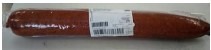
| GTIN | Lot | Dated |
|---|---|---|
| 3181580008697 | 126501 | Use-by date 06/11/2021 |
Salmonella Enteritidis is a serious disease affecting people. Infection can occur from eating eggs and poultry meat. To help eliminate Salmonella Enteritidis, commercial chicken operators need to meet extra requirements from October 2021.
From 6 October 2021, commercial chicken operators must comply with an emergency control scheme (ECS). The rules are to:
The Ministry for Primary Industries (MPI) consulted with the poultry industry about the ECS.
How to comply with the SE Emergency Control Scheme Order [PDF, 1001 KB]
Animal Products Order: Emergency Control Scheme – Managing SE in Commercial Chicken Flocks [PDF, 609 KB]
Specific chicken products must be produced and sold under the ECS. The rules apply to all operators within the chicken supply chain, including:
October 15 is Global Handwashing Day, a global advocacy day dedicated to increasing awareness and understanding about the importance of handwashing with soap as an effective and affordable way to prevent diseases and save lives.
This unprecedented time provides a unique impetus to institutionalize hand hygiene as a fundamental component of health and safety. The learnings from the past year have emphasized the need for collective action to address the historic neglect of hand hygiene investments, policies, and programs once and for all. As we enter a new normal, beyond COVID-19, our future is at hand. This year’s theme, “Our Future is at Hand – Let’s Move Forward Together,” calls for coordinated action as we actively work toward universal hand hygiene.
No matter your role, you can celebrate Global Handwashing Day!
Key facts
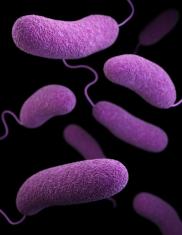
•In the European Union/European Economic Area (EU/EEA), cholera is a rare disease that is primarily associated with travel to endemic countries outside of the EU/EEA.
•In 2019, seven EU countries reported 26 confirmed cases of cholera, which was similar to previous years.
•Most cases (16/26) were reported by the United Kingdom.
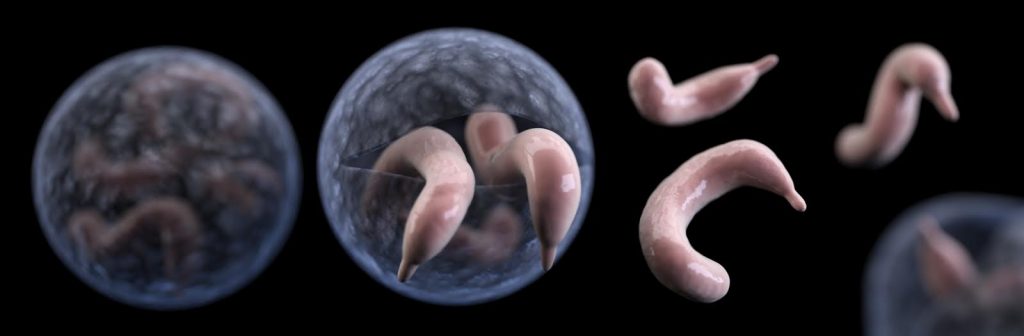
Infections from the Cryptosporidium parasite are continuing to rise in Europe, according to a report published this month by the European Centre for Disease Prevention and Control (ECDC).
Outbreaks associated with food and drink, such as juice, have been reported. The parasites are microscopic and do not make food smell, look or taste unusual.
For 2018, 20 countries reported 14,299 cryptosporidiosis cases, of which 14,252 were confirmed. The number of confirmed patients was more than the 11,435 in 2017. The notification rate for 2018 was higher than in the previous four years from 2014 to 2017.
Germany, Netherlands, Spain and the United Kingdom accounted for 76 percent of all confirmed cases in 2018, with the UK alone making up 41 percent with 5,820 infections.

 FoodWorld