Category Archives: Illness

China – Norovirus sickens 74 students in Shandong

China Daily

Seventy-four students infected with norovirus at a middle school in Anqiu, Shandong province, experienced nausea, vomiting and diarrhea on Saturday, the city’s bureau of education and sports said on Monday night.

Norovirus is highly contagious and often food-borne. It is sometimes incorrectly referred to as “stomach flu” but is not related to the flu virus.

Hongyi Middle School organized medical treatment for the affected students and sent 14 to the hospital for observation and treatment.

Ten students remain hospitalized, four have been discharged, and the rest, who returned to school, no longer show symptoms.

After collecting and analyzing samples, the city’s disease control and prevention center concluded that the norovirus infection, caused the illnesses.

The school in Anqiu cleaned and disinfected its facilities to reduce the risk of transmission.
Irish seafood agency reveals critical incidents and controls in 2022

Lexblog

The Irish agency responsible for seafood controls has revealed alleged illness from shellfish and detection of pathogens in products in its 2022 annual report.

The Sea-Fisheries Protection Authority (SFPA) is tasked with ensuring seafood safety for consumers up to retail and verifying seafood trade.

2022 was described as a challenging year for Ireland’s seafood sector with continuing repercussions from Brexit, the fallout from the Russian invasion of Ukraine, the impact of COVID-19 in export markets, and the energy and cost-of-living crises.

Sea-Fisheries Protection Officers (SFPOs) carried out 1,958 food safety official controls across 2,323 premises. This included inspections of approved establishments, sampling, vessel hygiene checks, and certification for a consignment of food exported to another country. A total of 1,249 samples were taken, the majority being food items.

SFPA responded to 74 incidents relating to concerns about the safety or quality of food which required examination because of public health risks.

Twenty-three incidents were reports of alleged illness following consumption of live bivalve mollusks, particularly oysters. Six were due to detecting Listeria monocytogenes in fishery products, and five were suspected Norovirus in shellfish with no reports of illness.

England – Preston primary school shuts nursery after STEC E.coli cases in classrooms

Lancashire Post

Eldon Primary School said it has temporarily closed its nursery while children are tested for the bacterial infection and several deep cleans are carried out.

It comes after a small number of STEC (Shiga toxin-producing Escherichia coli) infections were confirmed among children who attend the nursery.

USA – Victor Dog Food Salmonella Outbreak Sickens Infants

Food Poisoning Bulletin

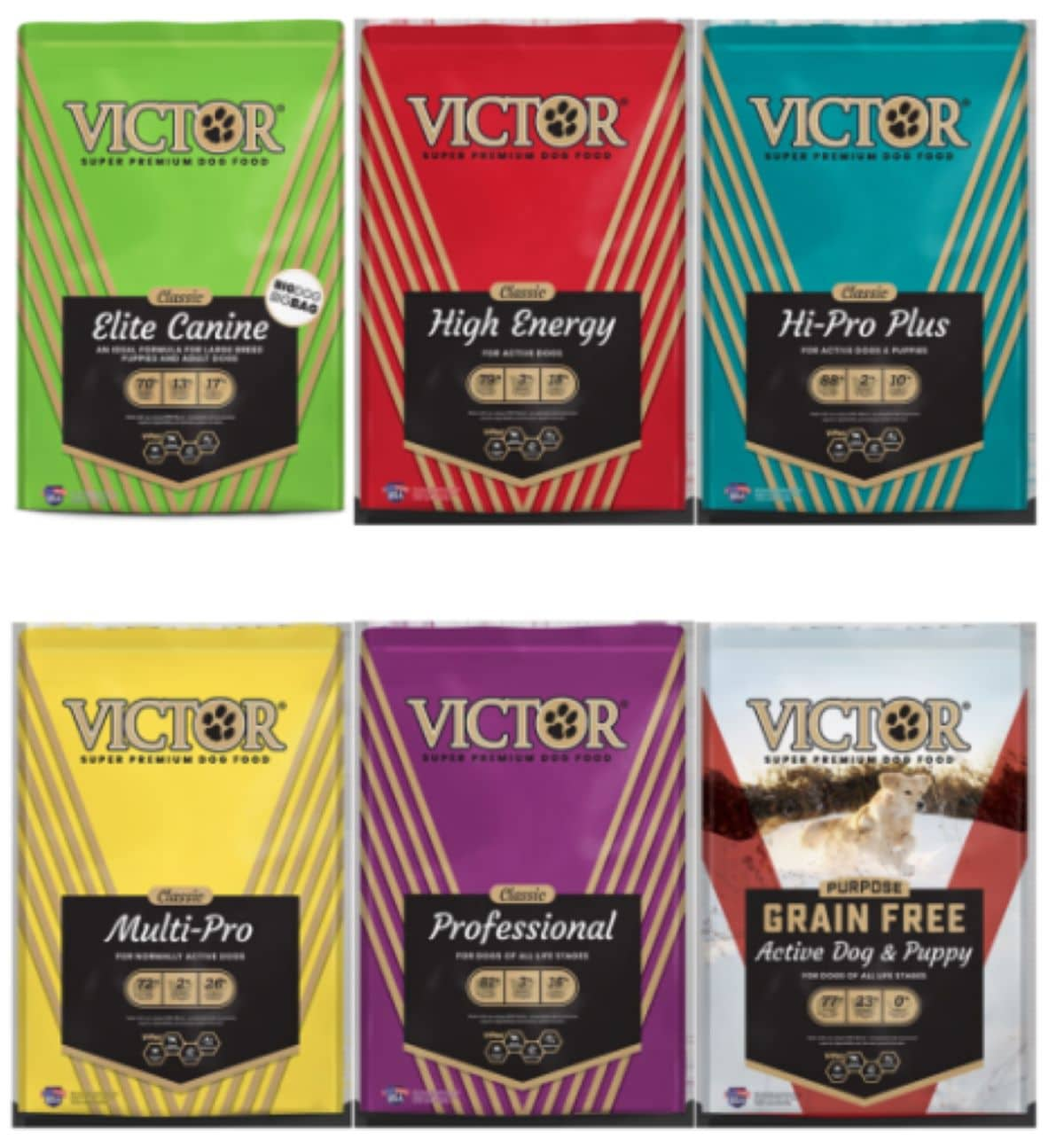
The Victor Dog Food Salmonella Kiambu outbreak has sickened at least seven people, mostly infants, in seven states, according to the Centers for Disease Control and Prevention (CDC). Several brands and types of dog and pet food have been recalled in association with this outbreak. The recalling firm is Mid America Pet Food.

Singapore – Downgrading of food shop licensed to Smorgasbord International Pte – due to food poisoning Incident.

SFA

Downgrading of food shop licensed to Smorgasbord International Pte Ltd (Licence No. SW11502X000), located at 24 College Ave East, #01-01, University Town – NUS, Singapore 138596 due to food poisoning Incident.

Downgrading of food shop licensed to Smorgasbord International Pte Ltd (Licence No. SW11502X000), located at 24 College Ave East, #01-01, University Town – NUS, Singapore 138596 due to food poisoning Incident.

 16 persons were reported to have gastroenteritis symptoms after consuming food prepared by Smorgasbord International Pte Ltd on 6 March 2023. None of them were hospitalised.

A joint investigation by the Ministry of Health (MOH) and the Singapore Food Agency (SFA) was conducted following the incident. Several hygiene lapses were identified during the inspection of the food shop on 9 March 2023 and SFA has taken enforcement actions against the licensee for these lapses.

SFA has adjusted the food shop’s food hygiene grade from A to C with effect from 10 November 2023, to be reviewed in 12 months. The premises will also be kept under surveillance.

Food operators are reminded to adhere to good food hygiene and safety processes. Good hygiene practices such as the washing of hands before handling food can greatly reduce the incidence of gastroenteritis when adopted by all key stakeholders, including the industry and public.

The information provided on this website should not be used as basis for any legal proceedings. Neither SFA nor any of its employees involved in the supply of the above information shall be liable for any loss or damage suffered by any member of the public by reason of any error or omission of whatever nature appearing therein or however caused.

Singapore – Downgrading of foodshop licensed to K G Catering Pte Ltd – due to food poisoning incident.Singapore – Downgrading of foodshop licensed to K G Catering Pte Ltd –

SFA

Downgrading of foodshop licensed to K G Catering Pte Ltd (Licence No. SE08322B000), located at 171 Kampong Ampat, #06-03, KA Foodlink, Singapore 368330, due to food poisoning incident.

Downgrading of foodshop licensed to KG Catering Pte Ltd (Licence No. SE08322B000), located at 171 Kampong Ampat, #06-03, KA Foodlink, Singapore 368330, due to food poisoning incident.

 30 persons were reported to have gastroenteritis symptoms after consuming food prepared by K G Catering Pte Ltd between 8 March 2023 and 10 March 2023. None of them were hospitalised.

A joint investigation by the Ministry of Health (MOH) and the Singapore Food Agency (SFA) was conducted following the incident. Several hygiene lapses were identified during the inspection of the food shop on 13 March 2023 and SFA has taken enforcement actions against the licensee for these lapses.

SFA has adjusted the food shop’s food hygiene grade from “C” to “D” with effect from 10 November 2023, to be reviewed in 12 months. The premises will also be kept under surveillance.

Food operators are reminded to adhere to good food hygiene and safety processes. Good hygiene practices such as the washing of hands before handling food can greatly reduce the incidence of gastroenteritis when adopted by all key stakeholders, including the industry and public.

The information provided on this website should not be used as basis for any legal proceedings. Neither SFA nor any of its employees involved in the supply of the above information shall be liable for any loss or damage suffered by any member of the public by reason of any error or omission of whatever nature appearing therein or however caused.

Research -Systematic Review and Meta-Analysis of Campylobacter Species Contamination in Poultry, Meat, and Processing Environments in South Korea

MDPI

Abstract

Campylobacter spp. constitute a significant global threat as a leading cause of foodborne illnesses, with poultry meat as a prominent reservoir for these pathogens. South Korea is known for its diverse poultry consumption habits, and continuous outbreaks make it a matter of concern to perform a meta-analysis to identify the primary source of contamination. This systematic review and meta-analysis aimed to assess and compare the prevalence of Campylobacter in various poultry and meat types while also considering the importance of environmental factors in South Korea. The meta-analysis revealed that duck meat exhibited the highest prevalence of Campylobacter, with a pooled estimate of 70.46% (95% CI: 42.80% to 88.38%), followed by chicken meat at a pooled prevalence of 36.17% (95% CI: 26.44% to 47.91%). Additionally, our analysis highlighted the predominance of C. jejuni and C. coli in South Korea. These findings underscore the importance of implementing rigorous food safety measures and establishing robust surveillance programs in the poultry industry to mitigate the risk of Campylobacter-related foodborne illnesses associated with meat consumption in South Korea.

Research – Monophasic Variant of Salmonella Typhimurium 4,[5],12:i:- (ACSSuGmTmpSxt Type) Outbreak in Central Italy Linked to the Consumption of a Roasted Pork Product (Porchetta)

MDPI

Abstract

The monophasic variant of S. Typhimurium 4,[5],12:i:- (MVST) is the third most commonly reported Salmonella serovar involved in human infections (8.8%) in the EU and ranks after S. Enteritidis (54.6%) and S. Typhimurium (11.4%). In Italy, in contrast, the MVST has achieved peculiar epidemiological and ecological success which has allowed it to be, since 2011, the serovar most frequently isolated from humans. In the summer of 2022, a foodborne outbreak of the MVST involving 63 people occurred in the Marche Region (Central Italy). A common food exposure source among some human cases was a roasted, ready-to-eat (RTE) pork product, porchetta, which is a typical product of Central Italy. This paper describes the results of investigations conducted to clarify this outbreak. The porchetta was produced by a local manufacturing plant and distributed to at least two local retail stores, one of which was the retail outlet for the manufacturing plant. The MVST was isolated from surface samples collected at the porchetta manufacturing plant and at both local retail stores via bacterial analysis, and the porchetta sampled at one store contained the MVST. These data confirm this type of RTE pork product can be a source of Salmonella infection in humans.

Salmonella Outbreak Linked to Dry Dog Food

CDC

Recalled pet food images.

People in this outbreak got sick from touching recalled dog food, touching things like dog bowls that contained the dog food, or touching the poop or saliva of dogs that were fed the dog food. Most of the sick people in this outbreak are infants. Take steps to handle dog food safely every day.

Research – From field to plate: How do bacterial enteric pathogens interact with ready-to-eat fruit and vegetables, causing disease outbreaks?

Science Direct

Abstract

Ready-to-eat fruit and vegetables are a convenient source of nutrients and fibre for consumers, and are generally safe to eat, but are vulnerable to contamination with human enteric bacterial pathogens. Over the last decade, Salmonella spp., pathogenic Escherichia coli, and Listeria monocytogenes have been linked to most of the bacterial outbreaks of foodborne illness associated with fresh produce. The origins of these outbreaks have been traced to multiple sources of contamination from pre-harvest (soil, seeds, irrigation water, domestic and wild animal faecal matter) or post-harvest operations (storage, preparation and packaging). These pathogens have developed multiple processes for successful attachment, survival and colonization conferring them the ability to adapt to multiple environments. However, these processes differ across bacterial strains from the same species, and across different plant species or cultivars. In a competitive environment, additional risk factors are the plant microbiome phyllosphere and the plant responses; both factors directly modulate the survival of the pathogens on the leaf’s surface. Understanding the mechanisms involved in bacterial attachment to, colonization of, and proliferation, on fresh produce and the role of the plant in resisting bacterial contamination is therefore crucial to reducing future outbreaks.