What’s New
- For the outbreak of Listeria monocytogenes (ref #1214) linked to queso fresco and cotija cheese, the outbreak advisory has been updated to include additional downstream recalls.

The number of children sick in a severe E. coli outbreak in France linked to raw milk cheese has risen to 11.
The 11 hemolytic uremic syndrome (HUS) cases were reported in late 2023. HUS is a severe complication associated with E. coli infections that causes kidney failure. Santé publique France surveillance on HUS only covers children younger than 15 years old in the country, so there could be other sick people in the outbreak.
Five young children attending the Minimes crèche in Toulouse had to be hospitalized in November. Stool cultures revealed Shiga toxin-producing E. coli (STEC) infection. Cheese has tested positive for E. coli O26.
The other six children with HUS infected with the outbreak strain are unrelated to the crèche and live in different regions.
Speaking to different French media outlets, the parents of two girls, Élise, aged 7, and Clara, 18 months old, revealed how their children had been affected and their ongoing health issues
A joyous wedding celebration in Ahmedabad took a concerning turn when nearly 50 attendees, including the bride and groom, fell ill with suspected food poisoning shortly after the reception. The incident, which unfolded in the Nikol area on Monday night, sent shockwaves through the families involved and highlighted the importance of food safety at large gatherings.
Shivam Goswami, one of the affected guests currently receiving treatment, described the sudden onset of symptoms after consuming the wedding meal. “The vomiting and diarrhea started coming on very quickly,” he shared. “We were taken to the hospital around 1 AM due to worsening conditions.”
Authorities are likely to investigate the catering services and food preparation processes to determine the root cause and prevent similar incidents in the future.
Posted in Food Illness, Food Poisoning, Foodborne Illness, Illness, Poisoning
A cheese company linked to an E. coli outbreak in the United Kingdom has been allowed to restart sales of products.
Mrs Kirkham’s Lancashire Cheese can resume selling batches of five raw milk cheeses made on or after Oct. 1, 2023. This includes the mild, creamy, tasty, mature, and smoked Lancashire varieties, plus Waitrose and Partners, Farmhouse Kirkham’s Lancashire Cheese.
However, any of these cheeses put on the market up to and including Feb. 5, 2024, should not be eaten and must be returned to the place of purchase for a refund.
There are now 36 cases of Shiga toxin-producing E. coli (STEC) O145 linked to the outbreak, up from 30 in an earlier update. The UK Health Security Agency (UKHSA), Public Health Scotland (PHS), and other agencies are investigating the incident.
Sick people live in England, Wales and Scotland. They fell ill from late July 2023, with the majority in December and all had symptom onset before Dec. 24, 2023.
Of 19 people with information available, a dozen reported bloody diarrhea, and 11 have been hospitalized. One person developed haemolytic uremic syndrome (HUS), and another died.
For 30 cases where information is known, 15 are female, and 15 are male, with ages ranging from 7 to 81 and a median of 35 years old.
In 2023, Helsinki experienced an increase in food poisoning incidents, according to the latest findings from the city’s food safety inspections. Despite conducting 3,007 food inspections and handling 878 new notifications from food operators—a slight increase from the previous year—the city faced challenges in ensuring food safety. The inspections, which covered 5,789 food establishments in Helsinki, revealed that 49% received an “excellent” rating in their Oiva assessments, reflecting compliance with food safety standards.
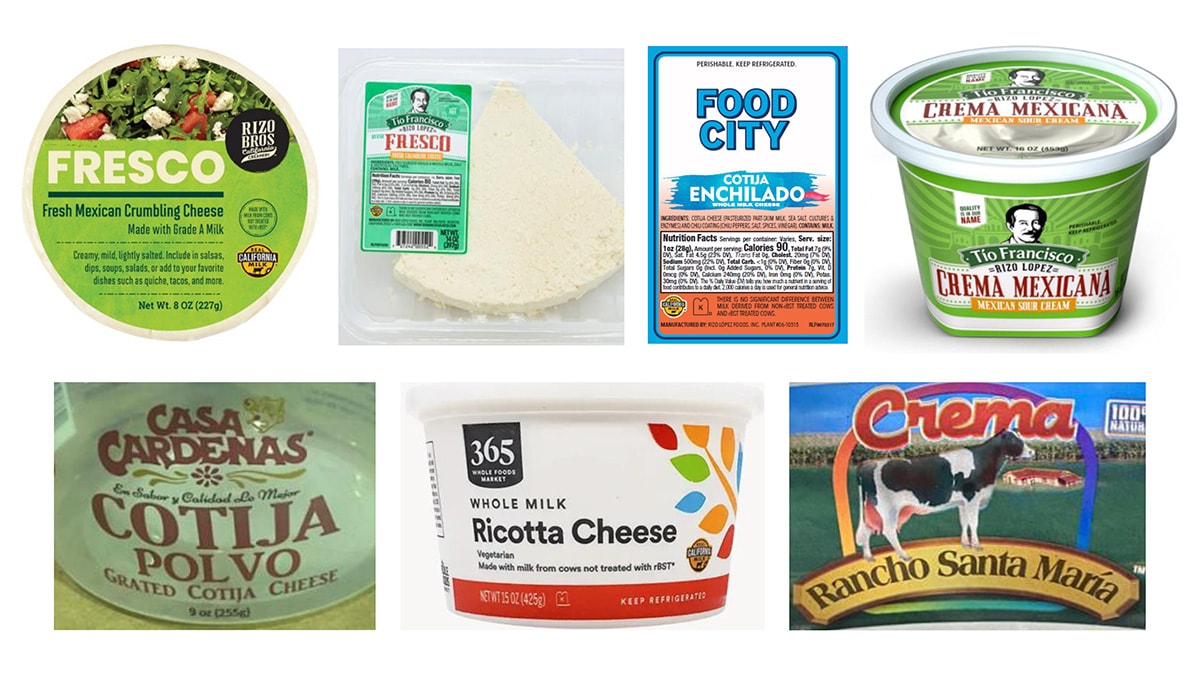
Recalled dairy products and products made with recalled dairy products sold under the brand names:
Retailer names where product was sold unbranded as taco kits and meals:
More information about recalled products, including descriptions, sizes, and UPCs or “best by” dates are included in the table of recalled products below. Additional information is also available in the recall notices from the companies.
FDA has been notified of additional companies who have issued public notifications or recalls for products linked to the Rizo-Lopez Foods, Inc. dairy recall that were sold at retail locations. Products from the following announcements have been added to the table of recalled products below.
On 2/9/2024 and 2/10/2024, The U.S. Department of Agriculture’s Food Safety and Inspection Service (FSIS) updated their public health alert to include additional products made with or containing recalled dairy products from Rizo Lopez Foods, Inc.
More information about recalled products, including descriptions, sizes, and UPCs or “best by” dates are included in the table of recalled products below. Additional information is also available in the recall notices from the companies.
Case Count Map Provided by CDC

In the United States, the Salmonella Sundsvall outbreak linked to cantaloupe from Mexico has been declared over. The outbreaks sickened 407 people in 44 states. Six deaths were reported. The Centers for Disease Control and Prevention first reported the outbreak on November 17.
Of the 362 patients with information available, 158 were hospitalized.
Canadian officials have posted their final update on the Salmonella outbreak traced to cantaloupe, adding two deaths to the toll. There were 190 laboratory-confirmed cases of Salmonella Soahanina, Sundsvall, Oranienburg, and Newport illnesses associated with the nationwide outbreak. Sixty-eight patients were hospitalized, and nine died.
Read more at the link above.
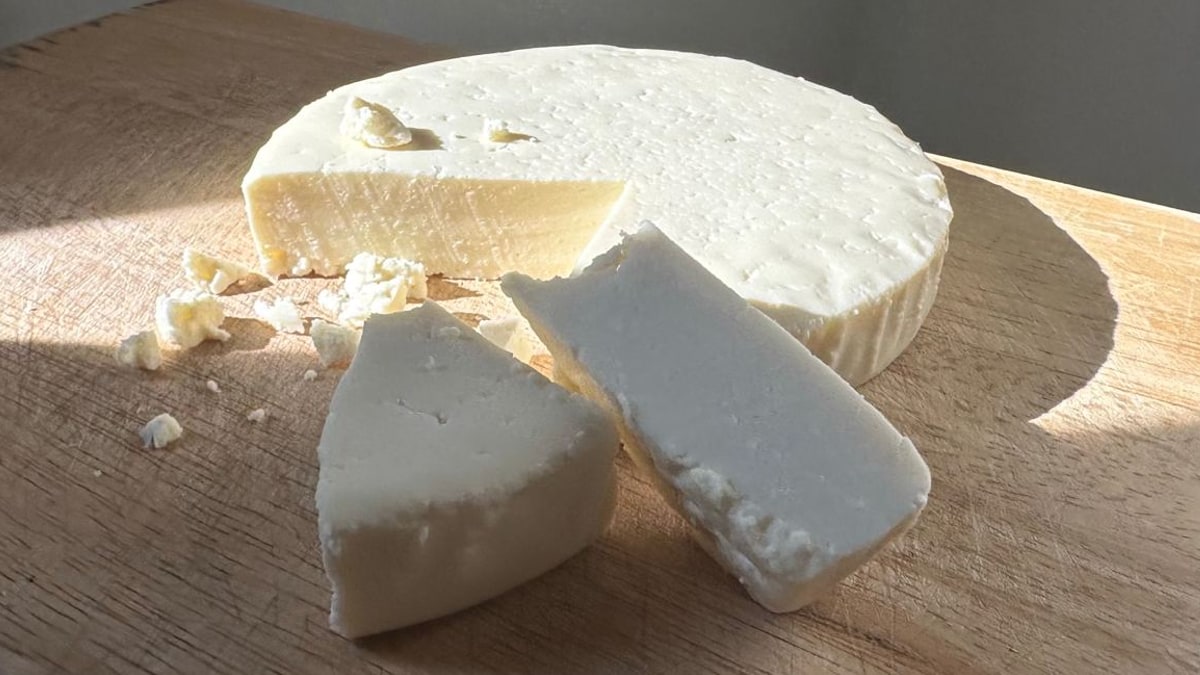
Queso fresco
Cheeses, crema, and yogurt made by Rizo-López Foods
Toxins may have been the cause of several infants aged 5–6 months becoming ill after eating products from Den Sorte Havre between November and January. The products were withdrawn from the market in January.
At the beginning of January, the Norwegian Food Safety Authority was notified that several infants aged 5–6 months had become ill after eating products from Den Sorte Havre. The investigations of the products show the discovery of toxins produced by the bacterium Bacillus cereus.
The Norwegian Food Safety Authority has collaborated with the Norwegian Veterinary Institute (VI), the Norwegian University of Environmental and Biosciences (NMBU) and the Norwegian Institute of Public Health (FHI), and carried out extensive mapping and analysis work to find a possible reason why the children fell ill.
FHI has interviewed twelve of the guardians who have notified the Norwegian Food Safety Authority about this.
– The observed course of the disease in the children is typical of food poisoning caused by a toxin produced by the bacterium Bacillus cereus, says senior researcher Umaer Naseer at FHI.
Usually this type of food poisoning causes vomiting and vomiting shortly after ingestion (0.5-6 hours), and lasts for a day or less.
The Norwegian Food Safety Authority has a close dialogue with the business in the work to investigate where in the production process bacterial toxins may have been formed and will have further follow-up of the business.
The children live in eight different counties. The children had eaten three of the five products aimed at children from Den Sorte Havre; Starter porridge, Adaptation to solid food and Oatmeal with banana, from the end of November 2023 until the beginning of January 2024. All but one of the children were aged 5-6 months, and all had repeated bouts of vomiting 1-2 hours after ingestion. One of the children was a few months older than the others, and did not vomit but had diarrhea after eating the product. Few of the children developed a fever, but several parents reported a shorter period when it was difficult to get in touch with the child.
Ten of the children have had contact with the health service due to the symptoms, but none of them have been admitted to hospital. The children with vomiting became symptom-free after a few hours or up to a day, and the child with diarrhea was ill for a week. All the children are now healthy.
VI and NMBU have carried out laboratory analyzes of samples taken from products at the homes of the affected families. Some of the samples show traces of a toxin produced by the bacterium Bacillus cereus . In some of the samples, the concentration was high enough to cause illness in young children.
Bacillus cereus is usually transmitted through the consumption of contaminated food containing bacteria (diarrhea type) or toxins (vomiting type). Traditionally, starchy foods, such as rice and pasta, have been associated with the type of vomiting.
To prevent infection from bacillus cereus bacteria (diarrhea type), hot food should be kept piping hot (higher than 60°C) until serving. If the food is to be cooled, this should be done quickly and in small volumes. Leftovers should be heated sufficiently before serving.
Toxins produced by bacillus cereus bacteria (vomiting type) can withstand heat and boiling. Heating food containing such bacteria will therefore not prevent infection.

 FoodWorld