Category Archives: foodborne outbreak

USA – More than 240 sickened in Norovirus outbreak traced to North Carolina sushi restaurant

MSN

norovirus-1080x655

A Norovirus outbreak linked to a North Carolina sushi restaurant has sickened at least 241 people since late last month, local health authorities said Thursday.

Before falling ill, all the victims had visited Sushi Nine in Raleigh between Nov. 28 and Dec. 5, according to Wake County’s public health and environmental services departments.

USA- FDA – Investigations of Foodborne Illness Outbreaks

FDA

What’s New

  • An outbreak advisory was issued for the outbreak of E. coli O157:H7 (ref #1221) linked to recalled organic bulk walnuts. Additional information is available in the outbreak advisory. FDA’s investigation is ongoing.

New Zealand – New reports highlight food recall system at work

MPI

A new report by New Zealand Food Safety identifies Salmonella in imported sesame seed-based products as the most significant food safety event of 2023, resulting in 14 recalls affecting 65 food products.

The ‘Consumer-level food recalls annual report for 2023’, one of 2 recall reports published by New Zealand Food Safety today, says the recalls were initiated after Salmonella was detected during routine testing by a New Zealand business making products containing tahini.

Consumer-level food recalls annual report for 2023 [PDF, 3.2 MB]

“A complex investigation by our Food Compliance Services team – involving product testing and tracing of ingredients through the domestic market – found the contamination was from tahini imported from a Turkish manufacturer,” says New Zealand Food Safety deputy director-general Vincent Arbuckle.

“The team dug deeper and subsequent online surveillance and scanning of international food safety issues also identified concerns with products from a manufacturer in Jordan.

“By the time all the sesame seed-based products were tracked down and removed from sale, we had supported 14 recalls affecting 65 products. And, most importantly, we had no confirmed reports of related illness.”

The annual reports are a new initiative by New Zealand Food Safety to share information on consumer-level recalls with the public.

“Our priority is to protect consumers, and these reports help identify trends and find ways to prevent food safety incidents,” says Mr Arbuckle.

“New Zealand’s food safety system has a strong track record of keeping people safe and – given the volumes of food being produced, manufactured and imported – incidences of related illness remain rare.

“However, there are occasions when food safety issues occur, and that’s when we work quickly with food businesses to recall the affected product, removing it from the food supply chain and promoting public awareness.”

The 2023 report shows New Zealand Food Safety supported food businesses to conduct 70 consumer-level food recalls.

“It’s important to note that the number of recalls is not an accurate indicator of the level of risk to consumers. Numbers are dependent on many factors, including regulatory changes, business and public awareness of food-related problems, and reporting of those problems,” says Mr Arbuckle.

Of the 70 recalls, 48 were initiated for domestically produced foods and 22 were for imported foods.

“Another food safety event to highlight from 2023 was the possible presence of Listeria and Campylobacter in raw milk, which led to 3 recalls.

“Drinking raw milk carries inherent risks as it may contain harmful bacteria that would normally be killed through the pasteurisation process.

“In this case, there were fortunately no associated reports of Listeriosis, which can be very serious for vulnerable people like the very young, pregnant, older and those with low immunity. But we were notified of 3 related cases of Campylobacter, which causes vomiting, diarrhoea, abdominal pain, fever, headache, and body aches.”

Allergens in food were the leading cause for recalls in 2023, with milk being the allergen that triggered the most recalls.

“Food recalls are a sign that our food safety system is working to protect consumers,” says Mr Arbuckle. “You can help keep yourself and your family safe by subscribing to our recall alerts from the New Zealand Food Safety food recall page.”

Recalled food products list

By the numbers:

  • 70 consumer-level recalls in 2023
  • 48 recalls for domestically produced foods
  • 22 recalls for imported foods
  • 26 recalls for allergens (the leading cause for recalls)
  • 12 recalls for milk (the allergen triggering the most recalls)
  • 23 recalls due to microbiological contamination
  • 14 recalls due to physical contamination.

USA – Outbreak Investigation of E. coli O157:H7: Bulk Organic Walnuts (April 2024)

FDA

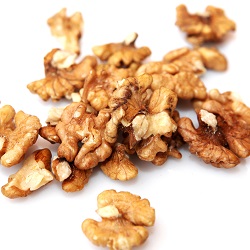
Do not eat, sell, or serve recalled organic walnuts sold in bulk bins at natural food and co-op retailers in multiple states. FDA’s investigation is ongoing.

Walnuts

Product

Recalled organic walnut halves and pieces sold in bulk bins at natural food and co-op stores in AK, AR, AZ, CA, CO, HI, ID, KS, LA, MT, NE, NM, NV, OR, SD, TX, UT, WA, and WY. Some stores may repackage bulk walnut halves and pieces into plastic clamshells or bags.

FDA’s investigation is ongoing to determine if additional products or states are affected. This advisory will be updated as information becomes available.

Symptoms of E. coli

Symptoms include severe stomach cramps, diarrhea, fever, nausea, and/or vomiting. Symptoms begin anywhere from a few days after consuming contaminated food or up to nine days later.

The severity or presence of certain symptoms may depend on the type of pathogenic E. coli that is causing the infection. Some infections can cause severe bloody diarrhea and lead to life-threatening conditions, such as a type of kidney failure called hemolytic uremic syndrome (HUS), or the development of high blood pressure, chronic kidney disease, and neurologic problems.

Stores Affected

Recalled organic walnut halves and pieces were sold in bulk bins at natural food and co-op stores in AK, AR, AZ, CA, CO, HI, ID, KS, LA, MT, NE, NM, NV, OR, SD, TX, UT, WA, and WY. A full list of store names and locations is available.

FDA is working with the firm and its distributors to determine whether additional store locations, products, or states are affected. FDA is sharing what is known at this time and will continue to update as more information is available.

Status

Ongoing

Recommendation

  • Retailers and distributors that purchased recalled boxes of Gibson Farms, Inc. organic walnuts halves and pieces with lot codes 3325-043 and 3341-501 should not sell this product and should notify their customers of the recall. Product was shipped to distributors between the dates of October 1, 2023, to April 24, 2024. These products have expiration dates of 5/21/25 & 6/7/25.
    • Retailers that have or had recalled product in bulk bins should discard the contents of the bins and use extra care to clean and sanitize the bins before refilling.
    • Retailers that are unsure if they received recalled product may need to contact their supplier. If you are unable to determine whether or not recalled product was received, you should discard the contents of the bins and use extra care to clean and sanitize the bins before refilling.
  • Consumers who purchased organic walnut halves and pieces from bulk bins at stores listed below should check their pantries, refrigerators, and freezers and should not eat the organic walnuts halves and pieces. If you have these products in your home, do not eat or use them, throw them away and clean and sanitize surfaces they touched.
  • Retailers, distributors, and consumers should follow FDA’s safe handling and cleaning advice and use extra care in cleaning and sanitizing any surfaces and containers that may have come in contact with this product to reduce the risk of cross-contamination.
  • Contact your healthcare provider if you think you may have symptoms of an E. coli infection after eating organic walnuts.

Case Counts

Total Illnesses: 12
Hospitalizations: 7
Deaths: 0
Last Illness Onset: April 4, 2024
States with Cases: CA, WA
Product Distribution*: AK, AR, AZ, CA, CO, HI, ID, KS, LA, MT, NE, NM, NV, OR, SD, TX, UT, WA, and WY

Taiwan – Taipai – Causes clarified in food poisoning case

Taipei Times

A suspected food poisoning incident at a Hi-Lai Harbour restaurant at Kaohsiung Arena was not caused by norovirus or rotavirus, but might have been caused by pathogenic bacteria, the Centers for Disease Control (CDC) said yesterday.

Testing for viral pathogens was negative for the two common causes of diarrhea, CDC Deputy Director-General Tseng Shu-hui (曾淑慧) said.

As of 9am on Monday, the number of people who had sought medical attention after dining at the upscale buffet restaurant in Zuoying District (左營) on Friday and Saturday last week had increased to 52 since Saturday, when 11 diners were first reported to have fallen ill, the Kaohsiung Health Department said in a statement.

All of the 52 people reported diarrhea and abdominal pain, while a handful also reported nausea and vomiting, the department said.

It had previously collected specimens from seven people who fell ill after eating at the branch and from 48 employees who handle food at the restaurant, as well as food samples.

Testing on the customers and employees came back negative for viral pathogens, meaning it is likely that pathogenic bacteria were involved, Tseng said.

Common bacteria that cause foodborne illness include Vibrio parahaemolyticus, salmonella, enteropathogenic Escherichia coliStaphylococcus aureusVibrio cholerae and Clostridium botulinum, she said, adding that testing was being conducted to clarify the situation.

Denmark – 40 Danes infected with the same type of Salmonella

SSI

Since mid-March, 40 patients have been registered ill with the same type of salmonella. These are 24 men and 16 women aged 0-83. The first investigations show that the patients have not been travelling, have not eaten at the same restaurants and have not taken part in any joint events. As the patients live throughout the country, it therefore suggests that it is a food that has been sold in supermarkets across the country.

“We are working to find out what is to blame for the outbreak. Preliminary investigations indicate that the source of infection could be minced meat sold in supermarkets,” says epidemiologist Luise Müller, Statens Serum Institut.

Annette Perge from the Danish Food and Drug Administration elaborates:

“Although we do not yet know for sure what has made people sick with salmonella, we would like consumers to pay extra attention to good kitchen hygiene. It is important to cook the minced meat thoroughly, keep the ready-to-eat separate from the raw meat and refrain from tasting the raw meat,” she says.

All patients are infected with the same type of salmonella bacteria.

“Salmonella of the type Typhimurium has previously been found in meat from cattle and pigs as well as in foreign poultry products and has previously given rise to disease outbreaks,” says senior researcher Marianne Sandberg from the DTU Food Institute.

UK – Shiga toxin-producing Escherichia coli (STEC) data: 2020 – Updated 26/04/2024

Gov UK

Main points

A total of 402 confirmed cases of Shiga toxin-producing Escherichia coli (STEC) O157 were reported in England and Wales in 2020.

The lowest incidence of STEC O157 was in the London region (0.29 per 100,000 population) and the highest in the South West region (1.04 per 100,000 population).

Children aged 5 to 9 years had the highest incidence of infection (1.50 per 100,000 population, 95% confidence interval (CI) 1.12 to 1.96).

One-third of confirmed STEC O157 cases in England were hospitalised and 3% were reported to have developed Haemolytic Uraemic Syndrome (HUS).

A further 286 specimens in England and 41 in Wales were positive for Shiga toxins (Stx) genes on polymerase chain reaction (PCR) at the Gastrointestinal Bacteria Reference Unit (GBRU) but an organism was not cultured.

The most commonly isolated non-O157 STEC serogroup was STEC O26 (England: n=103 out of 553, 19%; and Wales: n=26 out of 268, 15%).

Three outbreaks of STEC involving 63 cases in England were investigated in 2020.

Canada – 96 lab-confirmed cases linked to E. coli at Calgary day cares, 22 kids in hospital: AHS

Yahoo Movies

There are now 96 lab-confirmed cases linked to the current E. coli outbreak in Calgary daycare centres, the AHS confirmed in a press conference Wednesday.

Dr. Francesco Rizzuti, medical officer of health with AHS Calgary zone said that of the 96 cases there have been 22 hospitalizations thus far.

Sixteen of those patients are currently at the Alberta Children’s Hospital, while six are at the Peter Lougheed Centre. AHS confirmed that all of those hospitalized are children.

The first patients were admitted over the Labour Day weekend, reporting symptoms such as bloody diarrhea.
He added that AHS is still investigating the source of this outbreak and will continue to update families as information becomes available.

USA – SAN DIEGO COUNTY HIT BY NOROVIRUS OUTBREAK LINKED TO SOUTH KOREAN OYSTERS

Hood Line

A shellfish shakedown is sweeping through San Diego County after 33 people fell ill, contracting norovirus likely linked to frozen raw oysters imported from a company in South Korea, health officials said.

The California Department of Public Health (CDPH) is sounding the alarm, telling distributors and retailers to halt sales and service of frozen raw oysters from JBR, Inc., located in Tongyeongsi, Republic of Korea; these shellfish are suspected culprits behind a string of gastroenteritis cases among eaters in late March and April. These specific oysters arrived bearing the label “Amazing Sea Brand.” They have been traced back to being harvested on several dates—November 26, 2023, January 4, and February 15—and San Diego County public health officials, alongside the CDPH’s investigation, pointed to these as the likely source of the virus transmission, according to a statement obtained by the California Department of Public Health.

Philippines – Suspected food poisoning downs 80 people in South Upi

Minda News

Eighty people who attended a Teduray tribal wedding reception Thursday in South Upi, Maguindanao del Sur were rushed to two hospitals after they suffered severe stomach pain and vomiting.

Dr. Mohammad Ariff Baguindali, chief of Integrated Provincial Health Office of Maguindanao said that until late afternoon on Thursday rescue teams and health officials were busy attending to the patients at Rural Health Unit Hospital in South Upi, Maguindanao del Sur and Datu Blah Sinsuat District Hospital in Upi, Maguindanao del Norte.

“Sixty-five persons were sent to RHU South Upi and 15 to Datu Blah Hospital,” Baguindali said.

Based on the initial findings of the health officials, a spoiled chicken dish cooked in spices and coconut milk as its main ingredient called “beniton” could have triggered the food poisoning.

Baguindali said the intense day heat could have spoiled the tribe’s specialty dish. He noted that it was cooked in the morning and eaten in the late afternoon.