Archives
-
Join 347 other subscribers
KSWFoodWorld
Blog Stats
- 479,559 Views
Category Archives: Food Poisoning
Tempah Salmonella Outbreak Traced to Spores
North Carolina’s Department of Public Health laboratory confirmed on Thursday that the ongoing Salmonella Paratyphi B outbreak linked to Smiling Hara unpasteurized tempeh was caused by contaminated packages of spore culture used in the product’s fermentation process.
Tempeh is made from cooked and slightly fermented soybeans and formed into a patty, similar to a very firm veggie burger
Posted in Bacteria, Eurofins Laboratories, Food Illness, Food Poisoning, Food Safety, Food Testing, Foodborne Illness, Microbiology, Salmonella, Spores
Tagged food
New US Raw Milk Campylobacter Outbreak
Raw milk, raw skim milk (non-fat), raw cream and raw butter produced by Organic Pastures Dairy of Fresno County is the subject of a statewide recall and quarantine order announced by California State Veterinarian Dr. Annette Whiteford. The quarantine order came following the confirmed detection of campylobacter bacteria in raw cream.
Consumers are strongly urged to dispose of any Organic Pastures products of these types remaining in their refrigerators, and retailers are to pull those products immediately from their shelves.
From January through April 30, 2012, the California Department of Public Health (CDPH) reports that at least 10 people with campylobacter infection were identified throughout California and reported consuming Organic Pastures raw milk prior to illness onset. Their median age is 11.5 years, with six under 18. The age range is nine months to 38 years. They are residents of Fresno, Los Angeles, San Diego, San Luis Obispo and Santa Clara counties. None of the patients have been hospitalised, and there have been no deaths.
Irish Hospital Listeria Outbreak – Warning Over Hospital Sandwiches
Health trusts across Northern Ireland have been advised to stop serving sandwiches from a specific food supplier following an outbreak of listeria which claimed the life of a patient.
Four patients in the Northern Health & Social Care Trust were affected by the outbreak — an elderly woman being treated at Antrim Area Hospital died on the morning of April 8 and the last case was confirmed on April 20.
I think this needs to be extended to other high risk foods served in hospitals and have done for quite a while.
Tuna Strips Recalled Possible Salmonella Risk
Moon Fishery Pvt. Ltd of India, the company that manufactured the yellow fin tuna Nakaochi Scrape that was recalled in the United States and sickened at least 258 people in 24 states and the District of Columbia, is recalling 22 pound cases of “Tuna Strips” because they may also be contaminated with Salmonella. The specific serotype of the bacteria was not specified.
Norovirus Outbreak US Oysters – 14 Sick
NEW ORLEANS — Louisiana health officials say they closed a harvesting area and ordered a recall of oysters taken from there since April 26 after 14 people became ill with norovirus. The closure started Tuesday and was expected to last at least three weeks.
The recall includes shucked, frozen, breaded and processed oysters and those for the half-shell market taken from Area 23 in Terrebonne Parish southwest of New Orleans. Some of the oysters were shipped to Maryland, Texas and Georgia.
Health officials said people became ill after eating oysters from that area at one New Orleans-area restaurant.
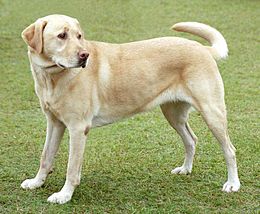
Pet Food Recall – Salmonella and How People get Sick from Pet Food
Apex Pet Foods is recalling all of their dry dog food formulas manufactured on January 24, 2012 for possible Salmonella contamination.
Tainted dog food is the source of a Salmonella Infantis outbreak that has sickened 14 people in nine states, five with infections so severe they required hospitalisation, according to the Centers for Disease Control and Prevention (CDC).
Over the last week, Diamond Pet Foods has recalled nine brands of dog food due to possible contamination with Salmonella. And five other brands: Natural Balance, Kirkland Signature, Wellpet Solid Gold Health Products, and Apex, have issued related recalls.
So, how does dog food make people sick? Follow the link to fins out.
Posted in Bacteria, Eurofins Laboratories, Food Poisoning, Foodborne Illness, Microbiology, outbreak, Pathogen, Pet Food, Recall
Tagged animals
US Alfalfa Sprout Recall – Listeria
Cleveland Beansprouts Co. of Ohio is recalling all alfalfa sprouts because they may be contaminated with Listeria monocytogenes. This bacteria can cause serious and sometimes life-threatening infections to people with weakened immune systems. Pregnant women who contract listeriosis can suffer miscarriages and stillbirths.
There are no lot codes or any other identifier on the product. The sprouts were distributed only in Ohio. The Ohio Department of Agriculture discovered the contamination under the USDA’s Microbiological Data Program, which is set to be eliminated by the White House and Congress in FY 2013.
If you have purchased this product, do not eat it; discard it in a closed container.
HPA – UK – Campylobacter Still Number 1 in 2011
Eighty three general outbreaks of foodborne infectious disease in England and Wales were reported in 2011 to the HPA’s electronic Foodborne and Non-foodborne Gastrointestinal Outbreak Surveillance System (eFOSS)[§]. In the previous year there were 63 outbreaks of foodborne diseases (figure 1).
The rise in the number of general outbreaks in 2011 could be due to the continued increase in outbreaks caused by Campylobacter spp (20/83 in 2011; 18/63 in 2010) and a rise in the outbreaks caused by Salmonella spp compared to the previous year (18 in 2011; 8 in 2010).
Outbreaks of campylobacter have increased since 2009 and concurrently campylobacter is now the most frequently implicated causative agent in reported outbreaks representing 24% of all outbreaks [1,2 ]. In 2011, as in preceding years, most campylobacter outbreaks were associated with consumption of undercooked poultry liver pâté or parfait f rom food service establishments [3,4]. Salmonella spp. accounted for 22% of the outbreaks, most of which were caused by an increase in S. Enteritidis non PT 4 (44%, 8/18) or S. Typhimurium (33%, 6/18). The next most frequently identified agents included: norovirus (10%, 8/83), VTEC O157 (10%, 8/83) and Clostridium perfringens (8%, 7/83)
Posted in Bacteria, Campylobacter, E.coli O157, EHEC, Eurofins Laboratories, Food Illness, Food Poisoning, Food Safety, Food Standards Agency, Foodborne Illness, HPA, Microbiology, Norovirus, outbreak, Pathogen, Research, Salmonella
Tagged clostridium perfringens, food service establishments, research, science
More Illness from Petfood in the US – Salmonella
COLUMBIA, S.C. — Fourteen people in at least nine states have been sickened by salmonella after handling tainted dog food from a South Carolina plant that a few years ago produced food contaminated by toxic mold that killed dozens of dogs, federal officials said Friday.
At least five people were hospitalised because of the dog food, which was made by Diamond Pet Foods at its plant in Gaston, S.C., the federal Centers for Disease Control and Prevention said. No pets were sickened, according to the Meta, Mo.-based company.
Canada -Roast Beef Church Dinner – 205 Sick
The Chief Public Health Office began investigating a potential gastrointestinal outbreak Monday after notification that several people became ill after consuming a roast beef dinner prepared by volunteers as part of a fundraiser for Princetown United Church on Saturday, April 28, 2012. The total number of cases of gastrointestinal illness has reached 205.
Information obtained by interviewing persons who purchased the meal indicates that the roast beef was the most likely source of the food-borne illness. Those who picked up their meal early in the afternoon were less likely to have become ill. Food testing is being conducted and it is expected to be several days before all results are known. If symptoms persist, it is advised to seek medical attention.
During the course of the investigation, it was determined that the roast beef was prepared at various sites including the homes of volunteers. This is contrary to the regulations for preparing meals for sale to the public. High-risk foods such as meat, poultry and fish must be cooked and prepared in a licenced facility.
Posted in Bacteria, Eurofins Laboratories, Food Inspections, Food Poisoning, Food Safety, Food Testing, Foodborne Illness, Microbiology, outbreak, Pathogen
Tagged food, health, restaurants