Category Archives: Food Poisoning

UK – HPA Update on Norovirus Activity

HPANorovirus

Latest figures from the Health Protection Agency (HPA) show there have been 4,140 laboratory confirmed cases of norovirus this season (from week 27 to week 52 2012). The latest figures are 63 per cent higher than the number of cases reported at this point last year, when there were 2,535 cases.

The downward trend in the number of confirmed cases has continued in line with the previous report although this is to be expected following the Christmas and New Year period. We will expect to see the number of cases increase again over the following few weeks.

During the two weeks up to 6 January there were 33 hospital outbreaks reported, compared to 30 in the previous fortnight, bringing the total of outbreaks for the season to 673.

USA – Sprouts and Pathogenic Bacteria

Food Poisoning BulletinEurofins

Raw sprouts have been the cause of several food poisoning outbreaks in the last several years. In 2012, there were many recalls of raw sprouts for bacterial contamination. Several facilities, including Kroger and Jimmy John’s, decided to stop offering sprouts for sale altogether, although Jimmy John’s put the vegetables back on their menu in October 2012.

The Centers for Disease Control and Prevention (CDC) has been warning those in high risk groups to avoid sprouts completely, unless they are thoroughly cooked. And FoodSafety.gov just released information about what you, as a consumer, should know about sprouts.

Research Papers – Pathogens – Celery – Irradiation – Spinach – Boiling Shrimp – Low Water Activity and Pathogens

Science Direct

Illnesses from Escherichia coli O157:H7, Listeria monocytogenes, and Salmonella have been associated with the consumption of numerous produce items. Little is known about the effect of consumer handling practices on the fate of these pathogens on celery. The objective of this study was to determine pathogen behavior at different temperatures under different storage conditions. Commercial fresh-cut celery was inoculated at ca. 3 log CFU/g onto either freshly cut or outer uncut surfaces and stored in either sealed polyethylene bags or closed containers. Samples were enumerated following storage for 0, 1, 3, 5, and 7 days when held at 4 °C or 12 °C, and after 0, 8, and 17 h, and 1, and 2 days when held at 22 °C. At 4 °C, all populations declined by 0.5–1.0 log CFU/g over 7 days. At 12 °C, E. coli O157:H7 and Salmonella populations did not change, while L. monocytogenes populations increased by ca. 0.5 log CFU/g over 7 days. At 22 °C, E. coli O157:H7, Salmonella, and L. monocytogenes populations increased by ca. 1, 2, or 0.3 log CFU/g, respectively, with the majority of growth occurring during the first 17 h. On occasion, populations on cut surfaces were significantly higher than those on uncut surfaces. Results indicate that populations are reduced under refrigeration, but survive and may grow at elevated temperatures.

The Packer

Researchers say common packinghouse practices for fresh spinach are not sufficient to avoid outbreaks of salmonella-related illnesses and recently showed that irradiation eliminated almost all cross contamination from field and packing operations.

Scientists at Texas A&M University and Pusan National University in South Korea set out to develop a quantitative risk assessment model to evaluate microbial hazards during the processing of baby spinach leaves, according to their abstract recently published with their results in the journal “ScienceDirect.”

IngentaConnect

The purpose of this study was to determine whether the current consumer method of boiling shrimp until floating and pink in color is adequate for destroying Listeria and Salmonella. Shrimp samples were submerged in bacterial suspensions of Listeria and Salmonella for 30 min and allowed to air dry for 1 h under a biosafety cabinet. Color parameters were then measured with a spectrophotometer programmed with the CIELAB system. Twenty-four shrimp samples were divided into groups (days 0, 1, or 2) and stored at 4°C. The samples were treated by placing them in boiling water (100°C) on days 0, 1, and 2. The shrimp were immediately removed from the boiling water once they floated to the surface, and color parameters were measured. Bacterial counts were determined, and the log CFU per gram was calculated. The effect of sodium tripolyphosphate on the color change of cooked shrimp also was determined. Initial bacterial counts on shrimp after air drying were 5.31 ± 0.14 log CFU/g for Salmonella Enteritidis, 5.24 ± 0.31 log CFU/g for Salmonella Infantis, 5.40 ± 0.16 log CFU/g for Salmonella Typhimurium, 3.91z 0.11 log CFU/g for Listeria innocua, 4.45 ± 0.11 log CFU/g for Listeria monocytogenes (1/2a), and 3.70 ± 0.22 log CFU/g for Listeria welshimeri. On days 0, 1, and 2, all bacterial counts were reduced to nondetectable levels for shrimp samples that floated. The average time for shrimp to float was 96 ± 8 s. The bacterial counts remained at nondetectable levels (<10 log CFU/g) during refrigerated (4°C) storage of cooked shrimp for 2 days. The redness, yellowness, and lightness were significantly higher (P < 0.0001) for the cooked shrimp than for the uncooked shrimp on all days tested. The standard deviation for redness in the cooked shrimp was large, indicating a wide range of pink coloration on all days tested. The results suggest that boiling shrimp until they float will significantly reduce Listeria and Salmonella contamination, but color change is not a good indication of reduction of these pathogens because of the wide natural color variation.

IngentaConnect

Foods and food ingredients with low water activity (aw) have been implicated with increased frequency in recent years as vehicles for pathogens that have caused outbreaks of illnesses. Some of these foodborne pathogens can survive for several months, even years, in low-aw foods and in dry food processing and preparation environments. Foodborne pathogens in low-aw foods often exhibit an increased tolerance to heat and other treatments that are lethal to cells in high-aw environments. It is virtually impossible to eliminate these pathogens in many dry foods or dry food ingredients without impairing organoleptic quality. Control measures should therefore focus on preventing contamination, which is often a much greater challenge than designing efficient control measures for high-aw foods. The most efficient approaches to prevent contamination are based on hygienic design, zoning, and implementation of efficient cleaning and sanitation procedures in the food processing environment. Methodologies to improve the sensitivity and speed of assays to resuscitate desiccated cells of foodborne pathogens and to detect them when present in dry foods in very low numbers should be developed. The goal should be to advance our knowledge of the behavior of foodborne pathogens in low-aw foods and food ingredients, with the ultimate aim of developing and implementing interventions that will reduce foodborne illness associated with this food category. Presented here are some observations on survival and persistence of foodborne pathogens in low-aw foods, selected outbreaks of illnesses associated with consumption of these foods, and approaches to minimize safety risks.

Canada – First E.coli O157 of 2013

Ecoli Blog

CBC News reports that Canadian health officials say seven people in Nova Scotia have been infected with E. coli, likely E. coli O157:H7. Five people have been treated in hospital and released, while two people remain hospitalized. One is suffering from kidney failure. The people who have fallen ill range from their late teens to their 80s.

Five to six cases of E. coli O157:H7 have also been reported in New Brunswick, leading health officials to believe the common denominator is likely a food item that is sold in both provinces.

According to the Herald News, because there are no known new cases, officials are hoping that whatever caused the illness was a food with a short shelf life, such as a type of fruit or vegetable

UK – HPA Norovirus Update

HPAnorovirus-2(1)

Latest figures from the Health Protection Agency (HPA) show there have been 3,877 laboratory confirmed cases of norovirus this season (from week 27 to week 51 2012). The latest figures are 72 per cent higher than the number of cases reported at this point last year, when there were 2,255 cases.

During the Christmas period there is typically a drop in the number of laboratory reports. In previous norovirus seasons the general trend is that cases increase in the New Year and we expect to see cases rise again over the next few weeks.

During the two weeks up to 30 December there were 29 hospital outbreaks reported, compared to 70 in the previous fortnight, bringing the total of outbreaks for the season to 590.

Cases of norovirus have risen earlier than expected this winter season and this is a trend that has been seen across Europe and other parts of the world. It has not yet been determined why this has been the case and activity varies significantly from year to year.

USA – 10 Largest Food Poisoning Outbreaks 2012

Food Poisoning BulletinEcoli Istock

The 10 largest multi-state food poisoning outbreaks of 2012 poisoned 1,071 people in 45 states. Various strains of just three pathogens- Salmonella, E.coli and  Listeria were the cause of the 10 largest multi-state foodborne illness outbreaks, based on the total number of people sickened.  Six of them were caused by Salmonella, three by E.coli and one by Listeria. These dangerous bacteria  made their way into unsuspecting consumers through a variety of food sources including  meat, cheese, fish, peanut butter, fruit and vegetables.

USA – FDA – Recall Cold Smoked Salmon – Listeria monocytogenes

FDA

Potential Listeria-positive products have been identified and we can
confirm that Delifish S.A. has issued a voluntary recall of cold smoked salmon
products potentially containing Listeria monocytogenes placed on the
market in the USA produced from lots 249 through 291, manufactured between
September 5 2012 and October 17, 2012. There have been no complaints or
illnesses reported. Listeria monocytogenes is an organism which can
cause serious and sometimes fatal infections in young children, frail or elderly
people, and others with weakened immune systems. Although healthy individuals
may suffer only short-term symptoms such as high fever, severe headache,
stiffness, nausea, abdominal pain and diarrhea, listeria infection can
cause miscarriages and stillbirths among pregnant women.

Research- New Listeria Strains Discovered from the US Canteloupe Outrbreak 2011

Food Safety Newscatalopue

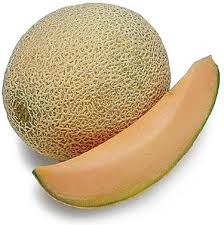
After analyzing four of the five types of Listeria implicated in last year’s deadly cantaloupe outbreak, scientists have discovered that a new outbreak strain was among those that contributed to the nearly 150 illnesses and 33 deaths caused by contaminated melons.

The researchers, an international team of government and university scientists, also compared the strains involved in the 2011 outbreak to those that had caused other outbreaks or been collected from other food facilities. By doing this, they identified two new sets of “epidemic clones” –  strains isolated in different times and places that appear to have common ancestors.

Only five epidemic clones, or ECs, of Listeria had been identified prior to this study, which raises that number to seven.

USA – Norovirus Updates

Food Poisoning BulletinNorovirus

A suspected norovirus outbreak has been declared at the Stateville Correctional Facility in Illinois. Illinois Department of Corrections spokesperson Melaney Arnold told Food Poisoning Bulletin that approximately 144 inmates reported becoming ill after Christmas. No patients have been hospitalized.  Food testing is underway to try to determine the source of the outbreak.

The Department of Corrections and the Illinois Department of Public Health are working on the outbreak investigation and control efforts. Samples have been sent to the state laboratory, and public health officials are waiting for results.

CalCoast

A new strain of a stomach virus has caused at least three outbreaks in San Luis Obispo County within the past month, according to local health officials.

All three outbreaks, two of which occurred in restaurants and one in a long-term care facility, were caused from a new strain of the Norovirus from Australia, GII strain. Symptoms include nausea, vomiting, diarrhea, fever and body aches.

The highly contagious virus is spread through contact with infected people, consuming infected foods or touching infected surfaces. Health officials are asking those who are infected to stay home as they are still contagious for a time after symptoms have subsided.

Each Year Norovirus infections cause an estimated 21 million illnesses in the United States, and 70,000 hospitalizations.

All I Want for Christmas is Norovirus !

CBC News Canadanorovirus-2(1)

The Thunder Bay District Health Unit confirmed Friday that it was the Norovirus that caused an outbreak of gastrointestinal illness that affected dozens of people.

Maltese Grocery had shut down its catering operations temporarily after 85 people became sick after eating food at three events the company had catered the previous week. They’ve since resumed, but with additional precautions.

Senior Public Health Inspector Abby Mackie said clinical specimens submitted to a lab confirmed the Norovirus to be the source of the outbreak.

USA – Colorado

DENVER— The Colorado Department of Public Health and Environment is reporting widespread gastrointestinal illness (norovirus) throughout Colorado, including in nursing homes, assisted living facilities, schools and child care centers. Everyone is encouraged to increase simple prevention measures to stop further spread of illness in the community. Symptoms of the illness include nausea, vomiting, diarrhea and stomach cramping.

Alicia Cronquist, epidemiologist at the department, said, “We believe the illness is being caused by a virus germ called norovirus. This infection is very common this time of year.

Japan Times

MIYAZAKI — Six patients have died of gastroenteritis caused by a norovirus outbreak at Shunkokaihigashi Hospital in Nichinan, Miyazaki Prefecture, hospital officials said Sunday.

The victims — all men aged between 78 and 88 — were among 44 patients and staff who came down with symptoms of the illness, including vomiting and diarrhea, the officials said. All six were bedridden.

The health ministry has issued a nationwide warning about the norovirus because infections are approaching the record high set in 2006.

The China Post

TAIPEI–Health experts said Tuesday that an unusually high number of diarrhea cases have been reported this winter due to norovirus outbreaks and it warned that the peak season is yet to come.//

About 10,108 patients sought treatment for watery diarrhea at emergency departments across the country last week, which was a five-year high, said Chuang Jen-hsiang, director of the Epidemic Intelligence Center at the Centers for Disease Control (CDC).