Category Archives: Food Microbiology Research

Research -Occurrence of Campylobacter spp., Salmonella spp. and shiga toxin‐producing Escherichia coli in inline milk filters from Swedish dairy farms

Wiley Online

Abstract

This study investigated the occurrence of shiga toxin‐producing Escherichia coli (STEC), thermotolerant Campylobacter spp. and Salmonella spp. in Swedish dairy milk. A total of 302 inline milk filters were analyzed. Salmonella was not isolated from any filters. Polymerase chain reaction screening detected thermotolerant Campylobacter in 30.5% of the milk filters analyzed and it was isolated from 12.6% of filters. The stx genes (stx 1stx 2, or both) were screened from 71% of the filters and STEC was isolated from 14% of these. Of the STEC isolates, 21 contained the stx 1 gene, 19 the stx 2 gene, and five a combination of both stx 1 and stx 2 genes. Whole genome sequence typing on 34 of the 45 STEC showed that they belonged to 21 different serotypes, of which STEC O145:H28 was the most common (2%). STEC O157:H7 was only found from one (0.3%) of the filters. A combination of stx 2 and eae genes was found from 0.7% of the total number of inline milk filters analyzed, while stx 2a was found in 24% of the whole genome‐sequenced isolates. There was a significant positive correlations between number of animals per farm and presence of pathogens on milk filters.

Research -Radiofrequency pasteurization process for inactivation of Salmonella spp. and Enterococcus faecium NRRL B-2354 on ground black pepper

Science Direct

Abstract

Salmonella persistence in ground black pepper has caused several foodborne outbreaks and created public concern about the safety of low water activity (aw) foods. In this study, radiofrequency (RF) processing was evaluated for pasteurization of ground black pepper. Stability and homogeneity tests were done for both Salmonella spp. and E. faecium during moisture equilibration before RF heating to evaluate the inoculation method. Moisture content of samples were conditioned such that the final moisture content after RF heating reached the optimal storage moisture. RF heating was shown to provide more than 5.98 log CFU/g reduction for Salmonella spp. and the reduction of 3.89 log CFU/g for E. faecium with a 130 s of treatment time. The higher thermal resistance of E. faecium indicated its suitability as surrogate for Salmonella spp. during RF heating of ground black pepper. Piperine, total phenolics, volatile compounds, and antioxidant activity were assessed as quality parameters for ground black pepper. The results demonstrated that the RF processing provided effective inactivation of Salmonella spp. with insignificant (p > 0.05) quality deterioration.

Research – Searching for high pressure processing parameters for Escherichia coli O157:H7, Salmonella enterica and Listeria monocytogenes reduction in Concord grape juice

Research Gate

Purpose High pressure processing (HPP) has been widely used for high-acid (pH<4.6) juices. The purpose of this study was to investigate optimal parameters aimed at achieving 5-log reduction of the pathogens of reference in Concord grape juice (pH 3.39). Design/methodology/approach Grape juice was inoculated with five strain cocktails of Escherichia coli O157:H7, Salmonella enterica and Listeria monocytogenes . In total, 11 trials were carried out based on a Central Composite Rotational Design (CCRD). The pressure ( P ), ranging from 319 to 531 MPa, and dwell time ( t ), from 35 to 205 s, were tested. The performance of the combinations ( P × t ) was evaluated by pathogen challenge microbiological assays. Findings E. coli O157:H7 was more resistant to HPP than S. enterica . L. monocytogenes did not grow in unprocessed juice (before HPP). Findings demonstrated that moderate pressures (~400 MPa) and short dwell times (~2 min) were effective in achieving a greater than 5-log reduction in the pathogens of reference. Practical implications Because the maintenance costs of equipment exponentially increase with pressure beyond 600 MPa, significant reductions in process pressure are highly desirable. Originality/value The results of this study can supplement the dearth of information on the applicability of high pressure as a Concord grape juice processing technology in terms of the pathogens inactivation. Furthermore, the use of a cocktail of five strains of pathogens inoculated in Concord grape juice to challenge different HPP parameters has not been reported.

USA – Foodborne illness source attribution estimates for 2017 for Salmonella, Escherichia coli O157, Listeria monocytogenes, and Campylobacter

CDC


Executive Summary
Each year in the United States an estimated 9 million people get sick, 56,000 are hospitalized, and 1,300 die of foodborne disease caused by known pathogens. These estimates help us understand the scope of this public health problem. However, to develop effective prevention measures, we need to understand the types of
foods contributing to the problem. The Interagency Food Safety Analytics Collaboration (IFSAC) is a tri-agency group created by the Centers for Disease Control and Prevention (CDC), the U.S. Food and Drug Administration (FDA), and the U.S. Department
of Agriculture’s Food Safety and Inspection Service (USDA-FSIS). IFSAC developed a method to estimate the sources of foodborne illness using outbreak data from 1998 through the most recent year for four priority pathogens: Salmonella, Escherichia coli O157, Listeria monocytogenes, and Campylobacter. IFSAC described this method and the estimates for 2012 in a report and at a public meeting. IFSAC derived the estimates for 2017 using the same method used for the 2012 estimates, with some modifications. The data came from 1,329 foodborne disease outbreaks that occurred from 1998 through 2017 and for which each confirmed or suspected implicated food fell into a single food category. The method relies most heavily on the most recent five years of outbreak data (2013 – 2017). Foods are categorized using a scheme IFSAC created to classify foods into 17 categories that closely align with the U.S. food regulatory agencies’ classification needs.

Europe – Yersiniosis – Annual Epidemiological Report for 2018

ECDC European Centre for Disease Prevention and Control

For 2018, 29 countries reported 7 204 confirmed yersiniosis cases in the EU/EEA.  The overall notification rate was 1.7 per 100 000 population and remained stable from 2014 to 2018. The highest rates were reported by Finland, Belgium and the Czech Republic. The highest rate was detected in 0-4 year-old children; 7.9 per 100 000 population for males and 6.8 per 100 000 population for females.

Download

Research – Modulation of flagellar rotation in surface-attached bacteria: A pathway for rapid surface-sensing after flagellar attachment

PLOS

Abstract

Attachment is a necessary first step in bacterial commitment to surface-associated behaviors that include colonization, biofilm formation, and host-directed virulence. The Gram-negative opportunistic pathogen Pseudomonas aeruginosa can initially attach to surfaces via its single polar flagellum. Although many bacteria quickly detach, some become irreversibly attached and express surface-associated structures, such as Type IV pili, and behaviors, including twitching motility and biofilm initiation. Paeruginosa that lack the GTPase FlhF assemble a randomly placed flagellum that is motile; however, we observed that these mutant bacteria show defects in biofilm formation comparable to those seen for non-motile, aflagellate bacteria. This phenotype was associated with altered behavior of ΔflhF bacteria immediately following surface-attachment. Forward and reverse genetic screens led to the discovery that FlhF interacts with FimV to control flagellar rotation at a surface, and implicated cAMP signaling in this pathway. Although cAMP controls many transcriptional programs in Paeruginosa, known targets of this second messenger were not required to modulate flagellar rotation in surface-attached bacteria. Instead, alterations in switching behavior of the motor appeared to result from direct or indirect effects of cAMP on switch complex proteins and/or the stators associated with them.

Author summary

Attachment to a surface often triggers programs of gene expression that alter the behavior, virulence and fitness of bacteria. Initial contact is usually mediated by surface exposed adhesins, such as flagella or pili/fimbriae, and there is much interest in how these structures might sense and respond to surface attachment. The human bacterial pathogen Pseudomonas aeruginosa can initially contact surfaces via its polar flagellum, the structure that also powers bacterial swimming. We observed that wild-type bacteria quickly stopped rotating their flagellum after surface attachment, but that a mutant lacking the flagellar-associated protein FlhF did not. Using a combination of genetic approaches, we demonstrated that FlhF interacts with a component of the flagellar rotor (FliG) and with a polar scaffolding protein that positively regulates cAMP production (FimV) to stop flagellar rotation and thereby favor bacterial persistence at a surface. We provide evidence that the second messenger cAMP is the likely signal generated by flagellar-mediated surface attachment and show that cAMP is sufficient to alter the behavior of the flagellar motor.

Research -Searching potential candidates for development of protective cultures: Evaluation of two Lactobacillus strains to reduce Listeria monocytogenes in artificially contaminated milk

Wiley Online

Abstract

The aims of this work were (a) to select the minimum concentrations of two bacteriocin‐producing lactobacilli strains to reduce Listeria monocytogenes growth in whole milk, (b) to evaluate the individual and combined application of these chosen lactobacilli concentrations as protective culture in this food and, (c) to estimate if lactobacilli growth caused undesirable changes in the visible characteristics of milk. The selected minimum lactobacilli concentration with antilisterial activity was 106 CFU ml−1 for both lactobacilli. Although a high initial concentration of L. monocytogenes (104 CFU ml−1) was added to milk, a notable reduction on listerial counts (2–4 log CFU ml−1) was achieved in comparison to the control. These lactobacilli showed a good adaptability in milk reaching optimal counts and not causing undesirable visible changes. In conclusion, the use of these lactobacilli could be considered as a bio‐strategy potentially effective to limit the contamination by L. monocytogenes in certain milk‐derived products.

Research -Inactivation of Escherichia coli O157:H7, Salmonella typhimurium, and Listeria monocytogenes on cherry tomatoes and oranges by superheated steam

Science Direct

Abstract

This study was performed to compare the effectiveness of saturated steam and superheated steam for the inactivation of Escherichia coli O157:H7, Salmonella typhimurium, and Listeria monocytogenes on the surface of cherry tomatoes and oranges. It also determined the effect of the steam processes on the color, texture, Vitamin C content, and antioxidant capacity and changes in these parameters during chilled storage. Cherry tomatoes and oranges inoculated with the three foodborne pathogens were treated with saturated steam at 100 °C and superheated steam at 125, 150, 175, and 200 °C for various time intervals. After the cherry tomatoes and oranges were exposed to superheated steam at 200 °C for 3 or 20 s, all tested pathogens were reduced to below the detection limit (1 or 1.7 log, respectively) without significant changes in color, texture, vitamin C content, and antioxidant capacity (P > .05) at 4 °C for up to 9 days. Our results suggest that superheated steam treatment can be effective at decreasing pathogen populations when compared to saturated steam, without significant quality deterioration, and thus, this technique demonstrates great potential to improve the microbial safety of fresh produce.

USA – Notes from the Field: Botulism Type E After Consumption of Salt-Cured Fish — New Jersey, 2018

CDC

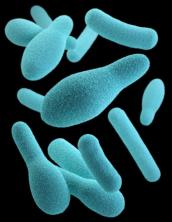
cdc clost spore

Image CDC

On October 25, 2018, at 2:15 a.m., a woman aged 30 years and her mother, aged 55 years, both of Egyptian descent, arrived at an emergency department in New Jersey in hypotensive shock after 16 hours of abdominal pain, vomiting, and diarrhea. The daughter also reported blurry vision and double vision (diplopia), shortness of breath, chest pain, and difficulty speaking. She appeared lethargic and had ophthalmoplegia and bilateral ptosis. Both women were admitted to the hospital. The mother improved after fluid resuscitation, but the daughter required vasopressor support in the intensive care unit. Although the mother did not have evidence of cranial nerve involvement on admission, during the next 24 hours, she developed dysphagia and autonomic dysfunction with syncope and orthostasis and was transferred to the intensive care unit as her symptoms progressively worsened similar to those of her daughter.

Two days before admission, both women had eaten fesikh, a traditional Egyptian fish dish of uneviscerated gray mullet that is fermented and salt-cured. Fesikh has been linked to foodborne botulism, including a large type E outbreak in Egypt in 1993 (1). The Egyptian Ministry of Health has since issued public health warnings regarding fesikh before Sham el-Nessim, the Egyptian holiday commemorating the beginning of spring, during which fesikh is commonly prepared and eaten.* Foodborne botulism outbreaks associated with fesikh and similar uneviscerated salt-cured fish have also occurred in North America (2); two outbreaks occurred among persons of Egyptian descent in New Jersey in 1992 (3) and 2005 (4).

Research -Synergistic effect of steam and lactic acid against Escherichia coli O157:H7, Salmonella Typhimurium, and Listeria monocytogenes biofilms on polyvinyl chloride and stainless steel

Science Direct

Abstract

This study was designed to investigate the individual and combined effects of steam and lactic acid (LA) on the inactivation of biofilms formed by Escherichia coli O157:H7, Salmonella Typhimurium, and Listeria monocytogenes on polyvinyl chloride (PVC) and stainless steel. Six day old biofilms were developed on PVC and stainless steel coupons by using a mixture of three strains each of three foodborne pathogens at 25 °C. After biofilm development, PVC and stainless steel coupons were treated with LA alone (immersed in 0.5% or 2% for 5 s, 15 s, and 30 s), steam alone (on both sides for 5, 10, and 20 s), and the combination of steam and LA. The numbers of biofilm cells of the three foodborne pathogens were significantly (p < 0.05) reduced as the amount of LA and duration of steam exposure increased. There was a synergistic effect of steam and LA on the viability of biofilm cells of the three pathogens. For all biofilm cells of the three foodborne pathogens, reduction levels of individual treatments ranged from 0.11 to 2.12 log CFU/coupon. The combination treatment of steam and LA achieved an additional 0.2 to 2.11 log reduction compared to the sum of individual treatments. After a combined treatment of immersion in 2% LA for 15 s or 30 s followed by exposure to steam for 20 s, biofilm cells of the three pathogens were reduced to below the detection limit (1.48 log). From the results of this study, bacterial populations of biofilms on PVC coupons did not receive the same thermal effect as on stainless steel coupons. Effectiveness of steam and LA may be attributed to the difference between Gram-negative and Gram-positive characteristics of the bacteria studied. The results of this study suggest that the combination of steam and LA has potential as a biofilm control intervention for food processing facilities.