RASFF -Salmonella spp. (presence /25g) in frozen clams (Meretrix spp.) from Vietnam in Portugal
RASFF -Salmonella spp. in frozen clams (Mertrix spp.) from Vietnam in Portugal
RASFF – aflatoxins in groundnut chutney from India in the UK

The current multi-state Salmonella outbreak linked to non-dairy cheeses made from raw cashews is not the first to be linked to nuts. During the last decade, illnesses from Salmonella have been linked to a variety of nuts including pine nuts, peanuts, pistachios, hazelnuts and almonds.
The current outbreak has sickened 14 people in three states: twelve in California, one in Nevada and one in Wyoming. Three people have been hospitalized. The U.S. Food and Drug Administration (FDA) has noted that outbreak strain of Salmonella Stanley is rarely seen outside of Southeast Asia where the cheese maker, Cultured Kitchen of West Sacramento, sources its cashews.
The article also includes discussions of other USA outbreaks.
RASFF -norovirus (GI detected) in frozen whole raspberries from Poland in Denmark
RASFF -Listeria monocytogenes (<10) in soft cheese from France in Germany
RASFF – Listeria monocytogenes (presence /25g) in soft cheese from France in Germany
RASFF -Listeria monocytogenes (presence /25g) in soft cheese from France in Germany
RASFF -Listeria monocytogenes (presence /25g) in chilled soft cheese from France in Germany
RASFF -Salmonella Agona (presence /25g) and Salmonella Senftenberg (presence /25g) in soybean meal from Italy in Austria
TOKYO —
Tochigi prefectural health officials announced Monday that 118 guests suffered food poisoning at a hotel in Nikko City earlier this month and that traces of food-borne Norovirus strains had been detected.
According to authorities, the Kinugawa Gyoen Hotel received complaints of gastrointestinal distress from male and female guests ranging in age from two to 80 between Dec 18 and Dec 22. TBS quoted a hotel spokesperson as saying symptoms included vomiting and diarrhea. Among the 118, eight guests and 11 chefs and kitchen staff were discovered to have the Norovirus strain in their systems.
Health officials said no one had to be hospitalized.
According to a hotel spokesperson, the 118 afflicted guests had eaten inside the hotel restaurant, dining on a variety of menu items, ranging from sashimi dishes to hot Japanese-style curries.
Posted in Food Hygiene, Food Illness, Food Inspections, Food Micro Blog, Food Microbiology, Food Poisoning, Food Safety, Food Safety Alert, Food Testing, Food Virus, Foodborne Illness, Laboratory, Microbiology, Norovirus, outbreak, Pathogen, Poisoning
Tagged food poisoning, hotel restaurant, Kinugawa Gyoen Hotel, norovirus
Last year at this time we told you about a new strain of norovirus, called GII.4 Sydney that the CDC was tracking. Last week, the North Carolina Department of Health and Human Services issued a warning about an outbreak in that state.
The CDC has been studying this new strain. They now have information and statistics on the strain, and have analyzed data from outbreaks in five states.
California Department of Public Health (CDPH) Director and State Health Officer Dr. Ron Chapman today warned people not to eat cashew cheese products manufactured by The Cultured Kitchen because they may be contaminated with Salmonella. Fifteen cases of illnesses have been reported in the Western United States, with twelve of the cases occurring in California. Three patients have been hospitalized and no deaths have been reported.
Posted in Bacteria, Food Hygiene, Food Inspections, Food Micro Blog, Food Microbiology, Food Safety, Food Safety Alert, Food Testing, Hygiene, Laboratory, Microbiology, Pathogen, Recall, Salmonella
Tagged California, cashew cheese products, cdph, Food Poisoning Journal California Department of Public Health, Ron Chapman, State Health Officer Dr
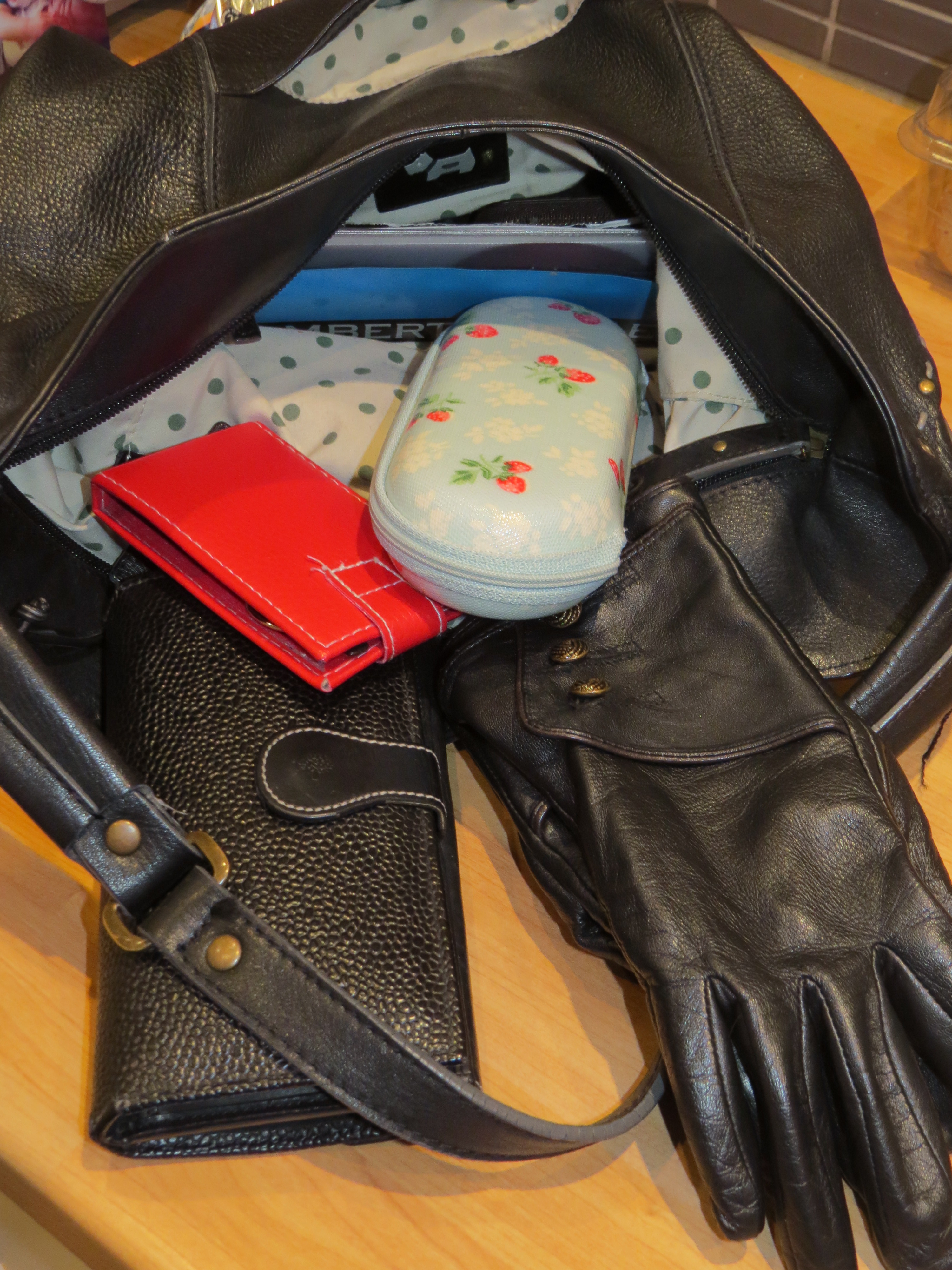
Women’s handbags have more microbes than those that exist in most toilets surface of the toilets. Women put the bag all over the place. They take the bag with them all the time and are passing germs from hand to bag. And no bleach goes in the bag.
The study carried out by Maulori Cabral, Professor at the Institute of Microbiology, Federal University of Rio de Janeiro (UFRJ) reveals that hand cream, lipstick and make-up kits are the dirtiest items that women carry in their handbags. The study compared findings with research carried out by the UK market research company Initial Washroom Hygiene which specializes in cleaning public toilets.