Category Archives: DSP

RASFF Alert – DSP – Live Mussels

RASFF-Logo

RASFF – Diarrhoeic Shellfish Poisoning (DSP) toxins – okadaic acid ( >320 µg/kg – ppb) in live mussels from Italy in Italy

RASFF Alert – DSP – Diarrhoeic Shellfish Poisoning – Live Dog Cockles

RASFF-Logo

RASFF – Diarrhoeic Shellfish Poisoning (DSP) toxins (181.1 µg/kg – ppb) in live dog cockles (Glycymeris glycymeris) from France in France

RASFF Alert – Diarrhoeic Shellfish Poisoning (DSP) – Live Mussels (Mytilus edulis)

RASFF-Logo

RASFF – Diarrhoeic Shellfish Poisoning (DSP) toxins – okadaic acid (182 µg/kg – ppb) in live mussels (Mytilus edulis) from France in France

RASFF Alerts – DSP – Live Clams – Cockles

RASFF-Logo

RASFF – Diarrhoeic Shellfish Poisoning (DSP) toxins (407.1 µg/kg – ppb) in live saltwater clams (Donax spp.) from France in France

RASFF – Diarrhoeic Shellfish Poisoning (DSP) toxins (270 µg/kg – ppb) in cockles from France in France

RASFF – Diarrhoeic Shellfish Poisoning (DSP) toxins (388.3 µg/kg – ppb) in live clams from France in France

Namibia -Shellfish Poisoning Halts Oyster, Mussel Exports – DSP

All Africa

OYSTER and black mussel producers who mainly export to Asia have stopped harvesting and exporting since last week after routine tests revealed the delicacies were contaminated with ‘diarrhoeatic shellfish poisoning’ (DSP), which can make people very sick.

The fisheries ministry issued an alert last week, warning people not to eat oysters or mussels from Lüderitz and Walvis Bay.

Chief fisheries biologist Frikkie Botes said such spells of contamination, which is a seasonal occurrence – mainly during summer from October to April – result in the shellfish industry suffering economic losses.

New Zealand – Shellfish biotoxin alerts – DSP – PSP

MPI

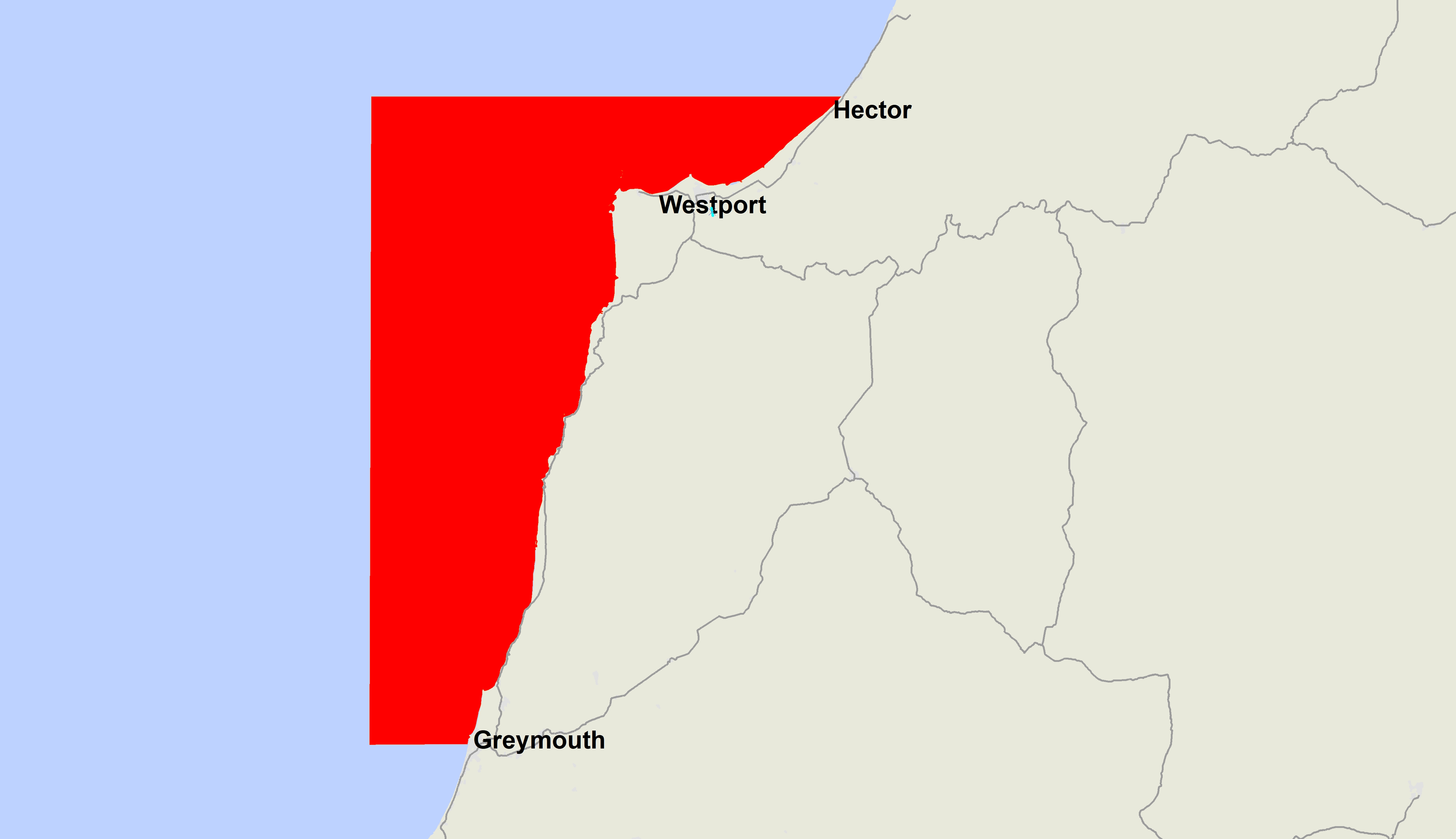
The Ministry for Primary Industries (MPI) today extended the public health warning advising the public not to collect or consume shellfish harvested from the South Island West Coast between Greymouth and Hector.

Routine tests on shellfish samples taken from this region has shown levels of Diarrhetic Shellfish Toxins above the safe limit of 0.16 mg/kg set by MPI.  Anyone eating shellfish from this area is potentially at risk of illness.

Map highlighting in red the areas affected.

MPI

The Ministry for Primary Industries (MPI) today issued a public health warning against collecting shellfish in the Pelorus Sound, excluding the upper Kenepuru Sound. The warning extends outwards to a line from Paparoa Point to Culdaff Point.

Routine tests on shellfish samples taken from this region have shown levels of paralytic shellfish poisoning (PSP) toxins above the safe limit of 0.8 mg/kg set by MPI. Anyone eating shellfish from this area is potentially at risk of illness.

Map highlighting in red the areas affected.

New Zealand – Shellfish biotoxin alert – South Island West Coast region

MPI Mussels

The Ministry for Primary Industries (MPI) today issued a public health warning advising the public not to collect or consume shellfish harvested from between Hector south to Greigs on the South Island West Coast.

Routine tests on shellfish samples taken from Cape Foulwind has shown levels of diarrhetic shellfish toxins above the safe limit of 0.16 mg/kg set by MPI.  Anyone eating shellfish from this area is potentially at risk of illness.

Ongoing testing will continue and any changes will be communicated accordingly.

Mussels, oysters, tuatua, pipi, toheroa, cockles, scallops, catseyes, kina (sea urchin) and all other bivalve shellfish should not be eaten.

Note: cooking shellfish does not remove the toxin.

Map highlighting in red the areas affected.

Namibia -Fisheries Warns Against Poisonous Oyster, Mussel -DSP

All Africa

THE FISHERIES ministry has cautioned the general public not to consume oysters and mussels originating from the Walvis Bay Aquaculture Production Area 1.

This caution comes after recent biotoxins tests done on oyster and mussel samples on aquaculture in the said area found the presence of Diarrhetic Shellfish Poisoning (DSP) at a level higher than the permissible level in these samples.

The sampling and testing were facilitated by the Namibian Standards Institution (NSI) as part of the National Shellfish Sanitation Programme.

A media release issued by the ministry yesterday warned that it is therefore unsafe to consume oysters and mussels until further notice.

Members of the public should take note that marine biotoxins are not destroyed by cooking or freezing.

Earlier this year in May, the ministry had issued another caution against the consumption of the same seafood. In 2016, the ministry noted in a separate incident that the poisoning was only temporary and that the oysters and mussels could be consumed when laboratory results indicate a lower level of the harmful substances.

UK – Scotland -High levels of shellfish toxin

HPS Scotland 

Monitoring work undertaken on behalf of Food Standards Scotland (FSS) has identified raised levels of shellfish toxins in Loch Leurbost in Lewis.

Eating shellfish such as mussels, cockles, or razor fish from these areas may pose a risk to human health and notices to warn the public and casual gatherers have been posted at various locations on the shore. Commercial shellfish harvesters in these areas have been contacted by the Comhairle (Western Isles Council) and steps taken to postpone harvesting until algae levels subside.

The Comhairle is monitoring the situation and will remove warning notices when it improves.

[Source: Comhairle nan Eilean Siar, 26 July 2018. https://www.cne-siar.gov.uk/news/2018/july/high-levels-of-shellfish-toxin/]

RASFF Alert – DSP – Live Dog Cockles

kswfoodworld food safety poisoning

RASFF-Diarrhoeic Shellfish Poisoning (DSP) toxins (346 µg/kg – ppb) in live dog cockles (Glycymeris glycymeris) from France in France