Diarrhoeic Shellfish Poisoning (DSP) toxins (161 µg/kg – ppb) in live mussels (Mytilus galloprovincialis) from Italy in Spain
KSWFoodWorld

Diarrhoeic Shellfish Poisoning (DSP) toxins (161 µg/kg – ppb) in live mussels (Mytilus galloprovincialis) from Italy in Spain
Posted in Algal Toxin, Diarrhoeic Shellfish Poisoning, DSP, food contamination, Food Hazard, Food Hygiene, Food Inspections, Food Micro Blog, Food Microbiology, Food Microbiology Blog, Food Microbiology Testing, Food Poisoning, food recall, Food Safety, Food Safety Alert, Food Testing, Food Toxin, Marine Biotoxin, RASFF
Diarrhoeic Shellfish Poisoning (DSP) toxins (161 µg/kg – ppb) in live mussels (Mytilus galloprovincialis) from Italy in Spain
Posted in Diarrhoeic Shellfish Poisoning, DSP, food contamination, Food Hazard, Food Hygiene, Food Inspections, Food Micro Blog, Food Microbiology, Food Microbiology Blog, Food Microbiology Testing, Food Poisoning, food recall, Food Safety, Food Safety Alert, Food Testing, Food Toxin, Marine Biotoxin, shellfish toxin, Toxin
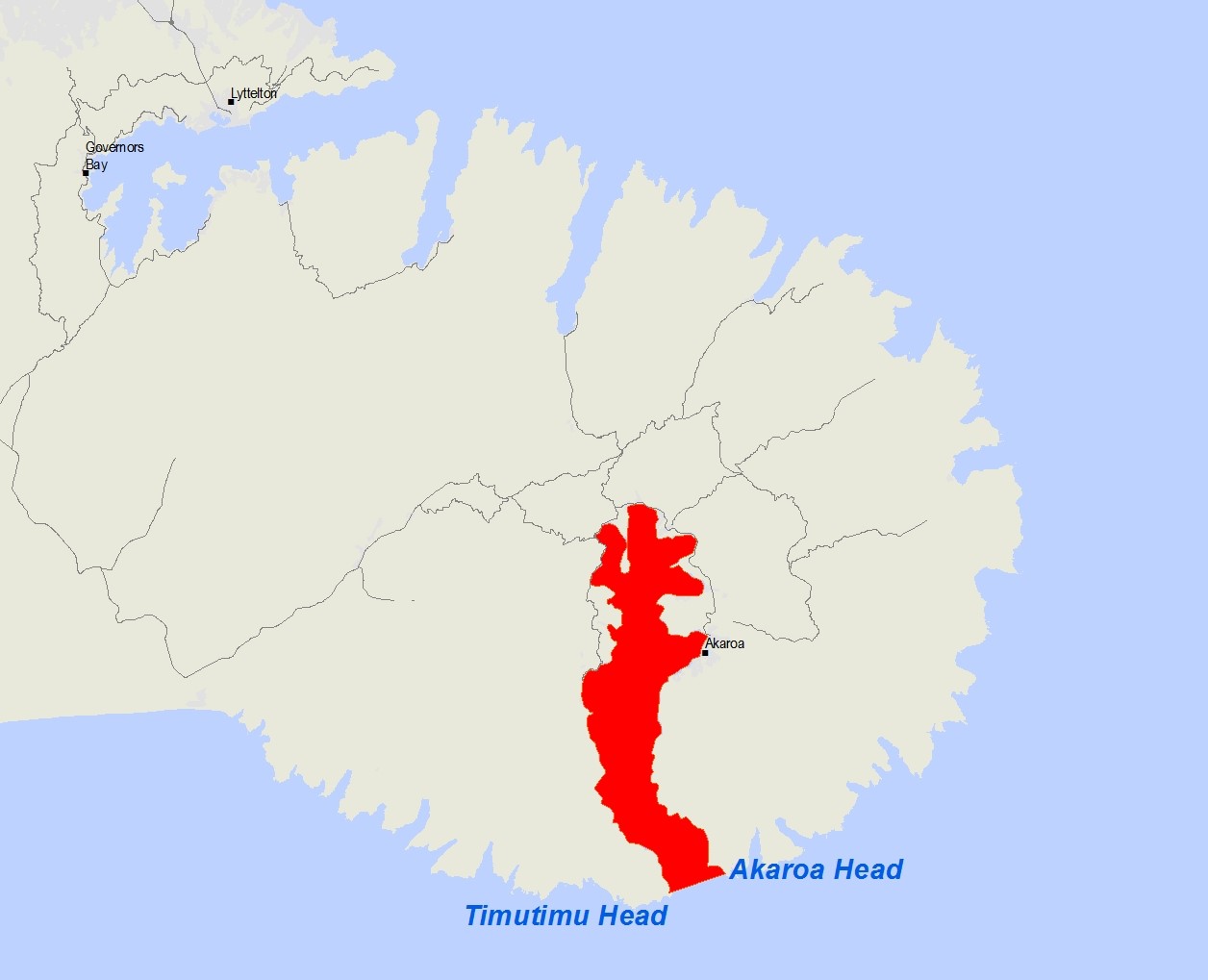
The Ministry for Primary Industries (MPI) today extended a public health warning against collecting shellfish from the entire Banks Peninsula in Canterbury following further test results. Diarrhetic shellfish toxins in shellfish have been found at levels nearly 3 times over the safe limit of 0.16 mg/kg set by MPI. Anyone eating shellfish from this area is potentially at risk of illness.
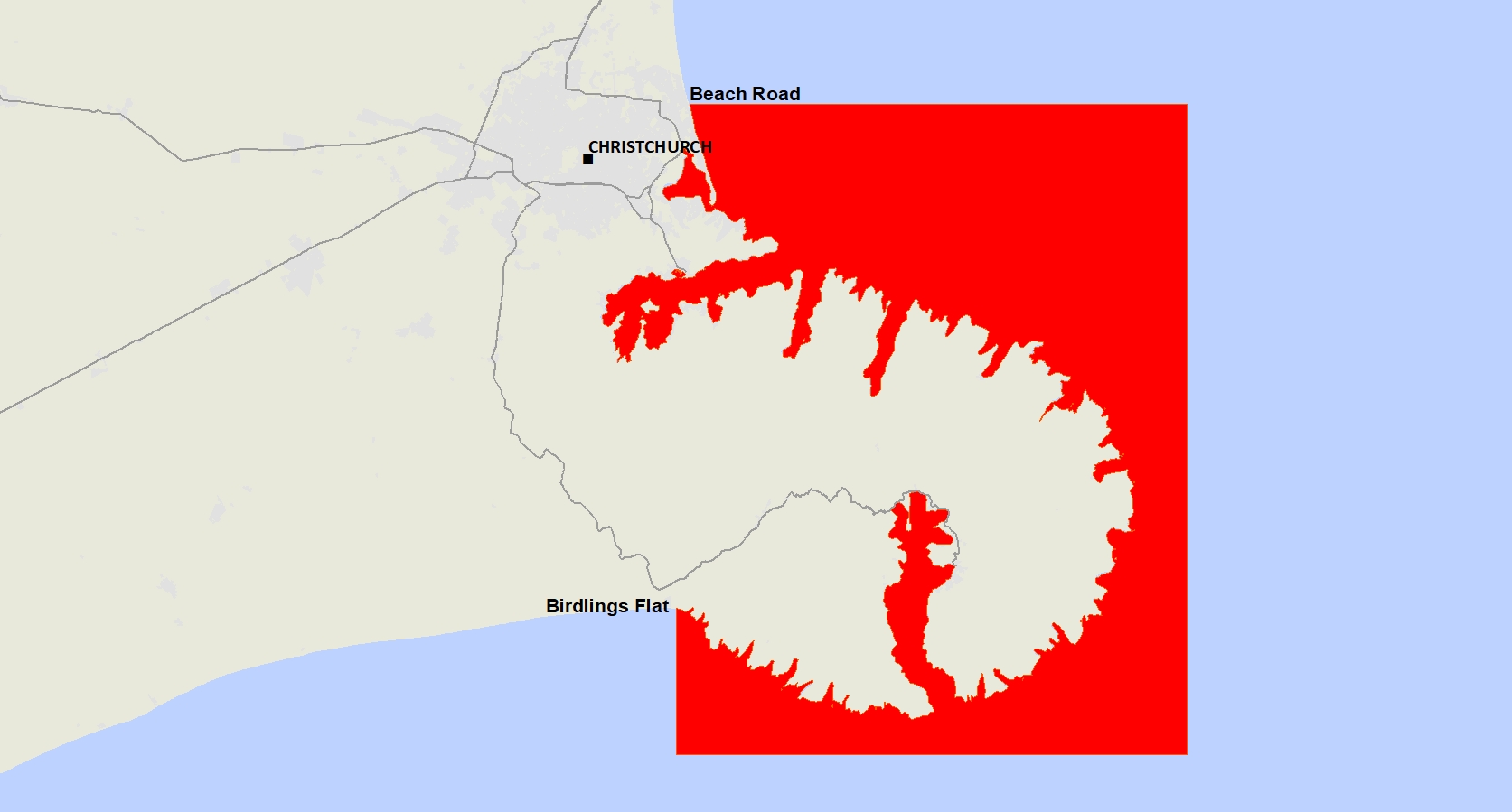
Another warning remains in place for Grove Arm in the Marlborough Sounds.
Ongoing testing will continue and any changes will be communicated accordingly. Commercial shellfish aquaculture farms in the affected area have already ceased harvesting due to rainfall closures and there are no concerns regarding recently harvested product.
Mussels, oysters, tuatua, pipi, toheroa, cockles, scallops, catseyes, kina (sea urchin) and all other bivalve shellfish should not be eaten.
Note, cooking shellfish does not remove the toxin.
Pāua, crab and crayfish may still be eaten if the gut has been completely removed prior to cooking, as toxins accumulate in the gut. If the gut is not removed its contents could contaminate the meat during the cooking process.
Symptoms typically appear within half an hour of ingestion and last for about 24 hours. Symptoms may include:
If anyone becomes ill after eating shellfish from an area where a public health warning has been issued, freephone Healthline for advice on 0800 61 11 16, or seek medical attention immediately. You are also advised to contact your nearest public health unit and keep any leftover shellfish in case it can be tested.
Commercially harvested shellfish – sold in shops and supermarkets, or exported – is subject to strict water and flesh monitoring programmes by MPI to ensure they are safe to eat. There is no commercial harvesting of shellfish in the affected area.
| Marlborough Sounds | |
|---|---|
| Reason for alert | Diarrhetic Shellfish Poisoning (DSP) |
| Date warning issued | 15 December 2021
Media release: Public health warning about shellfish in Akaroa Harbour, Canterbury |
| Affected area | The entire Akaroa Harbour, extending to the outer heads. |
| Shellfish affected | Mussels, oysters, tuatua, pipi, toheroa, cockles, scallops, catseyes, kina (sea urchin) and all other bivalve shellfish.
Note, cooking shellfish does not remove the toxin. Pāua, crab, and crayfish may still be eaten if the gut has been completely removed prior to cooking, as toxins accumulate in the gut. If the gut is not removed its contents could contaminate the meat during the cooking process. |
| Symptoms | Symptoms typically appear within half an hour of ingestion and last for about 24 hours and may include:
|
| Other information | Diarrhetic Shellfish Toxins have been detected in shellfish at levels above the safe limit of 0.16mg/kg set by MPI. Ongoing testing will continue and any changes will be communicated accordingly. |
We test shellfish and seawater for toxic algae every week from popular shellfish gathering areas around New Zealand. If the shellfish are not safe to eat, we issue public health warnings and put up signs at affected beaches.
Posted in Diarrhoeic Shellfish Poisoning, DSP, food contamination, food handler, Food Hazard, Food Hygiene, Food Inspections, Food Micro Blog, Food Microbiology, Food Microbiology Blog, Food Microbiology Testing, Food Poisoning, food recall, Food Safety, Food Safety Alert, Food Testing, Food Toxin, Marine Biotoxin, shellfish toxin
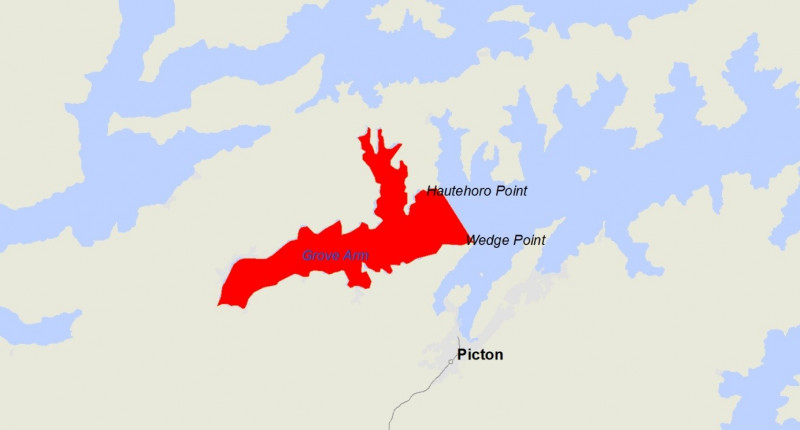
The Ministry for Primary Industries (MPI) yesterday issued a public health warning advising the public not to collect or consume shellfish harvested from Grove Arm in the Marlborough Sounds.
Routine tests on shellfish samples taken from Okiwa Bay has shown levels of Diarrhetic Shellfish Toxins above the safe limit of 0.16 mg/kg set by MPI. Anyone eating shellfish from this area is potentially at risk of illness.
Mussels, oysters, tuatua, pipi, toheroa, cockles, scallops, catseyes, kina (sea urchin) and all other bivalve shellfish should not be eaten.
Note, cooking shellfish does not remove the toxin.
Pāua, crab and crayfish may still be eaten if the gut has been completely removed prior to cooking, as toxins accumulate in the gut. If the gut is not removed its contents could contaminate the meat during the cooking process.
Symptoms typically appear within half an hour of ingestion and last for about 24 hours. Symptoms may include:
If anyone becomes ill after eating shellfish from an area where a public health warning has been issued, freephone Healthline for advice on 0800 61 11 16, or seek medical attention immediately. You are also advised to contact your nearest public health unit and keep any leftover shellfish in case it can be tested.
Monitoring of toxin levels will continue and any changes will be communicated accordingly. Commercially harvested shellfish – sold in shops and supermarkets, or exported – is subject to strict water and flesh monitoring programmes by MPI to ensure they are safe to eat. There is no commercial harvesting of shellfish in the affected area.
See signage in the affected area.
Subscribe to shellfish biotoxins to receive email alerts
Collecting shellfish and keeping them safe [PDF, 1.4 MB]
Causes and symptoms of toxic shellfish poisoning
Food safety for seafood gatherers booklet [PDF, 688 KB
Posted in Diarrhoeic Shellfish Poisoning, DSP, food contamination, food handler, Food Hazard, Food Hygiene, Food Inspections, Food Micro Blog, Food Microbiology, Food Microbiology Blog, Food Microbiology Testing, Food Poisoning, food recall, Food Safety, Food Safety Alert, Food Testing, Food Toxin, Marine Biotoxin
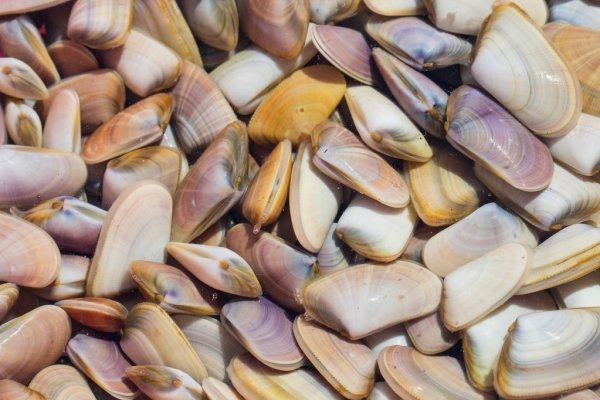
Suspicion of Diarrhoeic Shellfish Poisoning (DSP) toxins in tellins from France in Belgium, France , Germany ,Italy, Spain and Switzerland
Posted in Diarrhoeic Shellfish Poisoning, DSP, food contamination, food handler, Food Hazard, Food Hygiene, Food Inspections, Food Micro Blog, Food Microbiology, Food Microbiology Blog, Food Microbiology Testing, Food Poisoning, food recall, Food Safety, Food Safety Alert, Food Testing, Food Toxin, RASFF
| Lot | ||
|---|---|---|
| All lots | ||
Posted in Algal Toxin, Diarrhoeic Shellfish Poisoning, DSP, food contamination, food handler, Food Hazard, Food Hygiene, Food Inspections, Food Micro Blog, Food Microbiology, Food Microbiology Blog, Food Microbiology Testing, Food Pathogen, food recall, Food Safety, Food Safety Alert, Food Testing, Food Toxin, shellfish toxin, Toxin
Withdrawal of live scallops (Aequipecten operculatis) harvested in France because of possible contamination with Diarrhoeic Shellfish Poisoning (DSP) toxins from Spain in France
Posted in Algal Toxin, Biotoxin, Diarrhoeic Shellfish Poisoning, DSP, food contamination, food handler, Food Hazard, Food Hygiene, Food Inspections, Food Micro Blog, Food Microbiology, Food Microbiology Blog, Food Microbiology Testing, Food Poisoning, food recall, Food Safety, Food Safety Alert, Food Testing, Food Toxin, RASFF, Toxin
Diarrhetic Shellfish Poisoning (DSP) toxins (okadaic acid : 293,6 μg/kg) in frozen stuffed mussels(Mytilus galloprovincialis) from Turkey in Greece
Posted in Diarrhoeic Shellfish Poisoning, DSP, food contamination, Food Hazard, Food Hygiene, Food Inspections, Food Micro Blog, Food Microbiology, Food Microbiology Blog, Food Microbiology Testing, Food Poisoning, food recall, Food Safety, Food Safety Alert, Food Testing, Food Toxin, okadaic acid, RASFF
Diarrhoeic Shellfish Poisoning (DSP) toxins (okadaic acid: >320 µg/kg; dinophystoxins: <40 and 71 µg/kg – ppb) in live cockles (Cerastoderma edule) from Portugal

 FoodWorld