Category Archives: cross contamination

Research – Turkish study reveals high prevalence of Salmonella in poultry meat

Food Safety News

A study in Turkey has found nearly 40 percent of chicken products sampled contained Salmonella.

Researchers investigated prevalence, antibiotic resistance, and genomic diversity of Salmonella in raw poultry meat products across Turkey.

A total of 293 samples were collected, including chicken breast, skinned drumstick, skinned chicken chop, wing, chicken offal, and chicken patty.

RASFF Alert- Bacterial Contamination – Spring Water

RASFF

Bacteria in natural sping water from Finland to Singapore

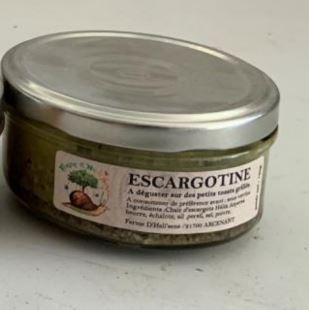
France – Snails – Possible Micro Spoilage

Gov France

Product category
Food
Product subcategory
Snails and frogs
Product brand name
HELI’SENS Farm
Model names or references
Provençal-style escargotine Bourguignone-style escargotine
Product identification
Batch Date
1526 Minimum durability date 11/30/2025
Packaging
Verrine 190TO82, net mass: 120g
Start/end date of marketing
From 11/25/2023 to 03/06/2024
Storage temperature
Product to be stored at room temperature
Health mark
25,056,058
Further information
Snail spread from lot 1526 to be found under the glass.
Geographical sales area
Departments: COTE-D’OR (21)
Distributors
Direct sale by Ferme d’Heli’Sens

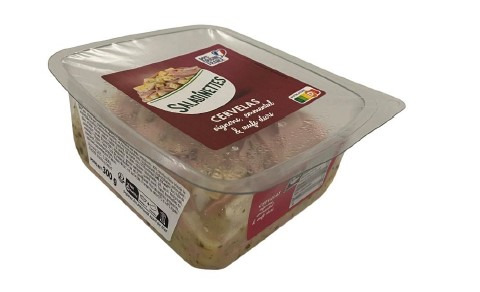
France – Alsatian salad 300g – Microbiological Risk

Gov France

Product category
Food
Product subcategory
Prepared meals and snacks
Product brand name
Saladinettes
Model names or references
Alsatian salad 300g
Product identification
GTIN Batch Date
4056489614302 407310 Use-by date 04/10/2024
Packaging
300g tray
Start/end date of marketing
From 03/14/2024 to 03/20/2024
Storage temperature
Product to keep in the refrigerator
Geographical sales area
See the list of affected stores
Distributors
Some Lidl supermarkets (see list)
List of points of sale
Store_list.pdf

USA – Spring Holidays are a Treat, Don’t Let Bacteria Ruin Your Feast

FSIS USDA

It’s a special time of year, where friends and family from coast to coast will gather for a rare occurrence: the three major holidays of Easter, Eid, and Passover all falling within the spring season. People who observe these faiths will gather with friends and family to enjoy traditional meals.

“The holiday season is a special time to gather with friends and family and enjoy traditional meals,” said USDA Under Secretary for Food Safety Dr. Emilio Esteban. “Whether you’re celebrating your Easter dinner with ham, Eid lunch with lamb, or Seder meal with brisket, remember to keep food safety at the forefront.”

These holiday meals often have cultural significance and may require foods to be prepared early, so that religious obligations are completed prior to gathering and enjoying the meals. This provides an extended opportunity for foodborne illness to ruin major holiday dishes. The U.S. Department of Agriculture’s (USDA) Food Safety and Inspection Service (FSIS) wants to keep your celebrations going with some tips on how not to be at risk for foodborne illness.

Here are six pieces of advice from the USDA to keep your holiday meals safe:

#1 Keep Hands Clean Before, During, and After Food Prep

Handwashing is the first step to avoiding foodborne illness. In a recent USDA study, 96% of handwashing attempts failed due to not including all the necessary steps. Wash your hands for at least 20 seconds with soap and water before and after handling food and when switching between ingredients.

#2 Prevent Cross-Contamination of Surfaces and Foods

Cross-contamination is the spread of bacteria from raw meat and poultry onto ready-to-eat food, surfaces, and utensils. Avoid this by using separate cutting boards — one for raw meat and poultry, and another for ready-to-eat foods such as fruits and vegetables. Clean and sanitize any areas where meat and poultry have touched before and after cooking. Cleaning with soap and water physically removes the germs, and sanitizing kills any that may remain. Many different sanitizers can be used: an easy homemade version is to make a solution of 1 tablespoon of liquid chlorine bleach per gallon of water, or you can use a commercial sanitizer or sanitizing wipe.

#3 Thaw Meat and Poultry Safely

Leaving any frozen package of meat or poultry for more than two hours on the counter at room temperature is dangerous. Even though the center of the package may still be frozen, the outer layer of the food is in the “Danger Zone” between 40 and 140 F — a temperature where foodborne bacteria multiply rapidly and cause foodborne illness. Plan for refrigerator, cold water, or microwave thawing instead.

#4 Cook to a Safe Internal Temperature

Color is never a reliable indicator of safety and doneness. Use a food thermometer to ensure the following safe internal temperatures:

  • Cook fish to 145 F.
  • Cook beef, pork, lamb and veal steaks, chops and roasts to 145 F. For safety and quality, allow meat to rest for at least three minutes before carving or consuming.
  • Ham, fresh or smoked (uncooked): 145 F
  • Cook ground meats, including beef, pork, lamb and veal to 160 F.
  • Cook egg dishes to 160 F.
  • Cook poultry (whole or ground) to 165 F.

When reheating already cooked meat, poultry or egg items that have cooled, they should be reheated to at least 165 °F. USDA recommends reheating cooked meat, poultry or egg products on the stove top, in the oven, or in a microwave.

#5 Keep Hot Foods Hot, and Cold Foods Cold

Food should not be left in the Danger Zone for more than two hours (called the two-hour rule). After two hours, bacteria can reach dangerous levels that can cause foodborne illness. Perishable foods, such as kebabs or brisket, should be discarded if left out for longer than two hours.

To prevent food waste, refrigerate or freeze perishable items within two hours, or keep hot foods hot and cold foods cold. Keep cold foods at a temperature of 40 F or below by keeping food nestled in ice or refrigerated until ready to serve. Keep hot foods at a temperature of 140 F or above by placing food in a preheated oven, warming trays, chafing dishes or slow cookers.

#6 Use or Freeze Leftovers within Four Days

Leftovers (including appetizers, side dishes and main courses) should be stored within two hours of cooking. Divide leftovers into smaller portions and refrigerate or freeze them in shallow containers, which helps leftovers cool quicker than storing them in large quantities. Place leftovers into airtight containers to help keep bacteria out and retain moisture.

Leftovers can be kept in the refrigerator for three to four days or frozen for three to four months. Although safe indefinitely, frozen leftovers can lose moisture and flavor when stored for longer times in the freezer.

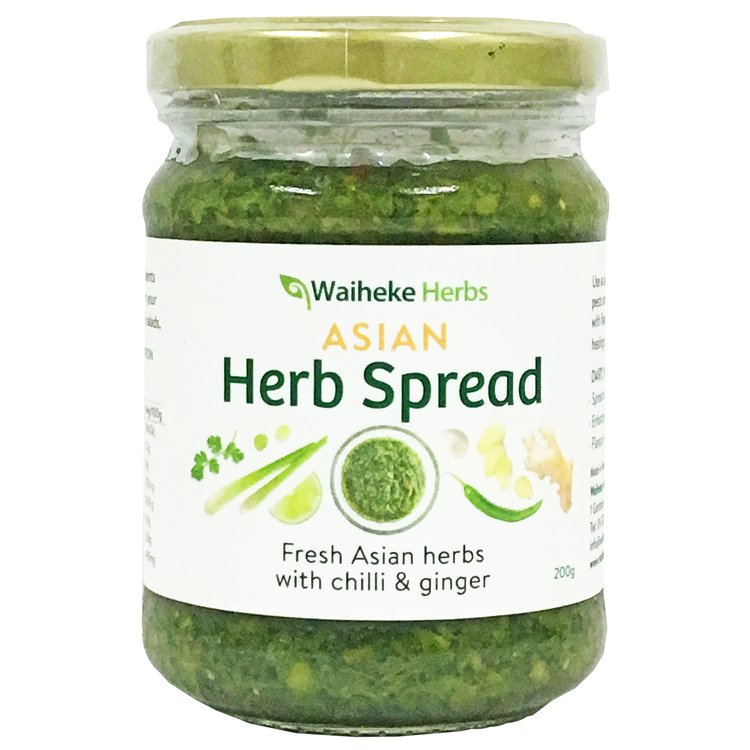
New Zealand – Waiheke Herbs brand Asian Herb Spread, Fresh Asian herbs with chilli & ginger – Possible Microbial Contamination

MPI

12 March 2024: Waiheke Herbs Ltd is recalling a specific batch of its Waiheke Herbs brand Asian Herb Spread, Fresh Asian herbs with chilli & ginger as usual food safety steps have not been followed which may lead to an increase in bacteria.

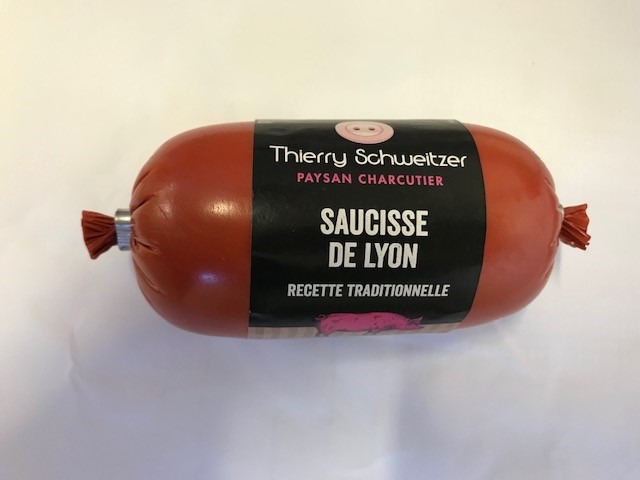
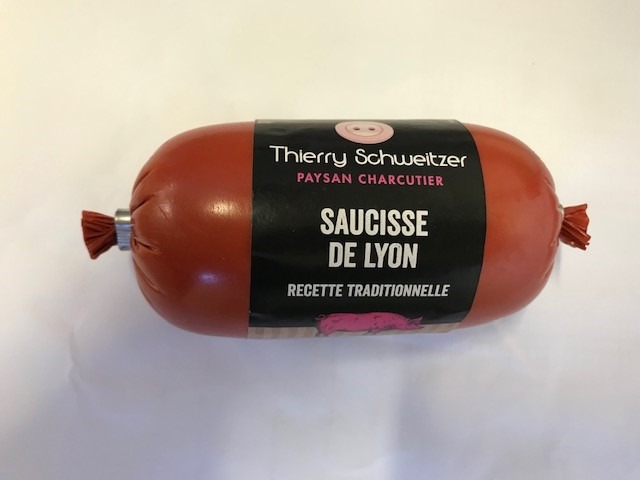
France – Lyon sausage – Microbial Contamination

Gov France

Product category
Food
Product subcategory
Meats
Product brand name
Thierry SCHWEITZER
Model names or references
Lyon sausage 220g
Product identification
GTIN Batch Date
3760041606186 24065-129 Use-by date 04/29/2024
Packaging
Artificial casing
Start/end date of marketing
From 03/07/2024 to 03/07/2024
Storage temperature
Product to keep in the refrigerator
Health mark
FR67348009CE
Geographical sales area
Regions: Grand-Est
Distributors
U Store Bas-Rhin and Haut-Rhin, Intermarché, Cora Dorlisheim, Thierry SCHWEITZER
List of points of sale
S_lyon_220g_traceability.pdf

USA -FDA Advises Restaurants and Retailers Not to Serve or Sell and Consumers Not to Eat Certain Mussels from Newfoundland, Canada Due to Potential Contamination

FDA

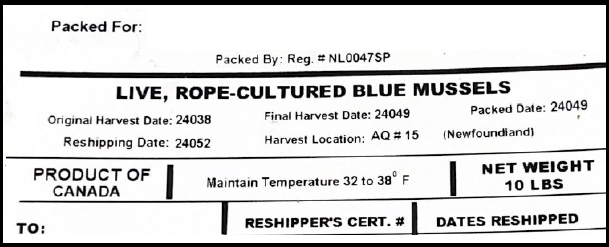
Certain live mussels from Allen’s Fisheries, Ltd. (NL0047SP), Benoit’s Cove, Newfoundland, Canada were initially harvested on 2/07/2024 (Julian date 24038) from harvest area AQ # 15 Newfoundland, with final harvest date of 2/18/2024 (Julian date 24049) and shipped to  distributors in CT, FL, MD, MA, NJ, NY, and PA on or around 2/21/2024 (Julian Date 24052). The live mussels were distributed to restaurants and retailers in CT, FL, MD, MA, NJ, NY, and PA and may have been distributed to other states, as well.

The following product tag is provided to be representative of labeling that would accompany the implicated mussels.

Sample product tag from the alert concerning certain mussels from Newfoundland, Canada due to potential contamination

Purpose

The FDA is advising restaurants and food retailers not to serve or sell and to dispose of mussels and consumers not to eat mussels from Allen’s Fisheries (NL0047SP) in Newfoundland, Canada, harvested on 2/07/2024 (Julian date 24038), from harvest area AQ # 15 Newfoundland, with final harvest date of 2/18/2024 (Julian date 24049) and shipped to distributors in CT, FL, MD, MA, NJ, NY, and PA on or around 2/21/2024 (Julian Date 24052) because they may be contaminated.

Contaminated shellfish can cause illness, especially if eaten raw, particularly in people with compromised immune systems. Food contaminated with pathogens or biotoxins may look, smell, and taste normal. Consumers of these products who are experiencing food poisoning symptoms such as diarrhea, stomach pain or cramps, nausea, vomiting, or fever should contact their healthcare provider, who should report their symptoms to their local Health Department.

Summary of Problem and Scope

On 3/1/2024, the New Jersey Department of Health advised the FDA of an outbreak of illness associated with consumption of certain mussels. The cases experienced symptoms including nausea, vomiting and diarrhea. The advisory includes mussels from Allen’s Fisheries (NL0047SP) in Newfoundland, Canada, harvested on 2/07/2024 (Julian date 24038), from harvest area AQ # 15 Newfoundland, with final harvest date of 2/18/2024 (Julian date 24049) and shipped to distributors in CT, FL, MD, MA, NJ, NY, and PA on or around 2/21/2024 (Julian Date 24052).

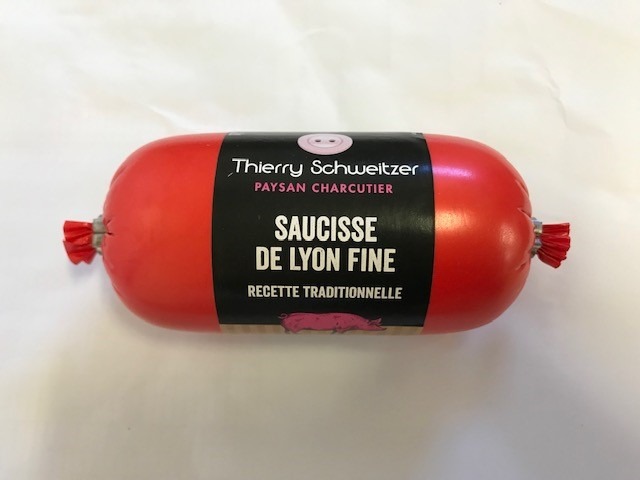
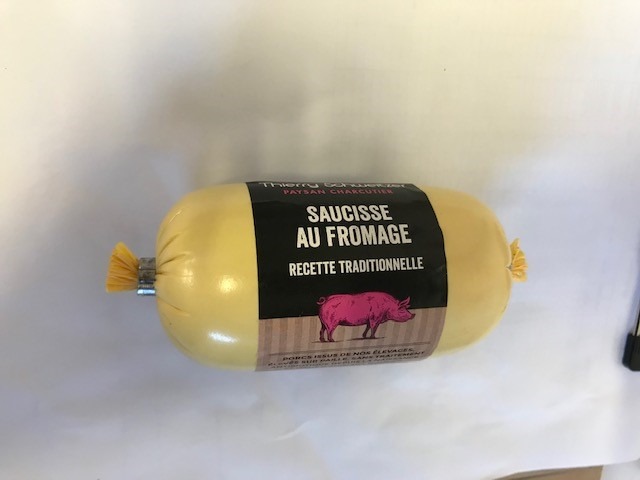
France – Lyon sausage – Fine Lyon sausage- Cheese sausage – Microbial Contamination

Practical information regarding the recall

  • Reason for recallLack of cooking
  • Risks incurred by the consumerManufacturing defect, sealing defect (e.g.: micro leaks, defective heat sealing) or packaging anomalies
  • Additional description of the riskDLC of our finished products which may be lower than that validated due to lack of cooking. Possible multiplication, until the end of the shelf life indicated on our labels, of pathogenic germs.

Gov France

Lyon sausage

Gov France

Fine Lyon sausage

Gov France

Cheese sausage

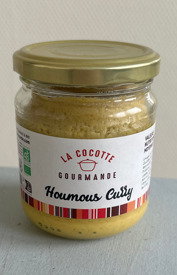
France – Hummus curry 180g – Microbiological Contamination

Gov France

Product category
Food
Product subcategory
Soups, sauces and condiments
Product brand name
The Gourmet Cocotte
Model names or references
Hummus curry 180g lot A329-23
Product identification
GTIN Batch Date
3770002981375 A329-23 Minimum durability date 11/30/2026
Packaging
180g glass jar
Start/end date of marketing
From 05/12/2023 to 26/02/2024
Storage temperature
Product to be stored at room temperature
Geographical sales area
Whole France
Distributors
Organic store, production store, organic wholesaler
List of points of sale
Stores_concerned_by_the_withdrawal_recall_houmous_curry_lot_A329-23.pdf