Category Archives: Campylobacter

Research Campylobacter Updates

Eurosurveillance

Differentiation between travel-related and domestic cases of infectious disease is important in managing risk. Incubation periods of cases from several outbreaks of campylobacteriosis in Canada, Europe, and the United States with defined exposure time of less than 24 hours were collated to provide information on the incubation period distribution. This distribution was consistent across the varied outbreaks considered, with 84% (702/832) of cases having an incubation period of four days or less and 1% having an incubation period of eight days or more. The incubation period distribution was incorporated into a model for the number of travel-related cases presenting with symptom onset at given dates after return to their country of residence. Using New Zealand notification data between 2006 and 2010 for cases who had undertaken foreign travel within 10 days prior to symptom onset, we found that 29.6% (67/227 cases; 95% confidence interval (CI): 28.3–30.8%) of these cases were likely to have been domestic cases. When cases with symptom onset prior to arrival were included, the probable domestic cases represented 11.8% (67/571; 95% CI: 11.2–12.3%). Consideration of incubation time distributions and consistent collection of travel start/end dates with symptom onset dates would assist attribution of cases to foreign travel.

Clincal Infectious Diseases

Campylobacteriosis in humans, caused by Campylobacter jejuni and C. coli, is the most common recognized bacterial zoonosis in the EU and US. The acute phase is characterized by gastro intestinal  symptoms. The long-term sequelae (Guillain-Barré Syndrome, reactive arthritis and post-infectious irritable bowel syndrome)  contribute considerably to the disease burden. Attribution studies identified poultry as the reservoir responsible for up         to 80% of the human Campylobacter infections. In the EU, an estimated 30% of the human infections is associated with consumption and preparation of poultry  meat. Until now, interventions in the poultry meat production chain have not been effectively introduced except for targeted  interventions in Iceland and New Zealand. Intervention measures (e.g. biosecurity) have limited effect or are hampered by  economic aspects or consumer acceptance. In the future a multi-level approach should be followed, aiming at reducing the level of contamination of consumer products rather than complete absence of Campylobacter.

CDC  – UK Duck Liver Campylobacter Outbreak

Campylobacter­ spp.–related gastroenteritis in diners at a catering college restaurant was associated with consumption of duck liver pâté. Population genetic analysis indicated that isolates from duck samples were typical of isolates from farmed poultry. Campylobacter spp. contamination of duck liver may present a hazard similar to the increasingly recognized contamination of chicken liver.


RASFF Alerts – Campylobacter – Chicken

RASFF -Campylobacter (between 400 and 17000 CFU/g) in chilled chicken thighs from Poland In Denmark

RASFF -Campylobacter jejuni (100 – 5.300 /g) in chilled whole chicken from Germany

Research – Campylobacter Thermal Survival

IngentaConnectCampylobacter

In Europe, Campylobacter is the leading reported cause of bacterial foodborne infectious disease. Quantifying its ability to survive at chilled and ambient temperatures and identifying the factors involved in variation in its survival may contribute to the development of efficient risk management strategies. A data set of 307 inactivation curves collected from the literature and the ComBase database, combined with 388 experimental curves, was analyzed with a log-linear model to obtain 695 D-values (time for 1 log inactivation). An additional 146 D-values collected from the literature or ComBase were added to the data set, for a total of 841 D-values. Because data were collected from different studies, the experimental conditions were somewhat heterogeneous (e.g., type of media or strain used). The full data set was then split into 19 different study types on which a meta-analysis was performed to determine the effect of temperature (range 0 to 42°C), Campylobacter species (C. coli and C. jejuni), and media (liquid media or meat matrix) on the survival ability of Campylobacter. A mixed-effects model, in which the study type and bacterial species were considered as random effects and the media and temperature as fixed effects, was run using a Bayesian approach. Overall, the model gave satisfactory results, with a residual standard deviation of 0.345 (the model response was the log D-value, expressed in days). In addition, the survival of Campylobacter was greater at 0 than at 42°C, with a log-linear pattern; the z-value (temperature to have a 10-fold decrease of D-value) was estimated to be 26.4°C (95 % interval: 23.9 to 29.4°C). Despite a significant media-species interaction term, it was established that both species were more resistant on the meat matrix than in liquid media. These results may be used to understand how Campylobacter can survive along the food chain, particularly in chilled environments, and consequently be transferred to other foodstuffs.

Research -Raw Milk Concumption Benefits and Risks

Science DirectimagesCAZ9J1WP

In the context of the prevailing trend toward more natural products, there seems to be an increasing preference for raw milk consumption as raw milk is associated with several perceived health benefits that are believed to be destroyed upon heating. However, many human pathogens can be isolated from raw cow milk. The prevalence of foodborne pathogens in raw cow milk varies, but their presence has been demonstrated in many surveys and foodborne infections have been repeatedly reported for Campylobacter, Salmonella spp. and human pathogenic verocytotoxin-producing Escherichia coli. In industrialized countries, milk-borne and milk product-borne outbreaks represent 2–6% of the bacterial foodborne outbreaks.

The aim of this review is to present scientifically sound data regarding the risks and benefits related to the consumption of raw and heated cow milk. Both microbiological aspects (e.g., the prevalence of milk-borne pathogens, pathogen growth inhibition by antimicrobial systems and by lactic acid producing bacteria, probiotic bacteria, etc.) and nutritional or health aspects (nutritional value, immunity, allergies, lactose intolerance, diabetes, milk digestibility, etc.) are considered.

As such, it is demonstrated that consumption of raw milk poses a realistic health threat due to a possible contamination with human pathogens. It is therefore strongly recommended that milk should be heated before consumption. With the exception of an altered organoleptic profile, heating (in particularly ultra high temperature and similar treatments) will not substantially change the nutritional value of raw milk or other benefits associated with raw milk consumption.


Science Direct

RASFF Alerts Listeria – Fish – Campylobacter – Chicken – Bacillus cereus -Ginger Powder – Curry Powder

RASFF -Listeria monocytogenes (2600, <10 CFU/g) in smoked halibut from Belgium, with raw material from Denmark

RASFF -Listeria monocytogenes (<10 CFU/g) in various tuna, smoked salmon and sea food salads from Belgium in France

RASFF -Campylobacter coli (2800; 45000 CFU/g) and Campylobacter jejuni (3200; 120000 CFU/g) in fresh whole chicken, breast fillet from France in Den mark

RASFF -Bacillus cereus (39000 CFU/g) in ginger powder from India, via France in Switzerland

RASFF -Bacillus cereus (14000 CFU/g) in curry powder from India in Switzerland

RASFF – Bacillus cereus (55000 CFU/g) in curry powder from India in Switzerland

UK – FSA Campylobacter Plan

FSAfood_standards_agency_logo

The FSA has recently outlined a refreshed strategy to reduce the number of people getting ill from campylobacter. The strategy will be discussed by the FSA Board at its meeting in Aberdeen on Wednesday, 11 September.

Campylobacter is the most common cause of food poisoning in the UK. It is considered to be responsible for about 460,000 cases of food poisoning, 22,000 hospitalisations and 110 deaths each year and a significant proportion of these cases come from poultry. An FSA survey of chicken on sale in the UK (2007/8) indicated that 65% of chicken on sale in shops was contaminated with campylobacter.

Reducing cases of campylobacter is the FSA’s top food safety priority but monitoring carried out by the FSA shows there is no evidence of change in the proportion of the most highly contaminated chickens since 2008.

USA – Campylobacter in Raw Milk – Again!

Food Poisoning BulletinCampylobacter

For the third time in 20 months, a raw milk Campylobacter outbreak has been associated with The Family Cow farm in Chambersburg, Pennsylvania. Two people who consumed raw milk form the farm have confirmed cases of Campylobacter infection, called campylobacteriosis, according to Pennsylvania health officials. The farm has stopped selling raw milk while the investigation is pending.

RASFF Alerts – Campylobacter in Poultry – Bacillus cereus in Tuna Salad

RASFF -Campylobacter coli (presence /25g) in chilled poultry meat from Germany in Italy

RASFF -Bacillus cereus ( > 150000 CFU/g) in tuna salad from Belgium in Luxembourg

Research – Campylobacter Antibiotic Resistance is Increasing

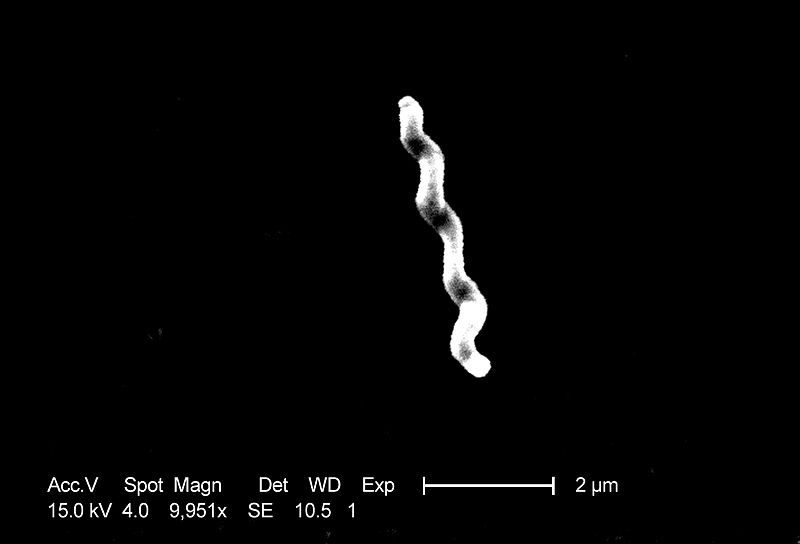
Food Poisoning BulletinCampylobacter_jejuni_01

Antibiotic resistance in Campylobacter is on the rise, according to a new study appearing in the July 7 edition of Emerging Infectious Disease. Researchers from the National Institute of Cholera and Enteric Diseases, Kolkata, India, where Campylobacter rates remain steady throughout the year, tested 142 samples and found that all of them were resistant to trimethoprim–sulfamethoxazole, (Septra, Bactrim) and 97 percent were resistant to quinolone (nalidixic acid) and fluoroquinolones (norfloxacin, ciprofloxacin, and ofloxacin). and erythromycin, azithromycin, gentamicin, furazolidone, and chloramphenicol. Multi-drug resistance was also high.

UK – FSA – Latest research published by the FSA

FSA

The Agency has produced a summary of its research published in April to June 2013. Several areas of research were covered, including consumer attitudes towards the decontamination of meat and the use of freezing to reduce campylobacter in chicken livers. A full report for each area of research can be found via the links at the bottom of the page.

Evaluation: Freezing to reduce campylobacters in chicken liver
The FSA commissioned a research project to assess whether freezing chicken livers, before they are prepared and cooked in a catering or domestic kitchen, can significantly reduce the incidence of campylobacter contamination. Freezing is a proven effective intervention to control campylobacter contamination of poultry meat. However, there has been a lack of evidence on how effective this treatment is with chicken livers, particularly under conditions similar to those in catering or domestic kitchens where freezer temperatures and freezing rates may vary.