Category Archives: Antibiotic Resistance

Research – Burying or burning garbage boosts airborne bacteria, antibiotic resistance genes

Science Daily

Municipal solid waste is trash — such as plastic, food scraps and lawn clippings — that goes into garbage bins and doesn’t get recycled. Most of this waste is buried in landfills or is incinerated. Now, researchers reporting in ACS’ Environmental Science & Technology have shown that when disposed of in this way, municipal solid waste can be an important source of antibiotic-resistance genes in the air.

Residual antibiotics from discarded medications and other products can end up in municipal solid waste. Some microbes in the garbage are resistant to those antibiotics, and they can spread resistance genes to other bacteria, allowing them to survive in the presence of these drugs. But scientists hadn’t studied whether treating the garbage through incineration or landfilling releases these bacteria and genes into the air, where people or animals could breathe them in. So Yi Luo, Xiangdong Li and colleagues wanted to investigate the bacterial community and associated antibiotic-resistance genes in the municipal solid waste treatment system of Changzhou, a city in eastern China.
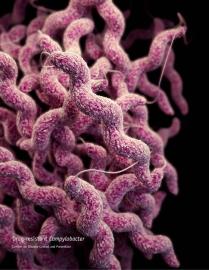
 

Research – Campylobacter chicken liver outbreak adds to evidence of risk

Food Safety News

campy2

Image CDC

Researchers have called for increased awareness to reduce the risk of Campylobacter outbreaks linked to incorrectly cooked chicken liver dishes.

Communication from food safety and public health authorities may be required. Any strategy should ensure the risk profile of poultry liver-containing dishes is raised and availability of evidence-based preventative strategies for food preparation promoted, according to the study published in the journal Epidemiology and Infection.

There were 19 people who got campylobacteriosis linked to an outbreak in England 2016; seven confirmed and 12 probable cases. Chicken liver pâté was most strongly associated with illness. Three cases reported an incubation period of less than 24 hours, consistent with other outbreaks of campylobacteriosis associated with poultry liver.

Diversorium Ltd., the company which owned and operated the Downe Arms, a hotel in Wykeham near Scarborough, was fined £8,000 ($10,300) in November 2017 for two food hygiene related offences related to the outbreak.

Research – Stressed-out dust is sharing antibiotic resistance genes

Northwestern

First study to show indoor dust bacteria have transferrable antibiotic resistance genes.

A new Northwestern University study is the first to find that bacteria living in household dust can spread antibiotic resistance genes. Although most bacteria are harmless, the researchers believe these genes could potentially spread to pathogens, making infections more difficult to treat.

“This evidence, in and of itself, doesn’t mean that antibiotic resistance is getting worse,” said Northwestern’s Erica Hartmann, who led the study. “It’s just one more risk factor. It’s one more thing that we need to be careful about.”

Research – Antibacterial mechanism of Tetrapleura tetraptera extract against Escherichia coli and Staphylococcus aureus and its application in pork

Wiley Online

Abstract

The antibacterial activity and the mechanism of Tetrapleura tetraptera root extract against Escherichia coli and Staphylococcus aureus were investigated. The mechanism of action of T. tetraptera on tested bacterial species was predominantly characterized by the study of transmission electron microscopy, which revealed severe damage on the primary target which affected the cell integrity and cell membrane permeability. The loss of soluble proteins studied by bacterial protein sodium dodecyl sulfate–polyacrylamide gel electrophoresis analysis and the decreased adenosine triphosphate and DNA contents confirmed the leakage of cell wall. In addition, the studies revealed that the root extract of T. tetraptera could also disrupt the respiratory metabolism by inhibiting the bacteria through the Embden–Meyerhof–Parnas and the hexose monophosphate pathways. T. tetraptera extract possessed a high level of antimicrobial activity in pork, which significantly reduced total viable bacterial population. This study clearly indicates that the T. tetraptera could be a potential source of new antimicrobial agent which has proven effective activity against antibiotic‐resistant strains of pathogens.

Practical Applications

Tetrapleura tetraptera is a flowering plant native to Africa with a wide range of applicability in local cuisines and traditional medicine. The T. tetraptera root extract possesses high antimicrobial activity against both gram‐positive and gram‐negative bacteria. This study could contribute to the better understanding of antibacterial mechanism of T. tetraptera. As a natural food preservative, it has broad prospect to be utilized in the meat industry.

Research – NARMS report shows rising resistance in foodborne bacteria

CIDRAP

The latest data from a national surveillance system that monitors foodborne bacteria for antibiotic resistance shows rising resistance to the drugs commonly used to treat Salmonella infections.

The findings come from the 2016-2017 National Antimicrobial Resistance Monitoring Systems (NARMS) Integrated Summary, which combines data from the Centers for Disease Control and Prevention (CDC), the Food and Drug Administration (FDA), and the US Department of Agriculture (USDA). The report provides a snapshot of antibiotic resistance patterns found in bacteria isolated from humans, raw retail meats (chicken, ground turkey, ground beef, and pork chops), and healthy animals at slaughter.

In addition to finding rising resistance to first-line antibiotics in human isolates of Salmonella, the NARMS data also show an increase in multidrug-resistant (MDR) Salmonella recovered from chickens and multidrug-resistant Campylobacter coli isolated from beef and dairy cattle.

Research -Antibiotic-free poultry meat less likely to harbor multidrug-resistant Salmonella

CIDRAP Campylobacter kswfoodworld

An analysis by researchers in Pennsylvania found that meat from conventionally raised poultry harbored nearly twice as much multidrug-resistant Salmonella as meat from antibiotic-free poultry, according to a study reported today at IDWeek 2019.

The findings come from a study conducted by scientists with the Pennsylvania Department of Health, Penn State College of Medicine, and the Food and Drug Administration (FDA) that examined non-typhoidal Salmonella cultures from nearly 3,500 samples of chicken and turkey bought from randomly selected stores in Pennsylvania from 2008 through 2017. Analysis of the Salmonella cultures found that 55% of those from conventionally raised poultry meat were resistant to three or more antibiotic classes, compared with 28% of the cultures from the antibiotic-free poultry meat.

Salmonella is a leading cause of foodborne illness, affecting more than 1.2 million Americans each year. While most cases are self-limiting, some salmonellosis cases require antibiotics and hospitalization. Drug-resistant Salmonella is harder to treat and can cause more severe and sometimes deadly infections.

Research – Antibiotic resistant phenotypes of Staphylococcus aureus isolated from fresh and fermented milk in parts of Nasarawa State, Nigeria

Academic Journals

Abstract

This work was aimed at determining the occurrence and antibiogram of Staphylococcus aureusisolated from fresh and fermented milk samples in parts of Nasarawa State, Nigeria. A total of 180 samples comprising of fresh raw milk, bulk milk, nono, and kindirmo were collected over a period of 6 months (May to October, 2017). Standard microbiological procedures were employed in the isolation, identification, characterisation, and determination of the antibiogram of S. aureus from the milk samples. Characterisation of the S. aureus isolates was by morphological, biochemical characteristics using conventional methods, Microgen® STAPH-ID kits. Confirmed isolates were tested for susceptibility or resistance to a panel of 11 commonly used antibiotics using the agar disc diffusion technique. Out of the 180 milk samples examined, 9 S. aureus were isolated giving a prevalence of 5.0%. The occurrence of S. aureus was higher in nono (12.1%) and kindirmo (10.6%) than in fresh raw milk (5.9%). The high occurrence of S. aureus in nono disproved the assertion that fermented foods are not good media for the survival and growth of S. aureus. The antibiotic susceptibility profile of the S. aureus isolates indicated all of the nine isolates were completely resistant to cefoxitin, ampicillin, and amoxicillin/clavulanic acid. The isolates were moderately resistant to erythromycin (22.2%), sulphamethoxazole/trimethoprim (22.2%), and tetracycline (44.4%). Five antibiotic resistance patterns were recorded among the isolates. All of the isolates had a multiple antibiotics resistance (MAR) index of 0.3 and above, an indication of possible antibiotic misuse in the areas studied.

Research – Antimicrobial resistance profile of Escherichia coli isolates recovered from diarrheic patients at Selam Health Center, Addis Ababa, Ethiopia

Academic Journals

Abstract

Antimicrobials have been playing an important role in preventing illness and death associated with infections due to bacteria. However, the emergence and spread of resistance by pathogens have decreased the effectiveness of the commonly prescribed antimicrobials. Intestinal Escherichia coli are among bacterial pathogens that are endowed with such resistance traits because they are important source and reservoir of genes that encode antimicrobial resistance. To determine the antimicrobial resistance profile of fecal isolates of E. coli from diarrheic patients. Stool samples were collected consecutively from 100 individuals who visited Selam Health Center during the study period, April to June 2018. Samples were collected and transported under sterile condition to the National Clinical Bacteriology and Mycology reference Laboratory, Ethiopian Public Health Institute. The samples were streaked on MacConkey agar and incubated overnight at 37°C. E. coli isolates were further confirmed using conventional biochemical tests. Antimicrobial susceptibility status was determined using the disk diffusion method on Mueller Hinton agar as recommended by the Clinical Laboratory Standard Institute. The raw data was compiled and entered to spreadsheet and analysis was done using SPSS Version 20 with p-value ≤0.05 considered statistically significant. Out of the 100 patients, 43 were female and the rest were male. Confirmed E. coli were isolated from 73 individuals. Antimicrobial susceptibility testing showed that E. coli isolated in this study were highly resistant to trimethoprim-sulfamethoxazole 49 (67.1%) and amoxicillin-clavulanic acid 47(64.4 %). No isolates showed resistance to gentamicin and tobramicin.  Of all the isolates, 11(15.1%) were multidrug resistant. No association was observed between antimicrobial resistance status and sex of individuals included in this study. However, there was an association between age and resistance patterns. Resistance to commonly prescribed antibiotics among E. coli isolated in this study was high and a considerable proportions of the strains were multidrug resistant. This is an indication for an alarming rate of resistance of intestinal E. coli to first line antimicrobials. To reduce the problem, regular monitoring and education for the community are very important.

Research – Global Emergence of Colistin-Resistant Escherichia coli in Food Chains and Associated Food Safety Implications: A Review

Journal of Food Protection

ABSTRACT

Antimicrobial resistance in bacteria represents one of the most important challenges for public health worldwide. Human infections from antimicrobial-resistant bacteria can be transmitted from person to person, via the environment (especially in the hospital environment), or via handling or eating contaminated foods. Colistin is well known as a last-resort antibiotic for the treatment of human infections; a recent study performed in the People’s Republic of China has revealed that colistin resistance is also conferred by the plasmid-mediated mcr-1 gene in Escherichia coli. After that discovery, further plasmid-mediated, colistin resistance genes have been detected. However, to date, only reports on E. coli carrying the mcr-1 gene (E. coli mcr-1+) in foodstuff are available. E. coli mcr-1+ has been isolated from food of animal origin and vegetables; this discovery has opened a debate among food safety experts. This review aims to provide a critical overview of the currently available scientific literature on the presence of the plasmid-mediated, colistin resistance gene E. coli mcr-1 in foodstuffs, focusing on the main implications and future perspectives for food safety.

HIGHLIGHTS
  • Antimicrobial resistance in the food chain: a One Health perspective.

  • Escherichia coli carries the mcr-1 gene in food-producing animals.

  • Escherichia coli carrying the mcr-1 gene in food from animals and vegetables is significant.

Research -Slow growth determines nonheritable antibiotic resistance in Salmonella enterica

Science Mag

kswfoodworld Salmonella

Image CDC

Slow growth for bacterial persistence

Even bacteria that do not carry mutations or genes that confer resistance to specific antibiotics can survive antibiotic treatment, a phenomenon known as persistence (see the Focus by Kaldalu and Tenson). Several models have been proposed to account for bacterial persistence, including the activation of toxins in toxin-antitoxin modules, the production of the alarmone guanosine (penta) tetraphosphate [(p)ppGpp], and a reduction in intracellular adenosine triphosphate (ATP) abundance. Pontes and Groisman demonstrated that Salmonella exhibited persistence even in the absence of toxin-antitoxin modules or (p)ppGpp production and under conditions that increased intracellular ATP. These and additional findings show that slow growth alone is sufficient for persistence and may contribute to the difficulty in treating some bacterial infections.

Abstract

Bacteria can withstand killing by bactericidal antibiotics through phenotypic changes mediated by their preexisting genetic repertoire. These changes can be exhibited transiently by a large fraction of the bacterial population, giving rise to tolerance, or displayed by a small subpopulation, giving rise to persistence. Apart from undermining the use of antibiotics, tolerant and persistent bacteria foster the emergence of antibiotic-resistant mutants. Persister formation has been attributed to alterations in the abundance of particular proteins, metabolites, and signaling molecules, including toxin-antitoxin modules, adenosine triphosphate, and guanosine (penta) tetraphosphate, respectively. Here, we report that persistent bacteria form as a result of slow growth alone, despite opposite changes in the abundance of such proteins, metabolites, and signaling molecules. Our findings argue that transitory disturbances to core activities, which are often linked to cell growth, promote a persister state regardless of the underlying physiological process responsible for the change in growth.