RASFF – Cheese from Italy – Listeria monocytogenes
RASFF – Yellow Fin Tuna – Histamine in the UK product from Vietnam
RASFF – Salmonella in Oats in Norway sourced in Sweden

Dole Fresh Vegetables is voluntarily recalling 1,077 cases of bagged salads. The products being recalled are Kroger Fresh Selections Greener Supreme coded N158 211B 1613 KR04 with Use-by date of June 19 and UPC 11110 91039, Kroger Fresh Selections Leafy Romaine coded N158 111B KR11 with Use-by date of June 19 and UPC 11110 91046 and Wal Mart Marketside Leafy Romaine coded N158111B with Use-by date of June19 and UPC code 81131 02781 due to a possible health risk from Listeria monocytogenes. Dole Fresh Vegetables is coordinating closely with regulatory officials. No illnesses have been reported in association with the recall.
The Missouri Department of Health and Senior Services (DHSS) has announced there is an outbreak of Vibriosis in eastern Missouri. The illnesses are caused by Vibrio parahaemolyticus, which is usually associated with eating raw or undercooked shellfish, particularly oysters.
Three cases of the illnesses have been identified June 27 and 28, 2012. Risk factors for acquiring this disease include eating raw or undercooked oysters, clams, mussels, or crabs; or cross-contamination of other foods or surfaces with raw seafood. The bacteria lives in brackish water and grows easily in warm water during the summer months.
New York State Agriculture Commissioner Darrel Aubertine today warned consumers in the metropolitan New York area, including Queens, the Bronx, and Brooklyn, to not consume certain “Queso Fresco, Fresh Cheese” products made by Mexicali Cheese Corp. located at 91-52 87th Street in Woodhaven, New York due to possible Listeria contamination.
To date, no illnesses are known by the Department to be associated with this product.
Posted in Bacteria, Food Safety, Food Safety Alert, Microbiology, Moulds
Tagged food
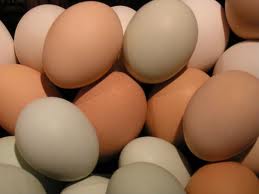
Taking just a few seconds to cool freshly laid eggs would add weeks to their shelf life, according to a Purdue University study.
The rapid-cooling process, developed by Kevin Keener, a professor of food science, uses liquid carbon dioxide to stabilize the proteins in egg whites so much that they could be rated AA — the highest grade for eggs — for 12 weeks. Earlier research showed that the same cooling technology could significantly reduce occurrences of salmonella illnesses
Posted in Bacteria, Food Safety, Food Technology, Food Testing, Microbiology, Pathogen, Salmonella
Tagged food, health, purdue university study, science
As a precautionary measure, Banner Mountain Sprouts is voluntarily recalling organic sprouts under the following names: 4oz. zesty greens, 5oz. sprout salad, 4oz. clover, 2lb. clover, 4oz. alfalfa/broccoli, 4oz. alfalfa sprouts, and 1lb. & 2lb. alfalfa sprouts because they may be contaminated with salmonella. Routine testing showed signs of salmonella and Banner Mountain Sprouts was notified of possible contamination.
Salmonella is a bacterium that can cause an acute infection that can have symptoms such as diarrhea, fever and vomiting. Symptoms usually develop within one to four days after eating contaminated food. Most cases resolve without the need for medical attention. However, some individuals develop a serious illness that can lead to hospitalization.
The sprouts were distributed through retail stores and wholesalers in California. The products come in a 4 or 5 oz. clear, plastic, clamshell container and a 1lb. or 2lb. ziplock bag with a sell by date from 6/17/12 to 7/6/12. No illnesses have been associated with any Banner Mountain sprouts.
Five children admitted to hospital in northern France after eating beef burgers infected with a strain of E.coli bacteria are seriously ill, health officials said on Thursday, fanning fears of a wider outbreak.
A total of 390 persons infected with the outbreak strains of Salmonella Bareilly (376 persons) or SalmonellaNchanga (14 persons) have been reported from 27 states and the District of Columbia.
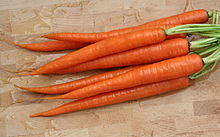
Healthy Choice Island Blends, Inc. of Los Angeles, CA, is recalling all sizes of LIQUID GOLD CARROT JUICE including 128oz, 64oz, 32oz, and 16 oz, because it has the potential to be contaminated with Clostridium botulinum, which can cause botulism, a serious and potentially fatal foodborne illness.
Foodborne botulism is a severe type of food poisoning caused by the ingestion of foods containing the potent neurotoxin formed during growth of the organism. Foodborne botulism can cause the following symptoms: general weakness, dizziness, double-vision and trouble with speaking, breathing and swallowing. Weakness of other muscles, abdominal distension and constipation may also be common symptoms.
People experiencing these problems should seek immediate medical attention. Consumers are warned not to use the product even if it does not look or smell spoiled.
Liquid Gold Carrot Juice was distributed in California and sold wholesale to produce companies.
Product was sold in plastic see-through containers in gallon, half-gallon, and quart sizes. Product has a white label branded Liquid Gold with picture of carrots and a glass of carrot juice, with UPC Code 7 63213 00130.
No illnesses have been reported to date.