Category Archives: Salmonella

Research – Flood-Associated, Land-to-Sea Pathogens’ Transfer: A One Health Perspective

MDPI

Similarly to many other countries across the globe, several floods have been recorded in Italy throughout the last few decades, including those of catastrophic magnitude that occurred in the Emilia-Romagna and Tuscany regions last May and a few weeks ago, respectively. This, once again, underscores the increasingly growing probability, in the current “Anthropocene Epoch”, of global warming-related, extreme weather phenomena. Indeed, the last 8 years (2015–2022) have been characterized by the highest average temperatures ever recorded on Earth throughout the last 140 years [1].
How can we imagine to stay healthy in a sick world?”, Pope Francis wrote three years ago in his missive addressed to the President of Columbia on the “2020 World Environment Day”, while the COVID-19 pandemic was dramatically affecting the entire world, with SARS-CoV-2 likely representing a clear-cut example of a climate change-driven pathogen spillover from bats to humans [2].
Within such a challenging and alarming scenario, the land-to-sea transfer of a huge (and progressively increasing) number of infectious agents appears to be a matter of relevant concern [3,4]. This especially applies to bacterial microorganisms shed into the external environment via the fecal route, such as Salmonella spp., Escherichia coliVibrio cholerae and Listeria monocytogenes, alongside protozoan pathogens like Toxoplasma gondii and/or viral agents like the one causing hepatitis A and, last but not least, the pandemic SARS-CoV-2 betacoronavirus. As a matter of fact, evidence of viral fecal shedding has been documented for a median duration of 22 days in 59% of subjects from a cohort of SARS-CoV-2-infected patients in China [5]. Once transferred into sea and ocean waters by flood-derived mud and debris, fecally excreted microbial pathogens may be ingested by edible bivalve mollusks like mussels, an organism in which a single individual is able to filter over 100 liters of water on a daily basis, thus potentially hosting inside its body tissues significant amounts of biological and chemical environmental pollutants [6]. Within this context, it is worth mentioning a V. cholerae infection outbreak linked to the consumption of raw, non-sterilized mussels which diffusely involved the human population from the cities of Naples and Bari during the summer and early autumn months of 1973 [7]. Moreover, the land-to-sea transfer of infectious agents may additionally involve free-ranging cetaceans, whose health and conservation status appear to be increasingly threatened by a long and progressively expanding list of both natural and anthropogenic factors. This holds particularly true for “inshore” species like bottlenose dolphins (Tursiops truncatus), which are more prone to acquire infections caused by “terrestrial” pathogens like T. gondii [8] while being simultaneously able to accumulate and “biomagnify” inside their body tissues consistent amounts of human-made, persistent, immunotoxic, neurotoxic and endocrine-disrupting environmental pollutants, based upon their well-known position of “apex predators” within the marine and oceanic food chains. Furthermore, the proven capability of micro-nanoplastics—exceedingly contaminating global seawaters—to behave as “attractors and concentrators” for the aforementioned anthropogenic xenobiotics should also be taken into serious account, together with the demonstrated interaction of micro-nanoplastics in marine and oceanic ecosystems with zoonotic protozoan pathogens like T. gondiiCryptosporidium parvum and Giardia enterica [9]. This scenario, which already appears to be quite intricate and complex by itself, is made even more alarming by the fact that micro-nanoplastics may also host and carry a wide range of antibiotic-resistant bacteria, from which an active and powerful exchange of antimicrobial resistance genes may additionally occur, through horizontal gene transfer, with several environmental bacterial species colonizing the same plastic substrates [10].
USA – TFP Nutrition Expands Voluntary Recall of Dry Dog, Dry Cat, and Catfish Food Due to Potential Salmonella Health Risk. Recall Includes Dry Dog, Dry Cat, and Catfish Foods Manufactured in Nacogdoches, TX Facility

FDA

FP Nutrition is expanding their voluntary recall that was initiated to include all dry dog, dry cat, and catfish formulas manufactured in their Nacogdoches, Texas, facility. The recall of these production codes is being conducted due to the potential for Salmonella contamination.

Individuals handling dry pet food can become infected with Salmonella, especially if they have not thoroughly washed their hands after having contact with surfaces exposed to this product. Healthy people infected with Salmonella should monitor themselves for some or all of the following symptoms: nausea, vomiting, diarrhea or bloody diarrhea, abdominal cramping, and fever. Rarely, Salmonella can result in more serious ailments, including arterial infections, endocarditis, arthritis, muscle pain, eye irritation, and urinary tract symptoms. Consumers exhibiting these signs after having contact with this product should contact their healthcare providers. Children, the elderly, and individuals with compromised immune systems may be at greater risk of Salmonella infection.

Pets with Salmonella infections may be lethargic and have diarrhea or bloody diarrhea, fever, and vomiting. Some pets will have may only exhibit decreased appetite, fever, and abdominal pain. Infected but otherwise healthy pets can be carriers and infect other animals or humans. If your pet has consumed the recalled product and has these symptoms, please contact your veterinarian.

The company is working directly with retailers to remove the impacted product from the supply chain. Consumers who have purchased any of the formulas listed below with these specific date codes should immediately stop feeding the affected products to your pets and dispose of any product and packaging. TFP Nutrition apologizes for any potential issues this may have caused pet owners and their pets.

Pet owners who are unsure if the product they purchased is included in the recall may visit tfpnutrition.com/recallExternal Link Disclaimer. Please be ready to provide the product name, product size, and manufacture date or lot code which can be found on the back of the bag. Pet owners may also reach out via phone by calling 1-866-311-1323.

The dry dog, dry cat, and catfish food recall is an expansion of an Oct. 20, 2023 limited voluntary recall that included 50-pound bags of Retriever Mini Chunk Chicken Recipe with manufacturing dates from 3277 TFP to 3278 TFP distributed in Arkansas, Arizona, California, Louisiana, Mississippi, New Mexico, Nevada, Oklahoma, Texas and Utah. https://www.fda.gov/safety/recalls-market-withdrawals-safety-alerts/tfp-nutrition-initiates-voluntary-recall-50-lb-bags-retriever-all-life-stages-mini-chunk-chicken

Dry Dog Formulas (as listed in the below attached chart)
Dry Cat Formulas (as listed in the below attached chart)
Floating Catfish Formulas (as listed in the below attached chart)

The date code is printed on the back of the bag near the bottom. Please use the example graphic below and the “MFG From” column associated with your formula to see if your product is affected. The XXXXX is the timestamp when the bag was packaged.

Link to TFP Nutrition List of Recalled Products

Canada – Groupe Tomapure and Fruit Pure brand Cantaloupe products recalled due to Salmonella

Gov Canada

Summary

Product
Cantaloupe pieces, Cantaloupe platter, Fruit salad
Issue
Food – Microbial Contamination – Salmonella
What to do

Do not use, sell, serve or distribute the affected products.

Audience
Hotels, restaurants and institutions
Distribution
Ontario
Quebec

Fruit Pure

Fruit Salad /
« Salade de Fruit Excel »

12 liter

LOT:
X0019731
X0019868

Best Before:
2023-11-14
2023-11-16

None

Groupe Tomapure

Cantaloupe Platter /
« Cantaloup!Cube Plateau »

2 x 2 kg

LOT:
X0019717
X0019784
X0019851

Best Before:
01-11-2023
02-11-2023
03-11-2023

0000316653

None

Cantaloupe Pieces /
« Cantaloup!En Morceaux »

2 kg

LOT X0019716
Best Before: 01-11-2023

None

Issue
Groupe Tomapure and Fruit Pure brand Cantaloupe products recalled due to Salmonella.

USA – Sofia Produce, LLC dba Trufresh Expands Recall to Include Additional Order Numbers of Fresh Cantaloupe Because of Possible Health Risk Due to Salmonella

FDA

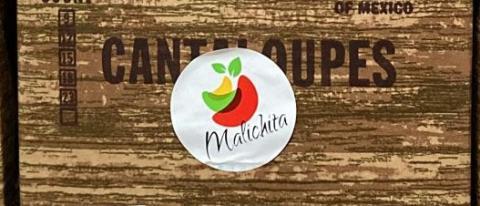
1. “Malichita Cantaloupes of Mexico”

Summary

Company Announcement Date:
FDA Publish Date:
Product Type:
Food & Beverages
Foodborne Illness
Reason for Announcement:
Potential Salmonella contamination
Company Name:
Sofia Produce, LLC dba Trufresh
Brand Name:
Malichita
Product Description:
Fresh Cantaloupe

Company Announcement

For Immediate Release, November 15, 2023 SOFIA PRODUCE, LLC, of Nogales, Arizona which does business under the name “Trufresh” (“Trufresh”) has expanded its recall of all sizes of fresh cantaloupes packaged in cardboard containers labeled with the “Malichita” label, to include the following additional sales order numbers distributed between October 16, 2023 and October 23, 2023 because they have the potential to be contaminated with Salmonella. The additional sales order numbers are: 128663, 128712, 128713, 128662, 128680, 225252, 225231, 419719, 419721, 419828, 419803, 612235, 612273.

Salmonella is an organism which can cause serious and sometimes fatal infections in young children, frail or elderly people, and others with weakened immune systems. Healthy persons infected with Salmonella often experience fever, diarrhea (which may be bloody), nausea, vomiting and abdominal pain. In rare circumstances, infection with Salmonella can result in the organism getting into the bloodstream and producing more severe illnesses such as arterial infections (i.e., infected aneurysms), endocarditis and arthritis.

The Cantaloupes were distributed directly to the following States in the United States: Arizona, California. Maryland, New Jersey, Tennessee, Illinois, Michigan, Wisconsin, Texas, Florida and Canada. The Cantaloupes would have reached consumers through retail produce markets which may be located in states other than those listed above.

The Cantaloupes are packaged in cardboard containers bearing the “Malichita” Label (picture attached). The cantaloupes also have an individual PLU sticker placed upon each cantaloupe in the form of the attached picture. As shown in the picture, the PLU sticker has a top half which is white which has the word “Malichita” written in script in black letters. The bottom of the PLU sticker is black and has the number “4050” prominently displayed in white letters together with the words “Product of Mexico/produit du Mexique”. This label will identify individual Malichita cantaloupes purchased by consumers.

There have been no reported illnesses associated with the subject cantaloupes, to date.

Trufresh is performing this recall after the Canadian Food Inspection Agency has determined that additional cantaloupes have possible Salmonella contamination. The Canadian Food Inspection Agency’s original recall of cantaloupes packaged with the same Malichita label and bearing the same PLU due to possible Salmonella contamination for cantaloupes sold to Fruits et Légumes Gaétan Bono. The updated Canadian Food inspection Agency Announcement can be found here: https://recalls-rappels.canada.ca/en/alert-recall/malichita-brand-cantaloupesrecalled-due-salmonellaExternal Link Disclaimer Trufresh’s investigation has revealed that the above-listed order numbers may have been associated with the cantaloupes sold to Fruits et Légumes Gaétan Bono.

Consumers should take the following actions:

  • Check to see if you have recalled products
  • Do not consume, serve, use, sell, or distribute recalled products
  • Recalled products should be thrown out or returned to the location where they were purchased
  • Consumers who are unsure if they have purchased the recalled product are advised to contact their retailer
  • If you think you became sick from consuming a recalled product, contact your healthcare provider

Information for Buyers:

  • Trufresh is contacting each of the individual buyers under the foregoing orders to advise them of the recall. If the buyers associated with the above sales order numbers have not already been contacted by Trufresh, they should contact Trufresh at the number below.
  • Buyers associated with the above sales order numbers should remove any remaining product from their sales inventory.
  • Additional Order Numbers: 128663, 128712, 128713, 128662, 128680, 225252, 225231, 419719, 419721, 419828, 419803, 612235, 612273
  • Order Numbers Already Subject to Recall: 0128556, 0128624, 0128630, 0128632, 0128640, 0128643, 0128644, 0128646, 0128648, 0128651, -0128656, 0128669, 0128680, 0128682, 0128683, 0128700, 0225200, 0225201, 0225206, 0225214, 0225219, 0225222, 0225226, 0225227, 0225228, 0419611, 0419629, 0419630, 0419636, 0419671, 0419688, 0419693, 0419696, 0419697, 0419704, 0419710, 0419718, 0419772, 0516255, 0516268, 0516271, 0516279, 0516301, 0612143, 0612144, 0612148, 0612154, 0612156, 0612158, 0612171, 0612190, 0612191, 0612197, 0612198, 0612209, 0612225

The Buyers should then dispose of the product and retain their records of disposal.

Consumers who have purchased the recalled products may obtain additional information by contacting Rafael Roiz Tru Fresh’s representative Monday through Friday between the hours of 8:00 a.m. and 5:00 p.m. Mountain Standard Time at (520) 394-7370.


Company Contact Information

Consumers:
Rafael Roiz, Representative of Trufresh
 (520) 394-7370

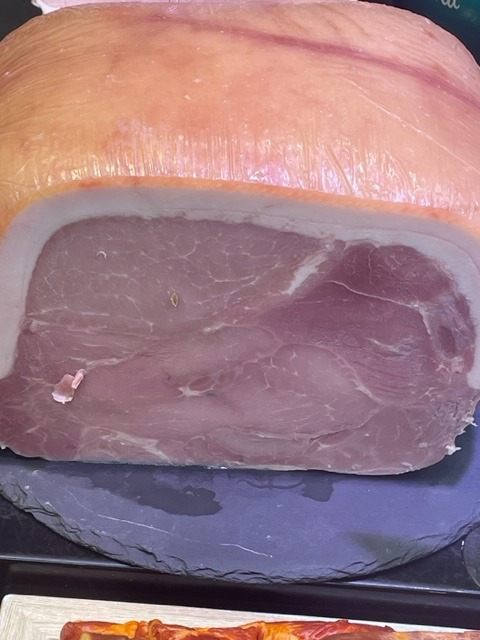
France – COOKED WHITE HAM WITH NITRITE-FREE RIND – Salmonella

Gov France

  • Product category Food
  • Product subcategory Meats
  • Product brand name UNBRANDED
  • Model names or references Sold in the traditional delicatessen section
  • Product identification
    GTIN Batch
    0200232000000 Sold by the cut
  • Start/end date of marketing From 06/11/2023 to 08/11/2023
  • Storage temperature Product to keep in the refrigerator
  • Geographical sales area Intermarché Saint Paul Sur Save (31530)
  • Distributors INTERMARCHE SAINT PAUL SUR SAVE (31530)

Quebec – Notice not to consume cut cantaloupe prepared and sold by the company Sami Fruits – Salmonella

Quebec

QUEBEC CITY , Nov. 15, 2023 /CNW/ – The Ministry of Agriculture, Fisheries and Food (MAPAQ), in collaboration with the Food Inspection Division of the City of Montreal and the Sami company Fruits , located at 8200, 19 e  Avenue, in Montreal, advises the population not to consume the products indicated in the table below, because these foods may have been contaminated by Salmonella bacteria .

Product name

Format

Target lot

CUT CANTALOUP

1L

Units sold
until
November 15, 2023

FRUIT PLATTER WITH CUT CANTALOUP

UNITARY

Units sold
until
November 15, 2023

The products which are the subject of this warning were offered for sale until November 15, 2023, and only at the establishment designated above. The products were packaged in plastic containers and sold refrigerated. The products did not have a label.

The operator is voluntarily recalling the products in question. It has agreed with MAPAQ and the Food Inspection Division of the City of Montreal to broadcast this warning as a precautionary measure. Additionally, people who have one of these products in their possession are advised not to consume it. They must return it to the establishment where they purchased it or throw it away. Even if the affected products do not show signs of spoilage or suspicious odor, their consumption may represent a health risk.

It should be noted that no cases of illness associated with the consumption of these foods have been reported to MAPAQ to date.

France – TORCHONAY COOKED HAM – Salmonella

Gov France

  • Product category Food
  • Product subcategory Meats
  • Product brand name CELTIC SALTED SEASONS
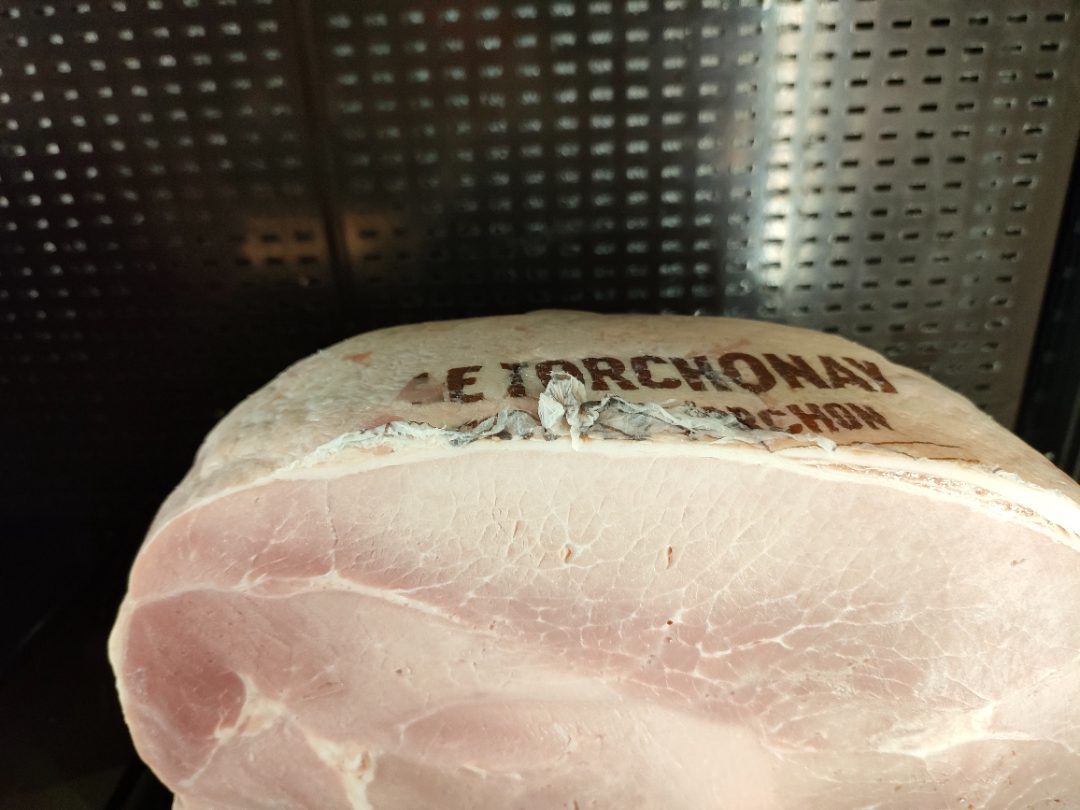
  • Model names or references TORCHONAY COOKED HAM
  • Product identification
    GTIN Batch Date
    45460054 9932980347 Use-by date 11/12/2023
  • Products List PAC_PLM.187469.19.pdf Attachment
  • Start/end date of marketing From 03/11/2023 to 14/11/2023
  • Storage temperature Product to keep in the refrigerator
  • Health mark FR 35 297 003 EC
  • Geographical sales area Whole France
  • Distributors INTERMARCHE

France – Real Burgundy parsley ham – 2nd Batch – Salmonella

Gov France

  • Product category Food
  • Product subcategory Meats
  • Product brand name Gourmet Country
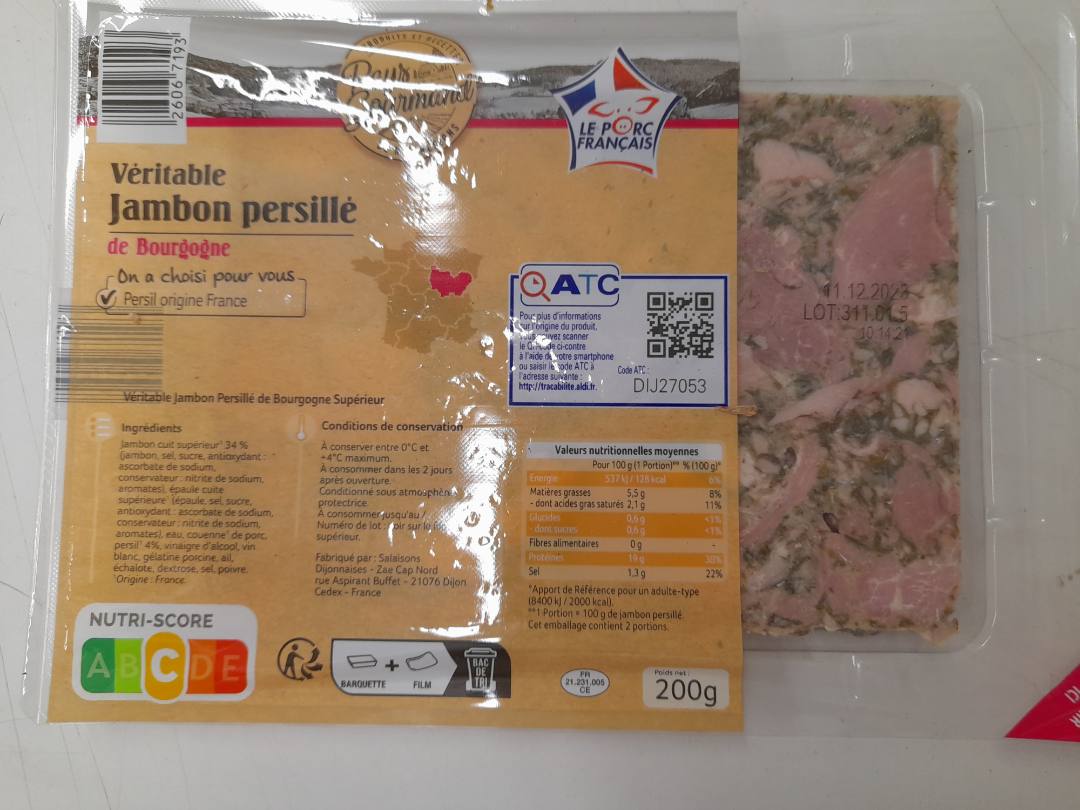
  • Model names or references Real Burgundy parsley ham GOURMET COUNTRY
  • Product identification
    GTIN Batch Date
    26067193 311015 Use-by date 11/12/2023
  • Packaging Individual slice tray of 200g
  • Start/end date of marketing Since 09/11/2023
  • Storage temperature Product to keep in the refrigerator
  • Health mark FR 21 231 005 CE
  • Geographical sales area Regions: Auvergne-Rhône-Alpes, Burgundy-Franche-Comté
  • Distributors Aldi, factory store

Italy – Shelled sesame seeds, 200 g – Salmonella

Salute

Brand : HELIO

Name : Shelled sesame seeds, 200 g/Sesam tuskany HELIO

Reason for reporting : Recall due to microbiological risk

Publication date : 16 November 2023

Documentation

Documentation

France – Burgundy parsley ham LABEL ROUGE – Salmonella

Gov France

  • Product category Food
  • Product subcategory Meats
  • Product brand name Antoine Sabatier
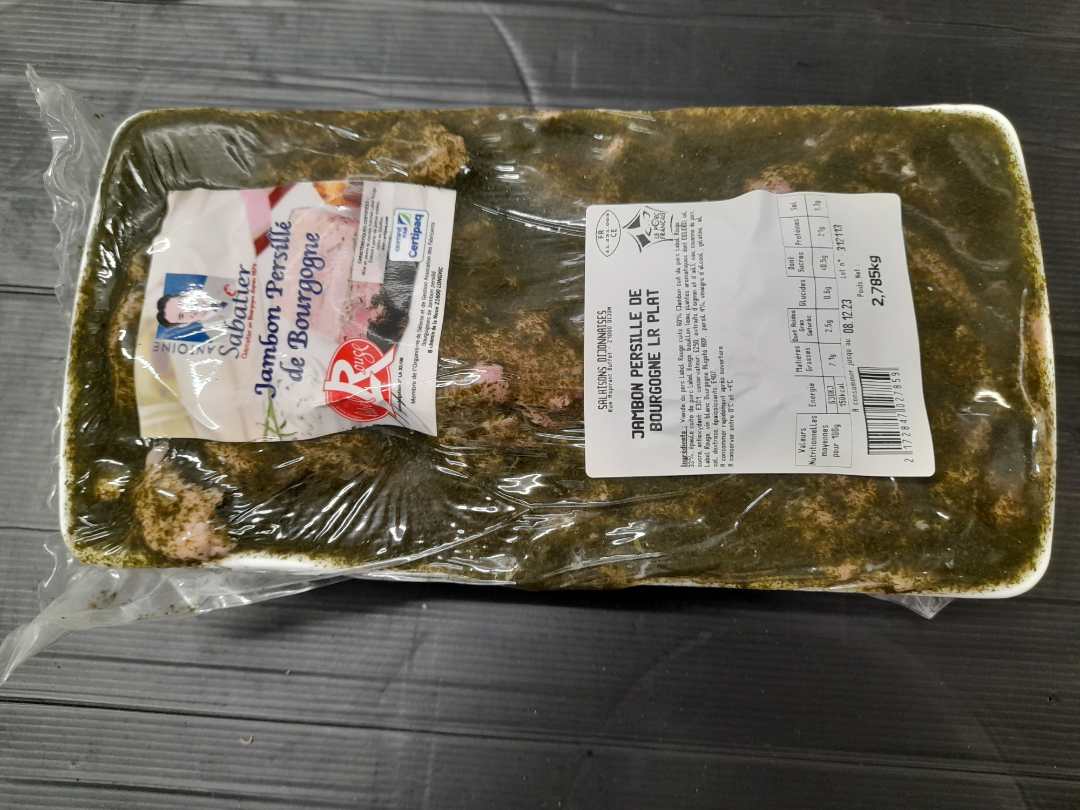
  • Model names or references Burgundy parsley ham LABEL ROUGE ANTOINE SABATIER flat
  • Product identification
    GTIN Batch Date
    3441700270299 312113 Use-by date 08/12/2023
  • Packaging Slices from dish (cut radius)
  • Start/end date of marketing Since 09/11/2023
  • Storage temperature Product to keep in the refrigerator
  • Health mark FR 21 231 005 CE
  • Geographical sales area Whole France
  • Distributors Crossroads