Category Archives: Gambierdiscus

EU Research – Risk characterisation of ciguatera poisoning in Europe

EFSA

The EuroCigua project main objective is to characterize the risk of Ciguatera Poisoning (CP) in Europe including several specific objectives: to determine the incidence of ciguatera in Europe and the epidemiological characteristics of cases; to assess the presence of ciguatoxin in food and the environment in Europe and to develop and validate methods for the detection, quantification and confirmation of the presence of ciguatoxin contaminated specimens.

This report compiles the activities carried out during the EuroCigua project from the signing in April 2016 until December 2020. The present document corresponds to Deliverable No. 6: “Final Scientific Report” on Risk characterization of ciguatera food poisoning in Europe of the Specific Agreement no. 1 “MANAGEMENT AND SCIENTIFIC COORDINATION” within the Framework Partnership Agreement GP/EFSA/AFSCO/2015/03 “Risk characterization of ciguatera food poisoning in Europe”.
Research – Project confirms growing threat in Europe from toxins created by microalgae

Food Safety News

gam

A project looking at the risk of ciguatera poisoning in Europe has finished work after almost five years.

An international scientific meeting was held in October for the EuroCigua project which began in April 2016 and ends this month.

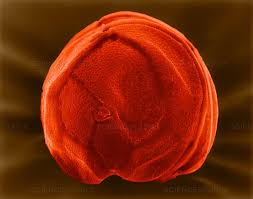
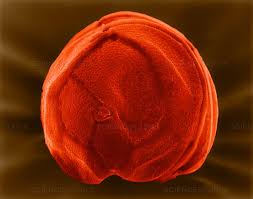
Ciguatera is a type of food poisoning associated with consumption of fishery products that contain toxins produced by a microalgae called Gambierdiscus toxicus. The toxin does not affect the appearance, odor or taste of the fish and is not destroyed by cooking, refrigeration or freezing.

It causes an estimated 10,000 to 50,000 cases per year worldwide and outbreaks have been reported in Spain and Portugal. From 2012 to 2018, four European countries reported 23 ciguatera outbreaks and 167 cases.

Results confirmed the appearance of ciguatera in the European Union, having identified native species of fish with ciguatoxins in Macaronesia, Madeira and the Canary Islands. The presence of Gambierdiscus in the Mediterranean Sea, Cyprus and Greece was also detected, as well as the first finding in the Balearic Islands.

Canary Islands – Ciguatera outbreak reported in the Canary Islands

Outbreak News Today File:Gambierdiscus toxicus NOAA.png

Health officials with the Government of the Canary Islands have reported a possible outbreak of ciguatera after finding six cases of food poisoning after consuming black medregal (amberjack) in La Victoria de Acentejo, according to a El Dia report (computer translated).

Ciguatera is not unknown in the Canary Island reporting several cases annually and some 20 outbreaks in the past decade.

More than 400 species of fish, including barracuda, black grouper, blackfin snapper, cubera snapper, dog snapper, greater amberjack, hogfish, horse-eye jack, king mackerel, and yellowfin grouper have been implicated in this food borne illness that’s relatively common in several areas of the world.

This toxin is the result of the accumulation of marine algae and the toxins they produce passing up the food chain. These marine algae hang on to dead coral and seaweed. They are then eaten by herbivore fish which are subsequently eaten by predatory reef fish which concentrates the toxin in its tissue. People get this food borne toxin from eating these contaminated larger fish. The reef fishes are more likely to get contaminated during storms and other turbulence.