Category Archives: food safety training

USA – FDA Alerts the Public to Potentially Contaminated Products from Family Dollar Stores in Six States – Salmonella

FDA

For Immediate Release:

Today, the U.S. Food and Drug Administration is alerting the public that several categories of FDA-regulated products purchased from Jan. 1, 2021, through the present from Family Dollar stores in Alabama, Arkansas, Louisiana, Mississippi, Missouri and Tennessee may be unsafe for consumers to use. The impacted products originated from the company’s distribution facility in West Memphis, Arkansas, where an FDA inspection found insanitary conditions, including a rodent infestation, that could cause many of the products to become contaminated. The FDA is working with the company to initiate a voluntary recallExternal Link Disclaimer of the affected products.

“Families rely on stores like Family Dollar for products such as food and medicine. They deserve products that are safe,” said Associate Commissioner for Regulatory Affairs Judith McMeekin, Pharm.D. “No one should be subjected to products stored in the kind of unacceptable conditions that we found in this Family Dollar distribution facility. These conditions appear to be violations of federal law that could put families’ health at risk. We will continue to work to protect consumers.”

This alert covers FDA-regulated products purchased from Family Dollar stores in those six states from Jan. 1, 2021, through the present. Some examples of these products include human foods (including dietary supplements (vitamin, herbal and mineral supplements)), cosmetics (skincare products, baby oils, lipsticks, shampoos, baby wipes), animal foods (kibble, pet treats, wild bird seed), medical devices (feminine hygiene products, surgical masks, contact lens cleaning solutions, bandages, nasal care products) and over-the-counter (OTC) medications (pain medications, eye drops, dental products, antacids, other medications for both adults and children).

Consumers are advised not to use and to contact the company regarding impacted products. The agency is also advising that all drugs, medical devices, cosmetics and dietary supplements, regardless of packaging, be discarded. Food in non-permeable packaging (such as undamaged glass or all-metal cans) may be suitable for use if thoroughly cleaned and sanitized. Consumers should wash their hands immediately after handling any products from the affected Family Dollar stores.

Consumers who recently purchased affected products should contact a health care professional immediately if they have health concerns after using or handling impacted products. Rodent contamination may cause Salmonella and infectious diseases, which may pose the greatest risk to infants, children, pregnant women, the elderly and immunocompromised people.

Following a consumer complaint, the FDA began an investigation of the Family Dollar distribution facility in West Memphis, Arkansas, in January 2022. Family Dollar ceased distribution of products within days of the FDA inspection team’s arrival on-site and the inspection concluded on Feb. 11. Conditions observed during the inspection included live rodents, dead rodents in various states of decay, rodent feces and urine, evidence of gnawing, nesting and rodent odors throughout the facility, dead birds and bird droppings, and products stored in conditions that did not protect against contamination. More than 1,100 dead rodents were recovered from the facility following a fumigation at the facility in January 2022. Additionally, a review of the company’s internal records also indicated the collection of more than 2,300 rodents between Mar. 29 and Sep. 17, 2021, demonstrating a history of infestation.
Related Information

UK – Abbott recalls two infant formula powders because of the possible presence of Salmonella

FSA

Abbott has taken the precautionary step of recalling various batches of Elecare Similac and Alimentum Similac infant formula powders because they might contain Salmonella. Both products are foods used for special medical purposes for infants, ordinarily to be used under medical supervision.

Risk statement

The presence of Salmonella in the products listed above.

Symptoms caused by Salmonella usually include fever, diarrhoea and abdominal cramps.

Action taken by the company

Abbott is recalling the above products. All stores and pharmacies that are supplying these products are being informed.

Our advice to consumers

If you have purchased or been prescribed any of the above product batches, do not feed it to your baby and return to the place of purchase. If you have additional questions, please contact Abbott on 01795 580303.

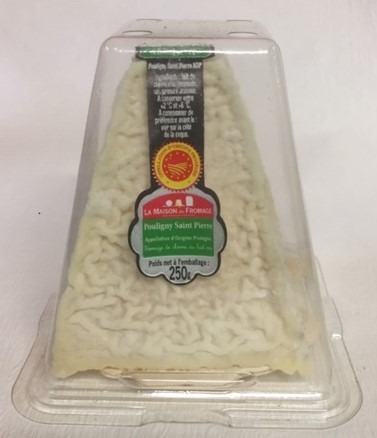
France – POULIGNY SAINT-PIERRE AOP 250G – Salmonella

Gov france

Identification information of the recalled product

  • Product category Food
  • Product subcategory Milk and dairy products
  • Product brand name CHEESE HOUSE
  • Model names or references POULIGNY SAINT PIERRE AOP 250G CHEESE HOUSE
  • Identification of products
    GTIN Lot Dated
    0003439495901849 YY 010333 Date of minimum durability 07/03/2022
  • Packaging cheese packaged in a 250g shell
  • Marketing start/end date From 01/28/2022 to 02/14/2022
  • Storage temperature Product to be stored in the refrigerator
  • Health mark EN 37.186.031 EC
  • Geographic area of ​​sale Whole France
  • Distributors FRANCE METRO

Practical information regarding the recall

  • Reason for recall presence of Salmonella
  • Risks incurred by the consumer Other chemical contaminants
    Salmonella spp (causative agent of salmonellosis)

Australia/New Zealand – Call for comment on new food safety management standards 

FSANZ

Food Standards Australia New Zealand (FSANZ) is seeking public comment on proposed new food safety management standards for food service and retail businesses.

Interim FSANZ CEO Dr Sandra Cuthbert said the proposed amendments to the Australia New Zealand Food Standards Code (the Code) were designed to strengthen food safety management practices and introduce nationally consistent, risk-proportionate standards to reduce rates of foodborne illness.

“The food services sector is vitally important to the Australian economy and our way of life,” Dr Cuthbert said.

“The majority of businesses do an excellent job in providing Australians with safe food, however our assessment of food safety management practices in the sector has found a need for strengthened standards to ensure greater consistency and reduce rates of foodborne illness.

“The proposed changes will help food businesses enhance their food safety management practices, delivering safer food to consumers and supporting improved business and consumer confidence. The food service sector has demonstrated their responsiveness to enhancing safety throughout the COVID-19 pandemic, with food businesses and handlers rising to the challenge of meeting COVID health and safety requirements.”

FSANZ considered three specific food safety measures to reduce rates of foodborne illness – having a food safety supervisor on staff, training food handlers and ensuring businesses can provide evidence to substantiate food safety management.

Risk-proportionate regulation is proposed, with targeted measures to apply to businesses based on their level of food safety risk.

“Businesses will fall into one of three categories, with those associated with high food safety risks required to apply more food safety measures than those with lower risks,” Dr Cuthbert said.

“FSANZ considers these requirements are appropriate and practical, can be readily implemented in the relevant sector, and are able to be maintained over time.

“Regulatory measures would be supported by food safety culture initiatives and an education campaign for businesses and environmental health officers.

“This approach aims to provide the greatest impact on reducing foodborne illness in Australian food service and retail settings without unnecessary regulatory burden.”

FSANZ invites comments from interested parties on the proposed measures by 6pm (Canberra time) 11 April 2022.

FSANZ will consider all submissions before making a final decision. All FSANZ decisions on proposals to develop or update standards are notified to the ministers responsible for food regulation in Australia and New Zealand. They can ask for a review or agree that the standard should become law.

More information

Media contact:

  • 0401 714 265 (Australia)
  • +61 401 714 265 (New Zealand)

Belgium – “Croutonmix Italiaans” from the Remia brand – Salmonella

AFSCA

Recall by Albert Heijn
Product: “Croutonmix Italiaans” from the Remia brand.
Problem: possible presence of Salmonella.
In agreement with the FASFC, Albert Heijn is withdrawing from sale a few batches of “Remia croutonmix Italiaans” and reminding consumers of this because of the possible presence of salmonella.

Consumption of this product can potentially cause foodborne infections and pose a health risk, especially to young children, the elderly, people with weakened immune systems and pregnant women.

Albert Heijn asks his customers not to consume these products and to return them to the point of sale. There they will be replaced or refunded. Please contact a doctor in case of health problems.

Product Description

• Product category: croutons
• Product name: Remia croutonmix Italiaans
• Brand: REMIA
• Best before date (BDD – date of minimum durability):
o Remia Salata Croutonmix Italiaans – BDD 10-07-2022
o Remia Salata Croutonmix Italiaans – BDD 08-31-2022
• Sale period: until 02/11/22
• Type of packaging: plastic jar
• Weight: 95g

For further information, contact Albert Heijn on 0800 777 05

USA – Kick off your Super Bowl gathering with critical food safety precautions

Food Safety News

Sport football.svg

Here are some food safety tips for Super Bowl Sunday from the USDA:

#1 Remember Your Four Steps to Food Safety

  • Clean: Wash hands for 20 seconds before and after handling food, especially raw meat and poultry. Clean hands, surfaces and utensils with soap and warm water before cooking, during preparation and serving. After cleaning surfaces that raw meat and poultry have touched, apply a commercial or homemade sanitizing solution (1 tablespoon of liquid chlorine bleach per gallon of water). Use hand sanitizer that contains at least 60 percent alcohol.
  • Separate: Use separate cutting boards, plates and utensils to avoid cross-contamination between raw meat or poultry and foods that are ready-to-eat, such as raw vegetables and fruits.
  • Cook: Confirm foods are cooked to a safe internal temperature by using a food thermometer.
  • Chill: Chill foods promptly if not consuming immediately after cooking. Don’t leave food at room temperature for longer than two hours. Set out portions of foods and refill serving dishes instead of setting out all of the food at the beginning of the game.

#2 Cook Your Food to a Safe Internal Temperature

  • Using a food thermometer, ensure you reach a safe internal temperature when cooking: meat (whole beef, pork and lamb) 145 degrees F with a 3-minute resting time after removing from heat; ground meats 160 degrees F; poultry (ground and whole) 165 degrees F; eggs 160 degrees F; fish and shellfish 145 degrees F; and leftovers and casseroles 165 degrees F.
  • If chicken wings are on the menu, use a food thermometer on several wings to gauge the doneness of the entire batch. If one is under 165 F, continue cooking all wings until they reach that safe internal temperature.

#3 Avoid the Danger Zone

  • Bacteria multiply rapidly between 40 degrees F and 140 degrees F. This temperature range is called the Danger Zone.
  • Perishable foods, such as chicken wings, deli wraps and meatball appetizers, should be discarded if left out for longer than two hours. To prevent food waste, refrigerate or freeze perishable items within two hours.
    • Keep cold foods at a temperature of 40 degrees F or below by keeping food nestled in ice bowls or refrigerated until ready to serve.
    • Keep hot foods at a temperature of 140 degrees F or above by placing food in a preheated oven, warming trays, chafing dishes or slow cookers.
  • Divide leftovers into small portions and refrigerate or freeze them in shallow containers, which helps leftovers cool quicker than storing them in large containers.

#4 Keep Takeout Food Safe

  • If you order food and it’s delivered or picked up in advance of the big game, divide the food into smaller portions or pieces, place in shallow containers and refrigerate until ready to reheat and serve. You can also keep the food warm (above 140 degrees F) in a preheated oven, warming tray, chafing dish or slow cooker.
  • When reheating food containing meat or poultry, make sure the internal temperature reaches 165 degrees F as measured by a food thermometer.
  • If heating food in the microwave, ensure that contents are evenly dispersed. Because microwaved food can have cold spots, be sure to stir food evenly until the food has reached a safe internal temperature throughout.

A special word on salsa and guacamole:

“The reason that salsa and guacamole are so susceptible to contamination is that they are made with multiple raw, uncooked vegetables and are often stored at room temperature,” according to the Food and Drug Administration.

In addition to being left out for long periods of time, salsa and guacamole often contain diced raw produce including hot peppers, tomatoes and cilantro, increasing their chance of carrying harmful bacteria.

Anyone preparing fresh salsa and guacamole at home should be aware that these foods contain raw ingredients and that they should be carefully prepared and refrigerated to help prevent illness.

To prevent bacteria growth, these side dishes should be refrigerated within two hours. Those serving these foods should be aware of the length of time they have been out at room temperature.

ALS Microbiology Training Course

Hi All

I am delivering a Microbiology Course (3 Parts) later in February.

Basic Microbiology Awareness
Series of Webinars delivering technical and practical
information on the main microbiological issues affecting the
food industry.

Course Objectives:
» Develop a greater understanding of Food Microbiology
» Being confident with Environmental Monitoring processes and requirements
and how to assess the microbial risks in food products.
» How the laboratory undertakes testing and interpreting the results.
Who Should Attend:
This course can be used as a refresher for those with some previous training in
Microbiology and / or as an introduction for those working within Technical and
Quality roles in food manufacturing / handling environment.

Part 1 – Introduction to Micro-organisms – 17th February 2022
This part will first of all introduce micro-organisms, their growth and
development requirements before establishing the main micro-organisms that
can affect food production and the difference between foodborne illness and
food poisoning, which could affect the decision-making process within the
production environment.

Part 2 – Factory Testing for Micro-organisms – 24th February 2022
This second part will focus on the best practice in food production environment
to identify and control micro-organisms and how a product microbial risk
assessment approach should be considered.

Part 3 – The Microbiology Laboratory – 3rd March 2022
The third part will cover microbiology laboratory testing, how to interpret the
testing results and the new technologies that will enhance current traditional
microbiology testing.

Flyer and Booking Form

USDA – Don’t Fumble Food Safety on Super Bowl Sunday

USDA

WASHINGTON, Feb. 3, 2022 — On February 13, millions of Americans will come together to watch Super Bowl LVI and feast on hot and cold snacks throughout the four-hour event. This uniquely American tradition scores big on entertainment, but it is also rife with opportunity for foodborne illness.

“As families and friends safely gather to watch the big game, keep food safety in mind. No matter who you’re rooting for, foodborne illness is a dangerous opponent we face during the game,” said Agriculture Secretary Tom Vilsack. “Millions of people get sick from food poisoning each year. Following guidance on keeping food at safe temperatures, proper handwashing and avoiding cross-contamination will protect you and your party guests.”

Unlike other food holidays when meals are often consumed within an hour, Super Bowl fans often snack on food throughout the game. Perishable foods, such as chicken wings, deli wraps and meatball appetizers, as well as cut fruit and vegetable platters, can only be left out for two hours before they become at risk of bacteria multiplying to dangerous levels. USDA recommends you put out small amounts of food and replenish it frequently.

Here are some food safety tips for Super Bowl Sunday:

#1 Remember Your Four Steps to Food Safety

  • Clean: Wash hands for 20 seconds before and after handling raw meat and poultry. Clean hands, surfaces and utensils with soap and warm water before cooking and after contact with raw meat and poultry. After cleaning surfaces that raw meat and poultry has touched, apply a commercial or homemade sanitizing solution (1 tablespoon of liquid chlorine bleach per gallon of water). Use hand sanitizer that contains at least 60 percent alcohol.
  • Separate: Use separate cutting boards, plates and utensils to avoid cross-contamination between raw meat or poultry and foods that are ready-to-eat.
  • Cook: Confirm foods are cooked to a safe internal temperature by using a food thermometer.
  • Chill: Chill foods promptly if not consuming immediately after cooking. Don’t leave food at room temperature for longer than two hours.

#2 Cook Your Food to a Safe Internal Temperature

  • Using a food thermometer, ensure you reach a safe internal temperature when cooking: meat (whole beef, pork and lamb) 145 F with a 3-minute rest; ground meats 160 F; poultry (ground and whole) 165 F; eggs 160 F; fish and shellfish 145 F; and leftovers and casseroles 165 F.
  • If chicken wings are on the menu, use a food thermometer on several wings to gauge the doneness of the entire batch. If one is under 165 F, continue cooking all wings until they reach that safe internal temperature.

#3 Avoid the Danger Zone

  • Bacteria multiply rapidly between 40 F and 140 F. This temperature range is called the Danger Zone.
  • Perishable foods, such as chicken wings, deli wraps and meatball appetizers, should be discarded if left out for longer than two hours. To prevent food waste, refrigerate or freeze perishable items within two hours.
    • Keep cold foods at a temperature of 40 F or below by keeping food nestled in ice or refrigerated until ready to serve.
    • Keep hot foods at a temperature of 140 F or above by placing food in a preheated oven, warming trays, chafing dishes or slow cookers.
  • Divide leftovers into smaller portions and refrigerate or freeze them in shallow containers which helps leftovers cool quicker than storing them in large containers.

#4 Keep Takeout Food Safe

  • If you order food and it’s delivered or picked up in advance of the big game, divide the food into smaller portions or pieces, place in shallow containers and refrigerate until ready to reheat and serve. You can also keep the food warm (above 140 F) in a preheated oven, warming tray, chafing dish or slow cooker.
  • When reheating food containing meat or poultry, make sure the internal temperature reaches 165 F as measured by a food thermometer.
  • If heating food in the microwave, ensure that contents are evenly dispersed. Because microwaved food can have cold spots, be sure to stir food evenly until the food has reached a safe internal temperature throughout.

Hong Kong – Poon Choi and Food Safety

CFS

Centre for Food Safety

Poon Choi , which is literally translated to “Chinese casserole in a basin”, composes an important part of the Walled village culture in the New Territories. Villagers feast on the cuisine whenever there are celebrations connected with rituals, weddings, festivals, ancestor worship and other local events as an expression of village dining culture. However, this traditional Chinese dish was first invented in the Song Dynasty. It contains critical cultural values to Hong Kong and has shifted into different shapes in our modern world.

“Poon Choi”, which comprises a great variety of food, involves a number of processing steps, which demands meticulous attention during preparation.

People should order their “Poon Choi” from reputable and licensed food suppliers. If they want to make their own, they should maintain good personal and food hygiene to prevent cross contamination.

To enjoy a delicious and healthy meal, people should pay particular attention to food safety.

Here are some safety tips for enjoying “Poon Choi”:

When purchasing “Poon Choi”:

  • Order from reputable licensed suppliers
  • Hot “Poon Choi” should be kept at 60℃ or above and chilled “Poon Choi” should be kept at 4℃ or below to prevent growth of bacteria
  • Ask for the reheating instruction for the “Poon Choi”. For example, does the “Poon Choi” have to be reheated before consumption and if so, how and for how long? And is it possible to reheat it in its original container?
  • Notify the supplier of the time you collect the “Poon Choi”. It is best to collect it half an hour to one hour before consumption
  • Return home immediately after collecting the “Poon Choi”. Avoid keeping it for a prolonged period of time at room temperature
  • Keep chilled “Poon Choi” at 4℃ or below to minimise its exposure to the temperature danger zone of 4 to 60℃

When preparing “Poon Choi” at home:

  • Buy ingredients from reputable retailers
  • Plan the work schedule ahead of time, with consideration to ingredients involved. Don’t start cooking too early
  • Defrost frozen food inside the chilled compartment of a refrigerator or under cool running water
  • Cook high risk food such as poached chicken and seafood like fresh oysters thoroughly
  • Raw and cooked food should be covered and stored separately to prevent cross contamination
  • If the ingredients need to be stored after cooking, they should either be kept chilled at 4℃ or below, or kept warm at 60℃ or over
  • Cover food properly to prevent cross contamination
  • Since lots of ingredients and cooking utensils are involved in the course of preparing “Poon Choi”, a well-organised work schedule can help prevent cross contamination
  • Before preparing “Poon Choi”, thoroughly clean and sterilize cutting boards, knives, containers and other cooking utensils
  • Maintain good personal hygiene. Wash hands with liquid soap before handling food and after using the toilet

When consuming “Poon Choi”:

  • Consume the “Poon Choi” as soon as possible after it is collected or cooked. Don’t keep it under room temperature for more than two hours
  • As “Poon Choi” is generally served in a large pot, a longer period of time is required to reheat it thoroughly
  • When eating “Poon Choi” in a restaurant, pay attention to its serving temperature. When in doubt, stop eating and inform the caterer in charge
  • Use communal chopsticks and spoons when consuming “Poon Choi”
  • Consume “Poon Choi” in one go

Germany – Camembert Moule a la Louche, Isigny Calvados – E.coli

LMW

Alert type: Food
Date of first publication: 01/27/2022
Product name:

Camembert Moule a la Louche, Isigny Calvados

Product images:

01/25/2022 - product image.png
Manufacturer (distributor):

Manufacturer: The French company STE MERE Placer on the market: Fromi GmbH, Otto-Hahn-Straße 5, 77694 Kehl-Germany

Reason for warning:

Suspected contamination with unwanted bacteria (Escherichia coli).

Durability: BBD: 01/28/2022
Lot identification: Identification mark : FR14342001CE
Further information:
Reference is made to the company’s attached customer information.