Archives
-
Join 348 other subscribers
KSWFoodWorld
Blog Stats
- 459,127 Views
Category Archives: Food Pathogen
Research – Listeria in Food: Prevalence and Control
Listeria monocytogenes is a foodborne pathogen characterized by its psychrotrophic and ubiquitous nature as well as its ability to survive and proliferate in a wide range of harsh environments and foods. These features make the pathogen a primary concern in the food industry, especially in the cold chain of ready-to-eat (RTE) food products. Although the incidence of listeriosis is low compared to other foodborne illnesses (e.g., salmonellosis), its high hospitalization and case fatality rates, mainly in high-risk population groups, pose a significant threat to public health.
The prevalence of L. monocytogenes has been reduced in many food categories over the last two decades, especially in meat and meat products, due to the application of improved control measures. As highlighted by Abdeen et al. [1] in this Special Issue, the application of suitable control measures along the food chain to reduce pathogen levels and prevent product recontamination together with the continuous training of food handlers are key to reduce the pathogen incidence. They found that the prevalence of L. monocytogenes in different RTE food products from Egypt was higher compared to other Listeria species. In addition, the pathogen isolates carried multiple virulence-related genes (hlyA, iap, and actA) and showed phenotypic resistance to six antibiotics. This highlights the importance of monitoring the emergence of resistant and virulent strains.
The presence of persister cells and biofilms in food processing environments also requires attention. In the study by Panebianco et al. [2], the effectiveness of gaseous ozone against the biofilm of L. monocytogenes isolates from different sources was evaluated. They concluded that ozone gas was not sufficient to completely counteract the pathogen biofilm, but it may be useful as an additional tool to improve the existing sanitization procedures in food processing environments. On the other hand, the development of innovative control approaches with reduced environmental impact is necessary to offer consumers more natural solutions and chemical-free products. In this context, van Gijtenbeek et al. [3] assessed the bioprotective potential of the Lacticaseibacillus rhamnosus strain Lrh-FQ to inhibit the growth of L. monocytogenes in creamed cottage cheese. The mechanism underlying the pathogen inhibition was based on competitive exclusion through the depletion of manganese content in the food matrix by Lrh-FQ.
A rapid and accurate detection of L. monocytogenes in food is also important to avoid sanitary and economic problems. Different methods are currently used for the detection of L. monocytogenes in food, such as conventional methods based on ISO standards using chromogenic media or biochemical tests. Alternative methods that reduce timing in pathogen detection are needed to prevent its dissemination through the food chain. In this context, Estévez et al. [4] evaluated the Vitek Immuno Diagnostic Assay System (VIDAS) to detect and count L. monocytogenes in various food items, demonstrating that VIDAS showed high efficiency and was not influenced by the food matrix or interfering microorganisms.
Predictive microbiology is a useful tool to estimate food shelf life and assist regulators in decision making. The development and/or validation of predictive models in real food products and the use of pathogen isolates from particular foods are essential to obtain accurate predictions of food systems. In this regard, Posada-Izquierdo et al. [5] modeled the effect of salt concentration on autochthonous isolated L. monocytogenes strains in an artisanal fresh cheese. Finally, Bolívar et al. [6] quantified and modeled the growth dynamics of six L. monocytogenes strains isolated from different fish products in salmon pâté. Both studies have demonstrated the growth potential of the pathogen under all tested conditions, providing interesting data about its kinetic behavior in RTE food products with significant consumption and commercial value.
The prevention of listeriosis relies on a comprehensive approach from farm to fork. This Special Issue of Foods, including five original articles and one short research communication, provides a deep understanding on the prevalence and genetic characteristics of L. monocytogenes, its growth dynamics in different RTE food products by suitable predictive tools, as well as the efficacy of different detection and control approaches. This insight can support the development of new and robust risk management strategies aimed at reducing the risk of listeriosis.
Posted in Decontamination Microbial, Food Micro Blog, Food Microbiology, Food Microbiology Blog, Food Microbiology Research, Food Microbiology Testing, Food Pathogen, Listeria, Listeria monocytogenes, microbial contamination, Microbial growth, Microbiological Risk Assessment, Microbiology, Microbiology Investigations, Microbiology Risk, Pathogen, pathogenic
Luxembourg – BUTTER THE MOTTE WITH SALT CRYSTALS FROM THE KER ARGOËT BRAND – Listeria monocytogenes
Grand Frais is recalling the following product in Luxembourg:

| Name | The motte with Guérande salt crystals |
| Brand | Ker Argoet |
| Unit | 250g |
| Use-by date (DLC) | 04/17/2023 |
| Batch | 037 |
Danger : Presence of Listeria monocytogenes
Listeria monocytogenes can cause fever, headache and gastroenteritis. Vulnerable people such as immunocompromised and elderly people and young children may present with neurological symptoms due to meningitis. Pregnant women should also be especially alert to these symptoms. Gastroenteritis can appear between a few hours and 3 days after consumption, while neurological symptoms can only appear after 3 months. People who have consumed these products and have these symptoms are invited to consult a doctor and report this consumption to him.
Sale confirmed in Luxembourg by: Grand Frais
Source of information: RASFF (Rapid Alert System for Food and Feed)
Posted in food contamination, food handler, Food Hazard, Food Hygiene, Food Inspections, Food Micro Blog, Food Microbiology, Food Microbiology Blog, Food Microbiology Testing, Food Pathogen, Food Quality, food recall, Food Safety, Food Safety Alert, Food Safety Management, Food Safety Regulations, Food Testing, Listeria, Listeria monocytogenes
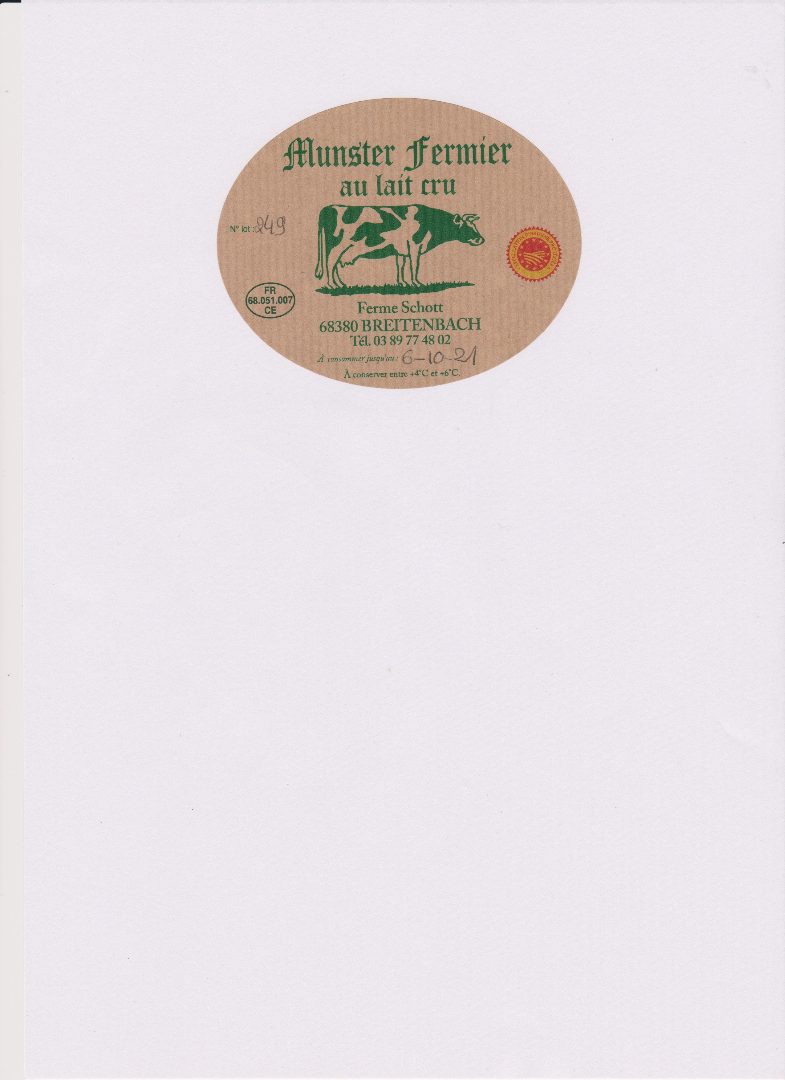
France – Munster Farmer Cheese – Listeria monocytogenes

Identification information of the recalled product
- Product category Feed
- Product subcategory Milk and dairy products
- Product brand name munster cheese
- Model names or references Munster with raw milk
- Identification of products
Batch Date 02/21 Use-by date 03/28/2023 - Marketing start/end date From 09/03/2023 to 09/03/2023
- Storage temperature Product to be stored in the refrigerator
- Health mark FR68051007
- Geographic area of sale Breitenbach Haut-Rhin
- Distributors Sale on site only
Practical information regarding the recall
- Reason for recall Presence of Listeria
Posted in food contamination, food handler, Food Hazard, Food Hygiene, Food Inspections, Food Micro Blog, Food Microbiology, Food Microbiology Blog, Food Microbiology Testing, Food Pathogen, Food Quality, food recall, Food Safety, Food Safety Alert, Food Safety Management, Food Testing, Listeria, Listeria monocytogenes
Israel – Eden Dairy Industries, Tahina, Sweets and Food (1992) Ltd., calls for the return of dairy and tahina -Salmonella
Due to fear of the presence of the salmonella bacterium and out of taking caution and responsibility
Posted in food contamination, food handler, Food Hazard, Food Hygiene, Food Inspections, Food Micro Blog, Food Microbiology, Food Microbiology Blog, Food Microbiology Testing, Food Pathogen, Food Quality, food recall, Food Safety, Food Safety Alert, Food Safety Management, Food Safety Regulations, Food Testing, Salmonella, Salmonella Sesame Seeds, Salmonella Tahini
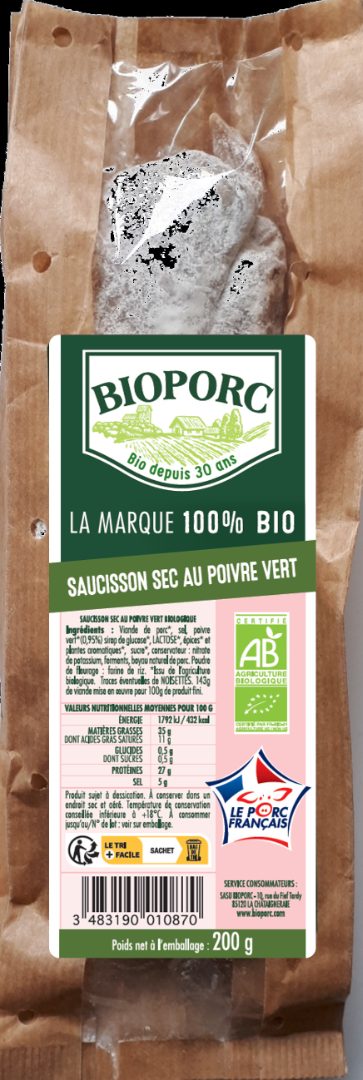
Belgium – Dry sausage plain and Dry sausage with green pepper from the Bioporc brand -Listeria monocytogenes
Recall of Delibio
Product: Dry sausage plain and Dry sausage with green pepper from the Bioporc brand.
Problem: possible presence of Listeria Monocytogenes.
In agreement with the FASFC, Delibio is withdrawing the Bioporc brand plain dry sausage and green pepper dry sausage from sale and is recalling them from consumers due to the possible presence of Listeria Monocytogenes.
Delibio asks its customers not to consume these products and to return them to the point of sale where they were purchased.
Description of the products:
– Name of the products: Plain dry sausage and Dry sausage with green pepper
– Brand: Bioporc
– Use-by dates (BBD) (“Use by”):
o Plain dry sausage: 05/13/2023
o Dry sausage with green pepper: 13/05/2023 and 20/05/2023
– Batch numbers:
o Dry sausage plain: 123072265 – 123073203
o Dry sausage with green pepper: 123073182 – 123080189
– Sale period: from 20/03 /2023 to 03/24/2023
– Type of packaging: kraft packaging
– Weight: 200 g

The products were sold through various outlets.
For further information , contact:
Delibio: 067/34.15.59 or info@delibio.be .
Posted in food contamination, food handler, Food Hazard, Food Hygiene, Food Inspections, Food Micro Blog, Food Microbiology, Food Microbiology Blog, Food Microbiology Testing, Food Pathogen, Food Quality, food recall, Food Safety, Food Safety Alert, Food Safety Management, Food Testing, Listeria, Listeria monocytogenes
Italy – Equine Sfilaccio 100g – Listeria monocytogenes
Brand : Coppiello Giovanni Srl
Name : Equine Sfilaccio 100g
Reason for reporting : Remind for microbiological risk
Date of publication : 27 March 2023
Documentation
Posted in food contamination, food handler, Food Hazard, Food Hygiene, Food Inspections, Food Micro Blog, Food Microbiology, Food Microbiology Blog, Food Microbiology Testing, Food Pathogen, Food Quality, food recall, Food Safety, Food Safety Alert, Food Safety Management, Food Safety Regulations, Food Temperature Abuse, Food Testing, Listeria, Listeria monocytogenes
Norway – Coop is recalling X-tra Sausages for Grilling – Listeria monocytogenes
Coop is withdrawing X-tra grilled sausages 1 kg with best before dates 22.04.2023, 23.04.2023, 24.04.2023. The reason is suspicion of Listeria in the product.
The product is sold in Coop stores throughout the country. Coop Norge SA notified the withdrawal on 24/03/2023 .
Consumers are asked to discard the product or return it to the store where it was purchased for a refund. The product must now be removed from stores.
Listeria bacteria can pose a risk of serious illness in pregnant women and people with compromised immune systems.
The bacterium grows well at refrigerator temperature, and is easily killed by heat treatment.
Contact at Coop Norge SA:
Press: Harald Kristiansen, communications manager, harald.kristiansen@coop.no , tel. 90599726
Posted in food contamination, food handler, Food Hazard, Food Hygiene, Food Inspections, Food Micro Blog, Food Microbiology, Food Microbiology Blog, Food Microbiology Testing, Food Pathogen, Food Quality, food recall, Food Safety, Food Safety Alert, Food Safety Management, Food Safety Regulations, Food Testing, Listeria, Listeria monocytogenes, Matportalen
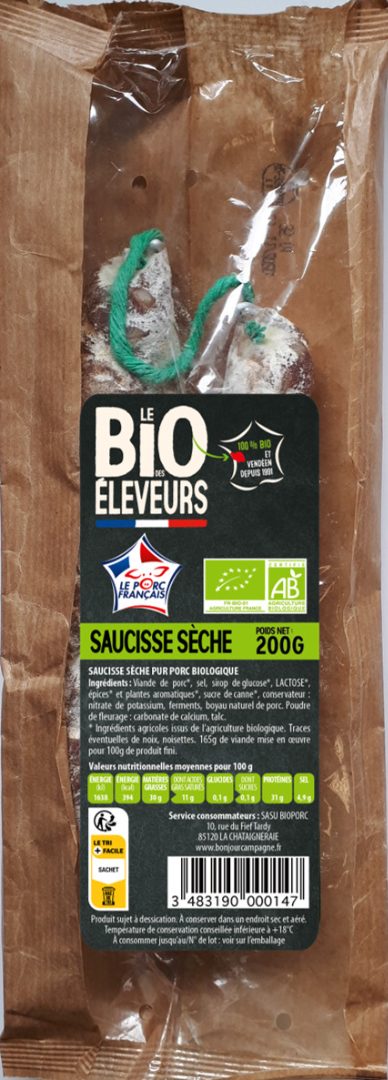
France – Dried sausage – Listeria monocytogenes

Identification information of the recalled product
- Product category Feed
- Product subcategory Meats
- Product brand name The Bio of Breeders
- Model names or references Dried sausage
- Identification of products
GTIN Batch Date 3483190000147 123065386 Date of minimum durability 06/03/2023 - Packaging Kraft bag
- Marketing start/end date From 03/16/2023 to 03/24/2023
- Storage temperature Product to be stored at room temperature
- Health mark EN 42.334.001 CE
- Geographic area of sale Whole France
- Distributors Carrefour and Intermarché
Practical information regarding the recall
- Reason for recall Suspicion of Listeria > 1500 cfu/g
Posted in food contamination, food handler, Food Hazard, Food Hygiene, Food Inspections, Food Micro Blog, Food Microbiology, Food Microbiology Blog, Food Microbiology Testing, Food Pathogen, Food Quality, food recall, Food Safety, Food Safety Alert, Food Safety Management, Food Safety Regulations, Food Testing, Listeria, Listeria monocytogenes
France – Dry sausage with green pepper – Listeria monocytogenes

Identification information of the recalled product
- Product category Feed
- Product subcategory Meats
- Product brand name Biopig
- Model names or references Dry sausage with green pepper
- Identification of products
GTIN Batch Date 3483190010870 123073182 Use-by date 05/13/2023 3483190010870 123080189 Use-by date 05/20/2023 - Packaging Kraft bag
- Marketing start/end date From 03/16/2023 to 03/24/2023
- Storage temperature Product to be stored at room temperature
- Health mark EN 42.334.001 CE
- Geographic area of sale Whole France
- Distributors Biodis; Naturalia; The Organic Counters; Delibio (Belgium); Naturdis
Practical information regarding the recall
- Reason for recall Suspicion of Listeria > 1500 cfu/g
- Risks incurred by the consumer Listeria monocytogenes (causative agent of listeriosis)
Posted in food contamination, food handler, Food Hazard, Food Hygiene, Food Inspections, Food Micro Blog, Food Microbiology, Food Microbiology Blog, Food Microbiology Research, Food Pathogen, Food Quality, food recall, Food Safety, Food Safety Alert, Food Safety Management, Food Safety Regulations, Food Testing, Listeria, Listeria monocytogenes
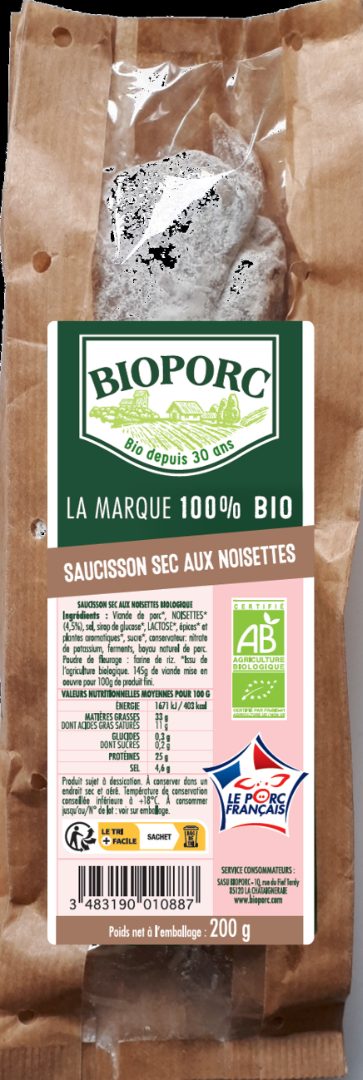
France – Dry sausage with hazelnuts – Listeria monocytogenes

Identification information of the recalled product
- Product category Feed
- Product subcategory Meats
- Product brand name Biopig
- Model names or references Dry sausage with hazelnuts
- Identification of products
GTIN Batch Date 3483190010887 123066233 Use-by date 06/05/2023 - Packaging Kraft bag
- Marketing start/end date From 03/10/2023 to 03/10/2023
- Storage temperature Product to be stored at room temperature
- Health mark EN 42.334.001 CE
- Geographic area of sale Whole France
- Distributors Pronadis; Biofees
Practical information regarding the recall
- Reason for recall Suspicion of Listeria > 1500 cfu/g
Posted in food contamination, food handler, Food Hazard, Food Hygiene, Food Inspections, Food Micro Blog, Food Microbiology, Food Microbiology Blog, Food Microbiology Testing, Food Pathogen, Food Quality, food recall, Food Safety, Food Safety Alert, Food Safety Management, Food Safety Regulations, Food Testing, Listeria, Listeria monocytogenes