Category Archives: Food Microbiology Research

Denmark – Danish campaign targets knowledge about cooling of hot food

Food Safety News

Most businesses correctly cool down hot food but some violations were found during inspections in Denmark.

The Danish Veterinary and Food Administration (Fødevarestyrelsen) investigated whether shops, restaurants and caterers were in control of the refrigeration and cooling process and its management.

Overall, 91 percent of the sites subject to unannounced visits knew how to cool down hot food. However, issues were found at the other 9 percent, including cooling of heat-treated food happening too slowly and procedures not being followed.

“Every year we see outbreaks of disease, which are caused by slow cooling of heat-treated foods. When this happens, it is most often because the company has produced large portions that have not cooled down quickly enough. Therefore, it is important that the amount of hot food matches the capacity of the cold storage,” said Ulrich Pinstrup, from the Danish Veterinary and Food Administration.

Research – Food Handling Concerns and Practices at-Home during the COVID-19 Pandemic by Food Security Status

Journal of Food Protection

There is limited examination about COVID-19-related food handling concerns and practices that cause chemical or microbial contamination and illness, particularly among those with food insecurity. We investigated consumer food handling concerns and practices during the COVID-19 pandemic, and whether they differed by food insecurity status. An online survey was distributed among Chicago, Illinois residents between July 15-August 21, 2020 (N=437). Independent t-tests and Fisher’s Exact tests were used to identify differences in food handling concerns and practices between those with and without food insecurity (alpha=0.05). Survey items included questions about food handling practices that were considered safe or neutral (i.e., washing hands and produce with water, sanitizing food packaging) and unsafe (i.e., using cleaning agents to wash foods, leaving perishable foods outside) using 5-point Likert-style scales or categorical responses (i.e., yes, no). Participant responses fell between “slightly” and “somewhat” concerned about contracting COVID-19 from food and food packaging (mean ± SE: 2.7±0.1). While participants reported washing their hands before eating and preparing foods at least “most of the time” (mean ± SE: 4.4 ± 0.0 and 4.5 ± 0.0, respectively), only one-third engaged in unsafe practices. The majority of participants (68%) indicated that they altered food handling practices due to the COVID-19 pandemic and received information about food safety from social media (61%).  When investigating differences in concerns and practices by food insecurity status, food insecure participants were more concerned about COVID-19 foodborne transmission for all food items (ps<0.0001) and more frequently performed unsafe based food handling practices than those with food security (ps<0.0001). Results from this study suggest more investigation is needed to understand barriers to safe food handling knowledge and practices, particularly among those with food insecurity.

Research – The Application of Bacillus subtilis for Adhesion Inhibition of Pseudomonas and Preservation of Fresh Fish

MDPI

Inhibiting the growth of spoilage bacteria, such as Pseudomonas spp., is key to reducing spoilage in fish. The mucus adhesion test in vitro showed that the adhesion ability of Bacillus subtilis was positively correlated with its inhibition ability to Pseudomonas spp. In vivo experiments of tilapia showed that dietary supplementation with B. subtilis could reduce the adhesion and colonization of Pseudomonas spp. in fish intestines and flesh, as well as reduce total volatile basic nitrogen (TVB-N) production. High throughput and metabolomic analysis showed treatment with B. subtilis, especially C6, reduced the growth of Pseudomonas spp., Aeromonas spp., Fusobacterium spp., and Enterobacterium spp., as well as aromatic spoilage compounds associated with these bacteria, such as indole, 2,4-bis(1,1-dimethylethyl)-phenol, 3-methyl-1-butanol, phenol, and 1-octen-3-ol. Our work showed that B. subtilis could improve the flavor of fish by changing the intestinal flora of fish, and it shows great promise as a microecological preservative. View Full-Text

Research – Recent Advances in the Mechanisms and Regulation of QS in Dairy Spoilage by Pseudomonas spp.

MDPI

Food spoilage is a serious issue dramatically impacting the worldwide need to counteract food insecurity. Despite the very expensive application of low temperatures, the proper conservation of fresh dairy products is continuously threatened at different stages of production and commercialization by psychrotrophic populations mainly belonging to the Pseudomonas genus. These bacteria cause discolouration, loss of structure, and off-flavours, with fatal implications on the quality and shelf-life of products. While the effects of pseudomonad decay have been widely reported, the mechanisms responsible for the activation and regulation of spoilage pathways are still poorly explored. Recently, molecule signals and regulators involved in quorum sensing (QS), such as homoserine lactones, the luxR/luxI system, hdtS, and psoR, have been detected in spoiled products and bacterial spoiler species; this evidence suggests the role of bacterial cross talk in dairy spoilage and paves the way towards the search for novel preservation strategies based on QS inhibition. The aim of this review was to investigate the advancements achieved by the application of omic approaches in deciphering the molecular mechanisms controlled by QS systems in pseudomonads, by focusing on the regulators and metabolic pathways responsible for spoilage of fresh dairy products. In addition, due the ability of pseudomonads to quickly spread in the environment as biofilm communities, which may also include pathogenic and multidrug-resistant (MDR) species, the risk derived from the gaps in clearly defined and regulated sanitization actions is underlined. View Full-Text

Research – Role of blue light in bactericidal effect against meat-borne pathogens and freshness maintaining of beef 

Journal of Food Protection

Beef is rich in various nutrients while easily spoils due to contamination by pathogens, thus it is of great significance to develop a bactericidal method to inactivate meat-borne pathogens and meanwhile maintain the freshness of beef. For the first time, the present study investigated the bactericidal effect of blue light (BL) at 415 nm against four meat-borne pathogens (methicillin-resistant Staphylococcus aureus , Escherichia coli , Salmonella Typhimurium and Listeria monocytogenes ) in vitro and inoculated on the surface of fresh beef, respectively. When the non-illuminated beef was used as control, the population of the four pathogens did not change significantly ( P > 0.05), while BL-illuminated beef showed dose-dependent inactivation effect in both in vitro and in vivo studies. The experiments on beef cuts showed that 109.44 J/cm 2 of BL inactivated 90% of inoculated cells for the tested strains ( P < 0.05), and the impact of BL inactivation could be sustained in 7 days of cold storage. Notably, changes of lipid oxidation rate, water holding capacity and cooking loss value between the control and beef illuminated by 109.44 J/cm 2 at the same time were scarcely detected during the storage. BL had a minor but insignificant influence on surface color and free amino acid content. Moreover, the pH of illuminated beef increased slower ( P < 0.05) than that of non-illuminated beef. The present work demonstrated that BL could be a novel bactericidal and freshness-maintaining method for fresh beef.

USA – CDC – Food Safety Page

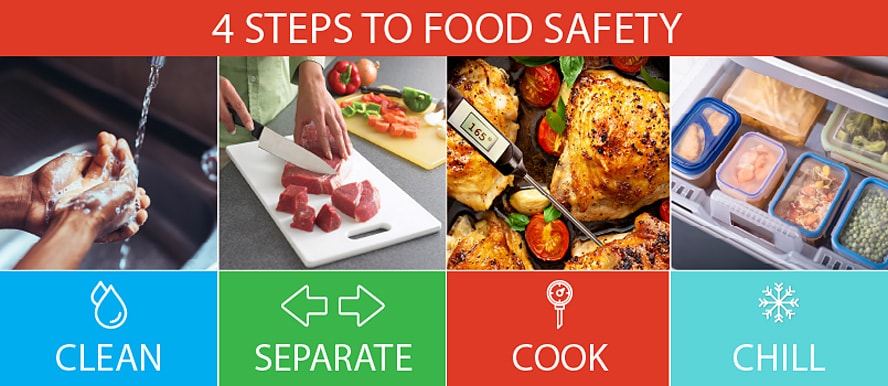
4 Steps to Food Safety - Clean, Separate, Cook and Chill

CDC

USA – CDC – Food Safety Graphics for Social Media

CDC

Many graphics to use to promote food safety !

Food Safety Education Month logo banner

UK – UK dealing with Norovirus and Salmonella outbreaks

Food Safety News

The FSA is investigating an outbreak of norovirus with local authorities and the UKHSA (formerly Public Health England) with a link to oysters from areas in Bournemouth, Christchurch, Poole, and Cornwall. Norovirus is not a notifiable disease in England.

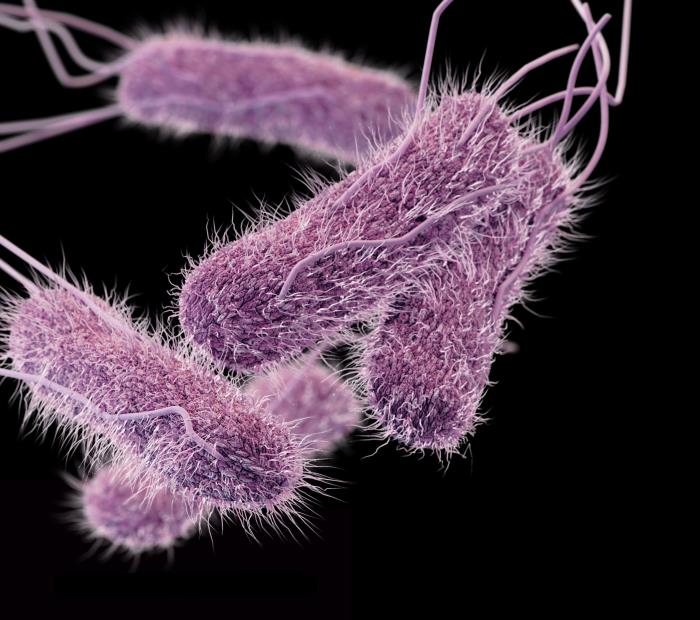
In the other incident, nearly 900 cases of Salmonella have been reported since April 2014 linked to frozen mice used to feed animals including snakes and birds.

At least 139 Salmonella Enteritidis infections have been recorded this year with children particularly affected. Mitigation measures have included retailers providing point-of-sale safety warnings beginning in September but cases continue to be recorded.

USA – E. coli Illness Linked to Cake Batter: Harlee’s Story

CDC

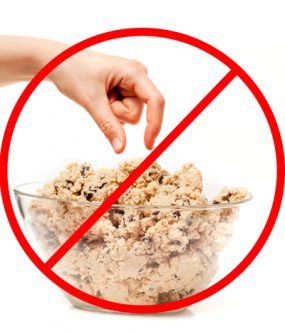
Close up of hands about to taste raw dough

Harlee is a happy, curious, and active 11-year-old who lives in Utah. She loves playing sports like basketball, soccer, and softball and hiking and camping with her dad on the weekends. Harlee also loves baking for her family with her mom, Errin.

One Saturday night in July 2021, Harlee told her mom that she wasn’t feeling well and was having sharp stomach pains. At first, Errin thought it might be strep throat, since it wasn’t unusual for Harlee to experience stomach pain with strep or a sore throat. As the weekend went on, Harlee’s symptoms worsened, and she couldn’t sleep from the pain. On Monday, Errin took her daughter to the doctor, where she was given antibiotics and sent home. However, it soon became clear to Errin that Harlee’s illness was much more serious when her symptoms got worse.

As a parent and a nurse, Errin was desperate to soothe her daughter’s severe pain, but over-the-counter pain medicines weren’t helping. Harlee’s family took her to a second doctor for more tests and eventually headed to the emergency room. Doctors diagnosed Harlee with an E. coli infection. Harlee’s infection was so serious that she was admitted to the hospital, where she stayed for three days. “It was really scary. When we finally took her to the hospital, she was crying, and wouldn’t stop crying. I just wanted someone to fix her,” said Errin.

While Harlee was in the hospital, Errin got a call from the local health department. They told her that Harlee’s E. coli infection was part of a multistate outbreak linked to cake mix that made 16 people sick in 12 states. “That’s when they started asking me about cake mix,” Errin recalled. “I would not have even thought about that.”

Harlee baked a cake the week before her symptoms started, but before putting the cake in the oven, she tasted some of the raw batter. “I knew you could get sick from raw eggs, but I would have never thought flour in cake mix,” said Errin.

Outbreaks from flour, a raw ingredient in cake mix, have happened before. In 2016 and 2019, CDC investigated E. coli outbreaks linked to flour that led to over 80 people getting sick and 20 people hospitalized. Raw ingredients, like flour and eggs, in cake batter and dough can contain harmful germs that can make you sick. E. coli infections can be serious, especially for children who are more likely to develop severe illness.

After she was released from the hospital, it took some time for Harlee to fully recover from her infection. “It was scary. She was just praying that she would make it through,” said Errin. Thankfully, Harlee made a full recovery and is back to enjoying sports and the outdoors with her family.

Harlee and Errin are telling their story to help other families avoid going through what they experienced. When you bake, don’t eat or taste raw dough or batter. It’s not worth the risk and can make you seriously sick. “It tastes good, but it’s not worth it!” Harlee said.

Hong Kong – Raw Oysters and Food Safety

CFS

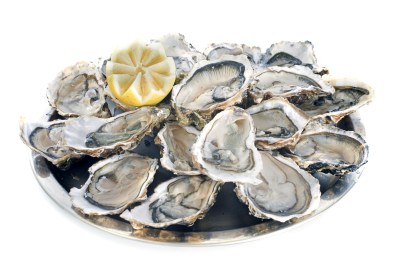
french oysters

It is getting cold and winter is the traditional season for savouring oysters. There are different ways to enjoy oysters, including deep fried, hot-pot and some members of the public may choose to eat raw oysters. If consumers choose to eat raw oysters, they should be aware of the associated risk. Due to their specific growing nature, oysters can be easily contaminated by pathogens (including bacteria and viruses) and chemical contaminants. Consumption of raw oysters contaminated with pathogens may cause food poisoning, affecting our health.

Consumers who choose to eat raw oysters are advised to take note of the following food safety tips:

  • Susceptible populations (the elderly, young children, pregnant women and people with weakened immune systems or liver diseases) should avoid taking raw oysters.
  • Eating raw oysters carries inherent food safety risk. To minimise the impact on health, raw oysters should only be consumed in or obtained from reliable licensed premises.
  • Consumers choose to eat raw oysters are reminded to apply the Five Keys to Food Safety to mitigate the risk.
  • For oysters intended for consumption after cooking, never eat them raw.