Category Archives: Food Illness

UK – 50 sick in Cryptosporidium outbreak linked to farm

Food Safety News

water contamination

Fifty cases of Cryptosporidium have been traced to a farm on an island off the south coast of England.

The UK Health Security Agency (UKHSA)’s South East branch has tried to contact people who visited Hazelgrove Farm from April to the start of May on the Isle of Wight.

People are thought to have become sick after coming into contact with animals. The farm halted animal petting activity in early May.

No ongoing risk
Dr. Anand Fernandes, the health protection consultant for UKHSA South East, said there is no ongoing risk to the public associated with the farm.

Research – Salmonella Outbreak Linked to Raw Cookie Dough

CDC

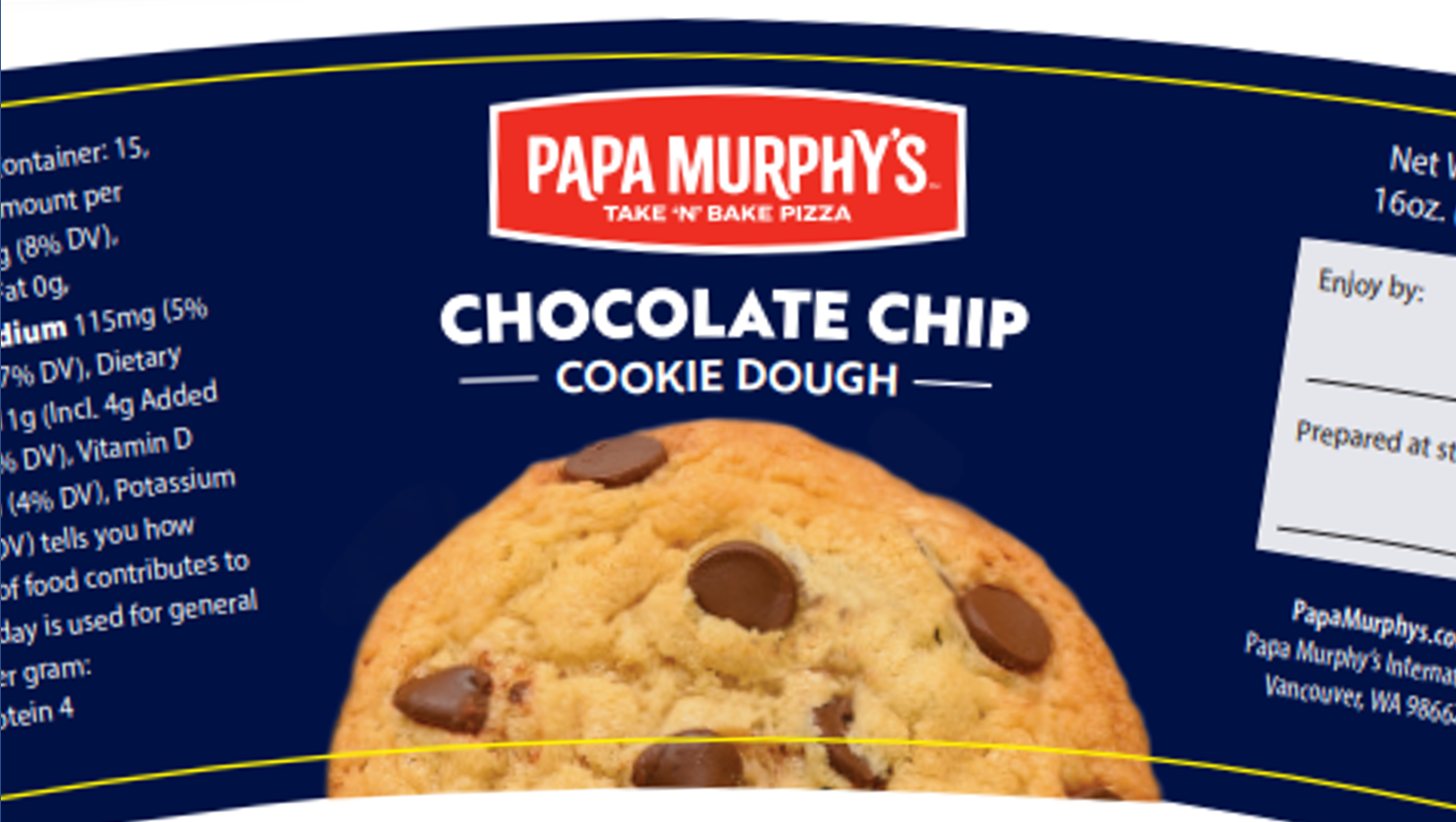
Papa Murphy’s Chocolate Chip Cookie Dough

Fast Facts
  • Illnesses: 18
  • Hospitalizations: 2
  • Deaths: 0
  • States: 6
  • Recall: No
  • Investigation status: Active
Contaminated Food

Papa Murphy’s raw cookie dough:

  • Chocolate chip cookie dough
  • S’mores bars dough

Nine sick people reported eating raw cookie dough from Papa Murphy’s Take ‘N’ Bake Pizza in the week before they got sick. Based on this information, Papa Murphy’s has temporarily stopped selling their raw chocolate chip cookie dough and raw S’mores bars dough.

At least two sick people did not eat at Papa Murphy’s. Investigators are working to identify the contaminated ingredient in the raw cookie dough.

What You Should Do
  • Check your refrigerator and freezer for Papa Murphy’s chocolate chip cookie dough or S’mores bars dough.
    • Throw the dough away, even if you didn’t get sick after eating some of it.
    • Wash items and surfaces that may have touched the dough using hot soapy water or a dishwasher.
  • Always follow cookie dough baking instructions in the recipe or on the package label.
    • Papa Murphy’s chocolate chip cookie dough and S’mores bars dough are not meant to be eaten raw.
    • Most raw cookie dough is made with unpasteurized eggs or raw flour and can have germs like Salmonella and E. coli.
    • Some other companies make edible cookie dough that does not have to be baked. These products are made with heat-treated flour and pasteurized eggs or no eggs. Read the label carefully to make sure the dough is meant to be eaten without baking or cooking.
  • Call a healthcare provider if you have any of these severe Salmonella symptoms:
    • Diarrhea and a fever higher than 102°F
    • Diarrhea for more than 3 days that is not improving
    • Bloody diarrhea
    • So much vomiting that you cannot keep liquids down
    • Signs of dehydration, such as:
      • Not peeing much
      • Dry mouth and throat
      • Feeling dizzy when standing up
Symptoms of Salmonella
  • Most people infected with Salmonella experience diarrhea, fever, and stomach cramps.
    • Symptoms usually start 6 hours to 6 days after swallowing the bacteria.
    • Most people recover without treatment after 4 to 7 days.
  • Some people—especially children younger than 5 years, adults 65 years and older, and people with weakened immune systems—may experience more severe illnesses that require medical treatment or hospitalization.
  • For more information about Salmonella, see the Salmonella Questions and Answers page.

India -Over 100 Wedding Guests Hospitalized Amid Suspected Food Poisoning

Newsweek

Dozens of people were admitted to hospital in India over the weekend after suspected food poisoning at a wedding function on May 17.

The exact numbers remain uncertain, but as many as 135 guests have been hospitalized, the Hindu reported, adding that many of them are children.

The wedding took place in Kalady, in the Malappuram district in Kerala. The following day, many of the guests began experiencing symptoms of diarrhea, vomiting and fever and many were admitted to hospital on May 19, health officials said. No one is said to be in a critical condition.

According to local reports, last Wednesday’s wedding wasn’t the only mass food poisoning incident last week. Roughly 60 guests at a wedding in a neighboring district, including a pregnant woman, were hospitalized on Sunday afternoon due to food poisoning, which the guests claim was caused by a fish curry.

Research “Forbidden Fish”: Did King Henry I Die of Lamprey Poisoning or Listeria monocytogenes?

Cureus

Abstract

For centuries, the sudden and mysterious death of King Henry I has been attributed to a large meal of lampreys that accidentally poisoned the unfortunate monarch. In this article, we conclude that lampreys were likely not the cause of the king’s illness, nor is it likely that he was deliberately poisoned. Although a wide variety of abdominal pathologies could have been responsible, we suggest that a sporadic central nervous system (CNS) infection of Listeria monocytogenes appears to be the most likely cause of Henry’s death, correlating with both his symptoms and rapid decline.

Aremenia – 16 children with food poisoning ate boiled eggs, yogurt soup, pea soup, pasta pilaf in Armenia kindergarten

NEWS AM

At 10:30pm Thursday, the Ararat provincial center of the Food Safety Inspection Body (FSIB) of Armenia received a verbal report from the National Center for Disease Control and Prevention that six children, aged 3 to 4 years old, attending a nursery kindergarten in Artashat city were transferred to the Artashat hospital, with signs of food poisoning, FSIB noted in a statement.

One child was taken to Muratsan hospital in Yerevan.

But as of 10:30am Friday, the number of kids from the aforesaid kindergarten who were hospitalized had reached 16, and two of them are in the infectious disease ward.

The children are in satisfactory condition.

Initial diagnosis was unverified food poisoning and vomiting.

Samples were taken from the food on Thursday’s menu (boiled eggs, yogurt soup, pea soup, pasta pilaf) of this kindergarten. The samples have been submitted for lab tests, and the respective results will be announced later.

Hong Kong – authorities launch investigation after 20 pupils ‘fall ill at Harrow International School’

SCMP

Hong Kong health authorities are investigating a case of suspected food poisoning at a prestigious international school where 20 pupils fell ill after eating dinner at the campus cafeteria.

The Centre for Health Protection reported that the 20 students had eaten macaroni and cheese, as well as chicken, at the school’s canteen.

Officers from the centre and the Department of Food and Environmental Hygiene inspected the school’s premises on Friday and advised it on food poisoning prevention.

An investigation into the incident was ongoing.

India – 135 people hospitalised in Malappuram after showing symptoms of food poisoning

The Hindu

As many as 135 people who attended a wedding at Kalady near Tavanur in Malappuram district on Wednesday were hospitalised after they developed symptoms of food poisoning.

Many of them are children. They were admitted to different hospitals at Edappal and neighbouring places with diarrhea, vomiting, and fever. Health officials said none was critical.

While 69 people from Thuruvanam island near Maranchery, who accompanied the bride to the party at the groom’s house at Kalady, fell sick, 66 of those who suffered food poisoning were from Kalady panchayat.

Health officials examined the premises where food poisoning was suspected and said it could have been caused by the water used during the function.

FDA – Investigation of Illnesses: Morel Mushrooms (May 2023)

FDA

Product

Morel mushrooms are a type of edible mushroom that are commonly foraged from the wild and are sometimes cultivated for commercial sale. Morel mushrooms are generally considered safe to eat, but they may contain some toxins that can cause health problems. The toxins in morel mushrooms that may cause illness are not fully understood; however, using proper preparation procedures, such as cooking can help to reduce toxin levels.

The US Food and Drug Administration (FDA) and the Centers for Disease Control and Prevention (CDC) are assisting Gallatin City-County Health DepartmentExternal Link Disclaimer and the Montana Department of Public Health and Human Services (DPHHS) with an investigation of illnesses at a single restaurant in Montana. The restaurant temporarily closed following the illnesses and at this time, there does not appear to be any further risk to the public. Available epidemiological evidence indicates that imported cultivated morel mushrooms, consumed at a single Montana restaurant, were the likely source of illnesses.

Stores Affected

The morel mushrooms served at the restaurant in Montana were distributed to multiple states; however, at this time, this appears to be a localized issue and no illnesses have been identified outside of the single restaurant in Montana.

Symptoms of morel and other mushroom poisonings:

Symptoms depend on the type of mushroom consumed, the specific toxin and amount ingested. Symptoms can also vary depending on the individual who ate them.  

Investigation Status

Ongoing

Recommendation

While there appears to be no ongoing risk related to this investigation, the following are general safety tips related to morel and other wild-type mushrooms (this includes mushrooms that are traditionally wild and foraged but can also be cultivated). If you become ill after consuming any mushroom, please contact your healthcare provider and/or call the poison control help lineExternal Link Disclaimer at 1-800-222-1222.

Consumers, restaurants, and retailers:

Consumers should eat morel and other wild-type mushrooms at their own risk. Properly cooking morel mushrooms can reduce risk of illness, however there is no guarantee of safety even if cooking steps are taken prior to consumption. Anyone eating, selling, or serving morel mushrooms, or other wild-type of mushrooms, should exercise caution. There are varieties of poisonous wild mushrooms that look very similar to morel mushrooms. If you are preparing morels, you should confirm the identity of each mushroom, and consult with a knowledgeable expert as the poisonous species have been known to grow near edible species in the wild.  

If you are preparing morel or other wild-type mushrooms, you should inspect for any signs of spoilage as toxin presence and levels may be affected by freshness or lack thereof. Choose mushrooms that are dry and firm and avoid those that are bruised, discolored, or slimy. 

Mushrooms should be refrigerated at a temperature of 40° F or below, either in their original packaging or in breathable type packaging, such as a paper bag.

Harvesters and manufacturers:

Conditions in which wild-type mushrooms are packaged and stored can contribute to growth of harmful bacteria and toxins. Harvesters and manufacturers should pack mushrooms in breathable packaging to allow air flow through the container which will prevent growth of these pathogens.

Additional information on selecting, storing, and serving fresh produce, such as mushrooms, can be found on the FDA website.


Current Update

May 19, 2023

Per request from Gallatin City-County Health Department and the Montana (DPHHS), the FDA and CDC are assisting with an investigation of illnesses at a single restaurant in Montana. The restaurant temporarily closed following the illnesses and there does not appear to be any further risk to the public. Preparation and storage methods at the restaurant continue to be examined as part of the investigation into the cause of illnesses and this advisory will be updated as information becomes available.

As of May 15, 2023, the investigation has identified 50 ill people who ate at the restaurant between March 28 and April 17, 2023, of whom 44 people reported eating morel mushrooms. There have been three hospitalizations and two deaths associated with this incident. A sample of leftover mushrooms were collected from the restaurant and laboratory analysis determined that the sampled mushrooms were true morels.

Currently, no pathogen, toxin, pesticide, or heavy metal has been identified; however, state and local partners have collected consumer samples from the restaurant and testing and analysis are ongoing. Although epidemiological evidence indicates that morel mushrooms consumed at the restaurant are likely the cause of illnesses, mushroom poisonings can be difficult to diagnose as the exact chemical nature of some toxins found in wild-type mushrooms are currently unknown. 

USA – Boston Restaurant, Los Amigos Taqueria, Linked to Salmonella Outbreak

Outbreak News Today

kswfoodworld salmonella

According to the local media, a local restaurant chain has been shut down by the local health department due to “a slew of health violations” and “unsanitary working conditions that appear to be linked to a Salmonella outbreak in the area.”

The health department recommends that customers of the “Los Amigos Taqueria Brighton location between May 12 and May 18 to monitor themselves for symptoms of Salmonella infection, including fever, diarrhea, and abdominal pain, and to contact a healthcare provider for an evaluation and testing if appropriate.”

Health agents’ report said that “multiple rodent droppings” were also found on pineapple cans, bags of pinto beans, single-use beverage holders, and storage tables.

Research – Multistate Outbreak of Salmonella Thompson Infections Linked to Seafood Exposure — United States, 2021

CDC

In July 2021, the Colorado Department of Public Health and Environment (CDPHE) laboratory identified a cluster of five Salmonella enterica serotype Thompson isolates related to one another within one allele difference, using whole genome multilocus sequence typing (wgMLST). These five isolates, submitted to the public health laboratory as is routine process for confirmatory testing of Salmonella, were highly related to those identified in a 2020 multistate investigation, during which traceback was conducted for sushi-grade tuna and salmon; a common supplier was not identified. The 2021 investigation commenced on August 5, 2021, with five patients living in Colorado, and one each in Missouri, Washington, and Wisconsin. During August–December 2021, CDC, CDPHE, public health and regulatory officials in several states, and the Food and Drug Administration (FDA) conducted epidemiologic, environmental, and laboratory investigations of this multistate outbreak of Salmonella Thompson. Isolates were genetically related to one another and to 2020 isolates within zero to one allele difference. Implicated seafood products were traced to a single seafood distributor, in which the outbreak strain was identified through environmental sampling, and in which inspection identified inadequate sanitization and opportunities for cross-contamination of raw fish. The distributor issued a voluntary recall of 16 seafood items with high potential for contamination and completed remediation actions. This outbreak illustrated the importance of effective cleaning and sanitizing procedures and implementation of controls. When multiple products are recalled during an outbreak investigation, collaboration between public health agencies and implicated facilities can help provide food safety information to restaurants, retailers, and consumers, and to ensure disposal of all recalled products.