Category Archives: Cronobacter sakazakii

Research – Food Safety and Invasive Cronobacter Infections during Early Infancy, 1961–2018

CDC

Invasive Cronobacter infections among infants are associated with severe neurologic disabilities and death. Early Cronobacter reports typically featured hospitalized and preterm infants and recognized contaminated powdered infant formula (PIF) as a transmission vehicle. To clarify recent epidemiology, we reviewed all cases of bloodstream infection or meningitis among infants that were reported to the Centers for Disease Control and Prevention and in the literature (1961–2018; n = 183). Most infants were neonates (100/150 [67%]); 38% (42/112) died, and 79% (81/102) had reported recent PIF consumption. In the final quarter of the study period (2004–2018), case counts were significantly higher (global average 8.7 cases/year); among US cases, significantly higher proportions occurred among full-term (56% [27/48]) and nonhospitalized (78% [42/54]) infants. PIF contamination, most commonly from opened containers, was identified in 30% (21/71) of investigations. Our findings reaffirm the need to promote safer alternatives for infant feeding, particularly among neonates.


Research – Inactivation modeling of microorganisms using organic chlorine and acetic acid solutions and estimation of growth kinetics of adhered Enterobacteriaceae to lettuce (Lactuca sativa L.)

Wiley Online

This study was aimed to evaluate the efficiency of the organic chlorine and acetic acid solutions on the inactivation of adhered cells of Escherichia coliCronobacter sakazakii and Klebsiella pneumoniae to lettuce. Besides, the growth and inactivation of K. pneumoniae adhered to lettuce was modeled. According to the findings, the use of chlorine solution (170 mg/ml of total residual chlorine) caused reductions of 1.8, 1.9, and 1.9 log for E. coliC. sakazakii, and K pneumoniae, respectively, were recorded. In this regard, the organic chloramine was more effective in controlling the adhered microorganisms while compared with 1.5% acetic acid solution, while the addition of 0.5% sodium chloride to 1.5% acetic acid solution increased microbial inactivation. K. pneumoniae RC‐34 inactivation was characterized by the presence of two sub‐populations with different resistances against the proposed sanitizers. Moreover, the growth kinetic parameters of K. pneumoniae RC‐34 adhered to lettuce leaves were very similar to that reported in the literature for nonadhered microorganisms. The predictive data generated can be valuable to assess the growth and inactivation of produce adhered microorganisms in leafy produce.

Research -Microbial composition of Korean kefir and antimicrobial activity of Acetobacter fabarum DH1801

Wiley Online

Kefir is a probiotic dairy product containing multiple species of lactic acid bacteria, acetic acid bacteria, and yeast, with varying microbial composition depending on geographical origin. In the present study, we characterized the acetic acid bacterial population in Korean kefir by next‐generation sequencing‐based community analysis and isolated a novel acetic acid bacterial strain, Acetobacter fabarum DH1801. To evaluate its potential application in the food industry, the antimicrobial activity of A. fabarum DH1801 against seven foodborne pathogens (Bacillus cereusStaphylococcus aureusListeria monocytogenesCronobacter sakazakiiSalmonella Enteritidis, enterotoxigenic Escherichia coli, and Shigella flexneri) was analyzed by growth curve analysis. Remarkably, the culture filtrate of the novel isolate inhibited the growth of all seven pathogenic bacteria in a dose‐dependent manner, which was superior to acetic acid solution of same pH value. Our findings suggest that the A. fabarum DH1801 strain forms a protective barrier during kefir fermentation against contamination by foodborne pathogens.

RASFF Alert – Cronobacter – galacto oligosaccharide powder

RASFF-Logo

RASFF – Cronobacter (presence /600 g) in galacto oligosaccharide powder from China in the Netherlands

Canada – Updated Food Recall Warning – Parent’s Choice brand Infant Formula for Babies Sensitive to Lactose recalled due to Cronobacter spp.

CFIA

Recall details

Ottawa, October 30, 2019 – The food recall warning issued on October 25, 2019 has been updated to include additional product information. This additional information was identified during the Canadian Food Inspection Agency’s (CFIA) food safety investigation.

Walmart Canada Corp. is recalling Parent’s Choice brand Infant Formula for Babies Sensitive to Lactose from the marketplace due to possible Cronobacter spp. contamination. Consumers should not consume the recalled product described below.

The following product has been sold nationally.

Recalled product

Brand Product Size UPC Codes
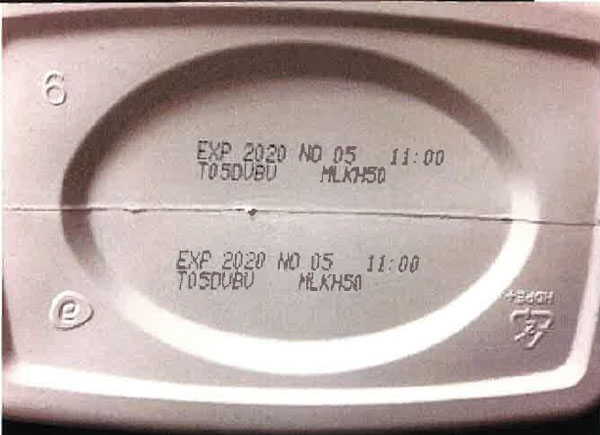
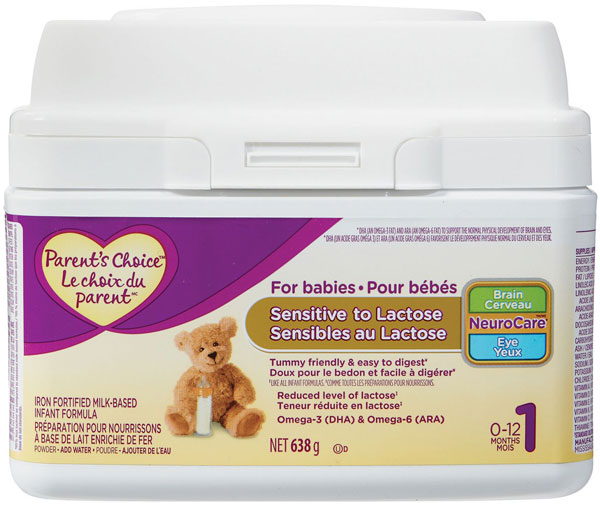
Parent’s Choice Infant Formula for Babies Sensitive to Lactose 638 g 6 28915 09517 3 EXP 2020 NO 05
T05DVBV

Background

This recall was triggered by CFIA test results. The CFIA is conducting a food safety investigation, which may lead to the recall of other products. If other high-risk products are recalled, the CFIA will notify the public through updated Food Recall Warnings.

The CFIA is verifying that industry is removing the recalled product from the marketplace.

Illnesses

There have been no reported illnesses associated with the consumption of this product.

Product photos

Printer ready version of photos

  • Parent's Choice – Infant Formula for Babies Sensitive to Lactose – 638 grams (front)
  • Parent's Choice – Infant Formula for Babies Sensitive to Lactose – 638 grams (lot code)

Canada -Updated Food Recall Warning – Kirkland Signature brand Non-GMO Infant Formula for Babies Sensitive to Lactose recalled due to Cronobacter spp.

CFIA

Recall details

Ottawa, October 25, 2019 – The food recall warning issued on October 13, 2019 has been updated to include additional product information. This additional information was identified during the Canadian Food Inspection Agency’s (CFIA) food safety investigation.

Costco Wholesale Canada Ltd. is recalling Kirkland Signature brand Non-GMO Infant Formula for Babies Sensitive to Lactose from the marketplace due to possible Cronobacter spp. contamination. Consumers should not consume the recalled products described below.

Recalled products

Brand Product Size UPC Codes
Kirkland Signature Non-GMO Infant Formula for Babies Sensitive to Lactose 1.36 kg 0 96619 26926 6 EXP 2020 NO 05
T05DVBV
Kirkland Signature Non-GMO Infant Formula for Babies Sensitive to Lactose (2-Pack) 2 x 1.36 kg 0 96619 23600 8 EXP 2020 NO 05
T05DVBV

Background

This recall was triggered by CFIA test results. The CFIA is conducting a food safety investigation, which may lead to the recall of other products. If other high-risk products are recalled, the CFIA will notify the public through updated Food Recall Warnings.

The CFIA is verifying that industry is removing the recalled products from the marketplace.

Illnesses

There have been no reported illnesses associated with the consumption of these products.

Product photos

Printer ready version of photos

  • Kirkland Signature – Non-GMO Infant Formula for Babies Sensitive to Lactose – 1.36 kg

Canada -Correction – Food Recall Warning – Certain President’s Choice brand Powdered Infant Formula

CFIA President's Choice - Sensitive to lactose milk-based powdered infant formula

Advisory details

Ottawa, October 13, 2019 – The food recall warning of certain powdered infant formula issued on October 6, 2019 is revised to correctly identify the formula that may be contaminated with Cronobacter spp. President’s Choice brand Lower Iron milk based powdered infant formula had been incorrectly identified as having been associated with the testing results.

Accordingly, the following product is no longer subject to a food recall warning:

Product

Brand Product Size UPC Codes
President’s Choice Lower Iron milk based powdered infant formula 900 g 0 60383 69839 3 EXP 2021 AU 29

It has now been confirmed that the testing results indicate that certain President’s Choice brand Sensitive to lactose milk-based powdered infant formula may be contaminated with Cronobacter spp. Loblaw Companies Limited is recalling the formula described below.

The following product has been sold nationally and should not be consumed.

Recalled product

Brand Product Size UPC Codes
President’s Choice Sensitive to lactose milk-based powdered infant formula 638 g 0 60383 12994 1 EXP 2020 NO 05

What you should do

If you think you or a family member became sick from consuming a recalled product, call your doctor.

Check to see if you have the recalled product in your home. Recalled products should be thrown out or returned to the store where they were purchased.

Food contaminated with Cronobacter may not look or smell spoiled but can still cause illness. Although Cronobacter is not commonly linked to human illness, in rare cases it can cause serious or fatal infections. Cronobacter can cause rare bloodstream and central nervous system infections and has been associated with severe intestinal infection (necrotizing enterocolitis) and blood poisoning (sepsis), especially in newborns.

Background

This recall was triggered by the CFIA’s surveillance activities. The CFIA is conducting a food safety investigation, which may lead to the recall of other products. If other high-risk products are recalled, the CFIA will notify the public through updated Food Recall Warnings.

The CFIA is verifying that industry is removing the recalled product from the marketplace.

Illnesses

There have been no reported illnesses associated with the consumption of this product.

Canada – Food Recall Warning – President’s Choice brand Lower Iron milk based powdered infant formula recalled due to Cronobacter spp.

CFIA 

Recall details

Ottawa, October 6, 2019 – Loblaw Companies Limited is recalling President’s Choice brand Lower Iron milk based powdered infant formula from the marketplace due to possible Cronobacter spp. contamination. Consumers should not consume the recalled product described below.

Recalled products

Brand Product Size UPC Codes
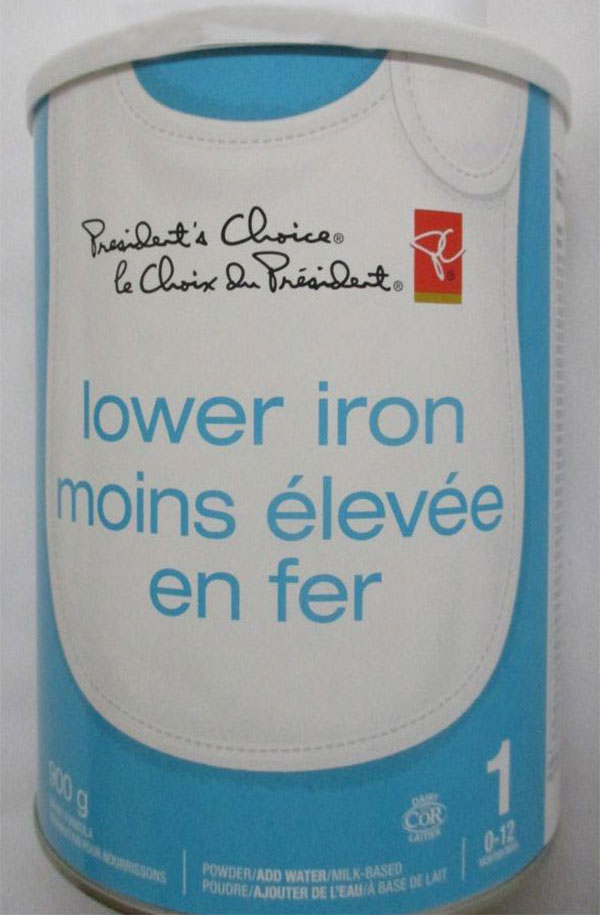
President’s Choice Lower Iron milk based powdered infant formula 900 g 0 60383 69839 3 EXP 2021 AU 29

What you should do

If you think you became sick from consuming a recalled product, call your doctor.

Check to see if you have the recalled product in your home. Recalled products should be thrown out or returned to the store where they were purchased.

Food contaminated with Cronobacter may not look or smell spoiled but can still make you sick. Although Cronobacter is not commonly linked to human illness, in rare cases it can cause serious or fatal infections. Cronobacter can cause rare bloodstream and central nervous system infections and has been associated with severe intestinal infection (necrotizing enterocolitis) and blood poisoning (sepsis), especially in newborns.

Background

This recall was triggered by Canadian Food Inspection Agency (CFIA) test results. The CFIA is conducting a food safety investigation, which may lead to the recall of other products. If other high-risk products are recalled, the CFIA will notify the public through updated Food Recall Warnings.

The CFIA is verifying that industry is removing the recalled product from the marketplace.

Illnesses

There have been no reported illnesses associated with the consumption of this product.
Product photos

Printer ready version of photos

  • President's Choice: Lower Iron milk based powdered infant formula - 900 grams

RASFF Alert – Cronobacter sakazakii – Organic Corn and Tapioca Baby Food

RASFF-Logo

RASFF – Cronobacter sakazakii (presence /10g) in organic corn and tapioca baby food from Spain in Italy

Information – Company, governments investigate contaminated infant formula powder – Cronobacter sakazakii

Food Safety News

The Danone company has been hit by several food safety issues recently, including a consumer reporting insects in a pack of its infant formula and another batch of baby formula testing positive for Cronobacter sakazakii bacteria.

Danone is the corporation behind many food and beverage brands sold in the United States, including Oikos, Activia, Silk, International Delight, Aptimel, and Evian.