Category Archives: Biofilm

Research – Biofilm through the Looking Glass: A Microbial Food Safety Perspective

MDPI

Food-processing facilities harbor a wide diversity of microorganisms that persist and interact in multispecies biofilms, which could provide an ecological niche for pathogens to better colonize and gain tolerance against sanitization. Biofilm formation by foodborne pathogens is a serious threat to food safety and public health. Biofilms are formed in an environment through synergistic interactions within the microbial community through mutual adaptive response to their long-term coexistence. Mixed-species biofilms are more tolerant to sanitizers than single-species biofilms or their planktonic equivalents. Hence, there is a need to explore how multispecies biofilms help in protecting the foodborne pathogen from common sanitizers and disseminate biofilm cells from hotspots and contaminate food products. This knowledge will help in designing microbial interventions to mitigate foodborne pathogens in the processing environment. As the global need for safe, high-quality, and nutritious food increases, it is vital to study foodborne pathogen behavior and engineer new interventions that safeguard food from contamination with pathogens. This review focuses on the potential food safety issues associated with biofilms in the food-processing environment. View Full-Text

Research – Antimicrobial Activity of Ohelo Berry (Vaccinium calycinum) Juice against Listeria monocytogenes and Its Potential for Milk Preservation

MDPI

Listeria monocytogenes is a foodborne pathogen and causes illnesses with a high mortality rate in susceptible populations. Several dairy-related outbreaks have been attributed to contamination by L. monocytogenes, which requires antimicrobial interventions to enhance the safety of these products. This study aimed to determine the antimicrobial activity of the ohelo berry (Vaccinium calycinum), a Hawaiian wild relative of cranberry, against L. monocytogenes in culture media and milk products. The effect of ohelo berry juice at its sub-inhibitory concentrations on the physicochemical properties, biofilm formation, and gene expression of L. monocytogenes was also investigated. The minimum inhibitory concentration of ohelo berry juice against L. monocytogenes was 12.5%. The sub-inhibitory concentration of ohelo berry juice (6.25%) significantly increased the auto-aggregation and decreased the hydrophobicity, swimming motility, swarming motility, and biofilm formation capability of L. monocytogenes. The relative expression of genes for motility (flaA), biofilm formation and disinfectant resistance (sigB), invasion (iap), listeriolysin (hly), and phospholipase (plcA) was significantly downregulated in L. monocytogenes treated by the 6.25% juice. L. monocytogenes was significantly inhibited in whole and skim milk supplemented with 50% ohelo berry juice, regardless of the fat content. These findings highlight the potential of ohelo berry as a natural preservative and functional food to prevent L. monocytogenes infection.

Research – Pathogenesis of the Pseudomonas aeruginosa Biofilm: A Review

MDPI

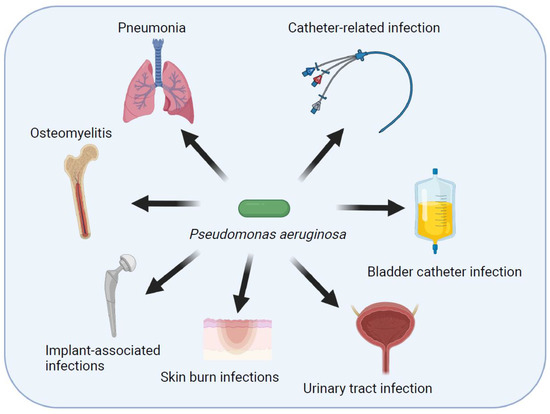
Pseudomonas aeruginosa is associated with several human infections, mainly related to healthcare services. In the hospital, it is associated with resistance to several antibiotics, which poses a great challenge to therapy. However, one of the biggest challenges in treating P. aeruginosa infections is that related to biofilms. The complex structure of the P. aeruginosa biofilm contributes an additional factor to the pathogenicity of this microorganism, leading to therapeutic failure, in addition to escape from the immune system, and generating chronic infections that are difficult to eradicate. In this review, we address several molecular aspects of the pathogenicity of P. aeruginosa biofilms. View Full-Text

Research – Scientists identify environmental cue linked to illness caused by Salmonella

Science Daily

To survive in hostile environments, bacteria attach to one another, forming a supportive framework known as a biofilm. In biofilms of Salmonella — a major cause of food-borne diarrheal illness — a key component of this framework is curli amyloid protein.

Now, in new research, scientists at the Lewis Katz School of Medicine at Temple University show that the repression of curli by an environmental factor in the intestine plays a critical role in freeing Salmonella bacteria of strain S. Typhimurium from their biofilms, enabling them to cause active infection. The environmental cue is nitrate, which both represses curli and modulates levels of an intracellular molecule known as cyclic-di-GMP. These events ultimately lead to the activation of S. Typhimurium flagella, which in humans is a critical step in allowing individual S. Typhimurium bacteria to swim toward and infect intestinal cells.

“It had been unclear what factors trigger S. Typhimurium to switch between a sessile, biofilm lifestyle to a motile, free-swimming lifestyle in the intestine,” explained Çagla Tükel, PhD, Director of the Center for Microbiology and Immunology at the Katz School of Medicine and senior investigator on the new study. “Our study shows for the first time that nitrate produced in the intestinal lumen of the host serves as an environmental cue driving this switch.”

Research – IFST – Building biofilm knowhow.

IFST

Mark Richardson outlines the aims and activities of the National Biofilms Innovation Centre (NBIC) and explains why the occurrence of foodborne pathogens in biofilms is a major concern.

The National Biofilms Innovation Centre (NBIC) is still a relatively young organisation but we are proud of what we have achieved since our formation in late 2017. We were funded through UKRI (UK Research and Innovation) by BBSRC (Biotechnology and Biological Sciences Research Council), Innovate UK and the Hartree Centre as an Innovation Knowledge Centre (IKC) to support and connect the biofilm community in industry and academia.

Foodborne pathogens within biofilms

Biofilms are communities of microorganisms (often multiple species) within an extracellular matrix associated with a surface; this allows them to communicate and collectively behave very differently to individual organisms. Biofilms have a role to play across multiple industrial sectors in terms of both the problems they present and opportunities they offer. In respect to human health and food they can, for example, potentiate the emergence of bacterial resistance to antibiotics, antiseptics and disinfectants. From farm to fork they have a role to play in the health of soils, plants and animals; in addition they impact on food processing and then subsequently on supply chain safety (particularly for ready to eat or chilled produce).

For example, Listeria monocytogenes, a pathogenic bacterium found in moist environments, soil, water, decaying vegetation and animals, can survive and even grow under refrigeration and other food preservation measures. It can cause food poisoning if ingested and due to the severity of infection and high case fatality rate, listeriosis is an important public health concern. A high level of vigilance is maintained in food manufacturing environments for the occurrence of this organism. There were 142 cases of food borne listeriosis in the UK in 2019 resulting in 23 deaths plus eight miscarriages or stillbirths.

Listeria monocytogenes typifies the problems that biofilm modality imparts to organisms in that when it grows within a biofilm, it is very difficult to detect, remove and destroy. When measures relating to its control go wrong, this can lead to significant human health issues, adverse impacts on the food sector’s reputation and significant economic costs. As recently as July 2021, Tyson Foods in the USA recalled nationally almost 4100 tonnes of ready-to-eat chicken products after finding they may have been contaminated with Listeria. The US Department of Agriculture announced the recall a month after two consumers reported falling ill with listeriosis. Further investigation revealed one death.

Research – Comparative efficiency of carbohydrates on the biofilm-forming ability of enteroaggregative Escherichia coli

Wiley Online

The biofilm-forming ability of microbes is often correlated with drug resistance; however, this association among enteroaggregative Escherichia coli (EAEC) strains remains naïve. Moreover, the investigations exploring uptake and assimilation of sugars either qualitatively or quantitatively by the biofilm-forming EAEC strains have not yet been documented. Hence, this study investigated the role of various categories of sugars (monosaccharides, disaccharides, and polysaccharide) on the biofilm-forming ability of three each of multi-drug-resistant (MDR) as well as non-MDR typical EAEC strains. The EAEC strains exhibited black colonies on congo red agar (CRA) with monosaccharides and disaccharides, whereas all the strains exhibited red colonies on CRA with the polysaccharide. Although significant (p < 0.001) biofilm-forming ability was observed by all the EAEC strains in sugar-dependent microtiter plate assay, color change from pink to orange and yellow was noticed in presence of monosaccharides and disaccharide, while absent in polysaccharides. Besides, significantly higher bacterial counts were observed in presence of monosaccharides and disaccharides (p < 0.01); however, such significant bacterial counts were not noticed with the polysaccharide. Further, the real-time PCR data exhibited comparatively higher relative expression of biofilm-associated fis gene among EAEC strains grown in presence of monosaccharides, followed by disaccharide and polysaccharide, respectively that concurred with the flow cytometry data. No significant (p > 0.05) difference was observed in the biofilm-forming ability between MDR- and non-MDR EAEC strains. This study illustrated the role of carbohydrates on the biofilm-forming ability of EAEC and warranted utmost attention concerning the usage of carbohydrates in food processing industries, for its incorporation as functional food additives.

Research – Effect of phenolic compounds and cold shock on survival and virulence of Escherichia coli pathotypes

Wiley Online

Phenolic compounds (PC) affect many metabolic processes of microbes; however, there is no information about their effectiveness when these act in combination with low temperatures for the control of Escherichia coli pathotypes. In this study, four PC, (tannic acid [TA], gallic acid [GA], methyl gallate [MG], and epigallocatechin gallate [EG]) in combination with cold shock (CS, 10°C) were evaluated for their effect on growth, swarming motility, biofilm formation, and expression of selected virulence-related genes of E. coli pathotypes [enteropathogenic (EPEC), enterohemorrhagic (EHEC), and enterotoxigenic (ETEC)]. Sub-inhibitory concentrations of the PC were used alone (37°C) or in combination with CS. For CS assays, E. coli strains were grown at 37°C until mid-log phase and then subjected to 10°C for 4 hr. Membrane damage was determined by flow cytometry; swarming motility was measured on soft-LB agar, biofilm formation was analyzed by crystal violet staining, and gene expression of CS, biofilm, and swarming motility related-genes was determined by qPCR. Sub-inhibitory concentrations of the PC did not affect the viability of the strains. The combination of CS + TA provoked the highest (p ≤ .05) mortality in all pathotypes. CS + GA inhibited (100%) the motility of EHEC and ETEC. PC and CS + PC reduced (p ≤ .05) biofilm formation. The combination of PC and CS affected virulence factors and their gene expression of pathogenic E. coli presenting a novel alternative for its control in foods.

Research – Controlling Listeria monocytogenes Growth and Biofilm Formation using Flavonoids

Journal of Food Protection

The aim of the present study was to investigate the ability of natural plant-derivate (flavonoid compounds) products to reduce and/or inhibit the biofilm-forming ability of Listeria monocytogenes. A collection of 500 synthetic and natural flavonoids were tested on strains of L. monocytogenes for their antimicrobial and anti-biofilm activity. L. monocytogenes biofilm inhibition by flavonoid compounds was tested on i) stainless steel coupons using crystal violet staining and ii) glass slides using confocal laser scanning microscopic (CLSM) imaging. The flavonoids were tested against a L. monocytogenes cocktail of 5 strains at a concentration of 100 µM to determine their effect on planktonic growth. A total of 17 flavonoids were chosen for further study due to their ability to significantly reduce the growth of L. monocytogenes in BHI broth, while 2 flavonoids were chosen because they actually increased growth. A lower concentration of flavonoid compounds (50 µM) was selected to investigate their effects on L. monocytogenes biofilm formation using i) stainless steel coupons to quantify biomass and ii) glass coupons to observe the biofilm architecture. The 19 flavonoids showed various levels of L. monocytogenes growth inhibition, ranging from 2% to 100%, as compared to the respective positive and negative controls on stainless steel, after 48 h of incubation at 22 o C. In addition, in comparison to the control, most of the 19 flavonoids significantly (p ≤ 0.05) inhibited biofilm formation, with at least one of the L. monocytogenes strains or at one of the tested temperatures. In fact, when grown in BHI broth with 50 µM of the 19 selected flavonoid compounds for 48 h at 22 o C, there were visible reductions in L. monocytogenes biofilm formation on the glass coupons. Overall, we found multiple flavonoid compounds to be promising anti-biofilm and antimicrobial agents against L. monocytogenes .

Research – Evaluation of Salmonella Biofilm Cell Transfer from Common Food Contact Surfaces to Beef Products

Journal of Food Protection

Meat contamination by Salmonella enterica is a serious public health concern. Available studies have suggested that biofilm formation at processing plants and the contaminated contact surfaces might contribute to meat contamination. Since bacteria transfer from contact surfaces to food products via direct contact has been deemed as the most common transmission route that could lead to contamination, we evaluated the effect of Salmonella biofilm forming ability, contact surface materials, and beef surface tissue types on Salmonella biofilm transfer from hard surfaces to beef products. Salmonella biofilms developed on common contact surface stainless steel (S.S) and polyvinylchloride (P.V.C) were transferred consecutively via direct contacts of 30 sec each to either lean muscle or adipose tissue surfaces of 15 pieces of beef trim. Our results showed that Salmonella biofilm cells could be effectively transferred multiple times from contact surface to beef trim as enumerable Salmonella cells could be detected on most of the meat samples. Bacterial biofilm forming ability had the most significant impact (p<0.05) on transfer efficiency as the strong biofilm forming strains not only transferred higher amounts of bacteria after each contact, but also contaminated more meat samples with enumerable Salmonella cells compared to the weak biofilm formers. Contact surface materials could affect transferability as Salmonella biofilms on S.S surface appeared to transfer more efficiently compared to those on P.V.C surface. Conversely, the two types of meat surface tissues showed no significant difference (p>0.05) on biofilm transfer efficiency. Furthermore, biofilm – contacted beef trim without enumerable Salmonella cells all exhibited positive Salmonella prevalence after enrichment. Our study demonstrated the high potential of Salmonella biofilms on common contact surfaces to cause product cross contamination in meat processing plants.

Research – Recent Advances in the Mechanisms and Regulation of QS in Dairy Spoilage by Pseudomonas spp.

MDPI

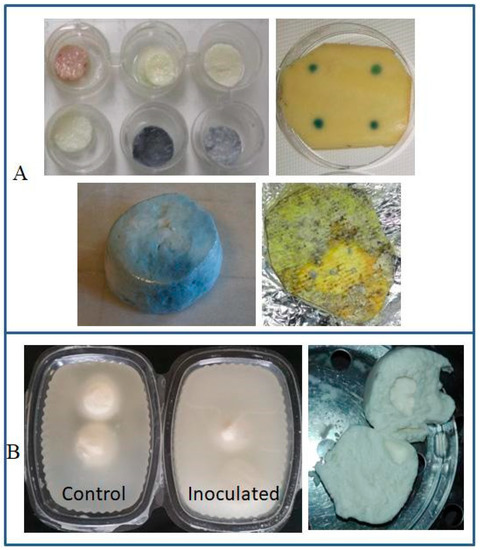
Food spoilage is a serious issue dramatically impacting the worldwide need to counteract food insecurity. Despite the very expensive application of low temperatures, the proper conservation of fresh dairy products is continuously threatened at different stages of production and commercialization by psychrotrophic populations mainly belonging to the Pseudomonas genus. These bacteria cause discolouration, loss of structure, and off-flavours, with fatal implications on the quality and shelf-life of products. While the effects of pseudomonad decay have been widely reported, the mechanisms responsible for the activation and regulation of spoilage pathways are still poorly explored. Recently, molecule signals and regulators involved in quorum sensing (QS), such as homoserine lactones, the luxR/luxI system, hdtS, and psoR, have been detected in spoiled products and bacterial spoiler species; this evidence suggests the role of bacterial cross talk in dairy spoilage and paves the way towards the search for novel preservation strategies based on QS inhibition. The aim of this review was to investigate the advancements achieved by the application of omic approaches in deciphering the molecular mechanisms controlled by QS systems in pseudomonads, by focusing on the regulators and metabolic pathways responsible for spoilage of fresh dairy products. In addition, due the ability of pseudomonads to quickly spread in the environment as biofilm communities, which may also include pathogenic and multidrug-resistant (MDR) species, the risk derived from the gaps in clearly defined and regulated sanitization actions is underlined. View Full-Text