Category Archives: Animal Feed

RASFF Alert- Animal Feed – Enterobacteriaceae – Dog Chews

European Food Alerts

RASFF

too high count of Enterobacteriaceae (< 1300 CFU/g) in dog chews from Belgium in Austria

RASFF Alert – Animal Feed -Mould – Dried Beet Pulp

European Food Alerts

RASFF

high count of moulds in dried beet pulp from Ukraine in Poland

RASFF Alerts – Animal Feed – Salmonella – Rapeseed Meal – Raw Cat Food – Dog Chews – Potato Pulp

European Food Alerts

RASFF

Salmonella (presence /25g) in rapeseed meal from Germany in Germany

RASFF

Salmonella enterica ser. Infantis (in 1 out of 5 samples /25g) in raw cat food from the Netherlands in Belgium

RASFF

Salmonella (presence /25g) in dog chews from India in Sweden

RASFF

Salmonella (presence /25g) in potato pulp from Germany in Germany

USA – Albright’s Raw Dog Food Recalls Chicken Recipe For Dogs Because of Possible Salmonella Health Risk

FDA

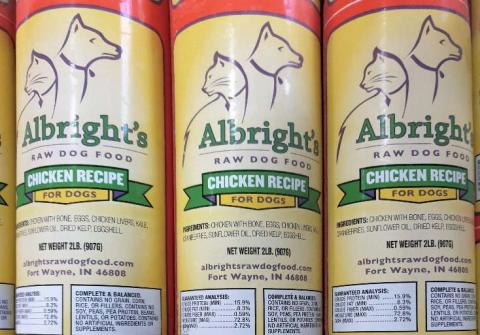
Albright’s Raw Dog Food of Fort Wayne, IN is voluntarily recalling 67 cases of Chicken Recipe for Dogs because it has the potential to be contaminated with SalmonellaSalmonella can affect animals eating the products and there is risk to humans from handling contaminated pet products, especially if they have not thoroughly washed their hands after having contact with the products or any surfaces exposed to these products.

Healthy people infected wit Salmonella should monitor themselves for some or all of the following symptoms: nausea, vomiting, diarrhea or bloody diarrhea, abdominal cramping and fever. Rarely, Salmonella can result in more serious ailments, including arterial infections, endocarditis, arthritis, muscle pain, eye irritation, and urinary tract symptoms. Consumers exhibiting these signs after having contact with this product should contact their healthcare providers.

Pets with Salmonella infections may be lethargic and have diarrhea or bloody diarrhea, fever, and vomiting. Some pets will have only decreased appetite, fever and abdominal pain. Infected but otherwise healthy pets can be carriers and infect other animals or humans. If your pet has consumed the recalled product and has these symptoms, please contact your veterinarian.

Albright’s Raw Dog Food Chicken Recipe for Dogs was distributed in CA, FL, IL, IN, NH, NJ, NV, NY, PA, and TN and product was distributed through retail stores, mail order, and direct delivery.

The product is labeled Albright’s Raw Dog Food Chicken Recipe for Dogs and is packaged in 2 lbs chubs/rolls. Each chub/roll is printed with “Lot number C000185, Best By 19 May 2021.” Product was sold frozen, and was distributed from the company to distributors from 7/8/20 to 8/27/20.

One animal illness has been reported. No human illnesses have been reported to date.

The problem bacteria was revealed after testing conducted by the FDA. The problem was confined to this batch and the company has ceased the distribution of the batch as FDA and the company continue their investigation as to what caused the problem.

Due to the frozen condition of the product, it is possible that retailers and end users may still have the product in their freezers. Consumers who have purchased Albright’s Raw Dog Food Chicken Recipe for Dogs are urged to return it to the place of purchase for a full refund.

Consumers with questions may contact the company at 1-260-422-9440 Monday – Friday, 8 am – 4 pm, EST.


Company Contact Information

Consumers:
 260-422-9440
 albrightsrawdogfood@aol.com

Product Photos

RASFF Alert – Animal Feed – Salmonella – Lamb Meal

European Food Alerts

RASFF

Salmonella (presence /25g) in lamb meal from New Zealand in Belgium

RASFF Alerts – Salmonella – Dog Chews – Rapeseed Meal

European Food Alerts

RASFF

Salmonella (presence /25g) in dogchews from Poland in Germany

RASFF

Salmonella (presence /25g) in rapeseed meal from Poland in Germany

RASFF

Salmonella enterica ser. Agona in rapeseed meal from Belgium in Belgium

Research – Risk of Foodborne Illness from Pet Food: Assessing Pet Owners’ Knowledge, Behavior, and Risk Perception

Journal of Food Protection

Pet food has been identified as a source of pathogenic bacteria, including Salmonella and Escherichia coli. A recent outbreak linked to Salmonella-contaminated pet treats infected >150 people in the United States. The mechanism by which contaminated pet food leads to human illness has not been explicated, and pet owners’ food safety knowledge and their pet food handling practices have not been reported. This study was conducted to evaluate pet owners’ food safety knowledge and pet food handling practices through an online consumer survey. The survey consisted of 62 questions and assessed (i) owners’ food safety knowledge and pet food handling practices; (ii) owners’ interaction with pets; and (iii) owners’ risk perception related to their own health, their children’s health, and their pets’ health. The survey was pilot tested among 59 pet owners before distribution to a national consumer panel managed by Qualtrics XM (Provo, UT). All participants (n = 1,040) were dog and/or cat owners in the United States. Almost all pet owners (93%) interacted with their pets, and most cuddled, allowed their pets to lick them, and slept with their pets. Less than one-third of pet owners washed their hands with soap after interacting with their pets. Over half (58%) of the owners reported washing their hands after feeding their pets. Most pet owners fed their pets dry pet food and dry pet treats. Some fed their pets raw meat or raw animal product diets because they believed these diets to be beneficial to the pet’s overall health. Many owners (78%) were unaware of pet food recalls or outbreaks associated with foodborne pathogens. Less than 25% considered dry pet foods and treats as a potential source of foodborne pathogens. Pet owners were more concerned when seeing news about pets becoming ill from pet food and less concerned when seeing news about people becoming ill from pet food. The findings of this study indicated the need for consumer education about handling pet food. These results can help researchers develop more accurate risk assessment models and consumer education messages related to pet food handling.

HIGHLIGHTS
  • Most surveyed pet owners were unaware of pet food recalls or outbreaks due to pathogens.
  • Pet owners may lack knowledge of safe pet food handling practices.
  • Most pet owners perceived raw meat and animal parts to pose a microbial risk.
  • Owners were more concerned about pets than people becoming ill from pet food.
  • Many pet owners got pet food safety information from television and social media.

RASFF Alert- Animal Feed – unauthorised ingredients in fish feed

European Food Alerts

RASFF

unauthorised ingredients (Lactobacillus plantarum, Enterococcus faecalis, Pediococcus lactis) in fish feed from China in the UK

RASFF Alerts – Salmonella – Soy Bean Meal

European Food Alerts

RASFF

Salmonella enterica ser. Agona (presence /25g) in soy bean meal from Brazil, via Belgium in Belgium

RASFF

Salmonella enterica ser. Senftenberg (presence /25g) in soy bean meal from Italy in Belgium

RASFF Alerts – Animal Feed – Moulds – Dried beet Pulp

European Food Alerts

RASFF

dried beet pulp from Ukraine infested with moulds in Poland

RASFF

dried beet pulp from Ukraine infested with moulds in Poland