Category Archives: Algal Blooms

New Zealand – Shellfish biotoxin alert – PSP

MPI

North Island warnings

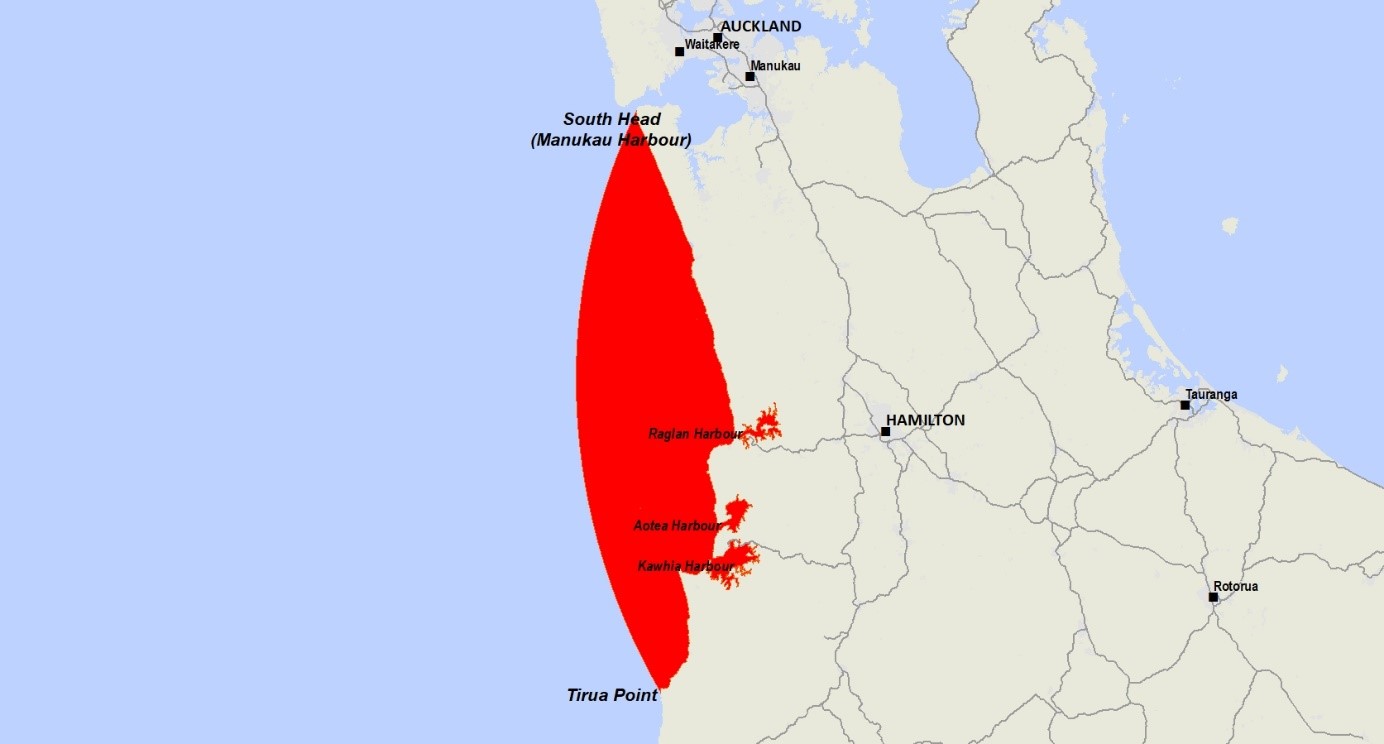
West coast, South Head to Tirua Point (south of Kawhia)

Reason for alert Paralytic Shellfish Poisoning (PSP)

Date warning issued Extended on 2 September 2020

Media release

First issue: 12 August 2020

Media release

Affected area West Coast North Island – from South Head (Manukau Harbour entrance) to Tirua Point (south of Kawhia)
Shellfish affected Mussels, oysters, tuatua, pipi, toheroa, cockles, scallops, catseyes, kina (sea urchin) and all other bivalve shellfish.

Note, cooking shellfish does not remove the toxin.

Pāua, crab and crayfish may still be eaten if the gut has been completely removed prior to cooking, as toxins accumulate in the gut. If the gut is not removed its contents could contaminate the meat during the cooking process.

Symptoms Symptoms typically appear between 10 minutes and 3 hours after ingestion and may include:

  • numbness and a tingling (prickly feeling) around the mouth, face, and extremities (hands and feet)
  • difficulty swallowing or breathing
  • dizziness
  • headache
  • nausea
  • vomiting
  • diarrhoea
  • paralysis and respiratory failure and in severe cases, death.
Other information Paralytic shellfish toxins have been detected in shellfish at levels over the safe limit of 0.8mg/kg set by MPI. Ongoing testing will continue and any changes will be communicated accordingly.

Map of affected area

Map showing the affected area

New Zealand – Shellfish biotoxin alert extended for North Island west coast, including Raglan

MPI

The Ministry for Primary Industries today extended the current public health warning against collecting shellfish from the west coast of the North Island. The warning now extends from South Head (Manukau Harbour entrance) to Tirua Point (south of Kawhia Harbour).

Paralytic Shellfish Poisoning (PSP) toxins have been detected in shellfish from the Kawhia Harbour above the safe limit set by MPI.

The other public health warning for Hawke’s Bay remains in place.

Mussels, oysters, tuatua, pipi, toheroa, cockles, scallops, catseyes, kina (sea urchin) and all other bivalve shellfish should not be eaten.

Note, cooking shellfish does not remove the toxin.

Pāua, crab and crayfish may still be eaten if the gut has been completely removed prior to cooking, as toxins accumulate in the gut. If the gut is not removed its contents could contaminate the meat during the cooking process.

Symptoms typically appear between 10 minutes and 3 hours after ingestion and may include:

  • numbness and a tingling (prickly feeling) around the mouth, face, and extremities (hands and feet)
  • difficulty swallowing or breathing
  • dizziness
  • headache
  • nausea
  • vomiting
  • diarrhoea
  • paralysis and respiratory failure and in severe cases, death.

If anyone becomes ill after eating shellfish from an area where a public health warning has been issued, phone Healthline for advice on 0800 61 11 16, or seek medical attention immediately. You are also advised to contact your nearest public health unit and keep any leftover shellfish in case it can be tested.

Monitoring of toxin levels will continue and any changes will be communicated accordingly. Commercially harvested shellfish – sold in shops and supermarkets, or exported – is subject to strict water and flesh monitoring programmes by MPI to ensure they are safe to eat.

Namibia -Shellfish Poisoning Halts Oyster, Mussel Exports – DSP

All Africa

OYSTER and black mussel producers who mainly export to Asia have stopped harvesting and exporting since last week after routine tests revealed the delicacies were contaminated with ‘diarrhoeatic shellfish poisoning’ (DSP), which can make people very sick.

The fisheries ministry issued an alert last week, warning people not to eat oysters or mussels from Lüderitz and Walvis Bay.

Chief fisheries biologist Frikkie Botes said such spells of contamination, which is a seasonal occurrence – mainly during summer from October to April – result in the shellfish industry suffering economic losses.

New Zealand – Shellfish biotoxin alert – South Island West Coast region

MPI Mussels

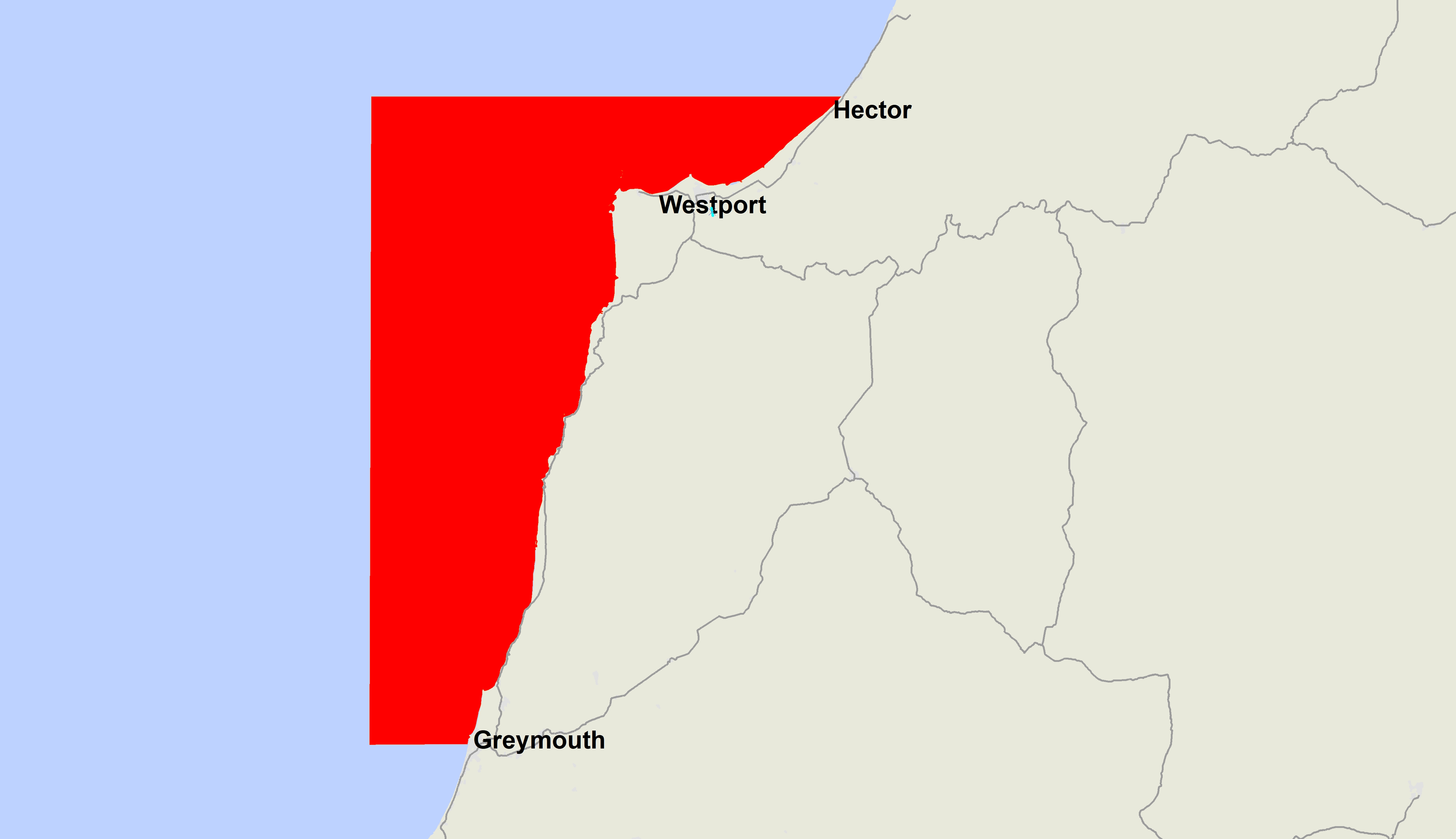
The Ministry for Primary Industries (MPI) today issued a public health warning advising the public not to collect or consume shellfish harvested from between Hector south to Greigs on the South Island West Coast.

Routine tests on shellfish samples taken from Cape Foulwind has shown levels of diarrhetic shellfish toxins above the safe limit of 0.16 mg/kg set by MPI.  Anyone eating shellfish from this area is potentially at risk of illness.

Ongoing testing will continue and any changes will be communicated accordingly.

Mussels, oysters, tuatua, pipi, toheroa, cockles, scallops, catseyes, kina (sea urchin) and all other bivalve shellfish should not be eaten.

Note: cooking shellfish does not remove the toxin.

Map highlighting in red the areas affected.

Poland -Algae blooms force Poland to shut down 50 Baltic Sea beaches

Herald Whig

WARSAW, Poland (AP) — Thinking of a dip in the Baltic Sea to cool off from the unusually scorching European summer? It’s too hot for that.

Authorities in Poland this week banned swimming at over 50 beaches along its Baltic coast, after hot weather led to the toxic growth of bacteria in the unusually warm sea. Baltic Sea water temperatures exceeded 23 degrees Celsius (73.4F) in some places Thursday.

Emergency water rescuers told vacationers on hot sandy beaches — from Swinoujscie in the west to Gdynia in the east — not to enter the sea, where thick green-brown cyanobacteria colonies have grown and pose a health threat.

Regional sanitation authorities have issued warnings that contact with the bacteria may cause allergies and rashes. Drinking contaminated water can also lead to serious digestive problems.

The Baltic Sea has not seen such intense growth of cyanobacteria for 12 years. It results from exceptionally high air temperatures of 34 degrees Celsius (93.2 degrees Fahrenheit) that have raised the temperatures of the usually cold Baltic.

A similar ban has been issued for some inland lakes and reservoirs, such as the Zegrze Resevoir near Warsaw.

In neighboring Germany, authorities issued a warning about the higher than usual growth of vibrio bacteria in the warm Baltic that can cause deadly illness in people with compromised immune systems. They said a 70-year-old man with a chronic illness died of vibrio infection over the weekend, and warned elderly people and those with chronic illnesses such as diabetes or HIV to avoid contact with the sea or brackish water.

In Finland, the Loviisa nuclear power plant said in a statement it briefly reduced energy production in both its units Wednesday to prevent the Baltic Sea water that cools its infrastructure from getting too warm. It said there was no danger to people or the environment.