Author Archives: KSW

Denmark – Mold/Mould in dried beans

Foedevarestyrelsen

Meyers Food is recalling three types of dried beans sold in bulk because of the risk of mold. Mold on the beans makes them unsuitable as food.

If you have the products, you should discard them or return them to the store where they were purchased.
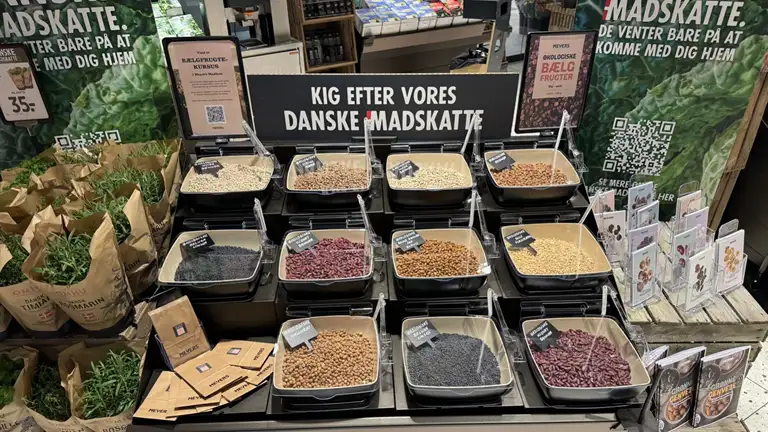
Image of beans in bulk in legume stall

Which food is recalled

Brown beans in bulk

Kidney beans in bulk

Black beans in bulk

The beans are sold in bulk in shops during the period: 16 September – 18 October 2024.

Where is the product sold

The products are sold in: In leguminous stalls for takeaways in Meny stores in several places in the country

Why is the product being recalled?

Foods go moldy because they are attacked by molds.

The content of molds makes the product unsuitable as food.

Read more about mold in food by clicking on the link here

Read more about mold and spoilage bacteria by clicking on the link here

What should you do as a consumer?

If you have the beans, you should discard them or return them to the store where they were purchased. 

Who recalls the product

Meyer’s Food

Dampfærgevej 10

2100 Copenhagen Ø

France – Country terrine 250g – Listeria monocytogenes and Salmonella

Gov France

Product Category
Food
Product subcategory
Meats
Product brand name
unbranded
Model names or references
Country terrine 250g
Product identification
GTIN Batch Date
3450794969002 1304082 Use-by date between 08/11/2024 and 19/11/2024
List of products
592023_-_Poster_lot_1304082_(1).pdfAttachment
Packaging
250g vacuum-packed tray
Start/End of marketing date
From 10/15/2024 to 10/21/2024
Storage temperature
Product to be kept in the refrigerator
Health mark
FR 22 136 007 CE
Geographic area of ​​sale
Whole France
Distributors
CORA, LECLERC
List of points of sale
Table_traceability_customers_alert_-_1304082_terrinette_campagne.pdf

France – Superior cooked breast, plain 2.9kg – Listeria monocytogenes

Gov France

Product Category
Food
Product subcategory
Meats
Product brand name
Unbranded
Model names or references
Superior cooked breast, plain 2.9kg
Product identification
GTIN Batch Date
3346650206155 000011313087 Expiry date 20/11/2024
3346650206155 000011314654 Expiry date 11/23/2024
Packaging
vacuum packaging
Start/End of marketing date
From 10/15/2024 to 10/20/2024
Storage temperature
Product to be kept in the refrigerator
Health mark
FR 35.004.002 CE
Geographic area of ​​sale
Regions: Brittany, , , Normandy, , , Pays-de-la-Loire
Distributors
Wholesalers

Canada – Various brands of frozen waffles recalled due to Listeria monocytogenes

Gov Canada

Waffles
Issue
Food – Microbial contamination – Listeria
What to do

Do not consume, use, sell, serve or distribute recalled products.

Distribution
National
See full list at the link above

Issue

The affected products are being recalled from the marketplace due to possible Listeria monocytogenes contamination.

What you should do

  • If you think you became sick from consuming a recalled product, contact your healthcare provider
  • Check to see if you have recalled products
  • Do not consume, serve, use, sell, or distribute recalled products
  • Recalled products should be thrown out or returned to the location where they were purchased

Food contaminated with Listeria monocytogenes may not look or smell spoiled but can still make you sick. Symptoms can include vomiting, nausea, persistent fever, muscle aches, severe headache and neck stiffness. Pregnant women, the elderly and people with weakened immune systems are particularly at risk. Although infected pregnant women may experience only mild, flu-like symptoms, the infection can lead to premature delivery, infection of the newborn or even stillbirth. In severe cases of illness, people may die.

Research – Evaluating Chlorine Sanitization at Practical Concentrations for Controlling Listeria monocytogenes and Salmonella on Fresh Peaches

MDPI

Abstract

Recent foodborne outbreaks and recalls involving Listeria monocytogenes and Salmonella-contaminated peaches have caused significant economic losses to the peach industry. This study evaluated the effectiveness of chlorine, a commonly used sanitizer in the fresh produce industry, against L. monocytogenes and Salmonella and its ability to control cross-contamination in fresh peaches. Peaches inoculated with L. monocytogenes or Salmonella (~6 log10 CFU/peach) were treated with 50–150 mg/L of free chlorine (FC, pH6.8) 24 h post-inoculation. The results revealed that chlorine had similar efficacy against L. monocytogenes and Salmonella on peaches (p > 0.05). A 30 s treatment at 50, 100, and 150 mg/L FC resulted in dose-dependent reductions (p < 0.05), achieving reductions of 0.88–0.92, 1.54–1.61, and 1.73–1.79 log10 CFU/peach, respectively. Extending the contact time to 2 min slightly but significantly enhanced the chlorine efficacy (p < 0.05). Additionally, a 30 s to 2 min exposure to chlorine with 50–150 mg/L FC resulted in a 1.05–1.43 log10 CFU/peach reduction in yeasts and molds. Tap water exposure led to substantial cross-contamination between inoculated and uninoculated fruits and processed water, with Salmonella exhibiting higher transfer rates than L. monocytogenes. The application of chlorine mitigated the cross-contamination of both pathogens but did not entirely prevent it. These findings offer valuable insights for the peach and other stone fruit industries to verify process controls.

Italy – Stagionata Luganega – Salmonella

Salute

Brand : Meggio Roberto e C. Snc

Name : Stagionata Luganega

Reason for reporting : Recall due to microbiological risk

Publication date : 21 October 2024

Documentation

Documentation

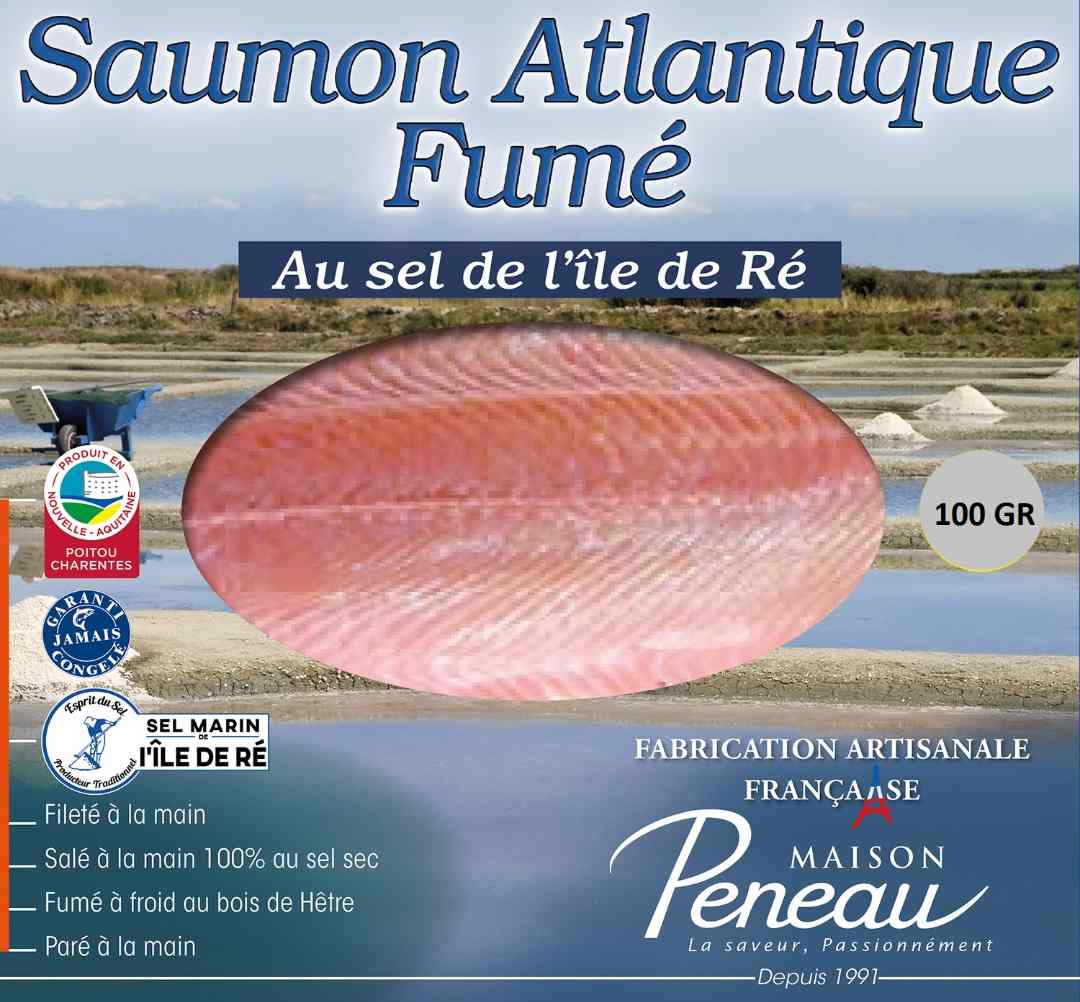
France – SMOKED ATLANTIC SALMON 100g – Listeria monocytogenes

Gov France

Product Category
Food
Product subcategory
Fishery and aquaculture products
Product brand name
PENEAU HOUSE
Model names or references
SMOKED ATLANTIC SALMON 100g – MAISON PENEAU
Product identification
GTIN Batch Date
3389400343540 24202399 Expiry date between 06/11/2024 and 26/11/2024
Packaging
100g vacuum blister packs
Start/End of marketing date
From 10/16/2024 to 10/21/2024
Storage temperature
Product to be kept in the refrigerator
Health mark
FR 17.421.007.CE
Geographic area of ​​sale
Whole France
Distributors
System U, Carrefour, Auchan, E.LECLERC, Intermarché

Hong Kong – Safe Food at School

CFS

Safe and nutritious food supports the growth and promotes the wellbeing of children. Therefore, ensuring food safety at schools and childcare facilities is particularly essential, as young children are more vulnerable to food poisoning (foodborne diseases). In busy places like schools and childcare centres, it is imperative that both food handlers and other staff are aware of the specific risks related to those settings. These include the mass preparation and distribution of meals, food allergens and choking hazards of food in young children. Maintaining high food hygiene and safety standards can help to prevent food hazards and contamination and therefore, subsequent illness. People who work with food should receive appropriate food safety training. By learning about potential hazards and practising proper hygiene, food handlers, teachers and caregivers at schools and childcare facilities can prevent foodborne diseases and even threats to life.

The Safe Food at School thematic website is intended to help schools and childcare facilities to coordinate all aspects of food safety to build a safe and healthy eating environment for students and young children. It provides information and training resources related to basic food safety requirements for schools and childcare facilities, as well as other important areas that should be addressed in order to have a comprehensive food safety programme.

Hong Kong – Five Keys to Food Safety

CFS

Preventing foodborne diseases (food poisoning) requires cooperation among all members of the food chain. Many cases of foodborne illness occur sporadically and are often caused by preventable behaviours such as consuming raw or undercooked foods and engaging in unsafe practices of food preparation. Domestic food handlers and caregivers have a critical role in reducing the risk of foodborne diseases and preventing infections with ‘superbugs’.

Five Keys to Food Safety

By adopting the Five Keys to Food Safety, most foodborne diseases can be prevented.

The Five Keys to Food Safety include:
1.     Choose: Choose safe raw materials
2.     Clean: Keep hands and utensils clean
3.     Separate: Separate raw and cooked food
4.     Cook: Cook thoroughly
5.     Safe temperature: Keep food at safe temperature

Hong Kong – Fresh Water Hairy Crabs and Food Safety

CFS

Fresh Water Hairy Crabs and Food Safety

Autumn is the best season for savouring freshwater hairy crabs, when they are at their best with very tasty, tender meat and delectable roe, bringing great enjoyment to crab lovers. In many groceries, supermarkets and restaurants, this seasonal food is showcased prominently to entice customers. Some members of the public find this delicacy irresistable. However, they should not overindulge themselves with this cholesterol-rich cuisine. Hairy crabs may harbour parasites and pathogens. They should be cooked thoroughly before consumption. As regards concerns on chemicals (e.g. veterinary drug residues, synthetic hormones and heavy metals) in hairy crabs, the Centre for Food Safety has been testing hairy crab samples taken at import and retail levels, and the results of which have all been satisfactory in recent years.

The public are advised to note the following food safety tips when buying, preparing or consuming hairy crabs:

Purchase

  • Buy hairy crabs from reliable shops or restaurants
  • Buy live crabs with intact, shiny shells without a foul smell
  • Do not buy dead hairy crabs as they are highly perishable

Preparation

  • Prepare and consume hairy crabs soon after purchase
  • If not for immediate consumption, wrap and place the crabs properly in a clean utensil and store in the refrigerator to maintain their quality and avoid cross-contamination
  • Brush and wash the shells and claws with water before cooking
  • Cook thoroughly before consumption

Consumption

  • Maintain a balanced diet and avoid eating too many hairy crabs, particularly the cholesterol-rich roe
  • Avoid eating raw crabs. Condiments such as salt, vinegar, wine and wasabi cannot kill bacteria or parasites that may be present
  • Wash hands with soap and water before consumption
  • Remove the internal organs before eating