

Current
Smoked fish, what are the health risks?
04/16/2021 – Smoked fish are popular specialties in Switzerland. Consumed without cooking, they can become a food safety concern if hygiene rules are not respected during processing.
An assessment of the dietary risks associated with smoked fish was carried out as part of a pilot study in collaboration with the Office for Consumer Affairs of the canton of Vaud.
The study did not reveal any major risk, but follow-up should be ensured in order to maintain a high level of food safety and quality. The cantonal authorities concerned will keep this topic in their monitoring program and the FSVO plans to carry out a more detailed assessment.
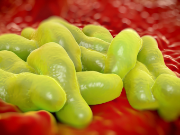
The prevention of infections with food germs of bacterial origin requires careful observance of simple hygiene rules in the kitchen .
Likewise, it is very important to wash your hands after coming into contact with animal products, as Campylobacter, Salmonella, Listeria and EHEC are transmitted from animals to humans. These diseases are called zoonoses.
Campylobacter
Infection with Campylobacter bacteria is the most common zoonosis in Switzerland, as in other European countries. It is the cause of gastrointestinal diseases in humans. The illness can last for about a week and in some circumstances may require hospitalization.
Campylobacter infection is characterized by abdominal pain, watery or bloody diarrhea, and an increase in temperature. Vomiting and high fever can also occur.
Infection is caused by contaminated food that has not been sufficiently cooked before consumption or that has come into direct contact with animals. In southern countries, contaminated water sources also represent a significant risk. The main source of infection, however, remains poultry meat.
According to data from the Federal Office of Public Health (OFSP), there are around 1,000 cases of Campylobacter infections each year. All patients do not consult their doctor, this figure is actually much higher. Overall, the number of cases has grown steadily over the past few years to reach around 7,500 during the year 2014.
Prevent Campylobacter infections
Campylobacter bacteria can survive in food, but cannot multiply there. Since contamination by Campylobacter does not affect foodstuffs, it is not possible to identify their presence by smell or appearance.
Campylobacter can be safely eliminated by thoroughly cooking the food at 70 ° C for at least 2 minutes by roasting, cooking or pasteurization. Freezing the food reduces the number of Campylobacter, without eliminating them completely.
Salmonella
Salmonella infection is most often manifested by inflammatory bowel disease with sudden onset of diarrhea, nausea, vomiting, fever, headache and abdominal pain. Salmonella infections are subject to notification .
They usually occur by ingesting contaminated food. The danger comes mainly from poultry, eggs, egg preparations, unpasteurized milk and meat products. Contamination through other animal products, utensils used, water, humans, etc. can occur throughout the food manufacturing process.
Prevent salmonellosis
Salmonella infections are fought on two levels:
- the number of infected domestic animals should be reduced;
- contamination of food with salmonella must be avoided and their multiplication stopped.
Listeria
In people without weakened immune systems, a Listeria infection is usually accompanied by mild symptoms or even no symptoms at all. People who are immunocompromised can experience a variety of serious symptoms, the outcome of which can be fatal. During pregnancy, a Listeria infection can lead to miscarriage or cause a child to have sepsis or meningitis when it is born.
Listeria transmission is caused by the ingestion of contaminated raw food, mainly of animal origin: meat, smoked fish, cold cuts, soft cheese. Transmission through contact with infected animals is rarer.
Prevent listeriosis
In the first place, the general rules of hygiene should be observed when in contact with food and animals. Pregnant women and people with weakened immune systems should in particular avoid raw vegetables, raw or undercooked meat as well as raw fish and seafood, soft cheese and cheese made from unpasteurized milk. .
Enterohemorrhagic Escherichia coli (EHEC)
The majority of people infected with EHEC have abdominal pain accompanied by cramping, a short-term fever followed by intestinal colic which becomes violent, and slightly bloody hemorrhagic diarrhea. In a minority of people, only watery diarrhea is observed. Cases of EHEC infections are very rare in Switzerland. The mortality rate reaches 3 to 5%.
Escherichia coli bacteria naturally belong to our intestinal flora. EHECs are a pathogenic line of these generally harmless bacteria. Infection occurs first by consuming contaminated animal foods, mainly undercooked ground beef and unpasteurized dairy products. Contaminated drinking water, young shoots, potatoes and unpasteurized apple juice can, for example, also contain EHEC. More rarely, cases of transmission of EHEC are observed through contact with animals or animal faeces.
Prevent EHEC infections
Since a very small number of infectious agents is enough to get sick, it is important to follow the general rules of hygiene. It is therefore strongly recommended to wash your hands thoroughly after having been in contact with animals and to cook the meat thoroughly when preparing meals. Raw food should always be stored in the refrigerator.

 FoodWorld