Tag Archives: salmonella

UK – Salmonella and Kissing Pet Lizards

Scottish Express 

NHS Forth Valley has warned owners to avoid kissing bearded dragons, as most reptiles carry salmonella in their gut without showing any signs of infection.

This bacteria is then shed in droppings, which can quickly spread over the skin of pet lizards and other reptiles.

As a result, any surface or object that the animal comes into contact with can be contaminated, such as toys, clothes, furniture and household surfaces.

NHS Forth Valley said that four people have been brought into hospital in the last eight months suffering from the illness after kissing bearded dragons and other reptiles.

NHS consultant in public health medicine, Dr Henry Prempeh said: “While salmonella is not usually life threatening in healthy individuals, immuno-compromised people, the very young and the very old can have complications associated with this infection.

RASFF Alerts – Salmonella – Pine Nuts – Chicken – Frozen Sparrows – Clams – Pork

RASFF-Logo

RASFF -Salmonella Montevideo (presence /10g) in poultry sausages (merguez) from France

RASFF -Salmonella Hadar (presence /25g) in pine nuts from Pakistan in Germany

RASFF -Salmonella typhimurium in chicken breast from Thailand in Germany

RASFF -Salmonella in frozen poultry meat preparations from Brazil in the Netherlands

RASFF-Salmonella spp. (presence) in frozen poultry preparations from Brazil in the Netherlands

RASFF -Salmonella typhimurium (presence /25g) in frozen sparrows from Tunisia in Italy

RASFF -Salmonella spp. (presence /25g) in frozen clams (Meretrix spp) from Vietnam in Portugal

RASFF -Salmonella (presence /10g) in pork cordon bleu from Belgium

RASFF -Salmonella spp. (presence /10g) in frozen gyros-like pork roasting spit from the Czech Republic, with raw material from Germany

The European Union Summary Report on Trends and Sources of Zoonoses, Zoonotic Agents and Food-borne Outbreaks in 2012

EFSA efsa

The European Food Safety Authority and the European Centre for Disease Prevention and Control analysed information submitted by 27 European Union Member States on the occurrence of zoonoses and food-borne outbreaks in 2012. Campylobacteriosis was the most commonly reported zoonosis, with 214,268 confirmed human cases. The occurrence of Campylobacter continued to be high in broiler meat at EU level. The decreasing trend in confirmed salmonellosis cases in humans continued with a total of 91,034 cases reported in 2012. Most Member States met their Salmonella reduction targets for poultry. In foodstuffs, Salmonella was most often detected in meat and products thereof. The number of confirmed human listeriosis cases increased to 1,642. Listeria was seldom detected above the legal safety limit from ready-to-eat foods. A total of 5,671 confirmed verocytotoxigenic Escherichia coli (VTEC) infections were reported. VTEC was also reported from food and animals. The number of human tuberculosis cases due to Mycobacterium bovis was 125 cases, and 328 cases of brucellosis in humans were reported. The prevalence of bovine tuberculosis in cattle increased, and the prevalence of brucellosis in cattle, sheep or goats decreased. Trichinella caused 301 human cases and was mainly detected in wildlife. One domestically acquired human case and one imported human case of rabies were reported. The number of rabies cases in animals increased compared with 2011. A total of 643 confirmed human cases of Q fever were reported. Almost all reporting Member States found Coxiella burnetii (Q fever) positive cattle, sheep or goats. A total of 232 cases of West Nile fever in humans were reported. Nine Member States reported West Nile virus findings in solipeds. Most of the 5,363 reported food-borne outbreaks were caused by Salmonella, bacterial toxins, viruses and Campylobacter, and the main food sources were eggs, mixed foods and fish and fishery products.

USA – FDA – Recall – Curly Parsley – Salmonella

FDASalmonella

ROTH FARMS Inc. of Belle Glade, Fl , is recalling its “ bunched Curly Parsley” because it has the potential to be contaminated with Salmonella, an organism which can cause serious and sometimes fatal infections in young children, frail or elderly people, and others with weakened immune systems. Healthy persons infected with Salmonella often experience fever, diarrhea (which may be bloody), nausea, vomiting and abdominal pain. In rare circumstances, infection with Salmonella can result in the organism getting into the bloodstream and producing more severe illnesses such as arterial infections (i.e., infected aneurysms), endocarditis and arthritis.

The recalled “Curly Parsley” was distributed in South Florida distribution centers.

The product comes in a 3 Wire Wooden Crate with the lot # AG01GN on the outside tag.

No illnesses have been reported to date in connection with this problem.

The potential for contamination was noted after routine testing by the company revealed the presence of Salmonella in some Curly Parsley samples.”

RASFF Alerts – Salmonella – Laurel Leaves – Chicken – Minced Pork – Onion Powder – Seasoning Mix

RASFF-Logo

RASFF -Salmonella in laurel leaves powder from Turkey in Italy

RASFF-Salmonella enteritidis (presence /25g) in frozen raw chicken meat from Poland in France

RASFF-Salmonella enteritidis (presence /25g) in frozen poultry meat processed in Poland, with raw material from the Czech Republic in Poland

RASFF-Salmonella in minced pork from Germany in Sweden

RASFF-Salmonella spp. (presence /25g) in onion powder from unknown origin, via the Netherlands in Sweden

RASFF-Salmonella spp. (presence /25g) in seasoning mix from India in Finland

RASFF Alerts – Animal Feed – Salmonella – Aflatoxin

RASFF-Logo

RASFF -Salmonella Rissen in corn gluten meal from the Netherlands in Sweden

RASFF -Salmonella spp. in pet food from Mauritius in Italy

RASFF -aflatoxins (B1 = 4.8 / B1 = 28.4 / B1 = 55.9 µg/kg – ppb) in organic soy beans from Kazakhstan in Denmark.

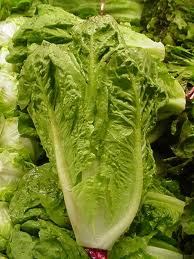
Research – Brasil – Risk of Infection by Salmonella and Listeria from RTE Vegetables

Science DirectEurofins Food Testing UK

The current study was carried out to estimate the risks of infection due to consumption of RTE vegetables contaminated with Salmonella and Listeria monocytogenes in Brazil. The risk assessment model was composed of five different modules comprising the retail-consumption steps. Scenarios were simulated using prevalence and concentration levels reported in RTE vegetables in Brazil as well as considering values 10 times lower. In addition, scenarios in which temperature during transportation and storage are maintained below 5 °C were also evaluated. Models built in Excel spreadsheets were run (100,000 iterations) using @Risk software. The two outputs were risk of infection per month (probability of infection per month due to consumption of RTE vegetables) and number of infections per month (number of people that consumed RTE vegetables and get infected per month). The QMRA models predicted that the mean risk of Salmonella infection per month is 5.7E-03, while the mean risk of infection for L. monocytogenes was 8.1E-06 per month. The reduction of prevalence of Salmonella from 1.7% to 0.17% resulted in a decrease of risk of infection per month by about 6 times. In the case of L. monocytogenes, the reduction of prevalence from 2.2% to 0.22% resulted in decrease of risk of infection from 8.1E-06 to 1.0E-06. The risks and number of cases predicted in scenarios in which temperature was kept below 5 °C were reduced for both pathogens studied when compared to scenarios where this was not the case. The scenario where prevalence and concentration of pathogens was reduced and where temperature was <5 °C led to the lowest number of infections due by Salmonella and L. monocytogenes (187 and 3.3E-05 cases, respectively). The results suggest that effective mitigation strategies need to be adopted. The strict control of temperature during transportation, storage and consumption was more effective to reduce risk and number of cases due to L. monocytogenes than to Salmonella. More data is needed to improve the accuracy of risk assessment models developed.

USA – FDA Recall Tomato’s – Salmonella

FDA cherry-tomato-pristine-variety

Big Red Tomato Packers, LLC of Fort Pierce, FL is voluntarily issuing a limited recall of 790 – 20 and 25 lb. boxes of fresh tomatoes of lot 1106, because they may have the potential to be contaminated with Salmonella. Salmonella is an organism which can cause serious infections in young children, frail or elderly people, and others with weakened immune systems. Healthy persons infected with Salmonella often experience fever, diarrhea, nausea, vomiting or abdominal pain.

This is a voluntary precautionary recall as there are no known illnesses associated with this lot number.

Tomatoes from the lot were distributed to a limited number of receivers in Florida, North Carolina, Michigan, Minnesota, Pennsylvania and Tennessee. All receivers of the lot have been notified.

The potential for contamination was discovered as the result of a routine random lot sample taken on January 28, 2014. All currently existing product associated with this lot number is subject to this recall.


RASFF Alert – Salmonella – Turkey – Chicken

RASFF-Logo

RASFF – Salmonella Schwarzengrund in skinless boneless spiced turkey breasts from Brazil in Spain

RASFF – Salmonella enteritidis (presence /25g) in chilled chicken drumsticks, wings and legs from Poland in Italy

RASFF – Salmonella enteritidis in chilled chicken from Belgium

RASFF Alerts – Animal Feed – Salmonella – Aflatoxin

RASFF-Logo

RASFF-Salmonella (present /25g) in processed animal protein of chicken from the Netherlands in Sweden

RASFF– Salmonella Give (present /25g) in fish meal from Spain in Hungary

RASFF– Salmonella Montevideo and Salmonella Tennessee in non GMO soy bean meal from Bosnia and Herzegovina in Austria

RASFF– aflatoxins (B1 = 190 / B1 = 150 / B1 = 29 µg/kg – ppb) in groundnut kernels from Sudan in the UK

RASFF– aflatoxins (B1 = 0.084 mg/kg – ppm) in maize from Croatia in Slovenia

RASFF– aflatoxins (B1 = 333 / B1 = 287 µg/kg – ppb) in sunflower seeds from Egypt in Belgium