Category Archives: Uncategorized

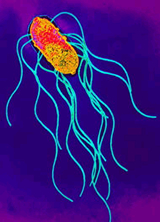
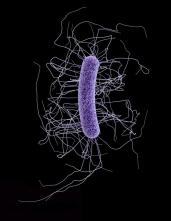
Canada- Food Recall Warning – Masstown Market brand Smoked Kippers and Cold Smoked Salmon recalled due to potential presence of dangerous bacteria – Clostridium botulinum

CFIA 


Recall details

Ottawa, March 29, 2018 – Masstown Market is recalling Masstown Market brand Smoked Kippers and Cold Smoked Salmon from the marketplace because they may permit the growth of Clostridium botulinum. Consumers should not consume the recalled products described below.

Recalled products

Brand Name Common Name Size Code(s) on Product UPC
Masstown Market Smoked Kippers Variable weight 18.MR.30 Starts with
0 208172
Masstown Market Cold Smoked Salmon Variable weight 18.MR.27
18.AL.07
18.AL.11
Starts with
0 208035

Research – Effect of Gum Arabic‐polyvinyl alcohol films containing seed cover extract of Zanthoxylum rhetsa on shelf life of refrigerated ground chicken meat

Wiley Online

Abstract

The aim of this study was to improve shelf life of ground chicken meat in chilled storage by employing active packaging incorporating seed cover extract (SCE) of Zanthoxylum rhetsa. The total phenolic and flavonoid content in SCE was estimated to be 194 and 44.5 mg/g, respectively, in terms of catechin equivalents. SCE scavenged free radicals, exhibited good reducing power, and high antioxidant activity coefficient. SCE was effective against Staphylococcus aureus, Bacillus cereus, Escherichia coli, and Pseudomonas fluorescens. The major phenolics compounds identified in SCE were catechin, vanillin, gallic acid, and ferulic acid. SCE was incorporated to get active films of Gum Arabic, polyvinyl alcohol, and sorbitol. Films had good mechanical and barrier properties. Ground chicken meat packed in normal films spoiled in less than 6 days whereas active packaging led to reduction in lipid peroxidation and improvement in shelf life up to 12 days at chilled condition.

Practical applications

Globally, tonnes of food get wasted annually at retail and consumer level due to lack of proper packaging and storage facilities. Meat is a highly perishable commodity and various strategies are used to preserve it for long time. Packaging and freezing are two important techniques used for this purpose. Freezing is energy intensive and conventional packaging using petroleum‐based polymers leads to burden on environment. Active packaging with the use of biodegradable polymers and natural preservatives is an emerging area of research in food industry. Zanthoxylum rhetsa is low cost spice and is rich in bioactive compounds. This can be used as the active component in biodegradable films that can extend the shelf life of the meat packed in it at chilled temperatures. Thus the burden on energy as well as petroleum resources can be minimized.

USA – Botulism: 29 confirmed foodborne cases in the US in 2016, most linked to Mississippi outbreak

Outbreak News Today 


The Centers for Disease Control and Prevention (CDC) recently published the National Botulism Surveillance Summary for 2016 and reported 29 confirmed foodborne botulism cases that year.  Among the foodborne cases, 23 were associated with three outbreaks in three states; the remaining six cases were sporadic.

Sixty-two percent of the cases (18) were from a Mississippi outbreak associated with illicitly produced alcohol, known as “pruno” or “hooch”, in a federal correctional facility.

Other states reporting cases include Alaska- two cases, one linked to consumption of beaver tail and the other fish heads and seal oil. California reported three cases- one linked to commercial grain and vegetable product and two from unknown source.

Oklahoma saw two cases- one linked to the Mississippi outbreak and one linked to home canned food. Oregon reported one case linked to home-canned pickled vegetables and Texas saw one case linked to tamales.

Finally, Washington saw two cases linked to home canned fish.

Research – Putative virulence traits and antibiogram profile of Aeromonas spp. isolated from frozen white‐leg shrimp (Litopenaeus vannamei) marketed in Korea

Wiley Online

We evaluated 44 strains of Aeromonas spp. consisting of five species; A. hydrophila, A. veronii, A. caviae, A. enteropelogenes, and A. media isolated from frozen white‐leg shrimp marketed in Korea. All the isolates were positive in DNase, protease, gelatinase, and lipase tests whereas 29 isolates (66%) were positive for slime production. Ten virulence genes were detected by PCR in which the prevalence of act, alt, ast, aerA, lip, ahyB, ser, fla, gcat, and ascV were 50%, 77%, 72%, 82%, 84%, 93%, 80%, 64%, 84%, and 23%, respectively. As observed in antibiogram, 100% resistance was detected in ampicillin and clindamycin while nalidixic acid, tetracycline, cephalothin, erythromycin, and trimethoprim‐sulfamethoxazole were resisted by 95%, 89%, 86%, 68%, and 66% of the isolates, respectively. Multiple antibiotic resistance index was >0.20 in 42/44 (95%) of the isolates. Overall, our results indicated that these aeromonads are indicative of a serious public health risk due to their virulence potential and the multiple‐antimicrobial resistance.

Practical applications

Similar to other seafood, shrimp have been identified as vehicles of Aeromonas spp. which are the etiological agents of many foodborne infections. The gyrB gene sequencing and phylogenetic analysis confirmed the occurrence of five species of Aeromonas in frozen white‐leg shrimp marketed in Korea. Putative virulence properties were examined by both phenotypic tests and PCR assays whereby majority of the isolates exhibited the virulence both phenotypically and genetically. Besides, the disc diffusion test was carried out to assess the antibiotic susceptibility of the isolates. Following the results, the MAR index was calculated for each strain thereby suggested their high risk owing to MAR indices higher than 0.20. With our results, frozen white‐leg shrimp associated Aeromonas spp., exhibiting potential virulence and antimicrobial resistance, can be considered as a potential public health risk. Moreover, it is noteworthy that freezing the shrimp may not reduce the incidence of pathogenic Aeromonas.

Research- Advanced meat preservation methods: A mini review

Wiley Onlinebeefrsir

Abstract

Development of various novel thermal and nonthermal techniques has shown potential applications in meat processing and preservation. Consumer’s demand of meat products with esteemed quality, wholesomeness, and superior safety has led to the commercial introduction of these innovative methods. Accordingly, this treatise outlines the potential of several advanced thermal and nonthermal methods like super‐chilling, ultrarapid freezing, immersion vacuum cooling, hydrofluidization freezing, impingement freezing, electrostatic‐assisted freezing, pressure‐shift freezing, acidic electrolyzed water coupled with high hydrostatic pressure, and nonthermal plasma technique for preserving meat quality and prolongation of shelf stability. This article also highlights the advancements in the packaging technology like use of linear low‐density polyethylene‐based active clay nanocomposite films and resulted benefits for the meat sector. Additionally, consumer responses to various meat products preserved with these technologies are also discussed in this critique. The focal objective of the current discourse is to reconnoiter the aptitude of these novel techniques in meat preservation so that these methods can be adopted at commercial scale in a much broader sense.

Practical applications

For decades, several methods have been adopted for preservation of meat. With technological advancements, meat industry is looking for some modern and economic preservation methods for meat and meat‐based products. In this regard, several nonconventional techniques like super‐chilling, hydrofluidization freezing, impingement freezing, electrostatic‐assisted freezing, and pressure‐shift freezing have shown their potential for effective meat preservation. Therefore, this article will be helpful for the meat industrialists to consider these techniques for commercial preservation of meat and meat products in a more effectual manner.

Research – Staphylococcus aureus gene involved in virulence, biofilm formation and resistance to certain antibiotics: Study

Outbreak News Today Staph

An Institut Pasteur-CNRS research team has characterized a Staphylococcus aureus gene involved in virulence, biofilm formation and resistance to certain antibiotics. These results open up new avenues for understanding the control of S. aureus virulence mechanisms. This work was recently published in the journal PLoS Pathogens.

Staphylococcus aureus is part of the natural skin flora, preferentially colonizing external mucosa in 30 to 50% of the population, healthy carriers who develop no symptoms. But it is also a major human pathogen, causing diseases ranging from skin lesions (boils, impetigo, etc.) to endocarditis, acute pneumonia, osteomyelitis or sepsis. It is the leading Gram-positive bacterium responsible for nosocomial infections (hospital acquired infections). The most dangerous strains are those that display resistance to multiple antibiotics. This is the case of MRSA, resistant to Methicillin, widespread in hospitals and posing a major public health concern.

Research – Cetylpyridinium chloride direct spray treatments reduce Salmonella on cantaloupe rough surfaces

Wiley Online Library Salmonella kswfoodworld

Abstract

Cetylpyridinium chloride (CPC) solutions (0, 0.5, or 1.0%) were applied to cantaloupe (“Athena” and “Hale’s Best Jumbo” cultivars) rind plugs, either before or after inoculation with a broth culture of Salmonella Michigan (109 CFU/mL) and held at 37°C for 1 or 24 hr. Rind plugs were diluted, shaken, and sonicated, and solutions were enumerated. Texture quality and color were evaluated over 14 days storage at 4°C after 0 and 1% CPC spray applications. A 0.5 or 1.0% (vol/vol) application of CPC after Salmonella reduced the pathogen levels between 2.34 log CFU/mL and 5.16 log CFU/mL in comparison to the control (p < .01). No differences were observed in the firmness and color of 1% CPC treated cantaloupes. Salmonella concentrations on cantaloupes, treated with 1.0% CPC, were lower after 1 hr storage as compared to 24 hr. And, Salmonella on “Athena” surfaces were more susceptible to CPC spray treatments than on “Hale’s Best Jumbo.”

Research – Biofilm‐forming ability of Alicyclobacillus spp. isolates from orange juice concentrate processing plant

Wiley Online

Abstract

The objective of this study was to evaluate the biofilm‐forming ability of Alicyclobacillus spp. isolates. Biofilm formation was evaluated under a stainless steel surface using orange juice as a culture medium at different temperatures (28 and 45  °C, 30 and 45  °C, and 45 and 60  °C) and contact times (24, 72, and 120 hr). The degree of hydrophobicity and the survival time of the different isolates on the abiotic surface were also investigated. Five Alicyclobacillus spp. isolates from the orange juice industry and a reference strain of Alicyclobacillus acidoterrestris 0244T were used. The biofilm formation of Alicyclobacillus was observed from 24 hr of contact in at least one temperature tested, as a function of the different incubation times and temperatures. Alicyclobacillus spp. presented variations in the degree of hydrophobicity. Surprisingly, two biofilm‐forming isolates (CCT 7230 and CCT 7346) were hydrophilic, with hydrophobicity index <20%, therefore, they are not necessarily related to cell hydrophobicity and adherence of Alicyclobacillus to the stainless steel surface. This study demonstrated that Alicycclobacillus spp. isolates from the industry can survive the processing conditions and form biofilms on contact surfaces.

Practical applications

Alicyclobacillus spp. may be present in the orange juice industry and form biofilms. In addition, it is known that the equipment is exposed to a wide temperature range for different periods of time and that poorly sanitized stainless steel equipment and surface can provide substrates for the formation of biofilms by Alicyclobacillus spp. Therefore, it is of the most importance to understand how these factors influence the adhesion and formation of Alicyclobacillus spp. in the processing of orange juice.

Research – Microorganisms can escape from a dead end by swimming

Science Daily 


Although microorganisms are too tiny to be seen by the naked eye, they are distributed all over the world and even inside the human body. It has been largely unknown how microorganisms can survive in intricate environments, such as in the ground and inside of the body, despite the importance of such information.


Takuji Ishikawa and Kenji Kikuchi from the Graduate School of Engineering at Tohoku University have discovered that microorganisms with hair like organelle called cilia, can avoid entrapment at a dead end, where cells would otherwise never return.

By using experiments and numerical simulations, Ishikawa and Kikuchi have shown that microorganisms can ingeniously escape from a dead end by swimming. The ability to escape from a dead end can be found in many kinds of microorganisms with cilia.

These results indicate that such a microorganism can find a way to survive even in intricate and challenging environments, where other creatures may become extinct, such as shallow water where a whale may become stuck. The results also pave the way to understanding the mechanism of the spread of infectious diseases.

This research was published online in Proceedings of the Royal Society B on 28 February 2018. It was financially supported by JSPS KAKENHI.

RASFF Alerts – Salmonella – Chilled Poultry Meat – Frozen Poultry Nuggets – Turmeric Powder – White Sesame Seeds – Black Pepper – Whole Wheat Flour – Chicken Half Breasts

kswfoodworld food safety poisoning

RASFF-Salmonella enterica ser. Typhimurium in chilled poultry meat from the Netherlands in the Netherlands

RASFF-Salmonella (presence /25g) in frozen poultry nuggets from Spain in France

RASFF-Salmonella enterica ser. Agona (present /25g) in turmeric powder from India, via the United Kingdom in Finland

RASFF-Salmonella (present /25g) in white sesame seeds from India in Cyprus

RASFF-Salmonella (present /25g) in whole wheat flour with roasted malt from Belgium in Belgium

RASFF-Salmonella (present /25g) in black pepper from Brazil in Spain

RASFF-Salmonella (presence /25g) in frozen salted chicken half breasts from Brazil in the Netherlands