Category Archives: Research

Research – Norovirus Survival on Sprouted Seeds

American Society for Microbiologyalfalfa
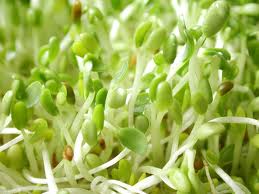
Human norovirus (huNoV) and hepatitis A virus (HAV) have been involved in several produce-associated outbreaks and identified as major food-borne viral etiologies. In this study, the survival of huNoV surrogates (murine norovirus [MNV] and Tulane virus [TV]) and HAV was investigated on alfalfa seeds during storage and postgermination. Alfalfa seeds were inoculated with MNV, TV, or HAV with titers of 6.46 ± 0.06 log PFU/g, 3.87 ± 0.38 log PFU/g, or 7.01 ± 0.07 log 50% tissue culture infectious doses  (TCID50)/g, respectively. Inoculated seeds were stored for up to 50 days at 22°C and sampled during that storage period on days 0, 2, 5, 10, and 15. Following storage, virus presence was monitored over a 1-week germination period. Viruses remained infectious after 50 days, with titers of 1.61 ± 0.19 log PFU/g, 0.85 ± 0.21 log PFU/g, and 3.43 ± 0.21 log TCID50/g for MNV, TV, and HAV, respectively. HAV demonstrated greater persistence than MNV and TV, without a statistically significant  reduction over 20 days (<1 log TCID50/g); however, relatively high levels of genomic copies of all viruses persisted over the testing time period. Low titers of  viruses were found on sprouts and were located in all tissues as well as in sprout-spent water sampled on days 1, 3, and 6  following seed planting. Results revealed the persistence of viruses in seeds for a prolonged period of time, and perhaps  of greater importance these data suggest the ease of which virus may transfer from seeds to sprouts and spent water during  germination. These findings highlight the importance of sanitation and prevention procedures before and during germination.

Research – Salmonella

Food Poisoning BulletinSalm

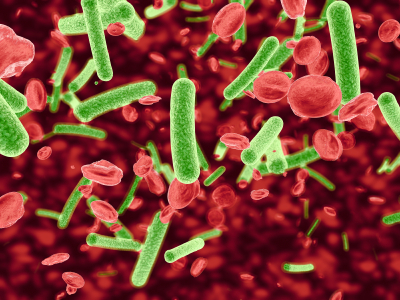
Salmonella is naturally occurring. In the wake of outbreaks, like the one linked to Foster Farms chicken, it’s an often-repeated phrase meant to assuage consumer fears and absolve corporate responsibility. But the phrase leaves out a key piece of information, where Salmonella naturally occurs.

Salmonella lives in the intestines of humans and other animals. It doesn’t “naturally occur” on the boneless, skinless chicken breasts or the wings and drumsticks you buy at the store. It gets there through a process of contamination. People can only get Salmonella infections when they eat or drink foods that have microscopic amounts of human or animal fecal matter on them.

Food Safety News

The mishandling or undercooking of raw chicken meat associated with the recent Foster Farms Salmonella outbreak has sickened nearly 340 people across 20 states and Puerto Rico since March and has caused concern among consumers, consumer groups, and food-safety advocates about the safety of our food system and the efficacy of testing systems designed to keep our nation’s food supply safe.

Currently, federal law under USDA allows for 7.5 percent of whole chicken carcasses to be contaminated with pathogenic bacteria such as Salmonella and Campylobacter. This means that products contaminated with Salmonella and Campylobacter have become common and are frequently shipped from production facilities to stores. It is up to the consumer to follow safe handling and cooking practices to avoid being sickened.

USDA Food Safety and Inspection Service guidelines require microbiological sampling to monitor raw poultry for harmful pathogenic bacteria such as Salmonella and Campylobacter, but the regulations are not necessarily enforceable because no strains of Salmonella and Campylobacter are classified as adulterants.

USA Research – New Clostridium botulinum Strain

Scientific AmericanClost

Scientists have discovered a new strain—the first in 40 years—of Clostridium botulinum, the bacterium that is ultimately responsible for causing botulism. And although they have reported their findings in a scientific journal, the investigators have taken the extraordinary step of withholding key details of the discovery. That’s because the toxins made by C. botulinum are the most dangerous known to humankind and currently there is no antidote for a toxin generated by the new strain. The fear is that malevolent organizations or rogue governments might use the information to reverse engineer their own version of the new bug, making it a potent and real bioterrorism threat.

Research – Breastmilk Sold Online – Microbiology

Food Safety News

An estimated three-quarters of breast milk samples available to purchase through the Internet may be contaminated with high levels of bacteria and even pathogens, according to a new study led by researchers at Nationwide Children’s Hospital.

Following a growing trend of sharing breast milk via websites, authors of the study released online Monday in the journal Pediatrics tested samples from two major human milk-sharing sites.

Research – Norwegian Salmon and Listeria monocytogenes

Epidemiology and InfectionEurofins Food Testing UK

The objective of this study was to characterize Listeria monocytogenes isolated from farmed Atlantic salmon (Salmo salar) and the processing environment in three different Norwegian factories, and compare these to clinical isolates by multiple-locus variable-number tandem repeat analysis (MLVA). The 65 L. monocytogenes isolates obtained gave 15 distinct MLVA profiles. There was great heterogeneity in the distribution of MLVA profiles in factories and within each factory. Nine of the 15 MLVA profiles found in the fish-associated isolates were found to match human profiles. The MLVA profile 07-07-09-10-06 was the most common strain in Norwegian listeriosis patients. L. monocytogenes with this profile has previously been associated with at least two known listeriosis outbreaks in Norway, neither determined to be due to fish consumption. However, since this profile was also found in fish and in the processing environment, fish should be considered as a possible food vehicle during sporadic cases and outbreaks of listeriosis.

UK- Public Health England New Food Web Link

We are pleased to inform you that the UK National Reference Laboratory for Food Microbiology has launched a webpage within Public Health England Food, Water and Environmental Microbiology Services, giving details of recent activities and events.  Please click on this link PHE

Within our webpage you will see two published documents which are free to download as pdf copies:-

  • “Audit      of Official Control Laboratories capabilities and accreditation status in      the UK 2013”
  • “2012      – 2013 Report of UK National Reference Laboratory for Food Microbiology”


USA – USDA Q&A Sheet- Foster Farms – Salmonella Outbreak

USDA

Frequently Asked Questions – Salmonella Outbreak Linked to Chicken Products Produced at Three Foster Farms FacilitiesEurofins Food Testing UK

Research – Campylobacter Thermal Survival

IngentaConnectCampylobacter

In Europe, Campylobacter is the leading reported cause of bacterial foodborne infectious disease. Quantifying its ability to survive at chilled and ambient temperatures and identifying the factors involved in variation in its survival may contribute to the development of efficient risk management strategies. A data set of 307 inactivation curves collected from the literature and the ComBase database, combined with 388 experimental curves, was analyzed with a log-linear model to obtain 695 D-values (time for 1 log inactivation). An additional 146 D-values collected from the literature or ComBase were added to the data set, for a total of 841 D-values. Because data were collected from different studies, the experimental conditions were somewhat heterogeneous (e.g., type of media or strain used). The full data set was then split into 19 different study types on which a meta-analysis was performed to determine the effect of temperature (range 0 to 42°C), Campylobacter species (C. coli and C. jejuni), and media (liquid media or meat matrix) on the survival ability of Campylobacter. A mixed-effects model, in which the study type and bacterial species were considered as random effects and the media and temperature as fixed effects, was run using a Bayesian approach. Overall, the model gave satisfactory results, with a residual standard deviation of 0.345 (the model response was the log D-value, expressed in days). In addition, the survival of Campylobacter was greater at 0 than at 42°C, with a log-linear pattern; the z-value (temperature to have a 10-fold decrease of D-value) was estimated to be 26.4°C (95 % interval: 23.9 to 29.4°C). Despite a significant media-species interaction term, it was established that both species were more resistant on the meat matrix than in liquid media. These results may be used to understand how Campylobacter can survive along the food chain, particularly in chilled environments, and consequently be transferred to other foodstuffs.

Research -Raw Milk Concumption Benefits and Risks

Science DirectimagesCAZ9J1WP

In the context of the prevailing trend toward more natural products, there seems to be an increasing preference for raw milk consumption as raw milk is associated with several perceived health benefits that are believed to be destroyed upon heating. However, many human pathogens can be isolated from raw cow milk. The prevalence of foodborne pathogens in raw cow milk varies, but their presence has been demonstrated in many surveys and foodborne infections have been repeatedly reported for Campylobacter, Salmonella spp. and human pathogenic verocytotoxin-producing Escherichia coli. In industrialized countries, milk-borne and milk product-borne outbreaks represent 2–6% of the bacterial foodborne outbreaks.

The aim of this review is to present scientifically sound data regarding the risks and benefits related to the consumption of raw and heated cow milk. Both microbiological aspects (e.g., the prevalence of milk-borne pathogens, pathogen growth inhibition by antimicrobial systems and by lactic acid producing bacteria, probiotic bacteria, etc.) and nutritional or health aspects (nutritional value, immunity, allergies, lactose intolerance, diabetes, milk digestibility, etc.) are considered.

As such, it is demonstrated that consumption of raw milk poses a realistic health threat due to a possible contamination with human pathogens. It is therefore strongly recommended that milk should be heated before consumption. With the exception of an altered organoleptic profile, heating (in particularly ultra high temperature and similar treatments) will not substantially change the nutritional value of raw milk or other benefits associated with raw milk consumption.


Science Direct

Europe – Reference Laboratory for Salmonella News Letter Oct 2013

EURL

The working programme of EURL-

Salmonella consists of the following activities (the duration of the activities are indicated between brackets):

1. Organisation of interlaboratory comparison studies (yearly);

2. Organisation of a workshop with the NRLs-

Salmonella (yearly);

3. Performance of supporting activities (depending on the subject: yearly or for a limited period);

4. Giving assistance to the Commission and ad hoc activities (yearly);

5. Communication (every 3 months and yearly);

6. Training (duration dependent on the subject);

7. Molecular typing of

Salmonella spp. (depending on the subject: yearly or for a limited period).