Category Archives: Phage

Research – Safety Properties of Escherichia coli O157:H7 Specific Bacteriophages: Recent Advances for Food Safety

MDPI

Abstract

Shiga-toxin-producing Escherichia coli (STEC) is typically detected on food products mainly due to cross-contamination with faecal matter. The serotype O157:H7 has been of major public health concern due to the severity of illness caused, prevalence, and management. In the food chain, the main methods of controlling contamination by foodborne pathogens often involve the application of antimicrobial agents, which are now becoming less efficient. There is a growing need for the development of new approaches to combat these pathogens, especially those that harbour antimicrobial resistant and virulent determinants. Strategies to also limit their presence on food contact surfaces and food matrices are needed to prevent their transmission. Recent studies have revealed that bacteriophages are useful non-antibiotic options for biocontrol of E. coli O157:H7 in both animals and humans. Phage biocontrol can significantly reduce E. coli O157:H7, thereby improving food safety. However, before being certified as potential biocontrol agents, the safety of the phage candidates must be resolved to satisfy regulatory standards, particularly regarding phage resistance, antigenic properties, and toxigenic properties. In this review, we provide a general description of the main virulence elements of E. coli O157:H7 and present detailed reports that support the proposals that phages infecting E. coli O157:H7 are potential biocontrol agents. This paper also outlines the mechanism of E. coli O157:H7 resistance to phages and the safety concerns associated with the use of phages as a biocontrol.
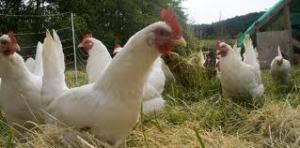
Research – Studying bacteriophage therapy in chickens

DVM360

Salmonella Campylobacter

Fowl typhoid (FT) is among the most significant poultry bacterial diseases worldwide, mostly affecting developing countries.1 The causal agent of FT is Salmonella enterica Gallinarum. Although S enterica Gallinarum is egg-transmitted and produces lesions in chicks and poults, there is a much greater tendency to spread among growing or mature flocks. Mortality in young birds is possible but tends to be higher in older birds.2

In a poster presentation at the 2023 World Anti-Microbial Resistance Congress in Philadelphia, Pennsylvania, researchers from Purdue University in West Lafayette, Indiana, and the University of Veterinary and Animal Sciences (UVAS) Lahore, Pakistan, stated that, “Antibiotics are often used to prevent or control fowl typhoid; however, such practices contribute to the continually global challenge of antibiotic resistance.”1

“In previous studies, we developed a polyphage prototype that significantly reduced Salmonella Gallinarum in experimentally challenged chickens. Here, we evaluated the pact of treatment with the polyphage prototype on microbial communities surrounding the targeted bacteria.”1

Research- Optimization of the Use of a Commercial Phage-Based Product as a Control Strategy of Listeria monocytogenes in the Fresh-Cut Industry

MDPI

Abstract

A commercial phage biocontrol for reducing Listeria monocytogenes has been described as an effective tool for improving fresh produce safety. Critical challenges in the phage application must be overcome for the industrial application. The validation studies were performed in two processing lines of two industry collaborators in Spain and Denmark, using shredded iceberg lettuce as the ready-to-eat (RTE), high process volume product. The biocontrol treatment optimized in lab-scale trials for the application of PhageGuard ListexTM was confirmed in industrial settings by four tests, two in Spain and two in Denmark. Results showed that the method of application that included the device and the processing operation step was appropriate for the proper application. The proper dose of Phage Guard ListexTM was reached in shredded iceberg lettuce and the surface was adequately covered for the successful application of phages. There was no impact on the headspace gas composition (CO2 and O2 levels), nor on the color when untreated and treated samples were compared. The post-process treatment with PhageGuard ListexTM did not cause any detrimental impact on the sensory quality, including flavor, texture, browning, spoilage, and visual appearance over the shelf-life as the phage solution was applied as a fine, mist solution.

Research – The brink of a phage paradigm shift in the EU?

Poultry World

We might be on the brink of a phage paradigm shift in the European Union. This was the view of various experts during an online webinar on 11 July organised by PhageEU, a coalition of stakeholders representing phages in industry, the scientific community and civil society.

A feed additive based on phage technology could be authorised by the European Commission in the near future, they agreed, adding that this would be a template for the development of ground-breaking phage products in poultry and other food-producing animals.

The webinar was an opportunity to discuss technical challenges to designing bacteriophage products, the regulatory hurdles in Europe for this new product category as well as to analyse the recent political debate in the EU institutions and the future outlook.

Research – Staphylococcus aureus in the Processing Environment of Cured Meat Products

MDPI

Abstract

The presence of Staphylococcus aureus in six dry-cured meat-processing facilities was investigated. S. aureus was detected in 3.8% of surfaces from five facilities. The occurrence was clearly higher during processing (4.8%) than after cleaning and disinfection (1.4%). Thirty-eight isolates were typified by PFGE and MLST. Eleven sequence types (STs) were defined by MLST. ST30 (32%) and ST12 (24%) were the most abundant. Enterotoxin genes were detected in 53% of isolates. The enterotoxin A gene (sea) was present in all ST30 isolates, seb in one ST1 isolate, and sec in two ST45 isolates. Sixteen isolates harbored the enterotoxin gene cluster (egc) with four variations in the sequence. The toxic shock syndrome toxin gene (tst) was detected in 82% of isolates. Regarding antimicrobial resistance, twelve strains were susceptible to all the antibiotics tested (31.6%). However, 15.8% were resistant to three or more antimicrobials and, therefore, multidrug-resistant. Our results showed that in general, efficient cleaning and disinfection procedures were applied. Nonetheless, the presence of S. aureus with virulence determinants and resistance to antimicrobials, particularly multidrug-resistant MRSA ST398 strains, might represent a potential health hazard for consumers.

Research – A Highly Effective Bacteriophage-1252 to Control Multiple Serovars of Salmonella enterica

MDPI

Abstract

Salmonella enterica (S. enterica) is the most common foodborne pathogen worldwide, leading to massive economic loss and a significant burden on the healthcare system. The primary source of S. enterica remains contaminated or undercooked poultry products. Considering the number of foodborne illnesses with multiple antibiotic resistant S. enterica, new controlling approaches are necessary. Bacteriophage (phage) therapies have emerged as a promising alternative to controlling bacterial pathogens. However, the limitation on the lysis ability of most phages is their species-specificity to the bacterium. S. enterica has various serovars, and several major serovars are involved in gastrointestinal diseases in the USA. In this study, Salmonella bacteriophage-1252 (phage-1252) was isolated and found to have the highest lytic activity against multiple serovars of S. enterica, including Typhimurium, Enteritidis, Newport, Heidelberg, Kentucky, and Gallinarum. Whole-genome sequencing analysis revealed phage-1252 is a novel phage strain that belongs to the genus Duplodnaviria in the Myoviridae family, and consists of a 244,421 bp dsDNA, with a G + C content of 48.51%. Its plaque diameters are approximately 2.5 mm to 0.5 mm on the agar plate. It inhibited Salmonella Enteritidis growth after 6 h. The growth curve showed that the latent and rise periods were approximately 40 min and 30 min, respectively. The burst size was estimated to be 56 PFU/cell. It can stabilize and maintain original activity between 4 °C and 55 °C for 1 h. These results indicate that phage-1252 is a promising candidate for controlling multiple S. enterica serovars in food production.

Research – Natural Killers: Opportunities and Challenges for the Use of Bacteriophages in Microbial Food Safety from the One Health Perspective

MDPI

Abstract

Ingestion of food or water contaminated with pathogenic bacteria may cause serious diseases. The One Health approach may help to ensure food safety by anticipating, preventing, detecting, and controlling diseases that spread between animals, humans, and the environment. This concept pays special attention to the increasing spread and dissemination of antibiotic-resistant bacteria, which are considered one of the most important environment-related human and animal health hazards. In this context, the development of innovative, versatile, and effective alternatives to control bacterial infections in order to assure comprehensive food microbial safety is becoming an urgent issue. Bacteriophages (phages), viruses of bacteria, have gained significance in the last years due to the request for new effective antimicrobials for the treatment of bacterial diseases, along with many other applications, including biotechnology and food safety. This manuscript reviews the application of phages in order to prevent food- and water-borne diseases from a One Health perspective. Regarding the necessary decrease in the use of antibiotics, results taken from the literature indicate that phages are also promising tools to help to address this issue. To assist future phage-based real applications, the pending issues and main challenges to be addressed shortly by future studies are also taken into account.