Category Archives: Parasite

UK Scotland – Cyclospora in travellers returning from Mexico

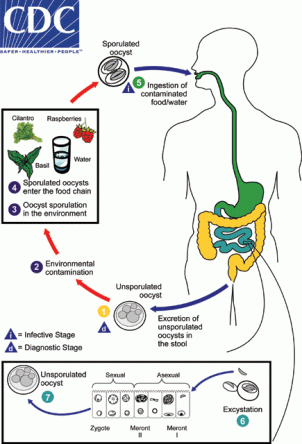
HPS Cyclospora_LifeCycle201

Public Health England (PHE), Public Health Wales (PHW), Health Protection Scotland (HPS) and the Health Protection Service Northern Ireland (HPSNI) are investigating an increase in cases of Cyclospora cayetanensis infection in travellers who have recently returned from Mexico. This is the fourth successive year since 2015 that cases of the infection have been reported in travellers returning from Mexico.

As of 3 August 2018, 63 laboratory-confirmed cases of Cyclospora cayetanensis have been reported in England, Scotland and Wales. Where information is available, 55 (87%) report travel outside the UK, of which 49 (89%) report recent travel to Mexico. Where information is available, cases have stayed at several different hotels in the Cancun and Riviera Maya region suggesting the source is likely to be a foodstuff that has been distributed to hotels throughout the region.

Cyclospora cayetanensis is a protozoan parasite that infects humans and other primates. Infection can cause diarrhoea, abdominal cramping, nausea, flatulence, loss of appetite, fatigue, low-grade fever and weight loss. Infection without symptoms is also reported. Infections in HIV positive people and those with other immune deficiencies can be more severe.

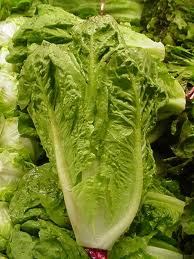
Infection is commonly derived from food or water contaminated by human faeces. The foods commonly involved are soft fruits such as raspberries and salad products such as coriander, basil and lettuce. The risk of infection presented by imported foods is considered to be low.

Advice for travellers on the prevention of Cyclospora is available from Health Protection Scotland: https://www.fitfortravel.nhs.uk/news/newsdetail.aspx?id=22743.

USA – Cyclospora Updates

FDA

The FDA confirms the presence of Cyclospora in Fresh Express salad mix through new laboratory method; Fresh Express recalls expired products containing romaine lettuce.

July 31, 2018 Update

The FDA has confirmed the presence of Cyclospora in an expired salad mix, containing romaine lettuce and carrots, that was produced by the processor Fresh Express in Streamwood, Illinois.

On July 26, 2018, the FDA completed final analysis of an unused package of Fresh Express salad mix containing romaine lettuce and carrots, which had been distributed to McDonald’s. The analysis confirmed the presence of Cyclospora in that sample, though the expiration date for that product, July 19, had already passed. On July 27, the FDA informed Fresh Express of the results, and instructed Fresh Express to determine whether potentially contaminated product may still be on the market.

Fresh Express reported to FDA that the romaine from the same lot as the positive sample was not packaged for direct retail sale by Fresh Express and had already expired. Fresh Express committed to using recall procedures to inform companies that received additional products of concern about the sample result. Fresh Express also reported that the carrots in the sampled salad mix only went to McDonald’s.

On July 30, 2018, the U.S. Department of Agriculture’s Food Safety and Inspection Service (FSIS) issued a public health alert on beef, pork and poultry salad and wrap products potentially contaminated with Cyclospora that was distributed by Caito Foods LLC, of Indianapolis, Ind. The products were produced between July 15 and 18, 2018, with either “Best By,” “Enjoy by,” “Best if Sold By” or “Sell By” dates ranging from July 18 through July 23, 2018. Caito Foods had received notification from Fresh Express that the chopped romaine in these products was being recalled.

McDonald’s reports that they stopped using the Fresh Express salad mix at impacted restaurants in IL, IA, IN, WI, MI, OH, MN, NE, SD, MT, ND, KY, WV, and MO on July 13, 2018. The company has since reported that it has replaced the supplier of salads in those states. More information can be found in McDonald’s Statement.

In 2015, FDA set up a multidisciplinary workgroup to prioritize the development, validation and implementation of a method for detecting Cyclospora in fresh produce. In 2018, FDA began using the newly validated Cyclospora method. The availability of this method is a significant advancement in FDA’s ability to investigate outbreaks of cyclosporiasis and identify the parasite in foods.

The investigation is ongoing and the FDA is currently reviewing distribution and supplier information for romaine and carrots.

Food Poisoning Bulletin

A cyclospora outbreak among people who attended an event on July 3, 2018 at the Evanston Golf Club at 4401 Dempster Street in Skokie, Illinois has sickened more than one hundred people, according to the Skokie Health Department. The facility is fully cooperating with the investigation.

About 900 people attended that event. Officials have sent all attendees a food survey to help discover which foods may be linked to the outbreak. The Skokie Health Department would like everyone who attended the event at the golf club to fill out the survey, even if they did not get sick.

This outbreak is not linked to the McDonald’s cyclospora outbreak that is linked to the fast food chain’s salads, according to officials. That outbreak has sickened at least 123 people in Illinois, according to the CDC.

USA – Cyclospora Cases Still Building

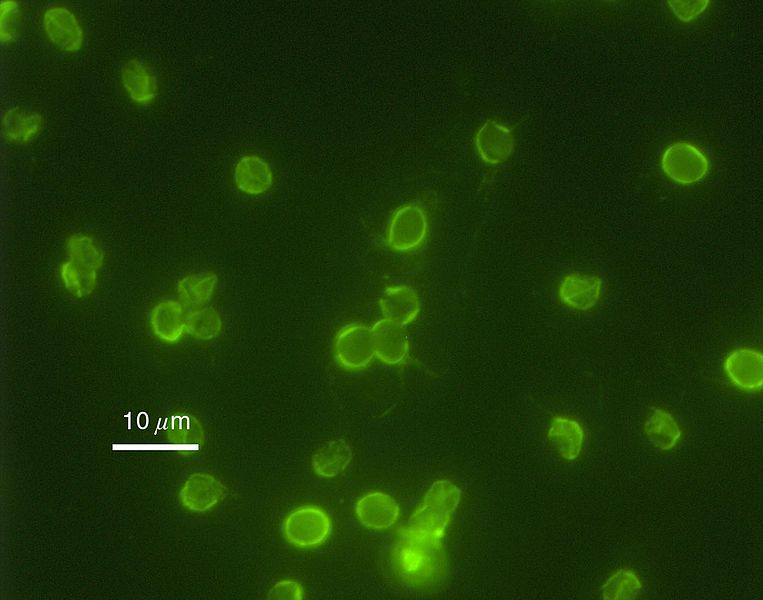
Food Poisoning Bulletin220px-Cyclospora_cayetanensis_stained

In addition to battling an outbreak of Cyclospora infections and a Salmonella outbreak, the state of Iowa is reported increased Cryptosporidiosis cases this summer.  That parasite is usually spread through people with diarrhea swimming in pools, lakes, and rivers. The parasite gets into the water and people contract the illness when they swallow swimming water.

There have been at least 358 cases of Cryptosporidiosis reported to the Iowa Department of Public Health this year; 272 reported since June 1, 2013. An additional 138 cases are under investigation.

USA – Cyclospora Updates – Salad Mix the Source

Food Poisoning BulletinEurofins Food Testing UK

Taylor Farms de Mexico food service salad served at Olive Garden and Red Lobster restaurants is the source of the Cyclospora outbreak that sickened at least 232 people in Iowa and Nebraska. Health officials from those states announced July 30 that a salad mix containing iceberg and romaine lettuces, carrots and red cabbage was the source of the illnesses, but did not release the name of the company that produced it as the tainted salad was no longer in circulation in those states.

CDC

Food Poisoning Bulletin

Cyclospora illnesses that have sickened more than 400 people across the country in an outbreak have been linked to packaged salad greens. These products have been linked to many outbreaks over the years.

In fact, a study conducted by the Centers for Disease Control and Prevention (CDC), released in January of this year, said that leafy greens were responsible for the majority of foodborne illness outbreaks from 1998 to 2008. Last year, the seventh largest food poisoning outbreak in the U.S. was linked to a spinach and spring mix.

FDA Investigation

On July 30, 2013, the states of Iowa1 disclaimer icon 2 and Nebraska3 announced that their analysis indicated that the outbreak in those states was linked to a salad mix. In follow-up to that announcement, the U.S. Food and Drug Administration is providing an update on its investigation.

The FDA traceback investigation has confirmed that the salad mix identified by Iowa and Nebraska as being linked to the outbreak of cyclosporiasis in those states was supplied to restaurants in those states by Taylor Farms de Mexico, S. de R.L. de C.V., a processor of foodservice salads.    The FDA traceback investigation found  that illness clusters at restaurants were traced to a common supplier,  Taylor Farms de Mexico, S. de R.L. de C.V. The restaurants in Iowa and Nebraska include Olive Garden and Red Lobster, both of which are owned by Darden Restaurants.

FDA’s investigation has not implicated consumer packages sold in grocery stores.


USA – Cyclospora Outbreak Still Going Up

Food Poisoning Journal

  • As of July 29, 2013 (5pm EDT), CDC has been notified of 372 cases of Cyclospora infection from the following 16 health departments: Iowa, Texas, Nebraska, Florida, Wisconsin, Illinois, New York City, Georgia, Missouri, Arkansas, Connecticut, Kansas, Minnesota, New Jersey, New York, and Ohio.
  • Most of the illness onset dates have ranged from mid-June through early July.
  • At least 21 persons reportedly have been hospitalized in three states

Food Posioning Journal

Lincoln – Prepackaged salad mix is the source of the state’s cyclospora outbreak which has sickened 78 Nebraskans since mid-June according to the Nebraska Department of Health and Human Services. Cyclospora is a rare parasite that causes a lengthy gastrointestinal illness.

“Our goal is to protect Nebraskans, pinpoint the source of the illness and make sure the risk is eliminated,” said Dr. Joseph Acierno, Chief Medical Officer and Director of Public Health for DHHS. “Our investigation implicated prepackaged, prewashed, salad mix as the cause of this outbreak.”

DHHS’ investigation also shows the salad mix which includes iceberg and romaine lettuce along with red cabbage and carrots came through national distribution channels. Locally grown produce is not part of this outbreak.

DHHS and local health departments are currently working with the U.S. Food and Drug Administration to identify exactly where the contamination came from along the food production chain and where the product was distributed. Nebraska public health officials believe the bulk of the contaminated salad mix already worked its way through the system due to limited shelf life.

Fresh vegetables and fruit are usually associated with cyclospora outbreaks. People become sick when they consume food contaminated with the parasite. Washing fruits and vegetables is always recommended but it can be difficult to wash cyclospora off all types of produce.


USA – Hepatitis and Cyclospora Updates

Food Posioning Bulletin

The multi-state hepatitis A outbreak linked to Townsend Farms Organic Antioxidant Blend frozen berry and pomegranate mix sold at Costco stores has grown to include 151 sickened. Sixty-six people have been hospitalized in this outbreak. No deaths have been reported.

Food Poisoning Bulletin

A multi-state Cyclospora outbreak has sickened at least 267 people and hospitalized eight of them, according to federal and state health authorities involved in a collaborative investigation. The rare parasite has infected at least 127 people Iowa, 68 people in Nebraska, 65 people in Texas, 4 people in Wisconsin, 2 people in Illinois and 1 person in Kansas.

USA – More Cyclospora and Hepatitis A Cases

Food Poisoning Bulletin

The Cyclospora outbreak that has been reported by health departments in several midwestern states may have sickened as many as 183 people. The Iowa Department of Public Health released new information today saying their case count is up to 87. In Nebraska, 54 people are sick, and Texas has 37 cases of the parasitic disease so far this year; of those, 29 in north Texas were reported just this week.

Food Poisoning Bulletin

As of July 17, 2013, 149 people are now sick in the hepatitis A outbreak linked to Townsend Farms Organic Antioxidant Blend frozen berry and pomegranate mix. Sixty-five people have been hospitalized in this outbreak with acute hepatitis A. No deaths have been reported.

USA – Cyclospora Outbreak

Livewell Nebraska220px-Cyclospora_cayetanensis_stained

Fourteen more cases of cyclospora infection were reported Friday to Nebraska and Iowa public health officials, adding to the 12 that had come in over the past several days.

Officials still are trying to determine the source of the Cyclospora cayetanensis parasite, which causes an intestinal infection called cyclosporiasis. They’re telling physicians to be aware of the illness and to test specifically for the parasite

The new Nebraska cases appear to be from the eastern part of the state, as did the earlier cases, according to a spokeswoman for the Nebraska Department of Health and Human Services. Most of the new Iowa cases were from central and eastern Iowa, said Dr. Patricia Quinlisk, medical director of the Iowa Department of Public Health. One case, she said, involved an Iowan who was tested in Omaha.

Cyclospora is spread by people ingesting food or water that is contaminated with feces. People living or traveling in tropical or subtropical regions of the world may be at increased risk for infection because cyclosporiasis is found in those areas. Foodborne outbreaks of the illness in the U.S. have been linked to various types of imported fresh produce, such as raspberries, basil, snow peas and mesclun lettuce.

People need to wash all fresh produce, health officials said.

The symptoms of cyclospora infection can last for weeks in otherwise healthy people. They include fatigue, lack of appetite, nausea, abdominal cramping and a low-grade fever.

People with compromised immune symptoms will have more severe and longer-lasting symptoms

What is cyclospora?

Cyclospora cayetanensis is a parasite made of one cell, too small to be seen without a microscope. This parasite causes an intestinal infection called cyclosporiasis.

How is cyclospora spread?

Cyclospora is spread by people ingesting something, such as food or water, that is contaminated with feces. Cyclospora needs days to weeks after being passed in a bowel movement to become infectious for another person. Therefore, it is unlikely that cyclospora is passed directly from one person to another.

Who is at risk for cyclospora infection?

People living or traveling in tropical or subtropical regions of the world may be at increased risk for infection because cyclosporiasis is found in some countries in the zones. In the United States, food-borne outbreaks of cyclosporiasis have been linked to various types of imported fresh produce.

What should I do if I think I might be infected with cyclospora?

See your health care provider.

Source: Centers for Disease Control and Prevention


Australia – NSW – Cryptosporidium in Swimming Pools

NSW763px-Cryptosporidium_parvum_01

NSW Health is urging people who have had diarrhoea not to swim in pools until at least two weeks after they have fully recovered following an increase in cryptosporidiosis in NSW.

There have been 484 cases of cryptosporidiosis reported to NSW Health to date this year. The highest rates of infections are in children under five,” Dr Jeremy McAnulty, Director, Health Protection, said.

This is the highest year to date figure since 2009 when there was a large outbreak with more than 1000 notified cases.

226 cases were reported in February which is a significant increase on the 5 year average of 121 cases. So far, 126 cases have been reported in March.

“Cryptosporidiosis is a diarrhoeal disease caused by a parasitic infection of the intestine. The most common symptoms include diarrhoea, stomach cramps and sometimes fever, nausea and vomiting. There is no specific treatment for the condition and symptoms may last a few weeks in some people,” Dr McAnulty said.

Among the cases, a range of possible risk factors have been reported including swimming in pools. However the outbreak has not been linked to a specific pool. In previous studies other risk factors have included contact with farm animals and drinking untreated water.

Research into Toxoplasma gondii

Science DailyToxoplasma

Toxoplasma gondii is a parasite that commonly infects cats but is also carried by other warm-blooded animals, including humans. Up to a third of the UK population are chronically infected with the parasite. In most cases the acute infection causes only flu-like symptoms. However, women who become infected during pregnancy can pass the parasite to their unborn child which can result in serious health problems for the baby such as blindness and brain damage. People who have compromised immunity, such as individuals infected with HIV, are also at risk of serious complication due to reactivation of dormant cysts found in the brain.

Studies in the USA and UK state that up to 50% of infections can come from food.

Current thinking on how the Toxoplasma gondii parasite invades its host is incorrect, according to a study published today in Nature Methods describing a new technique to knock out genes. The findings could have implications for other parasites from the same family, including malaria, and suggest that drugs that are currently being developed to block this invasion pathway may be unsuccessful.