Category Archives: Microbiology

Toxoplasma Research Required

Food Manufacture

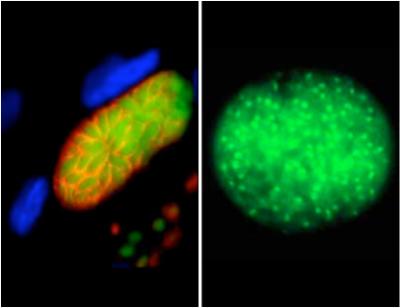
More research is needed to determine how big a role food plays in the transfer of the parasitic disease toxoplasmosis to humans in the UK, according to scientists.

Toxoplasmosis has been implicated in the USA and UK as a  foodborne illness in about 50% of reported cases.

Legionella Scotland – One Dead – 15 Critical

Although not classed as food microbiology this waterborne bacteria is often associated with food factories and cooling towers.

Evening Standard

One man has died and 15 people are in a critical condition in hospital following an outbreak of Legionnaires’ disease.

A further 15 suspected cases are being investigated in Edinburgh, NHS Lothian said.

The health board said the patient who died was in his 50s and had underlying health conditions. He was being treated at the Royal Infirmary of Edinburgh.

Thirteen men and two women aged between 33 and 74 are in a critical condition with the disease and are being treated in intensive care in hospitals in the Lothian area. One man has recovered and has been discharged.

A further 10 men and five women are also being treated in hospitals but their illness has not yet been confirmed.

The majority of the confirmed cases are linked geographically to the Dalry, Gorgie and Saughton areas in the south-west of the Scottish capital.

The bacteria can end up in artificial water supply systems, including air conditioning systems, water services and cooling towers.

Legionnaires’ disease is contracted by breathing in small droplets of contaminated water.

Symptoms include mild headaches, muscle pain, fever, a persistent cough and sometimes vomiting and diarrhoea, and can begin any time between two and 14 days after exposure to the bacteria. The first case was identified on Thursday May 28.

About half of those who contract the disease will also experience changes to their mental state, such as confusion.

The condition is not contagious and cannot be spread directly from person to person.

HPA Outbreak Management

HPA Factsheet

CIFA – Ground Beef Recall – E.coli O157

CIFA

The Canadian Food Inspection Agency (CFIA) is warning the public not to consume the ground beef described below because the products may be contaminated with E. coliO157:H7.

The affected products, Ground Beef Reg. and Ground Beef Lean, were sold in plastic bags of varying weight on May 31, 2012 from the Kabul Farms store located at 255 Dundas Street West, Mississauga, ON. The packages bear a sticker with the product name, the store’s name and the price.

Consumers are advised to contact the retailer if you are unsure as to whether you have the affected beef products stored in your home freezer.

There have been no confirmed illnesses associated with the consumption of this product.

Turkey – Tourists Food Poisoning

CRI – English

Some 83 tourists were hospitalised Wednesday night due to an outbreak of food poisoning in the seaside city of Bodrum, about 790 km south of Turkey’s Istanbul, the semi-official Anatolia News Agency reported Thursday.

A provincial health director said that the tourists had been diagnosed with nausea and heavy stomach aches.

Officials from Food, Agriculture and Animal Breeding ministry took samples of the food and drinks that the tourists might have consumed.

Bodrum District Gov. Mehmet Godekmerdan said that they were conducting an investigation at the tourists’ hotel.

“We sent the samples to the laboratory and we will announce the results tomorrow,” he said.

Bodrum is a port city in Mugla Province in the southwestern Aegean Region of Turkey.


Gleneagles Food Scare – Norovirus

Scotsman

MORE than 100 people connected to the Gleneagles Hotel have been hit by a suspected norovirus outbreak.

The luxury Auchterarder venue is working with NHS Tayside to identify the cause of the cases of vomiting and diarrhoea and put in place infection-control measures.

Most of the cases only came to light after guests who had stayed there last weekend contacted the hotel after falling ill.

Some staff and hotel residents are still recovering, but an NHS spokeswoman said nobody had been taken to hospital.

A spokeswoman for Gleneagles said a “mix” of residents, guests and staff were affected

Oysters Recalled – USA – Norovirus

Food Poisoning Bulletin

As a result of the FDA ban on Korean shellfish for unsanitary conditions and the presence of norovirus, Crown Prince Seafood is recalling oyster products. All of the company’s wholesalers are instructed to suspend shipments, and retailers should remove these products from their shelves.

Hawaii – Recall – Ready to Eat Pork – Listeria monocytogenes

USDA 

Keoki’s Lau Lau, a Honolulu, HI establishment, is recalling approximately 400 pounds of a ready-to-eat pork product due to possible contamination with Listeria monocytogenes, the U.S. Department of Agriculture’s Food Safety and Inspection Service (FSIS) announced today.

The following product is subject to recall:

  • 12 oz. tubs of “Keoki’s Kalua Brand Pork”
  • 48 oz. tubs of “Keoki’s Kalua Brand Pork”

The problem was discovered by the firm during follow-up testing conducted after a positive result from a FSIS routine monitoring sample. FSIS and the company have not received any reports of adverse reactions due to consumption of the products. Anyone concerned about a reaction should contact a healthcare provider.

US – Six Year Old Dies – E.coli Infection with HUS

Food Poisoning Bulletin

On May 26, 2012, a six year old boy in Massachusetts died from an E. coli infection, according to the Massachusetts Department of Health and the Worcester Department of Public Health. A press release by the City of Worcester, obtained by Food Poisoning Bulletin, confirms that he died from complications of hemolytic uremic syndrome (HUS).

The source of exposure has not yet been determined at this time. Officials are treating this as an isolated case, consistent with a food borne illness.”

It only takes 100 E. coli 0157 bacteria to make a healthy person sick. One bacterium is about 0.002 centimeters long, so a small amount of food can be easily contaminated with that amount. Children are more susceptible to complications from this type of infection because their immune systems are still developing.

CIFA Recalls – Salmonella and Clostridium botulinum

CIFA 

The Canadian Food Inspection Agency (CFIA) and Pusateri’s Fine Foods is warning the public not to consume certain vacuum packaged fish products, described below, because the products may be contaminated with Clostridium botulinum. Toxins produced by this bacteria may cause botulism, a life-threatening illness.

CIFA

The Canadian Food Inspection Agency (CFIA) and Les Aliments 2000 Inc. are warning the public not to consume Cuisine du Viêt-nam brand Butterfly Knots Honey & Sesame because the product may be contaminated with Salmonella.

The affected product, Cuisine du Viêt-nam brand Butterfly Knots Honey & Sesame, is sold in 102 g packages bearing UPC 8 59912 00102 1. All lot codes are affected by this alert.

This product has been distributed in Quebec.

There have been no reported illnesses associated with the consumption of this product.

FSA – Cryptosporidium Cases

FSA  

The Health Protection Agency (HPA) can confirm it is investigating a recent increase in cases of the gastrointestinal infection, cryptosporidiosis, across four regions in England – the North East, Yorkshire, West Midlands and East Midlands.

To date, 267 cases of cryptosporidiosis have been confirmed in the affected areas since 11 May 2012, compared to 73 cases across the four regions for the whole of May 2011.

Dr Stephen Morton, who is leading the investigation for the HPA, said: “It is usual to see an increase in cryptosporidiosis cases in the early summer, but, the increase is higher than we might expect so we are working with NHS partners, local Environmental Health Officers the Drinking Water Inspectorate and the Food Standards Agency to see if there is a common source of infection.