Category Archives: foodborne outbreak

UK reports 90 sick in Salmonella outbreak linked to melonSalmonella Saintpaul outbreak associated with cantaloupe consumption, the United Kingdom and Portugal, September to November 2023

Cambridge.org

Abstract

In September 2023, the UK Health Security Agency identified cases of Salmonella Saintpaul distributed across England, Scotland, and Wales, all with very low genetic diversity. Additional cases were identified in Portugal following an alert raised by the United Kingdom. Ninety-eight cases with a similar genetic sequence were identified, 93 in the United Kingdom and 5 in Portugal, of which 46% were aged under 10 years. Cases formed a phylogenetic cluster with a maximum distance of six single nucleotide polymorphisms (SNPs) and average of less than one SNP between isolates. An outbreak investigation was undertaken, including a case–control study. Among the 25 UK cases included in this study, 13 reported blood in stool and 5 were hospitalized. One hundred controls were recruited via a market research panel using frequency matching for age. Multivariable logistic regression analysis of food exposures in cases and controls identified a strong association with cantaloupe consumption (adjusted odds ratio: 14.22; 95% confidence interval: 2.83–71.43; p-value: 0.001). This outbreak, together with other recent national and international incidents, points to an increase in identifications of large outbreaks of Salmonella linked to melon consumption. We recommend detailed questioning and triangulation of information sources to delineate consumption of specific fruit varieties during Salmonella outbreaks.
UK – Cases double in cryptosporidium parasite outbreak as ‘100 more have symptoms’

UK News Yahoo

The number of confirmed cases of a waterborne disease caused by a microscopic parasite has more than doubled, while more than 100 further people have reported similar symptoms. Around 16,000 households and businesses in the Brixham area of Devon have been told not to use their tap water for drinking without boiling and cooling it first.

The UK Health Security Agency (UKHSA) said on Friday that 46 cases of cryptosporidium had now been confirmed in the fishing town, up from 22 cases on Thursday, and that more cases were anticipated. It added other reported cases of diarrhoea and vomiting in residents and visitors to Brixham were also under investigation.

Dr Bayad Nozad, consultant in health protection at UKHSA, said the Government agency was aware of further reports of illness above their confirmed numbers.

Research – Rapid detection of the source of a Listeria monocytogenes outbreak in Switzerland through routine interviewing of patients and whole-genome sequencing

SMW

In summer 2022, 20 patient-derived L. monocytogenes serotype 4b sequence type 388 strains were found to belong to an outbreak cluster (≤10 different alleles between neighbouring isolates) based on core genome multilocus sequence typing analysis. Geographically, 18 of 20 outbreak cases occurred in northeastern Switzerland. The median age of patients was 77.4 years (range: 58.1–89.7), with both sexes equally affected. Rolling analysis of the interview data revealed smoked trout from a local producer as a suspected infection source, triggering an on-site investigation of the production facility and sampling of the suspected products by the responsible cantonal food inspection team on 15 July 2022. Seven of ten samples tested positive for L. monocytogenes and the respective cantonal authority ordered a ban on production and distribution as well as a product recall. The Federal Food Safety and Veterinary Office released a nationwide public alert covering the smoked fish products concerned. Whole-genome sequencing analysis confirmed the interrelatedness of the L. monocytogenes smoked trout product isolates and the patient-derived isolates. Following the ban on production and distribution and the product recall, reporting of new outbreak-related cases rapidly dropped to zero.

Research -Shiga Toxin–Producing Escherichia coli O157:H7 Illness Outbreak Associated with Untreated, Pressurized, Municipal Irrigation Water — Utah, 2023

CDC

During July–September 2023, an outbreak of Shiga toxin–producing Escherichia coli O157:H7 illness among children in city A, Utah, caused 13 confirmed illnesses; seven patients were hospitalized, including two with hemolytic uremic syndrome. Local, state, and federal public health partners investigating the outbreak linked the illnesses to untreated, pressurized, municipal irrigation water (UPMIW) exposure in city A; 12 of 13 ill children reported playing in or drinking UPMIW. Clinical isolates were genetically highly related to one another and to environmental isolates from multiple locations within city A’s UPMIW system. Microbial source tracking, a method to indicate possible contamination sources, identified birds and ruminants as potential sources of fecal contamination of UPMIW. Public health and city A officials issued multiple press releases regarding the outbreak reminding residents that UPMIW is not intended for drinking or recreation. Public education and UPMIW management and operations interventions, including assessing and mitigating potential contamination sources, covering UPMIW sources and reservoirs, indicating UPMIW lines and spigots with a designated color, and providing conspicuous signage to communicate risk and intended use might help prevent future UPMIW-associated illnesses.

Research – Outbreak of Listeria monocytogenes in hospital linked to a fava bean product, Finland, 2015 to 2019

Eurosurveillance

Listeriosis is a severe bacterial infection caused by  (), usually via consumption of food contaminated with the bacterium. However, other ways of transmission than food-borne have been reported [1].  species are ubiquitous in the environment and many animals shed  in their faeces. Infections are often associated with raw, chilled or ready-to-eat (RTE) foods. Symptoms develop within 1–70 days after eating food contaminated with  [2]. The disease can manifest as severe, invasive illness, more likely in elderly people, pregnant women, unborn or newborn babies and people with weakened immune systems [3]. In these persons, listeriosis may present as septicaemia or meningitis and lead to high hospitalisation and mortality rates.

In 2021, an incidence of 0.5 per 100,000 population was reported for listeriosis in the European Union/European Economic Area (EU/EEA), while the incidence in Finland was 1.3 per 100,000 [4].

Listeriosis cases have been reported in healthcare facilities [511]. Two healthcare-associated  outbreaks have been reported in Finland during the last three decades. In 1999, a large hospital outbreak occurred with six deaths in 25 cases of invasive listeriosis. The source of the outbreak was butter which may have been contaminated after pasteurisation [12]. In 2012, RTE meat jelly was suspected to be the source of a hospital outbreak affecting 25 people [9].

USA – Cracker Barrel in Bourbonnais Illinois linked to Salmonella Outbreak

Food Poison Journal

The Kankakee County Health Department (KCHD) and Illinois Department of Public Health (IDPH) are investigating an outbreak of Salmonella, a bacteria that is a common cause of food poisoning. As of May 14th1, 2024, KCHD has identified 8 individuals with Salmonella infections who ate prepared food from Cracker Barrel located on 50 Ken Hayes Dr in Bourbonnais.

Cracker Barrel voluntarily closed on May 4th, 2024 and is cooperating with KCHD to determine a source of the infections. KCHD performed an environmental assessment of Cracker Barrel and provided guidance on safe food handling practices and environmental cleaning to prevent further spread of disease.

USA – FDA – Investigations of Foodborne Illness Outbreaks

FDA

Date
Posted
Ref Pathogen
or
Cause of
Illness
Product(s)
Linked to
Illnesses

(if any)
Total
Case
Count

Status
Outbreak/
Event
Status
4/17/

2024

1221 E. coli
O157:H7
Organic
Walnuts
See
Advisory
Active Ongoing
See
Advisory
4/10/

2024

1218 Salmonella
Typhimurium
Organic Fresh
Basil
See
Advisory
Active Ongoing
See
Advisory

Research – Foodborne Disease Outbreaks Linked to Foods Eligible for Irradiation, United States, 2009–2020

CDC

Food irradiation can reduce foodborne illnesses but is rarely used in the United States. We determined whether outbreaks related to CampylobacterSalmonellaEscherichia coli, and Listeria monocytogenes were linked to irradiation-eligible foods. Of 482 outbreaks, 155 (32.2%) were linked to an irradiation-eligible food, none of which were known to be irradiated.

Saudi Arabia – Botulism outbreak traced to mayonnaise at Riyadh restaurant

Arab News

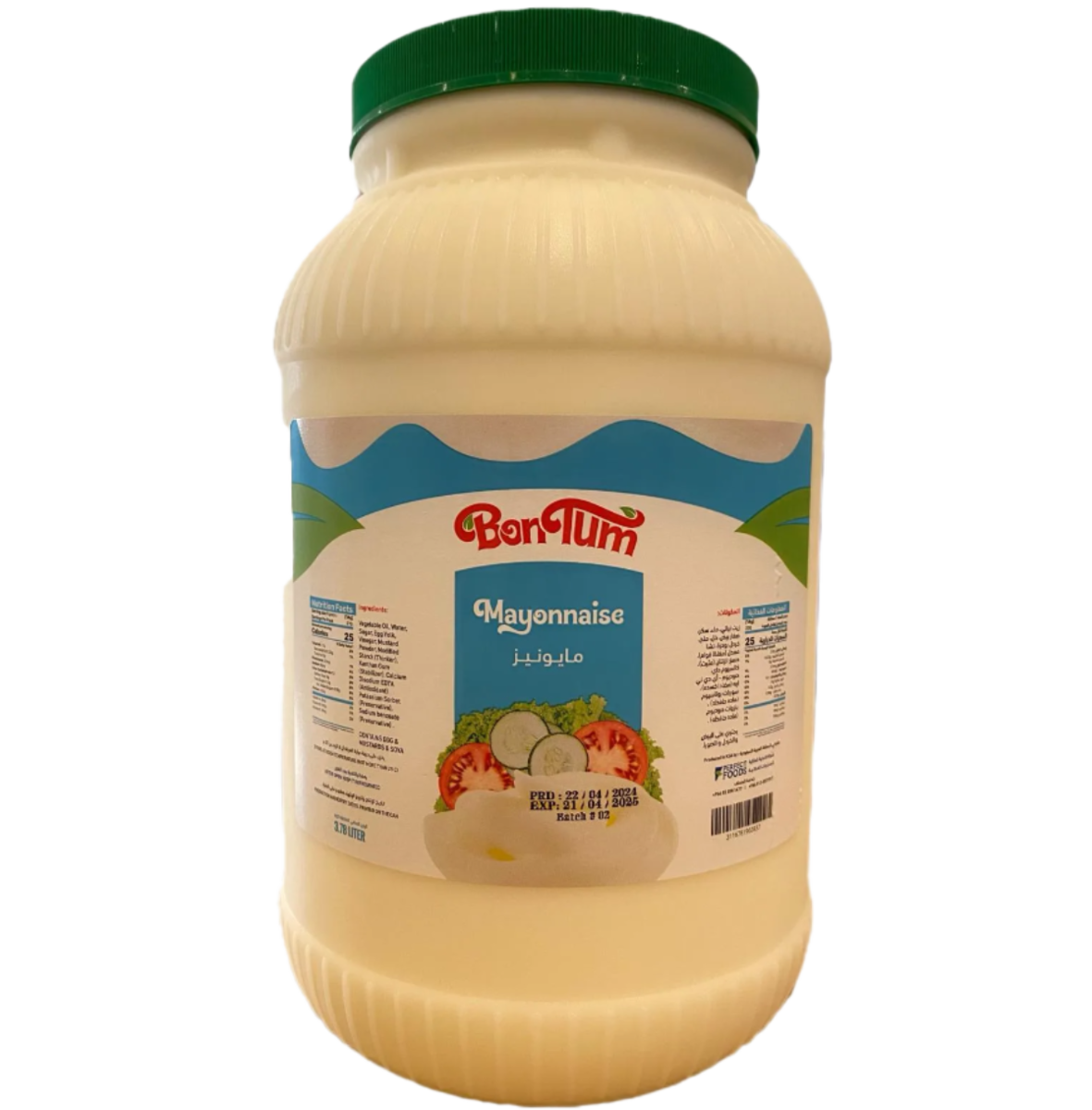
RIYADH: The Ministry of Municipal, Rural Affairs and Housing announced on Saturday that a Saudi Food and Drug Authority laboratory test had found clostridium botulinum in a Bon Tum mayonnaise brand used by the Hamburgini food chain.

Since the bacterium was discovered in a Bon Tum factory, the ministry has collaborated with the SFDA and other authorities to enforce additional measures beyond those previously implemented.

These measures include suspending the distribution of the mayonnaise product and withdrawing it from markets and food facilities across all cities in the Kingdom. They also include halting operations at the factory in preparation for implementing statutory procedures.

Danish Salmonella outbreak traced to English beef

Food Safety News

Imported beef is to blame for a Salmonella outbreak that has sickened more than 50 people, according to Danish officials.

Since March, 51 people in Denmark have been infected with the same type of Salmonella, said the Statens Serum Institut (SSI).

The Salmonella Typhimurium outbreak has sickened 31 men and 20 women. Patients are between the ages of less than 1 year old to 83 years old with a median age of 37. They live throughout the country. 18 people have been hospitalized but no deaths have been recorded.