Category Archives: Foodborne Illness

USA – Cyclospora Outbreak Still Going Up

Food Poisoning Journal

  • As of July 29, 2013 (5pm EDT), CDC has been notified of 372 cases of Cyclospora infection from the following 16 health departments: Iowa, Texas, Nebraska, Florida, Wisconsin, Illinois, New York City, Georgia, Missouri, Arkansas, Connecticut, Kansas, Minnesota, New Jersey, New York, and Ohio.
  • Most of the illness onset dates have ranged from mid-June through early July.
  • At least 21 persons reportedly have been hospitalized in three states

Food Posioning Journal

Lincoln – Prepackaged salad mix is the source of the state’s cyclospora outbreak which has sickened 78 Nebraskans since mid-June according to the Nebraska Department of Health and Human Services. Cyclospora is a rare parasite that causes a lengthy gastrointestinal illness.

“Our goal is to protect Nebraskans, pinpoint the source of the illness and make sure the risk is eliminated,” said Dr. Joseph Acierno, Chief Medical Officer and Director of Public Health for DHHS. “Our investigation implicated prepackaged, prewashed, salad mix as the cause of this outbreak.”

DHHS’ investigation also shows the salad mix which includes iceberg and romaine lettuce along with red cabbage and carrots came through national distribution channels. Locally grown produce is not part of this outbreak.

DHHS and local health departments are currently working with the U.S. Food and Drug Administration to identify exactly where the contamination came from along the food production chain and where the product was distributed. Nebraska public health officials believe the bulk of the contaminated salad mix already worked its way through the system due to limited shelf life.

Fresh vegetables and fruit are usually associated with cyclospora outbreaks. People become sick when they consume food contaminated with the parasite. Washing fruits and vegetables is always recommended but it can be difficult to wash cyclospora off all types of produce.



USA – Salmonella Outbreak in Iowa – Poultry or Eggs

Food Poisoning Bulletin

Mason City, Iowa, is the center of a Salmonella outbreak investigation that preceded a wider outbreak notice announced Friday by the Iowa Department of Public Health. Mason City is the seat of government for Cerro Gordo County, which leads all 19 Iowa counties in the number of illnesses associated with an outbreak of salmonellosis that may be linked to poultry or egg

USA – Hepatitis and Cyclospora Updates

Food Posioning Bulletin

The multi-state hepatitis A outbreak linked to Townsend Farms Organic Antioxidant Blend frozen berry and pomegranate mix sold at Costco stores has grown to include 151 sickened. Sixty-six people have been hospitalized in this outbreak. No deaths have been reported.

Food Poisoning Bulletin

A multi-state Cyclospora outbreak has sickened at least 267 people and hospitalized eight of them, according to federal and state health authorities involved in a collaborative investigation. The rare parasite has infected at least 127 people Iowa, 68 people in Nebraska, 65 people in Texas, 4 people in Wisconsin, 2 people in Illinois and 1 person in Kansas.

Italy – Recall Pesto – Botulism Poisoning

Italia and Mondo

Twenty people have been hospitalized in the emergency room of three hospitals int the Genoese area are under observation for suspected botulism poisoning.

They ate pesto of the company that has withdrawn a batch of jars and showed symptoms consistent with a possible poisoning. Two patients have already been discharged.


USA -Cyclospora – Unwashed produce ?? – Drying May Help

Food Posioning Bulletin

Is the source of a multi-state Cyclopora outbreak restaurant lettuce salad? Health officials in at least six states are working in collaboration with the Centers for Disease Control and Prevention to divine the food source that has infected hundreds of people with a rare parasite.

The bug is so rare that it is not included in the standard parasite screening which looks for Giardia and Cryptosporidium, said David Warshauer, deputy director of communicable disease at the Wisconsin State Laboratory of Hygiene (WSLH). And once it’s confirmed with a special lab test, sub-typing is generally not performed.

With common bacterial food poisoning outbreaks, including those caused by E.coli, Salmonella, Listeria or Campylobacter, subtyping, often done with Pulsed Field Gel Electrophoresis (PFGE), is performed to find the bacteria’s “genetic fingerprint.” This allows health officials to see how many people have been sickened by the same source.

Food Poisoning Bulletin

If you’re like most people, you wash your produce before eating it. But do you dry it?  You should, according to the U.S. Food and Drug Administration (FDA).

Hundreds of people in six states; Illinois, Iowa, Kansas, Nebraska, Texas and Wisconsin have been sickened by a single-cell parasite called Cyclospora. To reduce your risk of food poisoning form fresh produce the FDA recommends the following produce-washing tips. Before you begin, wash your hands with hot, soapy water for 20 seconds, or long enough to sing Happy Birthday twice. Wash produce under cool, running water. Do not use soap or commercial washes. Scrub firm produce such as melons, cucumbers and potatoes with a brush. Dry the produce with a clean cloth or paper towel. Following these recommendations will reduce but not completely eliminate the risk of food poisoning from bacteria or parasites.

People become infected with Cyclospora when they eat or drink food or water that is contaminated with microscopic amounts of fecal matter containing the parasite. Cyclospora is most commonly found in tropical climates but imported foods including mesclun lettuce, basil, snow peas, and raspberries have been the source of a number of U.S. outbreaks in recent years.

USA – Legionella Outbreak

Food Posioning BulletinLegionella_Plate_01

Legionnaire’s outbreaks in Wisconsin and Ohio have sickened dozens of people, health authorities say. At least 20 people in Milwaukee County have  been diagnosed with the disease since June 1, 2013. Of those, 14 are from  the city of Milwaukee. Four people remain hospitalized. Wisconsin health authorities are looking for the source or sources of the outbreak

In Franklin County, Ohio, 22 illnesses have been associated with the Wesley Ridge Retirement Community in Reynoldsburg. Those sickened include visitors, residents and employees. Two of them have died. Franklin County Public Health,  the Ohio Department of Health and the Centers for Disease Control and Prevention (CDC) are working together to determine the source of the outbreak

USA – More Cyclospora and Hepatitis A Cases

Food Poisoning Bulletin

The Cyclospora outbreak that has been reported by health departments in several midwestern states may have sickened as many as 183 people. The Iowa Department of Public Health released new information today saying their case count is up to 87. In Nebraska, 54 people are sick, and Texas has 37 cases of the parasitic disease so far this year; of those, 29 in north Texas were reported just this week.

Food Poisoning Bulletin

As of July 17, 2013, 149 people are now sick in the hepatitis A outbreak linked to Townsend Farms Organic Antioxidant Blend frozen berry and pomegranate mix. Sixty-five people have been hospitalized in this outbreak with acute hepatitis A. No deaths have been reported.

Research – Campylobacter Antibiotic Resistance is Increasing

Food Poisoning BulletinCampylobacter_jejuni_01

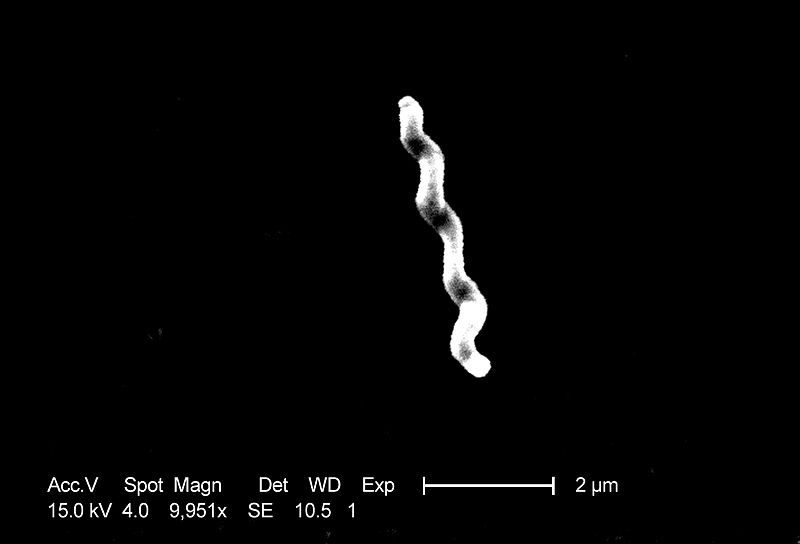
Antibiotic resistance in Campylobacter is on the rise, according to a new study appearing in the July 7 edition of Emerging Infectious Disease. Researchers from the National Institute of Cholera and Enteric Diseases, Kolkata, India, where Campylobacter rates remain steady throughout the year, tested 142 samples and found that all of them were resistant to trimethoprim–sulfamethoxazole, (Septra, Bactrim) and 97 percent were resistant to quinolone (nalidixic acid) and fluoroquinolones (norfloxacin, ciprofloxacin, and ofloxacin). and erythromycin, azithromycin, gentamicin, furazolidone, and chloramphenicol. Multi-drug resistance was also high.

USA – Cyclospora Outbreak Update

BarfBlog 220px-Cyclospora_cayetanensis_stained

Authorities suspect that fresh vegetables are the source of a rare parasite sickening dozens of Iowans.

The Iowa Department of Public Health reported this morning that 45 cyclospora infections have been confirmed in the state in the past few weeks.

That’s up from 22 cases earlier this week.

Only 10 such cases had been reported in the state in the past 20 years. The parasite is usually transmitted by tainted produce or water. It can cause weeks of severe diarrhea.

Federal experts are helping to trace the cause. Officials are urging everyone to wash their produce carefully … though they note that Cyclospora can be difficult to wash off.

Investigators who interviewed the patients believe the outbreak started in tainted vegetables, not fruit.

Food Poisoning Journal – Cyclospora What You Need to Know

The Iowa Department of Public Health, CDC and local public health agencies are investigating an outbreak of an intestinal illness caused by Cyclospora (a rare parasite). As of July 12, 45 cases of Cyclospora infections have been reported in Iowa with dozens more in Nebraska and other Midwestern states. It appears linked to eating fresh vegetables.

Research – Norovirus Transmission

Cambridge Journals OnlineNorwalk_Caspid

Causal mechanisms of norovirus outbreaks are often not revealed. Understanding the transmission route (e.g. foodborne, waterborne, or environmental) and vehicle (e.g. shellfish or recreational water) of a norovirus outbreak, however, is of great public health importance; this information can facilitate interventions for an ongoing outbreak and regulatory action to limit future outbreaks. Towards this goal, we conducted a systematic review to examine whether published outbreak information was associated with the implicated transmission route or vehicle. Genogroup distribution was associated with transmission route and food vehicle, but attack rate and the presence of GII.4 strain were not associated with transmission route, food vehicle, or water vehicle. Attack rate, genogroup distribution, and GII.4 strain distribution also varied by other outbreak characteristics (e.g. setting, season, hemisphere). These relationships suggest that different genogroups exploit different environmental conditions and thereby can be used to predict the likelihood of various transmission routes or vehicles

Cambridge Journals Online