Category Archives: Biotoxin

Luxembourg – SEA SNAPPER STEAKS – (LUTJANUS BOHAR) FROM THE SEAPRO BRAND – CIGUATERA POISONING

SAP

 Product recalls • Alerts

Information Source: European Commission Rapid Alert System for Food and Feed (RASFF)

Distribution in Luxembourg: Tandoori Market

The Luxembourg food safety authorities inform about the following recall:

Danger : ciguatera poisoning

Last name Snapper steaks (Lutjanus bohar)
Mark Seapro
Aspect Plastic packaging
Lot 85205-2217

Only the products listed in the table are affected.

The information provided does not exclude that part of the products have been sold to the end consumer.

Ciguatera usually involves a combination of gastrointestinal, neurological and, sometimes, cardiovascular disorders. The symptoms defined in these general categories vary depending on the geographic origin of the toxic fish and, to some extent, the species of fish. People who have consumed the products mentioned above and who present this type of symptoms are invited to consult a doctor and report this consumption.


New Zealand – Shellfish biotoxin alert – Croisilles Harbour in the Marlborough Sounds

MPI

he Ministry for Primary Industries (MPI) today issued a public health warning advising the public not to collect or consume shellfish harvested in Croisilles Harbour in the Marlborough Sounds.

Routine tests on shellfish samples taken from this region have shown levels of Paralytic Shellfish Poisoning (PSP) toxins above the safe limit of 0.8 mg/kg set by MPI. Anyone eating shellfish from this area is potentially at risk of illness.

Pāua, crab and crayfish may still be eaten if the gut has been completely removed prior to cooking, as toxins accumulate in the gut. If the gut is not removed its contents could contaminate the meat during the cooking process.

Symptoms typically appear between 10 minutes and 3 hours after ingestion and may include:

  • numbness and a tingling (prickly feeling) around the mouth, face, and extremities (hands and feet)
  • difficulty swallowing or breathing
  • dizziness
  • headache
  • nausea
  • vomiting
  • diarrhoea
  • paralysis and respiratory failure and in severe cases, death.

If anyone becomes ill after eating shellfish from an area where a public health warning has been issued, phone Healthline for advice on 0800 61 11 16, or seek medical attention immediately. You are also advised to contact your nearest public health unit and keep any leftover shellfish in case it can be tested.

Monitoring of toxin levels will continue and any changes will be communicated accordingly. Commercially harvested shellfish – sold in shops and supermarkets, or exported – is subject to strict water and flesh monitoring programmes by MPI to ensure they are safe to eat.


New Zealand -Marine biotoxin in shellfish for Waihi Beach in the Waikato/Bay of Plenty region

MPI

The Ministry for Primary Industries (MPI) today issued a public health warning advising the public not to collect or consume shellfish harvested from the southern end of Pauanui Beach down to the northern tip of Mount Maunganui, including the Tauranga Harbour.

Routine tests on shellfish samples taken from this region have shown levels of paralytic shellfish poisoning (PSP) toxins above the safe limit of 0.8 mg/kg set by MPI. Anyone eating shellfish from this area is potentially at risk of illness. Please help keep your whānau safe over the Christmas break and avoid collecting shellfish from the affected area.

Due to currents and prevailing winds going in the opposite direction, the presence of toxic shellfish are not believed to be related to the recent eruption of White Island.

Map showing the affected area

Canada – Certain Pacific Oysters may be unsafe due to a marine biotoxin which causes Paralytic Shellfish Poisoning

CFIA

Recall details

Ottawa, July 19, 2019 – Industry is recalling certain Pacific oysters from the marketplace due to a marine biotoxin which causes Paralytic Shellfish Poisoning. Consumers should not consume the recalled products described below.

Recalled products

Brand Name Common Name Size Code(s) on Product Additional Info
Union Bay Seafood Ltd. Pacific oysters, Mica’s Petite Effingham Inlet 5 dozen Location: BC 23-6
Landfile: 1403799
Lot: 20190715NW
Harvest Date:14 July 2019
Union Bay Seafood Ltd. Pacific oysters Effingham Inlet Xs 5 dozen Location: BC 23-6
Landfile: 1403799
Lot: 20190715NW
Harvest Date:14 July 2019
Intercity Packers Ltd. Oyster N/Shell Effingham XSM 5 dozen Harvest Location: BC 23-6
LF#: 1403799
P.O. No.: 114994
Harvest Date:7/14/2019

RASFF Alert – Diarrhoeic Shellfish Poisoning (DSP) – Live Mussels (Mytilus edulis)

RASFF-Logo

RASFF – Diarrhoeic Shellfish Poisoning (DSP) toxins – okadaic acid (182 µg/kg – ppb) in live mussels (Mytilus edulis) from France in France

New Zealand – Public health warning – Marine biotoxin in shellfish in Nydia Bay

MPI

The Ministry for Primary Industries (MPI) today issued a public health warning advising the public not to collect or consume shellfish harvested from Nydia Bay in Pelorus Sound, Marlborough.

Routine tests on shellfish samples taken from this region have shown levels of Paralytic Shellfish Poisoning (PSP) toxins above the safe limit of 0.8 mg/kg set by MPI. Anyone eating shellfish from this area is potentially at risk of illness.

Mussels, oysters, tuatua, pipi, toheroa, cockles, scallops, catseyes, kina (sea urchin) and all other bivalve shellfish should not be eaten.

Note: cooking shellfish does not remove the toxin.

Pāua, crab and crayfish may still be eaten if the gut has been completely removed prior to cooking, as toxins accumulate in the gut. If the gut is not removed its contents could contaminate the meat during the cooking process.

RASFF Alerts – Amnesic Shellfish Poisoning (ASP) – Mussels

RASFF-Logo

RASFF – Amnesic Shellfish Poisoning (ASP) toxins – domoic acid (58.6 mg/kg – ppm) in live mussels from Ireland in Ireland

RASFF – Amnesic Shellfish Poisoning (ASP) toxins (40.9 mg/kg – ppm) in chilled mussels from Ireland in Ireland

New Zealand – Shellfish biotoxin alerts – DSP – PSP

MPI

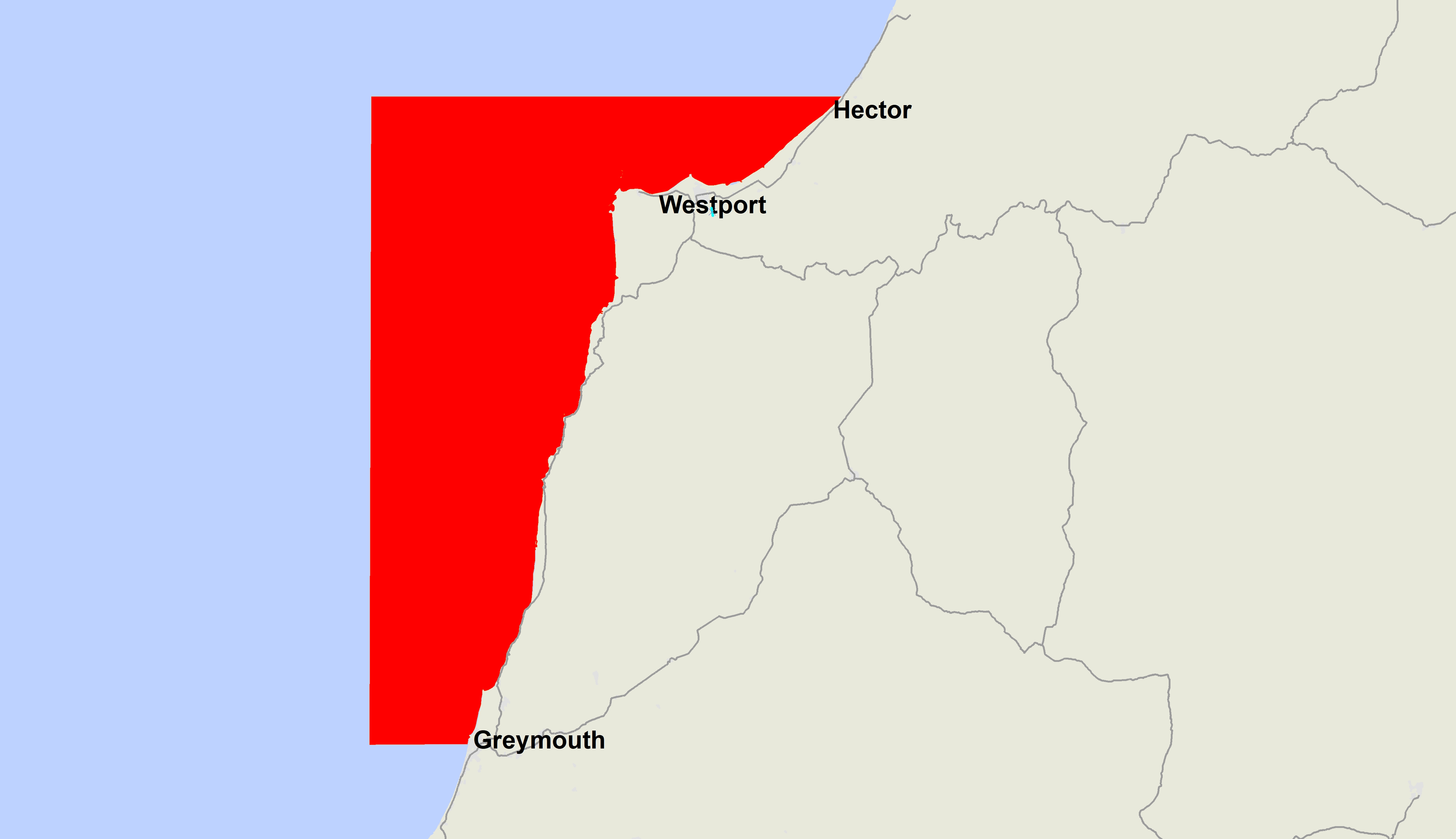
The Ministry for Primary Industries (MPI) today extended the public health warning advising the public not to collect or consume shellfish harvested from the South Island West Coast between Greymouth and Hector.

Routine tests on shellfish samples taken from this region has shown levels of Diarrhetic Shellfish Toxins above the safe limit of 0.16 mg/kg set by MPI.  Anyone eating shellfish from this area is potentially at risk of illness.

Map highlighting in red the areas affected.

MPI

The Ministry for Primary Industries (MPI) today issued a public health warning against collecting shellfish in the Pelorus Sound, excluding the upper Kenepuru Sound. The warning extends outwards to a line from Paparoa Point to Culdaff Point.

Routine tests on shellfish samples taken from this region have shown levels of paralytic shellfish poisoning (PSP) toxins above the safe limit of 0.8 mg/kg set by MPI. Anyone eating shellfish from this area is potentially at risk of illness.

Map highlighting in red the areas affected.

New Zealand – Shellfish biotoxin alert – Bay of Plenty and Waikato region

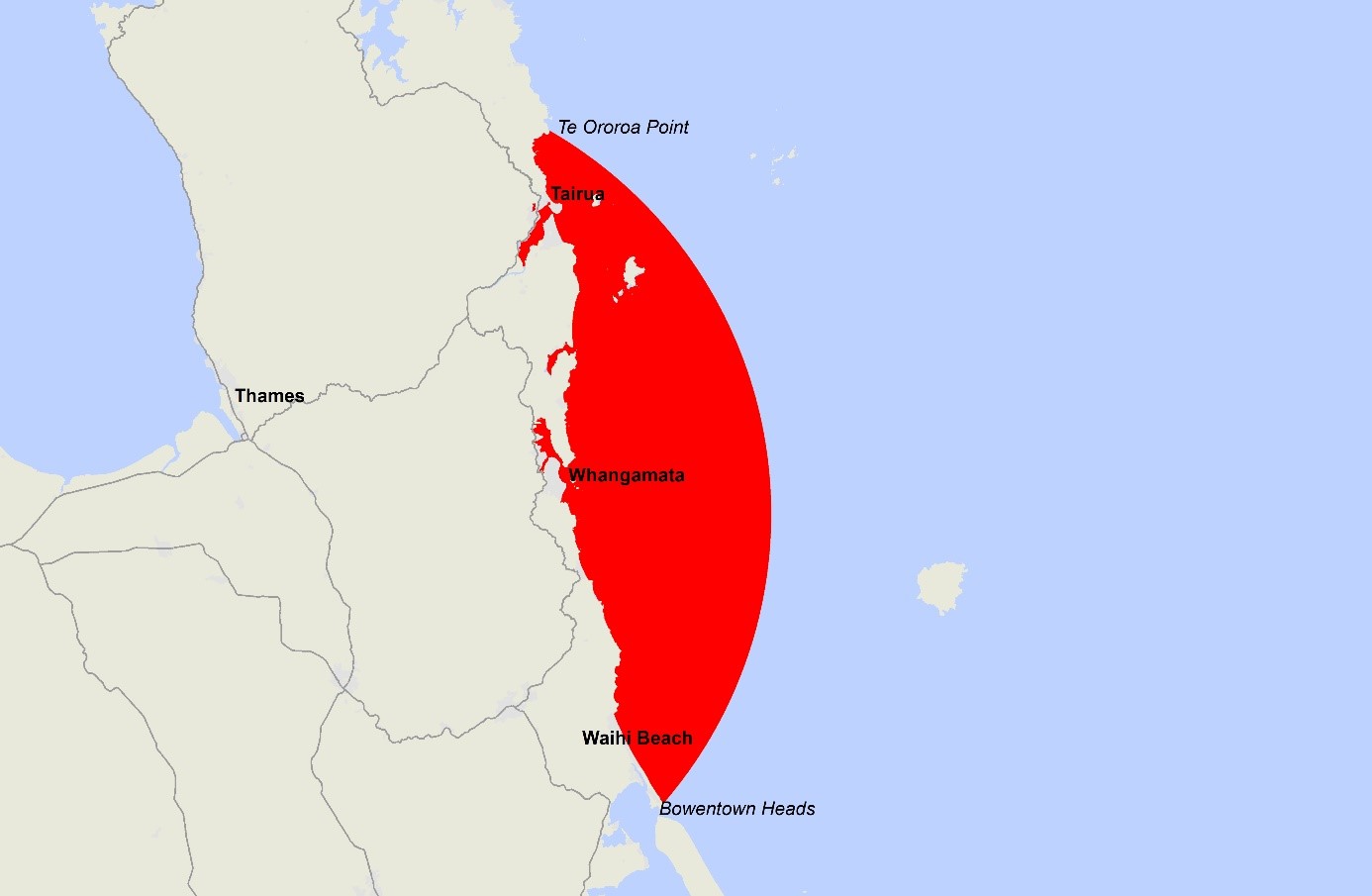
MPI Map highlighting in red the areas affected.

The Ministry for Primary Industries (MPI) today issued a public health warning advising the public not to collect or consume shellfish harvested from the Bay of Plenty/Waikato region from Te Ororoa Point, just north of Tairua, down to Bowentown Heads but not including Tauranga Harbour.

Routine tests on shellfish samples taken from this region have shown levels of Paralytic Shellfish Poisoning (PSP) toxins above the safe limit of 0.8 mg/kg set by MPI. Anyone eating shellfish from this area is potentially at risk of illness.

Mussels, oysters, tuatua, pipi, toheroa, cockles, scallops, catseyes, kina (sea urchin) and all other bivalve shellfish should not be eaten.

Note: Cooking shellfish does not remove the toxin.

Pāua, crab and crayfish may still be eaten if the gut has been completely removed prior to cooking, as toxins accumulate in the gut. If the gut is not removed its contents could contaminate the meat during the cooking process.

Symptoms typically appear between 10 minutes and 3 hours after ingestion and may include:

  • numbness and tingling (prickly feeling) around the mouth, face, and extremities (hands and feet)
  • difficulty swallowing or breathing
  • dizziness
  • a headache
  • nausea
  • vomiting
  • diarrhoea
  • paralysis and respiratory failure and in severe cases, death.

Australia – Recall: Raw Apricot Kernels

NSW Food Authority

The NSW Food Authority advises:

Tamex Import Export has recalled the above product from Fred’s one stop, Nevros Supermarket, Middle East Supermarket, BM Fruit Market, and Fairfield Forum Market in NSW.

Product details:

  • Raw Apricot Kernels, 400g, plastic bag
  • Best Before 27.03.2019

Problem: The recall is due to biotoxin (hydrocyanic acid) contamination.

Food safety hazard: Food products containing hydrocyanic acid may cause illness if consumed.

Country of origin: Turkey

What to do: Consumers should not eat this product. Any consumers concerned about their health should seek medical advice and should return the product to the place of purchase for a full refund.

For more information on this recall, contact Tamex Import Export on 02 9832 3656​