Category Archives: Bacteria

USA – Recall Hummus – Listeria monocytogenes

Food Safety NewsEurofins Food Testing UK

Washington state-based company is recalling some of its hummus products because they may be contaminated with Listeria monocytogenes.

Penny’s Salsa of Auburn, WA initiated a recall of certain hummus products Sunday after two types of the spread tested positive for Listeria, according to the Oregonian.

Research – Campylobacter Antibiotic Resistance is Increasing

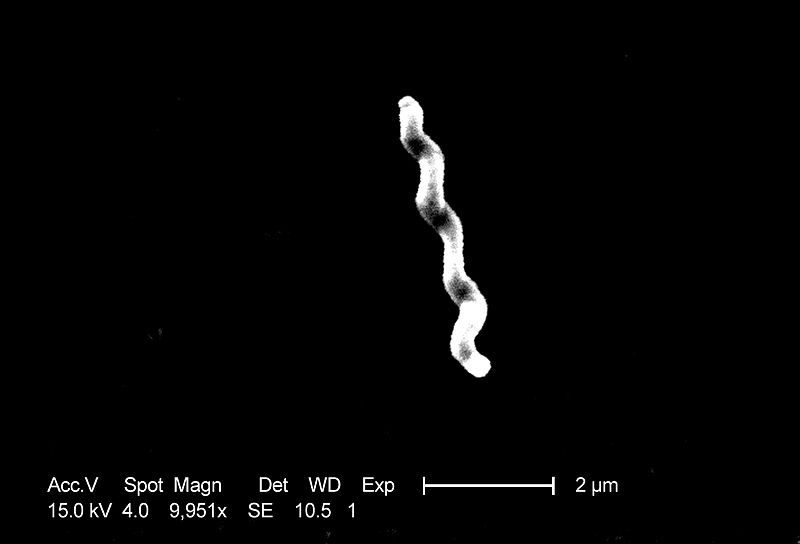
Food Poisoning BulletinCampylobacter_jejuni_01

Antibiotic resistance in Campylobacter is on the rise, according to a new study appearing in the July 7 edition of Emerging Infectious Disease. Researchers from the National Institute of Cholera and Enteric Diseases, Kolkata, India, where Campylobacter rates remain steady throughout the year, tested 142 samples and found that all of them were resistant to trimethoprim–sulfamethoxazole, (Septra, Bactrim) and 97 percent were resistant to quinolone (nalidixic acid) and fluoroquinolones (norfloxacin, ciprofloxacin, and ofloxacin). and erythromycin, azithromycin, gentamicin, furazolidone, and chloramphenicol. Multi-drug resistance was also high.

USA – Organic Oregano Recall – Salmonella

Food Safety News

California company is recalling 1,075 cases of its organic oregano because the product may be contaminated with Salmonella.

Olde Thompson Inc. of Oxnard, CA issued a voluntary recall of its Earth’s Pride Organics brand Organic Oregano — sold exclusively at BJ’s Wholesale — on Friday after the bacteria was discovered as a result of routine sampling.

The product was sold in a 2.2 oz. jar glass jar at BJ’s locations in Connecticut, Delaware, Florida, Georgia, Maine, Maryland, Massachusetts, New Hampshire, New Jersey, New York, North Carolina, Ohio, Pennsylvania, Rhode Island and Virginia between January 1 and July 10 of this year.

Affected lot numbers include 060367, 060692, 061252 and 061864. These numberscan be found on the bottom of the jar.

No illnesses have been linked to consumption of the product to date.

USA – FDA – Pistachio’s – Salmonella

FDASalmonella

Torn and Glasser, Inc of Los Angeles, CA  90021 is voluntarily recalling some packaged Pistachios because it has the potential to be contaminated with Salmonella, an organism which can cause serious and sometimes fatal infections in young children, frail or elderly people, and others with weakened immune systems. Healthy persons infected with Salmonella often experience fever, diarrhea (which may be bloody), nausea, vomiting and abdominal pain. In rare circumstances, infection with Salmonella can result in the organism getting into the bloodstream and producing more severe illnesses such as arterial infections (i.e., infected aneurysms), endocarditis and arthritis.

This decision to recall was made due to the expanded recall of pistachio products by ARO pistachio (Upgraded from a Class II to a Class I) due to the potential of contamination with Salmonella.  The Torn and Glasser recalled products contain pistachios supplied by the ARO processing plant located in Terra Bella Ca 93270.

The recalled product was distributed from February 21, 2012 to April 29, 2013 in CA, AZ, and HI.

UK – FSA – Latest research published by the FSA

FSA

The Agency has produced a summary of its research published in April to June 2013. Several areas of research were covered, including consumer attitudes towards the decontamination of meat and the use of freezing to reduce campylobacter in chicken livers. A full report for each area of research can be found via the links at the bottom of the page.

Evaluation: Freezing to reduce campylobacters in chicken liver
The FSA commissioned a research project to assess whether freezing chicken livers, before they are prepared and cooked in a catering or domestic kitchen, can significantly reduce the incidence of campylobacter contamination. Freezing is a proven effective intervention to control campylobacter contamination of poultry meat. However, there has been a lack of evidence on how effective this treatment is with chicken livers, particularly under conditions similar to those in catering or domestic kitchens where freezer temperatures and freezing rates may vary.

RASFF Alerts – Salmonella – Sesame Seeds – Poultry – Whole Chickens

RASFF – Salmonella Tennessee (presence /25g) in hulled sesame seeds from India in Greece

RASFF – Salmonella Tennessee (presence /25g) in hulled sesame seeds from India in Greece

RASFF – Salmonella enterica (presence /25g) in frozen poultry meat preparations (Aves) from Brazil in the Netherlands

RASFF – Salmonella spp. (presence /25g) in frozen poultry meat preparations (Aves) from Brazil in the Netherlands

RASFF – Salmonella enteritidis in chilled whole chickens with neck and frozen trussed chickens from Poland in Bulgaria

RASFF Alerts – STEC – Chilled Beef

RASFF -Shigatoxin-producing Escherichia coli in chilled boneless beef (Bos taurus) from Argentina in the Netherlands

RASFF – Shigatoxin-producing Escherichia coli in chilled boneless beef (Bos taurus) from Argentina in the Netherlands


USA Research – Whole Chickens from Farmers Markets – Higher Pathogen Risk

Science DailyimagesCAYZ5I84

Raw, whole chickens purchased from farmers markets throughout Pennsylvania contained significantly higher levels of bacteria that can cause foodborne illness compared to those purchased from grocery stores in the region, according to a small-scale study by researchers in Penn State’s College of Agricultural Sciences

Of 100 whole chickens purchased from farmers markets, 90 percent tested positive for Campylobacter and 28 percent harbored Salmonella.

By comparison, during the same period, 20 percent of raw, whole, organic chickens purchased from grocery stores were found to contain Campylobacter bacteria, and 28 percent tested positive for Salmonella. Just 8 percent of raw, whole, nonorganic, conventionally processed chickens from the grocery stores tested positive for Campylobacter and 52 percent of those contained Salmonella.

USA – FDA Recall – Pistachios – Salmonella

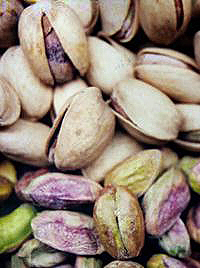
FDAPistachios_th

Western Mixers Produce & Nut Company of Los Angeles, California is recalling ARO and/or Treasured Harvest Pistachios, because it has the potential to be contaminated with Salmonella, an organism which can cause serious and sometimes fatal infections in young children, frail or elderly people, and others with weakened immune systems. Healthy persons infected with Salmonella often experience fever, diarrhea (which may be bloody), nausea, vomiting and abdominal pain. In rare circumstances, infection with Salmonella can result in the organism getting into the bloodstream and producing more severe illnesses such as arterial infections (i.e., infected aneurysms), endocarditis and arthritis.

Pistachios were distributed in: California, Nevada, Ohio and Utah; through Retail Stores, Mail Order and various Distributors during the dates of: October 17, 2012 – April 29, 2013.

USA – Salmonella Outbreak at a Funeral Home

Food Safety NewsSalmonella

At least 36 people who attended a funeral in western Alabama on July 6 have fallen ill with Salmonella infections, reported the Alabama Department of Public Health Wednesday.

The funeral was held at Eastern Star Baptist Church in York, AL, and was attended by at least 100 people, according to a press release from ADPH.

Of those known to have been sickened, 30 were hospitalized in 9 different states, including Alabama, California, Florida, Georgia, Illinois, Kansas, Michigan, Missouri and Oklahoma.

The health department’s investigation into the outbreak began June 8 after a local hospital reported that 25 people had come in late on July 6 and into the following day complaining of fever, diarrhea, nausea and vomiting.