Category Archives: Animal Feed

RASFF Alert Animal Feed – Salmonella – Processed Animal Protein

RASFF

Salmonella in processed animal protein from Slovakia in Hungary

RASFF Alert – Animal Feed – Salmonella – Soy Bean Feed

RASFF

Salmonella Agona in soy bean meal from Belgium and the Netherlands in France

RASFF Alert – Animal Feed – Mycotoxin in Maize

RASFF

Mycotoxins in maize in Portugal

Research – How to deal with feed ingredients prone to Aflatoxin contamination

Pet Food Industry

Find out which animal feed ingredients are more prone to aflatoxin contamination, when the risk of contamination is higher and strategies to mitigate its effects on animals.

Aflatoxins are naturally occurring mycotoxins produced by certain molds, primarily Aspergillus flavus and Aspergillus parasiticus. These toxic compounds can contaminate animal feed, posing significant health risks to livestock and poultry. In this article, we will discuss which animal feed ingredients are more prone to aflatoxin contamination, when the risk of contamination is higher and strategies to mitigate its effects on animals.

RASFF Alerts – Pets – Illness in Dogs – Animal Feed

RASFF

4 cases of haemorrhagic gastroenteritis of dogs feed from Spain in Belgium

RASFF Alerts – Animal Feed – Salmonella –

RASFF

Salmonella Enteritidis in feed for laying hens from Germany in the Czech Republic.

RASFF

Enterobacteria and salmonella presence in fishmeal from Morocco in Portugal and Spain

RASFF

Salmonella in organic sunflower cake from Denmark in Sweden

RASFF Alerts – Animal Feed – Salmonella – Rapeseed Cake – Rape Seed MEal – Barley – Soybean Meal

RASFF

Salmonella in rapeseed cake from Denmark in Sweden.

RASFF

Salmonella Altona in rape seed meal from Germany in Finland and Switzerland

RASFF

Salmonella Typhimurium in Barley from Poland in Finland

RASFF

Salmonella spp. in soybean meal (feed) from Ukraine in Lithuania and Bulgaria

Research – Risks for animal health related to the presence of Ochratoxin A (OTA) in feed

EFSA

Abstract

In 2004, the EFSA Panel on Contaminants in the Food Chain (CONTAM) adopted a Scientific Opinion on the risks to animal health and transfer from feed to food of animal origin related to the presence of ochratoxin A (OTA) in feed. The European Commission requested EFSA to assess newly available scientific information and to update the 2004 Scientific Opinion. OTA is produced by several fungi of the genera Aspergillus and Penicillium. In most animal species it is rapidly and extensively absorbed in the gastro‐intestinal tract, binds strongly to plasma albumins and is mainly detoxified to ochratoxin alpha (OTalpha) by ruminal microbiota. In pigs, OTA has been found mainly in liver and kidney. Transfer of OTA from feed to milk in ruminants and donkeys as well as to eggs from poultry is confirmed but low. Overall, OTA impairs function and structure of kidneys and liver, causes immunosuppression and affects the zootechnical performance (e.g. body weight gain, feed/gain ratio, etc.), with monogastric species being more susceptible than ruminants because of limited detoxification to OTalpha. The CONTAM Panel considered as reference point (RP) for adverse animal health effects: for pigs and rabbits 0.01 mg OTA/kg feed, for chickens for fattening and hens 0.03 mg OTA/kg feed. A total of 9,184 analytical results on OTA in feed, expressed in dry matter, were available. Dietary exposure was assessed using different scenarios based on either model diets or compound feed (complete feed or complementary feed plus forage). Risk characterisation was made for the animals for which an RP could be identified. The CONTAM Panel considers that the risk related to OTA in feed for adverse health effects for pigs, chickens for fattening, hens and rabbits is low.

USA – Mid America Pet Food Expands Voluntary Recall to Include Additional Dog and Cat Food Products Due to Possible Salmonella Health Risk

FDA

Summary

Company Announcement Date:
FDA Publish Date:
Product Type:
Animal & Veterinary
Food & Beverages
Pet Food
Reason for Announcement:
Potential to be contaminated with Salmonella.
Company Name:
Mid America Pet Food
Brand Name:
Multiple brand names
Product Description:
Dog and Cat Food

Company Announcement

Mid America Pet Food, Mount Pleasant, Texas, is expanding its October 30, 2023, voluntary recall to include additional pet food products, with Best By Dates before 10/31/24, made at its Mount Pleasant facility, due to the products’ potential to be contaminated with SalmonellaSalmonella can affect animals eating the products, and there is risk to humans from handling contaminated pet products, especially if they have not thoroughly washed their hands after having contact with the products or any surfaces exposed to these products.

Salmonella Outbreak Linked to Dry Dog Food

CDC

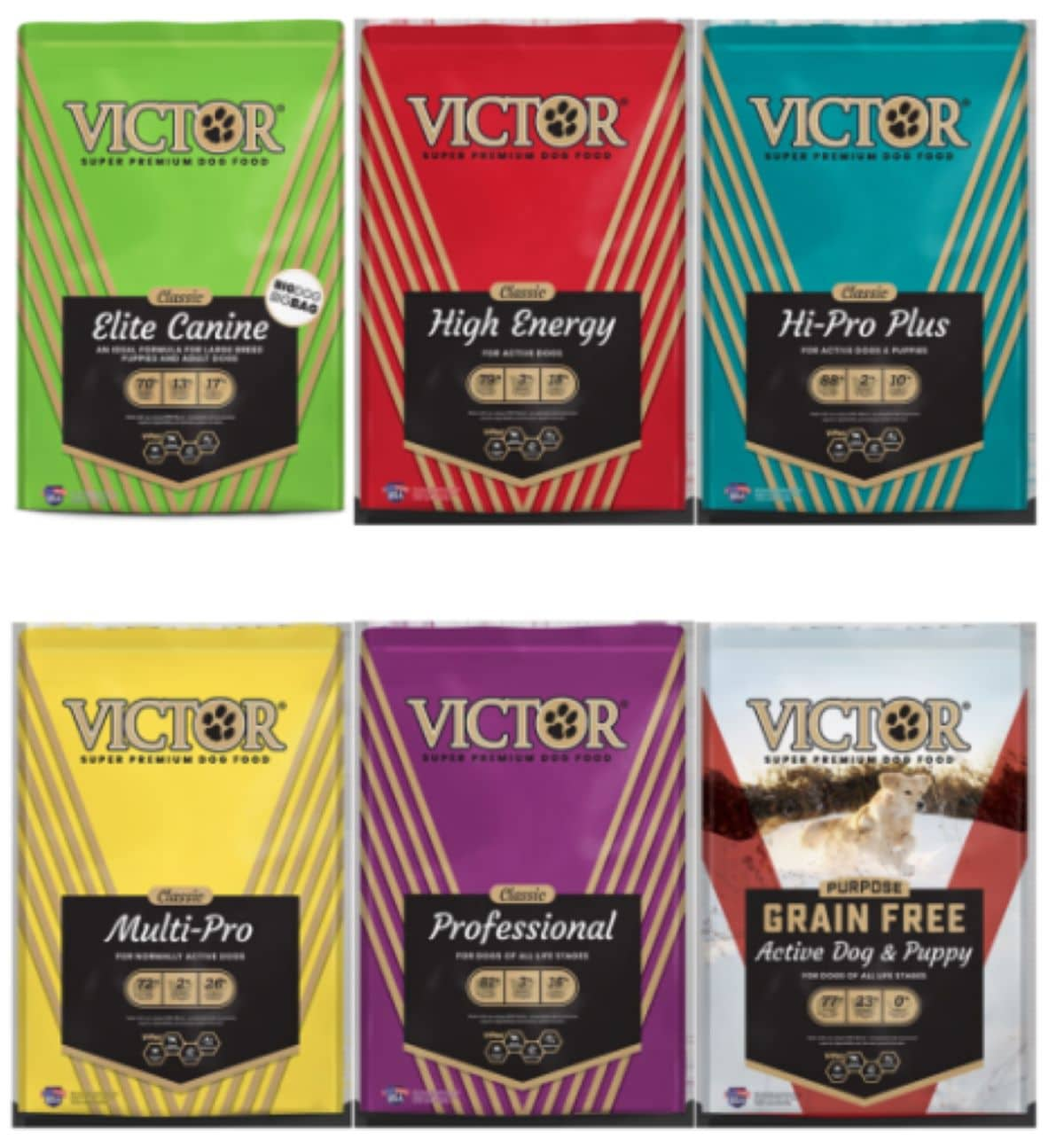
Recalled pet food images.

People in this outbreak got sick from touching recalled dog food, touching things like dog bowls that contained the dog food, or touching the poop or saliva of dogs that were fed the dog food. Most of the sick people in this outbreak are infants. Take steps to handle dog food safely every day.