Category Archives: Salmonella

USA -Outbreaks of Salmonella Infections Linked to Backyard Poultry

CDC

Latest Outbreak Information

Illustration of a megaphone.
At A Glance
  • Reported Cases: 279
  • States: 41
  • Hospitalizations: 40
  • Deaths: 0

Infographic with baby chickens on it reading Always wash your hands after handling live poultry.

  • Since the last update on May 16, 2019, illnesses in an additional 227 people and 20 states have been added to this investigation. Four Salmonella serotypes have also been added.
  • A total of 279 people infected with the outbreak strains of Salmonella have been reported from 41 states.
    • 40 (26%) people have been hospitalized and no deaths have been reported.
    • 70 (30%) people are children younger than 5 years.
  • Epidemiologic and laboratory evidence indicate that contact with backyard poultry, such as chicks and ducklings, from multiple hatcheries is the likely source of these outbreaks.
    • In interviews, 118 (77%) of 153 ill people reported contact with chicks or ducklings.
    • People reported obtaining chicks and ducklings from several sources, including agricultural stores, websites, and hatcheries.
  • One of the outbreak strains making people sick has been identified in samples collected from backyard poultry in Ohio.

RASFF Alerts – Salmonella – Turkey Breast – Chicken Breast Fillets – Sesame Seeds – Duck Breasts – Chicken Legs -Whitish Sesame Seeds

RASFF-Logo

RASFF – Salmonella (presence /25g) in chilled turkey breasts from Poland in the Czech Republic

RASFF – Salmonella (presence /25g) in ‘marinated’ chicken breast fillets from Poland in Denmark

RASFF – Salmonella enterica ser. Bongori (presence /25g) in sesame seeds from Ethiopia in Greece

RASFF – Salmonella enterica ser. anatum (presence /25g) in frozen duck breasts from Hungary in Estonia

RASFF – Salmonella (presence /25g) in frozen raw chicken half breasts from Brazil in the UK

RASFF – Salmonella enterica ser. Enteritidis (presence /25g) and Salmonella group C1 (presence /25g) in frozen chicken fillets from Poland, with raw material from the Czech Republic in Poland

RASFF – Salmonella enterica ser. Enteritidis (presence /25g) in chilled chicken legs and wings from the Czech Republic in the Czech Republic

RASFF – Salmonella (presence /25g) in sesame seeds from Sudan in Greece

RASFF – Salmonella (presence in 3 out of 5 samples /25g) in whitish sesame seeds from Sudan in Greece

RASFF – Salmonella (presence /25g) in sesame seeds from Sudan in Greece

RASFF – Salmonella enterica ser. Newport (presence /25g) in chilled chicken leg fillets from Poland in the Czech Republic

RASFF Alert – Salmonella – Soy Flour

RASFF-Logo

RASFF – Salmonella enterica ser. Minnesota (presence /25g) in soy flour from Argentina in Italy

Australia – The Egg Basket eggs – Recall – Salmonella

FSANZ

Product information

The Egg Basket is conducting a recall of Country Fresh Eggs, Just Eggs, Chefs Choice Free Range and Chefs Choice Cage Free eggs.

The product has been available for sale at The Egg Basket and Flemington Markets in NSW.

Date markings

14th June 2019, 20th June 2019, 24th June 2019, 29th June 2019, 5th July 2019, 9th July 2019

Problem

The recall is due to potential microbial (Salmonella Enteritidis) contamination.

Food safety hazard

Food products contaminated with Salmonella may cause illness if consumed.

Country of origin

Australia

What to do​

Any consumers concerned about their health should seek medical advice and should return the products to the place of purchase for a full refund.

For further information please contact:

The Egg Basket

02 9826 1847

USA – Imported Tahini recalled after 4 sick with Salmonella

Food Poison Journal

Brodt Zenatti Holding LLC of Jupiter, Florida is recalling all retail and bulk Karawan brand Tahini, sold in Jars: 450g (15.87 oz) and Buckets: 17kg (599.6 oz); 3kg (105.8 oz) that were imported from Palestine between the dates of December 2018 to April 2019 and SoCo Brand Tahini; because they have the potential to be contaminated with Salmonella, an organism which can cause serious and sometimes fatal infections in young children, frail or elderly people, and others with weakened immune systems.

Research – Discerning microbial and quality attributes of differently slaughtered and dead poultry meat

Wiley Online

Abstract

Globally, various methods of slaughtering have been practiced for the production of chicken meat. Among these methods, Halal slaughtering is implemented to produce Halal chicken. This method involves cutting the throat to bring the animal toward quick death without anguishing. Additionally, Halal slaughtering also favors rapid blood flow and more bleeding. Slaughtering methods are concorded with composition, quality, and microbial safety of meat, mediated by varied blood retention. Accordingly, the present work was aimed to explicate the effect of various slaughtering methods on quality and safety of broiler meat. Results revealed that significant compositional changes were observed in meat obtained from different slaughtering methods. Additionally, Halal‐slaughtered meat showed less nitrogenous losses (TVBN = 9.81 mgN/100 g), high water holding capacity (72.02%), better shear‐force value (21.37 g), and normal color (L* = 48.59, a* = 0.85, b* = 11.56) as compared to other slaughtering methods and dead meat. Additionally, Halal‐slaughtered meat contained less number of total plate count (4.28 log10CFU/g), Enterobacteriaceae count (3.12 log10CFU/g), Salmonella (2.74 log10CFU/g), and E. coli (2.78 log10CFU/g) counts in comparison with the other slaughtering methods and dead meat samples. Findings of the study indicate that slaughtering methods significantly influence the quality and microbial status of broiler meat.

Practical applications

In recent years, the international market for meat obtained from animals/birds slaughtered by using various religious methods has become important for supplying the desired meat globally. Although several studies have been conducted in this domain but most of the published data mainly emphasize the work related to the use of conventional slaughtering methods with limited comparison to religious slaughtering methods. However, some projects have also addressed the issues related to the impact of slaughtering methods on meat quality. Discussion related to religious slaughtering has been in progress around the world. Accordingly, the present study was conducted in this regard for providing some more information and facilitating the existing and upcoming discussions on the merits and demerits of several slaughtering methods with special reference to meat quality and safety.

Research – Microbial ecology: Salmonella and the dairy calf

AllAboutFeed


Besides faeces and other cattle, pathogenic vectors in the dairy farm can include feed, water, rodents, wild animals, flies, birds, etc. What are the producer’s management priorities to sustain dairy calf health?

A dairy farm in the simplest form is a population of dairy cattle living in barns, corrals, or pastures that surround a centralised milking parlour where animals are milked for commerce. However, co-existing on these facilities is another population, one that is often overlooked as it is invisible to the naked eye. It is the microbial population. The dairy farm’s microbial populace consists of a vast and diverse array of commensal and pathogenic micro-organisms that are easily transmitted. Among the pathogens, there are viruses, fungi, algae, protozoa, and bacteria. Among the bacteria, Salmonella can have an especially serious impact on calf health.

Canada- Ground spice from Nigeria under recall; no codes on product labels – Salmonella

Food Safety News

A spice product imported into Canada from Nigeria is under recall because government testing showed possible contamination with Salmonella bacteria.

MyChopChop, which has offices in Ontario, sold the recalled “Grounded Peper” to consumers nationwide via the internet, according to a recall notice posted by the Canadian Food Inspection Agency. The agency reported that as of the posting of the notice no reports of confirmed illnesses had been reported in connection with the recalled product.

Because of the long shelf life of dry spices, public health officials are concerned there may be consumers who have the recalled spice product in their homes. Anyone who has such spice in their homes that is not still in its original package should discard it because they won’t be able to determine whether it is the recalled product.

USA – Salmonella Outbreak at Elite Childcare Academy in Omaha, NE

Food Poisoning Bulletin

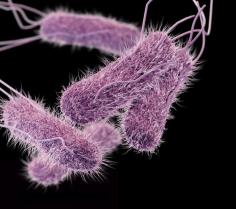
Salmonellaa

Image CDC

A possible Salmonella outbreak at Elite Childcare Academy in Omaha, Nebraska may have sickened an unknown number of children, according to news reports. The Douglas County Health Department is investigating. One hundred children are enrolled.

RASFF Alerts – Salmonella – Salted Chicken Breasts – Duck Inner Fillets – Chilled Chicken – Sesame Seeds – Whitish Sesame Seeds – Betel Leaves – Chicken Drumsticks – Chilli Powder – Herb Mix

RASFF-Logo

RASFF – Salmonella (presence /25g) in frozen salted chicken half breasts from Brazil in the UK

RASFF – Salmonella (presence /25g) in frozen duck inner fillets from Hungary in Italy

RASFF – Salmonella enterica ser. Münster (present in 1out of 5 samples /25g) in chilled chicken from Poland in the Czech Republic

RASFF – Salmonella (presence /25g) in sesame seeds from Uganda in Germany

RASFF – Salmonella (presence /25g) in frozen half chicken breast from Brazil, via the Netherlands in the UK

RASFF – Salmonella (in 1 out of 5 samples /25g) in organic sesame seeds from Uganda in the Netherlands

RASFF – Salmonella (in 1 out of 5 samples /25g) in whitish sesame seeds from Sudan in Greece

RASFF – Salmonella (in 2 out of 5 samples /25g) in whitish sesame seeds from Sudan in Greece

RASFF – Salmonella (presence /25g) in betel leaves from Malaysia in the UK

RASFF – Salmonella (in 1 out of 5 samples /25g) in white sesame seeds from Nigeria in Poland

RASFF – Salmonella (presence /25g) in sesame seeds from Uganda in the Netherlands

RASFF – Salmonella (presence /25g) and high count of Escherichia coli (7.8×10*3 CFU/g) in betel Leaves from Malaysia in the UK

RASFF – Salmonella (presence /25g) in sesame seeds from Sudan in Greece

RASFF – Salmonella enterica ser. Infantis (presence /25g) in chilled chicken breast fillet from Poland in the Czech Republic

RASFF – Salmonella (presence /25g) in sesame seeds from Sudan in Greece

RASFF – Salmonella (presence /25g) in sesame seeds from Sudan in Greece

RASFF – Salmonella enterica ser. Newport (presence /25g) in chilled chicken breast fillets from Poland in the Czech Republic

RASFF – Salmonella (presence /25g) in chicken drumsticks from the Netherlands in the Netherlands

RASFF – Salmonella (presence /25g) and Salmonella enterica ser. Newport (presence /25g) in chilli powder from India in Finland

RASFF – Salmonella enterica ser. Agona (presence /25g) in herbs mix for meat preparation from the Netherlands in the Netherlands