Category Archives: pathogenic

Research – Presence and Persistence of Listeria monocytogenes in the Danish Ready-to-Eat Food Production Environment

MDPI

Abstract

Listeria monocytogenes is an ubiquitously occurring foodborne bacterial pathogen known to contaminate foods during the production processes. To assess the presence and persistence of L. monocytogenes in Danish ready-to-eat (RTE) food production companies in response to a Listeria awareness campaign, the production environment of selected companies were sampled in 2016 and in 2020. Whole genome sequencing (WGS) was performed to characterize the isolates (n = 50, plus 35 isolates obtained from the routine surveillance during 2016–2020), including investigation of the presence of virulence, persistence and resistance genes. The number of companies that tested positive by culture was 17/39 (43.6%) in 2016 and 11/34 (32.4%) in 2020, indicating a limited effect of the campaign. WGS analyses of the 85 isolates showed that the most common sequence types (STs) were ST8 and ST121. The single nucleotide polymorphism (SNP) analysis showed that isolates coming from the same company and belonging to the same ST exhibited <10 SNP differences regardless of the sampling year and whether the samples came from the environment or products, indicating the persistence of the specific STs. Several prevalent STs were found in clinical cases concurrently, including genetically similar isolates. This highlights the issue of persistent L. monocytogenes in the food production environment and the need for improved risk communication and mitigation strategies.

Research – E. coli, Salmonella, and Campylobacter: How Important is Sanitizing Your Shopping Cart?

Food Poisoning News

During the height of the pandemic, grocery stores began routinely sanitizing shopping carts and baskets after each use to reduce the spread of the COVID-19 virus. Now that the rate of COVID infections is far less, this practice of cleaning carts is becoming a thing of the past. However, sanitizing shopping carts is extremely beneficial to minimize the spread of foodborne pathogens and grocery stores should not overlook its importance.

In a study by the University of Arizona, their results found that the number of bacteria on a shopping cart was higher than the amount on surfaces of a public restroom and on diaper changing stations because restrooms are frequently cleaned. Out of the 85 shopping carts tested, a remarkable 51% carried evidence of E. coli. Traces of salmonella and campylobacter were also found. These foodborne illness causing bacteria can all survive on surfaces for extended periods of time. Campylobacter can survive on a surface for up to 4 hours and Salmonella up to 32 hours. These types of bacteria can cause symptoms such as diarrhea, headache, fevers, and vomiting.

It is also very important to keep sanitation in mind when handling food in the grocery store that will not be reheated before consumption. Shoppers inevitably touch these foods immediately after manouvering the cart and risk spreading bacteria to the food they purchase.

Hong Kong – Beware of the Inherent Risks of Raw Oysters

CFS

Oysters for raw consumption are a high-risk food as there is no heat treatment to kill pathogens before eating. Besides those sold alive, raw oysters available in the local market are often pre-shucked in either frozen or chilled forms. If not handled properly, it can lead to bacterial contamination and deterioration of the shellfish.

Frozen raw oysters have to be defrosted in the refrigerator to avoid exposure to dangerous temperatures. Defrosting in the fridge can take a long time, usually overnight. During defrosting, raw oysters should be stored in containers to avoid cross-contamination. Avoid eating chilled raw oysters pre-shucked at the exporting countries without cooking, as they were killed and susceptibie to temperature abuse and cross-contamination during production and transportation.

Pregnant women, infants and young children, the elderly and people with weakened immunity should avoid consuming raw or undercooked oysters.

Research – Surveillance plan proposal for early detection of zoonotic pathogens in pigs and poultry

EFSA

Abstract

In the framework of the EU4Health Programme, the European Commission has allocated specific resources for Member States for setting up a coordinated surveillance system under the One Health approach for cross‐border pathogens that threaten the Union (CP‐g‐22‐04.01 Direct grants to Member States’ authorities). This initiative required the development of surveillance plan proposal for early detection of zoonotic pathogens in animals and the environment. This report summarized the preparatory work undertaken for the development of surveillance plan proposals for early detection of zoonotic pathogens in pigs and poultry. Two diseases were in the focus of this work, namely Hepatitis E and Influenza in Swine. Four so‐called surveillance activity cards were developed for Hepatitis E and one surveillance activity card for Influenza in Swine. These surveillance plan proposals serve the purpose of outlining scientifically sound surveillance options for zoonotic pathogens for review and further development by experts of the EFSA Working Group on One Health surveillance.

Research – Influence of Hurdle Technology on Foodborne Pathogen Survival in the Human Gastrointestinal Tract

MDPI

Abstract

The application of several sublethal stresses in hurdle technology can exert microbial stress resistance, which, in turn, might enable foodborne pathogens to overcome other types of lethal stresses, such as the gastrointestinal barriers. The present study evaluated the survival of Salmonella Typhimurium and Listeria monocytogenes during simulated digestion, following exposure to combinations of water activity (aw), pH and storage temperature stresses. The results revealed that both pathogens survived their passage through the simulated gastrointestinal tract (GIT) with their previous habituation to certain hurdle combinations inducing stress tolerance. More specifically, the habituation to a low temperature or to a high pH resulted in the increased stress tolerance of Salmonella, while for Listeria, the cells appeared stress tolerant after exposure to a high temperature or to a low pH. Nonetheless, both pathogens expressed increased sensitivity after habituation to growth-limiting hurdle combinations. The survival of stress-tolerant pathogenic cells in the human GIT poses major public health issues, since it can lead to host infection. Consequently, further research is required to obtain a deeper understanding of the adaptive stress responses of foodborne bacteria after exposure to combinations of sublethal hurdles to improve the existing food safety systems.

Research – Pre-Harvest Strategies to Reduce Foodborne Pathogens in Red Meat Production

Food Safety Magazine

Consumers expect and rightfully demand a plentiful supply of affordable, safe, and wholesome red meat. Concerns about the safety of meat have been important to the industry, the public, and the government since the implementation of the Pure Food and Drug Act of 1906. Unfortunately, despite the effort expended in controlling foodborne illnesses in the U.S., foodborne pathogens cost the GDP more than $17.6 billion each year in direct and indirect costs.1

One of the most notable improvements to food safety is the implementation of Hazard Analysis and Critical Control Points (HACCP), which has been globally adopted as a method to systematically improve food safety. The implementation of other procedures, such as “test and hold” for ground beef prior to shipment to consumers, has significantly improved consumer safety. As a result of these systematic improvements in the food supply chain driven by industry and government actions, the U.S. food supply is safer than ever before.

Read more at the link above

Research – Exploring Possible Ways to Enhance the Potential and Use of Natural Products through Nanotechnology in the Battle against Biofilms of Foodborne Bacterial Pathogens

MDPI

Abstract

Biofilms enable pathogenic bacteria to survive in unfavorable environments. As biofilm-forming pathogens can cause rapid food spoilage and recurrent infections in humans, especially their presence in the food industry is problematic. Using chemical disinfectants in the food industry to prevent biofilm formation raises serious health concerns. Further, the ability of biofilm-forming bacterial pathogens to tolerate disinfection procedures questions the traditional treatment methods. Thus, there is a dire need for alternative treatment options targeting bacterial pathogens, especially biofilms. As clean-label products without carcinogenic and hazardous potential, natural compounds with growth and biofilm-inhibiting and biofilm-eradicating potentials have gained popularity as natural preservatives in the food industry. However, the use of these natural preservatives in the food industry is restricted by their poor availability, stability during food processing and storage. Also there is a lack of standardization, and unattractive organoleptic qualities. Nanotechnology is one way to get around these limitations and as well as the use of underutilized bioactives. The use of nanotechnology has several advantages including traversing the biofilm matrix, targeted drug delivery, controlled release, and enhanced bioavailability, bioactivity, and stability. The nanoparticles used in fabricating or encapsulating natural products are considered as an appealing antibiofilm strategy since the nanoparticles enhance the activity of the natural products against biofilms of foodborne bacterial pathogens. Hence, this literature review is intended to provide a comprehensive analysis of the current methods in nanotechnology used for natural products delivery (biofabrication, encapsulation, and nanoemulsion) and also discuss the different promising strategies employed in the recent and past to enhance the inhibition and eradication of foodborne bacterial biofilms.

Research – Major Soilborne Pathogens of Field Processing Tomatoes and Management Strategies

MDPI

Abstract

Globally, tomato is the second most cultivated vegetable crop next to potato, preferentially grown in temperate climates. Processing tomatoes are generally produced in field conditions, in which soilborne pathogens have serious impacts on tomato yield and quality by causing diseases of the tomato root system. Major processing tomato-producing countries have documented soilborne diseases caused by a variety of pathogens including bacteria, fungi, nematodes, and oomycetes, which are of economic importance and may threaten food security. Recent field surveys in the Australian processing tomato industry showed that plant growth and yield were significantly affected by soilborne pathogens, especially Fusarium oxysporum and Pythium species. Globally, different management methods have been used to control diseases such as the use of resistant tomato cultivars, the application of fungicides, and biological control. Among these methods, biocontrol has received increasing attention due to its high efficiency, target-specificity, sustainability and public acceptance. The application of biocontrol is a mix of different strategies, such as applying antagonistic microorganisms to the field, and using the beneficial metabolites synthesized by these microorganisms. This review provides a broad review of the major soilborne fungal/oomycete pathogens of the field processing tomato industry affecting major global producers, the traditional and biological management practices for the control of the pathogens, and the various strategies of the biological control for tomato soilborne diseases. The advantages and disadvantages of the management strategies are discussed, and highlighted is the importance of biological control in managing the diseases in field processing tomatoes under the pressure of global climate change.

Research – Recommendations and technical specifications for sustainable surveillance of zoonotic pathogens where wildlife is implicated

EFSA

Abstract

A science‐based participatory process guided by EFSA identified 10 priority zoonotic pathogens for future One Health surveillance in Europe: highly pathogenic avian influenza, swine influenza, West Nile disease, tick‐borne‐encephalitis, echinococcosis, Crimean Congo Haemorrhagic Fever, hepatitis E, Lyme disease, Q‐fever, Rift Valley fever. The main aim of this report is to formulate recommendations and technical specifications for sustainable coordinated One health surveillance for early detection of these zoonotic pathogens where wildlife is implicated. For this purpose: (i) first, we reviewed the cornerstones of integrated wildlife monitoring that are applicable to zoonotic disease surveillance in wildlife under OH surveillance in the EU; (ii) we analysed the characteristics of the main wildlife groups and the selected pathogens relevant to surveillance aimed at early detection, and integrated with other health compartments; (iii) we proposed general recommendations for the first steps of sustainable wildlife zoonotic disease surveillance in the EU, and (iv) specific recommendations of surveillance aimed at risk based early detection of pathogens in the main wild species groups. We finally proposed (iv) a framework for integrating animal disease surveillance components (wildlife, domestic, environment) for early detection under OH approach.

Research – New role of small RNAs in Salmonella infections uncovered

Science Daily

Salmonellaa

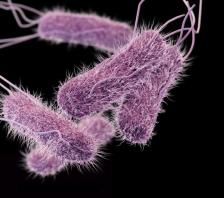
Salmonella are food-borne pathogens that infect millions of people a year. To do so, these bacteria depend on a complex network of genes and gene products that allow them to sense environmental conditions. In a new paper, researchers have investigated the role of small RNAs that help Salmonella express their virulence genes.

The bacteria infect humans by first invading the cells of the intestine using a needle-like structure, called a type 3 secretion system. This structure injects proteins directly into the cells, setting off a cascade of changes that cause inflammation, and ultimately cause diarrhea. The genes that encode this system, and other genes that are needed for invasion, are found on a region of DNA known as the Salmonella pathogenicity island 1.