RASFF-Bacillus cereus (10000 CFU/g), too high count of aerobic mesophiles (2000000 CFU/g) and high count of moulds (230000 CFU/g) in dried black fungus from China, via Germany in Austria

RASFF-Bacillus cereus (10000 CFU/g), too high count of aerobic mesophiles (2000000 CFU/g) and high count of moulds (230000 CFU/g) in dried black fungus from China, via Germany in Austria
RASFF-lemonade from Denmark infested with moulds in the Netherlands
| Issue Date | 15.9.2018 |
|---|---|
| Source of Information | Agri-Food and Veterinary Authority of Singapore |
| Food Product | Prepackaged pancake imported from Japan |
| Product Name and Description | Product name: Mini Dorayaki – Red Bean Jam Pancake
Brand: Muji Country of Origin: Japan Packing: 135 grams per pack Expiry dates: September 12 to December 5, 2018 |
| Reason For Issuing Alert | The Centre for Food Safety (CFS), through its routine Food Incident Surveillance System, noted an announcement by the Agri-Food and Veterinary Authority of Singapore that Muji (Singapore) is recalling the above-mentioned batch of pancake due to the possible presence of mould in the package of the product. |
| Action Taken by the Centre for Food Safety |
|
| Advice to the Trade | Stop using or selling the product concerned immediately if they possess them. |
| Advice to Consumers | Not to consume the affected products if they have bought any. |
| Further Information |
|
RASFF-prepared soy dish from Finland infested with moulds in the Netherlands
RASFF-dried apricots from Turkey infested with moulds in Denmark
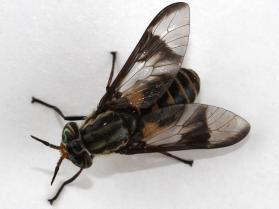
Housefly (Musca domestica L.) contaminates food by transferring microbes. Fungi carried by houseflies cause postharvest losses by food spoilage produce mycotoxins and spread various infectious diseases in human beings and animals. This study was planned to determine the diversity and frequency of fungal species carried by houseflies and their relation with stored grains. Houseflies in the vicinity of stored wheat and rice grains were collected from the rural areas of four districts of Pakistan. Overall, 897, 631, and 687 fungal species were isolated from houseflies, rice, and wheat grains, respectively. Aspergillus and Fusarium species followed by Alternaria and Penicillium species were found dominant in houseflies, rice, and wheat grains. Correlation analyses revealed a significant association between most of the fungal species isolated from houseflies, wheat, and rice grains. The study concludes that a strong correlation of fungi exists between stored grains and houseflies around the unhygienic storage places.
It is highly important to understand the role of houseflies in spreading various fungal species to stored grains, particularly in our persisting rural grain storage system. Our study is first of its kind in which we have studied the correlation of fungal diversity and abundance between houseflies, wheat, and rice grains stored in the same vicinity/place/house. Our findings show a strong correlation in fungal diversity and abundance, isolated from flies and stored grains. This study demonstrates the role of houseflies in the dispersal of various fungal species to contaminate the stored grains. Therefore, appropriate measures should be taken to control the houseflies or their entrance to store houses. There is a strong need to give awareness and improve the grain storage system in houses, especially in rural areas, by food regulating authorities.

RASFF-fungi in infant formula from the Netherlands in the Netherlands
The aim of this study was to investigate the efficacy of navel orange, Citrus sinensis (L.) Osbeck, peel essential oil (NOPEO) for inhibiting spoilage fungi in potato slices. Sixteen different components accounting for 99.79% of the headspace components of NOPEO were identified by gas chromatography–mass spectrometry. d-Limonene was the major component of NOPEO. Antifungal activity of NOPEO was tested in vitro and in vivo against four foodborne fungi. A MIC of NOPEO against the four fungal species was 9.40 μL/mLair. NOPEO provided about 74, 74, 73, and 69% protection against Aspergillus niger, Mucor wutungkiao, Penicillium funiculosum, and Rhizopus oryzae at 2.00 μL/mLair concentration, respectively. NOPEO has been demonstrated to significantly improve the microbiological quality of potato slices.

RASFF-dog chew from India infested with moulds in Germany
Posted in Animal Feed, mold, Moulds, Uncategorized