Category Archives: Microbial Spoilage

Canada – Irresistibles brand Roasted Garlic – Caesar Aïoli recalled due to possible bursting bottles – Microbial Contamination

Gov Canada

Product
Roasted Garlic – Caesar Aïoli
Issue
Food – Microbial Contamination
What to do

Do not use, sell, serve or distribute the affected product.

Audience
Retail
Distribution
Ontario

Issue

Irresistibles brand Roasted Garlic – Caesar Aïoli recalled due to possible bursting bottles.

RASFF Alert- Spoilage – Soya Drink

RASFF

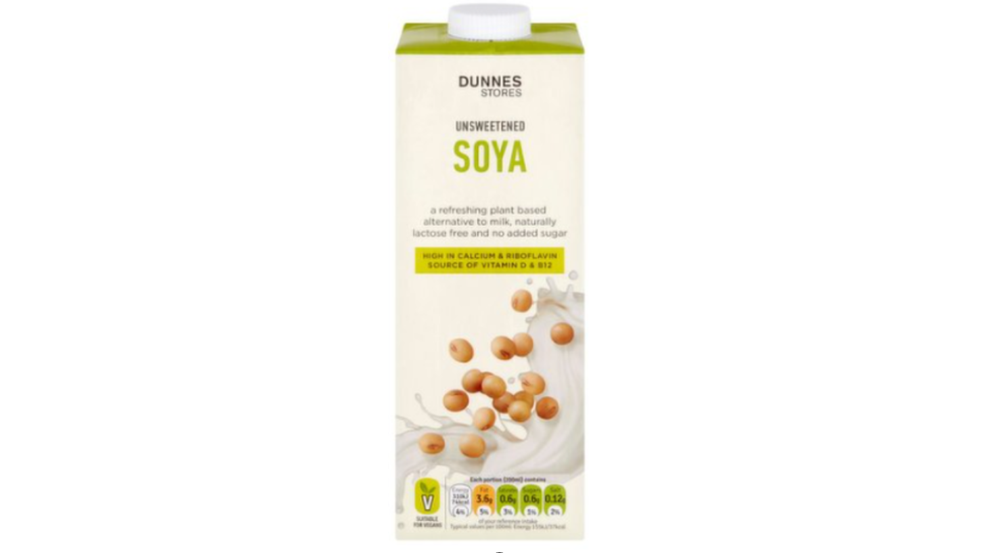
Recall of Unsweetened Soya Drink due to a packaging issue which may lead to spoilage

Ireland – Recall of Dunnes Stores Soya Drink due to a packaging issue which may cause spoilage

FSAI

Alert Summary
Category 1: For Action
Alert Notification: 2024.22
Product Identification: Dunnes Stores Soya Drink; pack size: 1 Litre
Batch Code A07301; best-before: 13.03.25
Country Of Origin: Italy

Message:

The above batch of Dunnes Stores Soya Drink is being recalled by Dunnes Stores. This is due to a packaging issue which may lead to air in the product causing it to spoil. Recall notices will be displayed at point-of-sale in Dunnes Stores.

Action Required:

Manufacturers, wholesalers, distributors, caterers & retailers:

Retailers are requested to remove the implicated batch from sale and display recall notices at point-of-sale.

Consumers:

Consumers are advised not to drink the implicated batch.

Research – Microbial community structure of plant-based meat alternatives.

Nature

A reduction in animal-based diets has driven market demand for alternative meat products, currently raising a new generation of plant-based meat alternatives (PBMAs). It remains unclear whether these substitutes are a short-lived trend or become established in the long term. Over the last few years, the trend of increasing sales and diversifying product range has continued, but publication activities in this field are currently limited mainly to market research and food technology topics. As their popularity increases, questions emerge about the safety and nutritional risks of these novel products. Even though all the examined products must be heated before consumption, consumers lack experience with this type of product and thus further research into product safety, is desirable. To consider these issues, we examined 32 PBMAs from Austrian supermarkets. Based on 16S rRNA gene amplicon sequencing, the majority of the products were dominated by lactic acid bacteria (either Leuconostoc or Latilactobacillus), and generally had low alpha diversity. Pseudomonadota (like Pseudomonas and Shewanella) dominated the other part of the products. In addition to LABs, a high diversity of different Bacillus, but also some Enterobacteriaceae and potentially pathogenic species were isolated with the culturing approach. We assume that especially the dominance of heterofermentative LABs has high relevance for the product stability and quality with the potential to increase shelf life of the products. The number of isolated Enterobacteriaceae and potential pathogens were low, but they still demonstrated that these products are suitable for their presence.

Research – Microbiological Risks of Traditional Raw Cow’s Milk Cheese (Koryciński Cheeses)

MDPI

Abstract

Traditional and regional foods have been increasing in popularity among consumers in Poland for many years. The observed trend of searching for natural and authentic taste encourages many producers to craft products from raw milk, including Koryciński cheeses. The aim of this study was to assess the microbiological hazards resulting from the presence of pathogenic bacteria in Koryciński cheeses available in retail trade. The tests were carried out using accredited methods, including the detection of the presence of Salmonella spp., the enumeration of Listeria monocytogenes, the enumeration of coagulase-positive staphylococci, and the detection of staphylococcal enterotoxins in food when the number of coagulase-positive staphylococci in the sample exceeded the limit of 105 cfu/g. The research material consisted of 45 Koryciński cheeses. The tests conducted revealed that Salmonella spp. was not detected in any of the examined cheeses. However, coagulase-positive staphylococci were present in 68.9% of the samples. In as many as 15 tested cheeses, the level of S. aureus contamination was above 105 cfu/g; therefore, these samples were tested for the presence of staphylococcal enterotoxins. The presence of staphylococcal enterotoxins was found in one Koryciński cheese. In four cheeses, the number of L. monocytogenes exceeded the level of 102 cfu/g, the limit specified in Regulation 2073/2005 on microbiological criteria for foodstuffs. The obtained research results confirm the validity of monitoring the microbiological quality of Koryciński cheeses and the need to increase awareness of ensuring proper hygienic conditions of production, including the increased risk associated with unpasteurized milk products.

Research – Changes in the Quality and Microbial Communities of Precooked Seasoned Crayfish Tail Treated with Microwave and Biological Preservatives during Room Temperature Storage

MDPI

Abstract

The qualities of precooked foods can be significantly changed by the microorganisms produced during room temperature storage. This work assessed the effects of different antibacterial treatments (CK, without any treatment; microwave treatment, MS; microwave treatment and biological preservatives, MSBP) on the physicochemical properties and microbial communities of precooked crayfish tails during room temperature storage. Only the combination of microwave sterilization and biological preservatives significantly inhibited spoilage, as evidenced by the total viable count (4.15 log CFU/g) after 3 days of room temperature storage, which satisfied the transit time of most logistics companies in China. Changes in pH and TVB-N were also significantly inhibited in the MSBP group compared with those in the CK and MS groups. More than 30 new volatile compounds were produced in the CK groups during room temperature storage. However, in the MSBP groups, the volatile compounds were almost unchanged. The correlations between the microbial composition and volatile compounds suggested that specific bacterial species with metabolic activities related to amino acid, energy, cofactor, and vitamin metabolism, as well as xenobiotics biodegradation and metabolism, were responsible for the changes in volatile compounds. These bacteria included Psychrobacter, Arthrobacter, Facklamia, Leucobacter, Corynebacterium, Erysipelothrix, Devosia, Dietzia, and Acidovorax. Overall, our findings provide a foundation for the development of strategies to inhibit spoilage in precooked crayfish tails stored at room temperature.

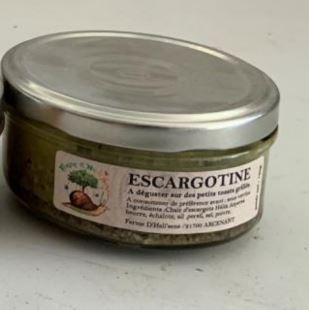
France – Snails – Possible Micro Spoilage

Gov France

Product category
Food
Product subcategory
Snails and frogs
Product brand name
HELI’SENS Farm
Model names or references
Provençal-style escargotine Bourguignone-style escargotine
Product identification
Batch Date
1526 Minimum durability date 11/30/2025
Packaging
Verrine 190TO82, net mass: 120g
Start/end date of marketing
From 11/25/2023 to 03/06/2024
Storage temperature
Product to be stored at room temperature
Health mark
25,056,058
Further information
Snail spread from lot 1526 to be found under the glass.
Geographical sales area
Departments: COTE-D’OR (21)
Distributors
Direct sale by Ferme d’Heli’Sens

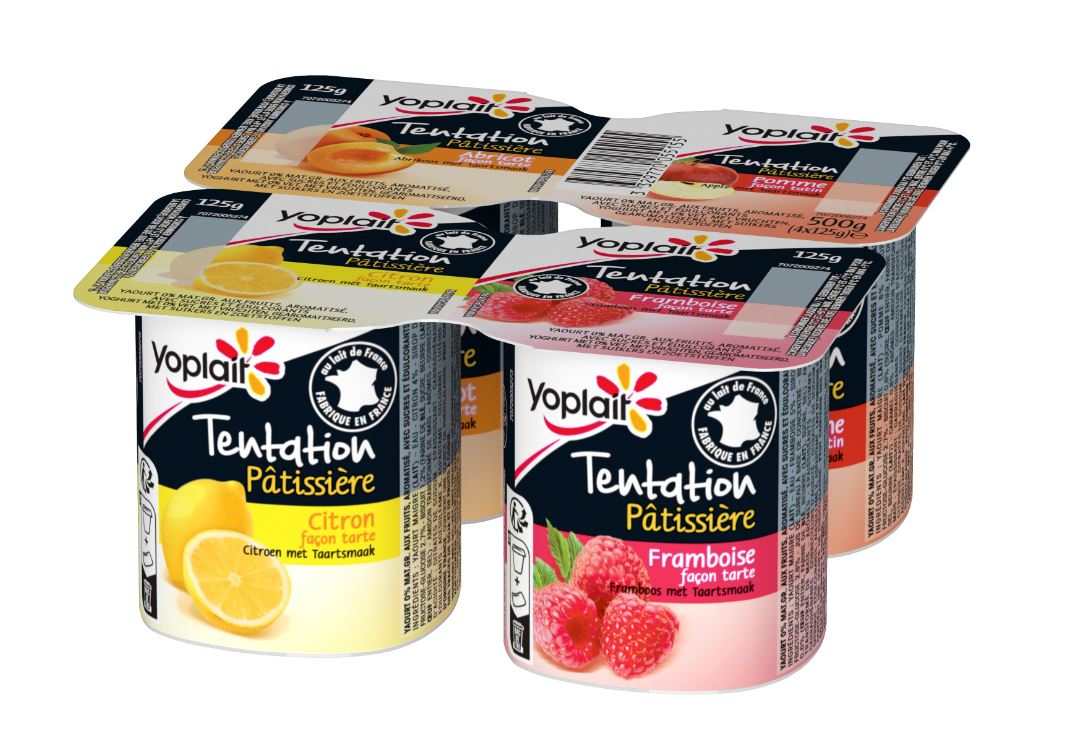
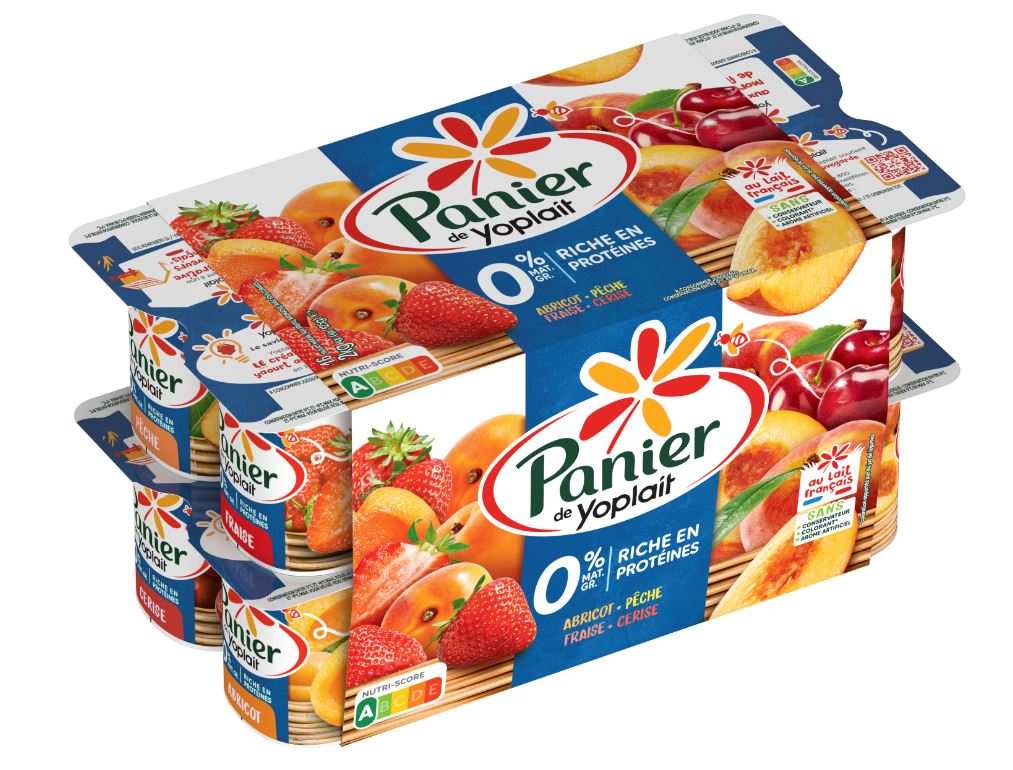
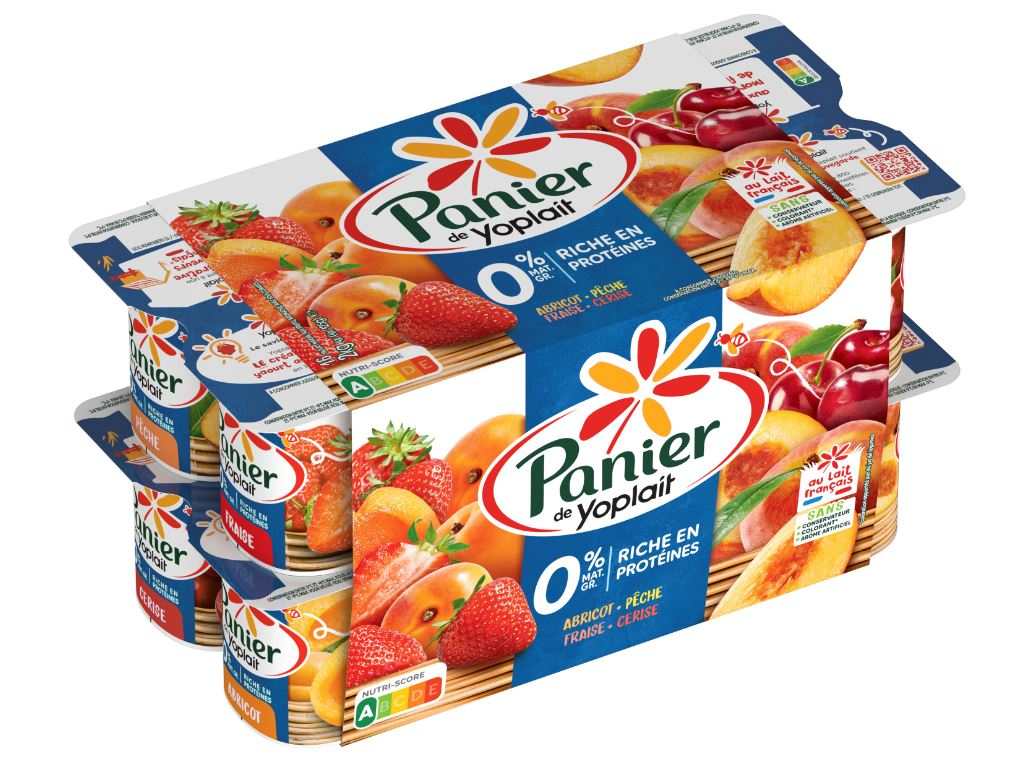
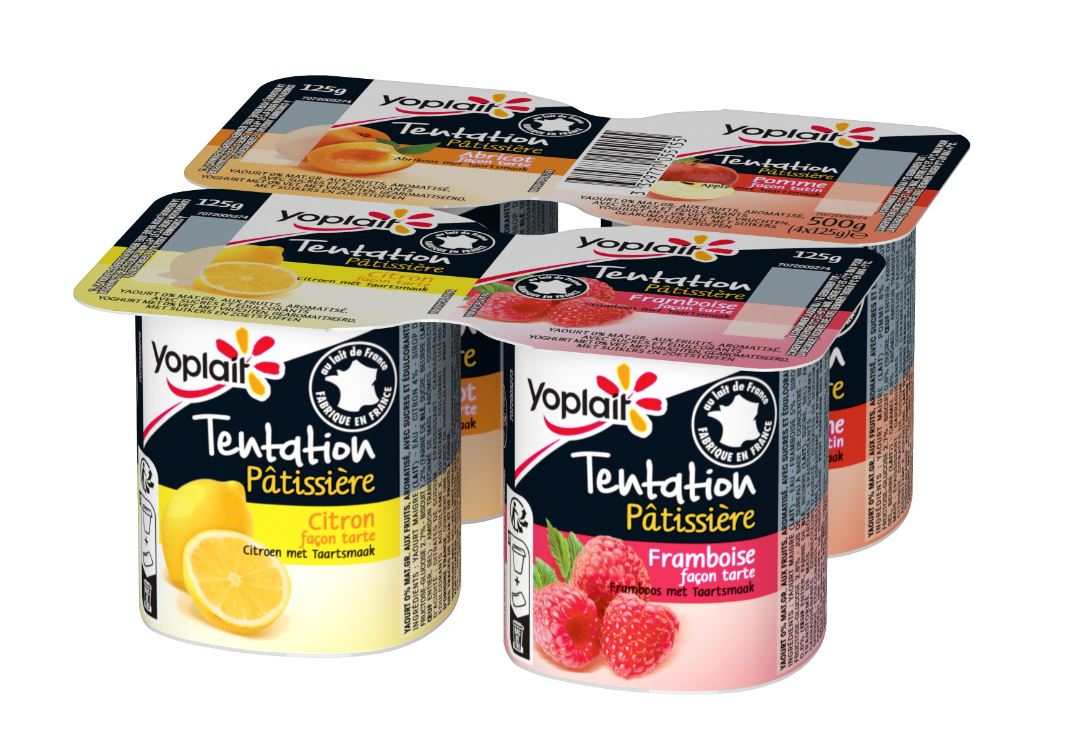
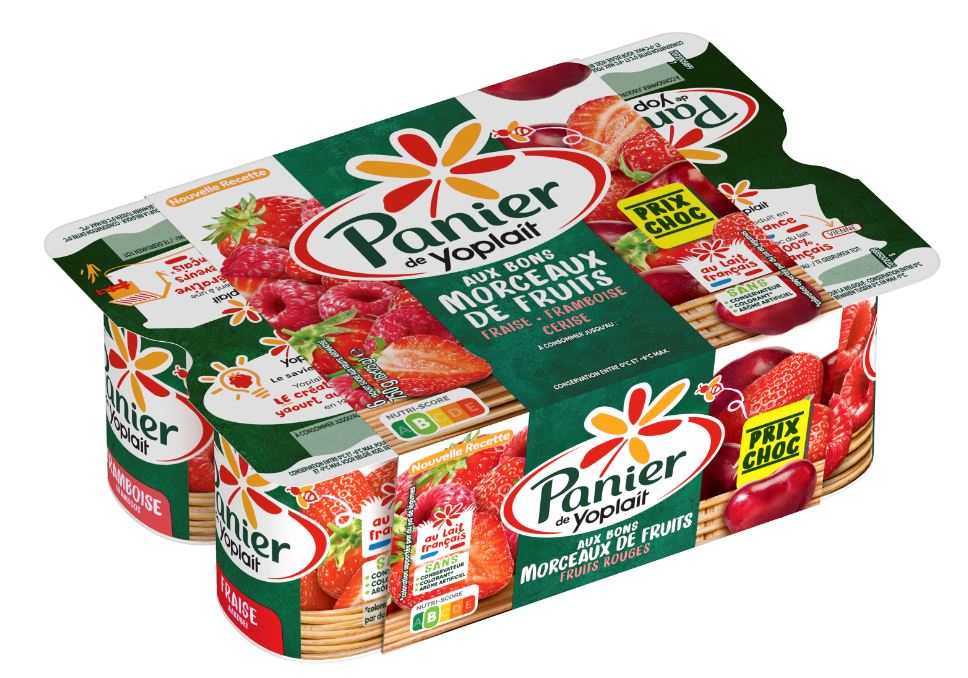
France – Pastry Temptation 0% – Basket of Yoplait 0% (red fruits, yellow fruits, variegated)France – Spoilage

Gov France

Gov France

France – Various Yoghurts – Spoilage

Gov France

Basket of Yoplait 0% (red fruits, yellow fruits, variegated)

Gov France

Pastry Temptation 0%

Gov France

Yoplait basket (mango/pineapple, peach/pear, cherry, exotic fruits, red fruits, yellow fruits)

Taiwan – Rare toxin suspected in 14 severe cases of food poisoning – Bongkrek acid is a toxin produced by the bacterium Burkholderia gladioli

Radio Taiwan International

14 severe cases of suspected food poisoning have been reported so far, including two deaths and five people currently hospitalized in critical condition. In a Legislature interview on Thursday, Health Minister Hsueh Jui-yuan (薛瑞元) stated that, after discussions with experts, the incident was highly likely caused by Bongkrek acid contamination and testing is currently underway.

Bongkrek acid is a toxin produced by the bacterium Burkholderia gladioli pathovar cocovenenans occasionally found in fermented coconut or corn. When consumed, symptoms can include vomiting, diarrhea, urinary retention, abdominal pain, and excessive sweating as the toxin mainly targets the liver, brain, and kidneys.